

Grass creeps into flower beds the way weeds always do, quietly, then everywhere at once. The right hand tool or stand-up puller makes a short job of it; the wrong choice leaves half the root and sore knees behind. This list rounds up ten solid options across hand knives, sickles, cultivators, claw pullers, and aerators, so you can match the tool to your soil, your back, and the size of the border you’re defending.
The Main Contenders

WORKPRO Hori Hori Garden Knife with Oxford Sheath
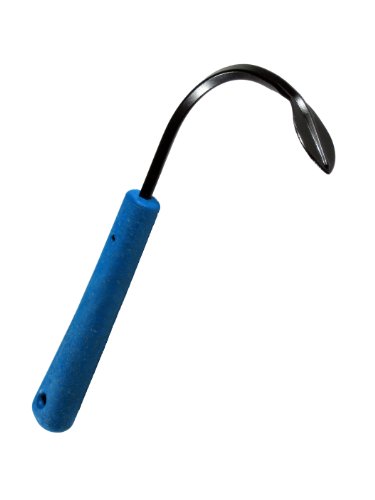
CobraHead Original Weeder & Cultivator (USA Made)
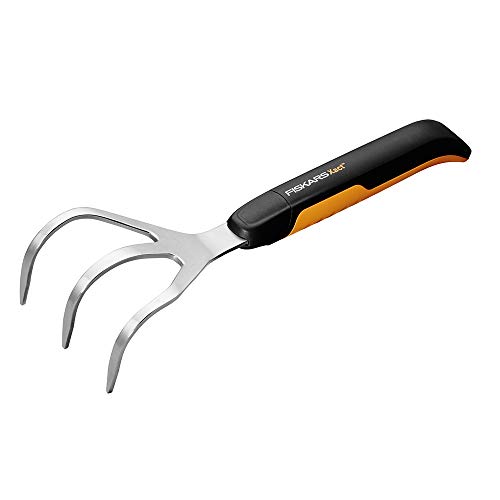
Fiskars Xact Hand Cultivator Stainless Steel

MASAKIYO Japanese Weeding Sickle Full Size

Garden Guru Hand Weeder Trowel Stainless Steel

Niulight Stand Up Weed Puller 46-Inch

Bluesea Lawn Aerator 16 Spikes (Orange)

Walensee Weed Puller with Five-Tine Head

Bluesea Lawn Aerator 16 Spikes (Black)

Bluesea Lawn Aerator 16 Spikes (Green)
Inside Each Recommended Option
When grass elbows its way between perennials and the soil is half-dug already, a hori-hori knife earns its keep in ways a flat trowel cannot. The WORKPRO version ships with a seven-inch stainless steel blade and a fabric Oxford sheath, a thoughtful pairing since the sharp tip has no business rattling around in a drawer next to pruners.
Compared with the CobraHead below, this knife trades the curved sickle shape for a straight-edged, dual-sided blade, which makes slicing through sod and severing rhizomes a more deliberate, push-driven motion. It suits gardeners who already know their way around a bed and want one tool to dig, cut, and measure planting depth.
Why It Works Well
- Stainless steel construction helps resist rust during damp-season bed work.
- Two distinct cutting edges handle slicing and sawing without swapping tools.
- The included Oxford sheath keeps the blade covered during transport to the bed.
- Works as a depth gauge for bulbs and transplants, replacing a separate dibber.
Worth Noting
- Two-knife pack means careful storage, since a loose blade in a garden tote can nick fingers.
- The tip stays sharp, so periodic stropping is part of ownership if you want it performing well long-term.
Who It Suits Best
Experienced home gardeners tackling mixed grass and root intrusions in established perennial beds.
Look Elsewhere When
Back pain rules out kneeling work; the Niulight Stand Up Weed Puller (item 6) lets you stay upright.
Few hand tools feel as natural pulling a tuft of grass out by the root as the CobraHead. Its curved, single-tine head behaves like a small plow, easing into compacted soil and prying the runner up rather than slicing it off at the surface. The recycled plastic handle keeps the weight modest, and the ambidextrous grip fits either hand comfortably.
Where the WORKPRO knife above asks you to commit to a cut, the CobraHead encourages a slower, almost forking motion that suits shallow roots and stubborn runners alike. It works as a cultivator, edger, and weeder in one, which is why it has stayed on the market so long.
The Case For It
- Tempered steel head powers through clay and rocky soil without flexing.
- Compact footprint reaches into tight spots between established perennials.
- One-handed use leaves the other hand free to pull weeds clear of the bed.
- USA-made construction tends to mean consistent quality control on the welds.
Trade Offs
- Not designed for slicing thick rhizomes, where the WORKPRO’s serrated edge handles better.
- Plastic handle may eventually show UV wear if you leave it in the sun between sessions.
Made For
Home gardeners who want a single hand tool for everyday grass and weed management.
Skip It When
You face dense, woody roots, since the MASAKIYO Japanese Weeding Sickle (item 4) slices through tougher growth.
The Fiskars Xact Hand Cultivator takes the rough-and-tumble feel of a cultivator and polishes it into something closer to kitchen-knife balance. The deep curved tines loosen soil and lift grass runners at the same time, while the weighted handle keeps the head planted where you push it. For a freshly turned bed with shallow weeds, it does the job in fewer passes.
Compared with the CobraHead’s single pointed blade, this cultivator spreads the work across three tines, so it covers more ground per stroke but loses some of the precision point weeding demands. In most flower beds, that trade-off is welcome.
Practical Advantages
- Stainless steel head resists rust through damp morning sessions.
- SoftGrip handle supports multiple grip positions during long weeding stints.
- Weighted handle improves balance and reduces wrist fatigue.
- Multi-pack quantity suits gardeners refreshing a whole border in one go.
Points To Note
- Curved tines are not built for prying up deep taproots like a dandelion claw.
- The four-pack format only makes sense if you actually want spares or gifts.
Best Suited To
Gardeners maintaining soft, well-cultivated beds who want a lighter, balanced hand tool.
A Better Fit Elsewhere
Dandelion-thick lawns need a dedicated puller, and the Walensee Weed Puller (item 8) handles deep taproots more directly.
There is something quietly satisfying about a hand-forged sickle, and the MASAKIYO leans into that tradition. The high-carbon steel blade is shaped for pull strokes, the kind where you hook grass stems at the soil line and slice cleanly through. In a dense border, that motion keeps you moving instead of stopping to dig out each clump.
Unlike the CobraHead’s prying action or the Fiskars cultivator’s raking pass, this sickle asks you to commit to a short, sharp draw cut. It rewards practiced hands and rewards gardeners who already know their edges.
Useful Highlights
- High-carbon steel holds a sharp edge through repeated cutting sessions.
- Compact full-size blade works between perennials where a hoe would be clumsy.
- Hand-forged construction typically delivers consistent blade geometry.
Honest Caveats
- High-carbon steel can patina or rust without a wipe-down after wet use.
- The exposed edge warrants a sheath if you carry it in a shared tool bucket.
Who Should Grab It
Confident gardeners comfortable maintaining a blade and wanting precise, fast slicing along bed edges.
Reach For A Different Pick When
You would rather not kneel or sharpen tools, since the Niulight Stand Up Weed Puller (item 6) skips both chores entirely.
Few tools blend the jobs of a trowel, weeder, and transplanting knife quite like the Garden Guru Hand Weeder Trowel. The stainless steel body hosts a forked tip for prying taproots, a flat blade for digging, and a serrated edge that saws through stubborn stems. You trade depth for versatility, but for a small bed that is a fair deal.
Compared with the WORKPRO knife above, this trowel adds a forked prong that helps grip root crowns, while the CobraHead nearby offers a more focused pulling motion. The Garden Guru lives in the middle, doing five jobs passably rather than one job brilliantly.
What Earns Its Place
- Stainless steel resists corrosion across seasons of damp storage.
- Two-pronged fork tip grips weeds by the root, not the leaf.
- Ergonomic handle reduces hand cramping during longer bed projects.
- Multi-function design trims down which tools you carry to the bed.
A Few Limitations
- A jack-of-all-treads approach means none of the five jobs are truly specialized.
- Not suited for long reach into deep, established grass mats.
Right Fit For
New gardeners wanting one tool to handle weeding, transplanting, and light digging as they learn the bed.
Swap It Out When
You want a tool dedicated to tough pulling; the CobraHead Original Weeder (item 2) handles heavier root work.
Kneeling in damp soil loses its charm after a season or two, which is exactly where the Niulight Stand Up Weed Puller earns its place. The 46-inch handle lets you center the four-claw head over a clump of grass or dandelion, push down with your foot, and lever the whole root out without bending. Reinforced steel construction keeps the shaft from twisting under pressure.
Where the CobraHead invites a careful, slow pull, this tool trades finesse for leverage. It is the right pick when the bed is large and the knees are not what they used to be.
Positive Points
- Upright design saves the back and knees during long weeding sessions.
- Four-claw head grips taproots firmly for clean removal.
- Adjustable handle length adapts to your height and reach.
Softer Spots
- Bulky head struggles to fit between closely spaced perennials.
- Foot pressure required, so it is less useful on very rocky soil.
Built With In Mind
Older gardeners or anyone with joint issues clearing larger beds without kneeling.
Where A Sibling Pick Shines
Tight perennial borders still call for a hand tool; the Fiskars Xact Hand Cultivator (item 3) reaches places the Niulight cannot.
Grass creeping into a flower bed is often less about the green shoots and more about the compacted soil that lets runners root in the first place. Aeration, the process of punching small holes so air, water, and nutrients reach the roots, addresses that root cause. The Bluesea Lawn Aerator steps in with 16 iron spikes and an ergonomic T-handle that pushes down with body weight rather than wrist strength.
It is a different tool than everything above, because it does not pull weeds so much as change the conditions that let them win. Pair it with a CobraHead or sickle for the weeds already there, and you have a more durable defense for the bed.
Good Reasons To Consider
- Sixteen spikes cover a wider footprint per step than single-spike designs.
- T-handle supports two-handed leverage for firmer ground penetration.
- Manual design avoids fuel, batteries, and the noise that comes with them.
Things To Consider
- Hard, dry soil needs pre-watering or it will not accept the spikes cleanly.
- Foot pressure takes practice on tough ground.
Right Fit For
Home gardeners treating the soil itself, not just the weeds, in a small lawn-edge or bed perimeter.
Consider Something Else When
You want to yank existing weeds fast; the Walensee Weed Puller (item 8) removes them in one motion.
Crabgrass runners and dandelion taproots do not respond to gentle nudges, which is why the Walensee Weed Puller leans into a thick manganese steel head and a five-tine claw. Each push drives the tines around the root crown, and the lever action lifts the entire weed out without breaking the tap. For gardeners who treat weeding as a workout, this tool is honest about the effort required.
It contrasts with the lighter Fiskars cultivator above, which suits softer soil, and with the CobraHead, which favors finesse over raw pulling force.
Strong Points
- Manganese steel resists bending during heavy, repeated use.
- Five-tine head maximizes contact with stubborn root crowns.
- Reinforced welding handles the levering pressure of tough weeds.
Some Limits To Know
- Heavier head tires the wrist during long weeding stints.
- Manual leverage means it is less efficient than stand-up pullers on flat ground.
Whose Shelf It Belongs On
Gardeners with heavy dandelion, crabgrass, or thistle pressure who do not mind putting in elbow grease.
Another Choice May Suit
Large, open lawns favor the Niulight Stand Up Weed Puller (item 6) for upright leverage.
The black variant of the Bluesea Lawn Aerator delivers the same 16-spike coverage and ergonomic T-handle as the orange model above, dressed in a more neutral finish. For shared yards, HOA-governed neighborhoods, or gardeners who simply prefer subdued colors, that finish matters more than it sounds.
Aeration pairs naturally with weeding: loosen the soil, then clear the invaders. Where the orange Bluesea says hobby, this one says practical without changing how it works.
Real-World Strengths
- Neutral black finish suits formal landscape aesthetics.
- Sixteen iron spikes break up thatch in fewer passes.
- T-handle supports controlled downward force without straining wrists.
Worth Bearing In Mind
- Same soil-prep ritual as the orange model, with hard ground needing pre-watering.
- Foot pressure is part of the technique, so rocky beds slow the work.
Perfect Match For
Gardeners sharing outdoor space who want effective aeration without a bright color statement.
Not Your Match When
The goal is removing visible weeds quickly; the CobraHead Original Weeder (item 2) clears what is already growing.
The green Bluesea rounds out the family with the same 16-spike head and ergonomic T-handle, plus what the brand describes as reinforced steel plates joined by an argon arc welding process. That extra build detail matters for gardeners who treat aeration as an annual ritual rather than a one-time job.
For homeowners, the green finish blends into lawn surroundings, and the reinforced plate aims to keep the tool straight after seasons of foot pressure.
A Few Strong Suits
- Argon arc welding targets long-term structural integrity under repeated use.
- Anti-corrosion coating aims to extend the working life of the tool.
- Green color disappears visually into garden surroundings.
Practical Considerations
- Reinforced construction adds a touch of weight compared to lighter alternatives.
- Still needs moist soil to penetrate cleanly without strain.
Who Will Love This
Long-term gardeners investing in a manual aerator for years of seasonal soil work.
A Better Fit Elsewhere
If your priority is clearing weeds today rather than improving soil, the MASAKIYO Japanese Weeding Sickle (item 4) makes faster visible progress.
Factors To Consider When Choosing Tools To Remove Grass From Flower Bed
Match the tool to your posture
Start with how you want to work. Gardeners who already kneel and kneel well get more precision from hand tools like the CobraHead or WORKPRO knife. Anyone with back, hip, or knee concerns benefits more from a stand-up puller or a long-handled option that keeps you upright. Posture drives the entire decision before blade shape ever enters the picture.
Match the blade to your weeds
Soft, shallow grass runners respond to cultivating tines and forked tips. Thick rhizomes, woody roots, and stubborn taproots demand serrated edges, sharp sickles, or reinforced claws. Aeration tools do not remove weeds directly; they change the soil conditions that let weeds thrive. Treating them as a complement rather than a substitute is the realistic way to use them.
Match the build to your soil
Stainless steel resists rust but can feel heavier than aluminum in a long session. High-carbon steel holds an edge longer but needs a wipe-down after wet use. Manganese steel handles the roughest leverage, and reinforced plate construction suits tools that take foot pressure. Pick the material that matches the soil, not the one that sounds best on paper.
Match the count to the bed
Small borders under a few square meters rarely justify stand-up pullers; hand tools finish faster. Larger beds and lawn-edge interfaces reward the leverage of upright designs and the soil-loosening of spike aerators. The honest read is that serious grass intrusion often needs two complementary tools, one for pulling and one for prevention.
Smart Habits That Make These Tools Last
Mistakes Worth Dodging
Buying the sharpest blade on the market and skipping a sheath is the classic slip. Carbon and stainless edges dull faster than people expect when they rub against other metal in a bucket. Another common miss is treating aeration as a summer task when soil biology responds best in cooler, moister windows. Pre-watering dry beds is the single habit that separates effective aeration from frustration.
Where The Extra Money Goes
Heavier-gauge steel, welded rather than stamped connections, and ergonomic handles drive cost more than brand markup. For gardeners who weed weekly, those upgrades pay back in fewer replacements and less hand fatigue. For occasional users, a lighter tool may be the more honest answer, since a premium pick stored in a shed for months does not earn its keep.
