

A wide yard looks beautiful in spring, then turns hostile by midsummer when dandelions, thistles, and crabgrass start muscling out the lawn. Tackling that kind of acreage with your bare hands is slow, rough on the knees, and rarely finishes the job. The right tool flips the equation, turning a full afternoon of punishment into a manageable chore that actually keeps roots from snapping back.
The picks below cover stand-up extractors for sprawling lawns, short hand tools for tight beds and pavers, and a sharp sickle for cutting through heavy growth. Each entry matches a real scenario, from a weekend cleanup to a season-long maintenance routine.
The Essentials At A Glance
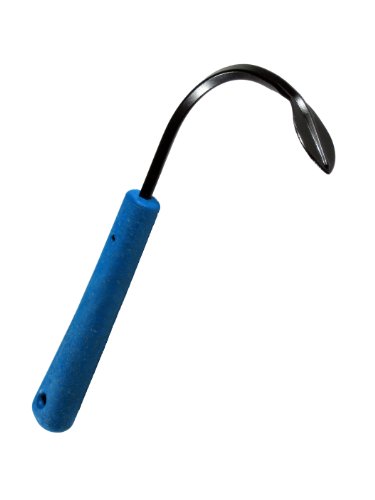
CobraHead Original Weeder & Cultivator (USA Made)

WORKPRO 11.5″ Dandelion Weeder Puller Tool

MASAKIYO Japanese Weeding Sickle (Full Size)

Berry&Bird Garden Hook Crack Weeder

Garden Guru Hand Weeder Trowel with Ergonomic Handle

WORKPRO Dandelion Weeder Puller Tool with Wood Handle

Linatikou Stand Up Dandelion Weeder with Long Handle

WORKPRO Weed Puller Tool with V-Shaped Forks

Niulight Stand Up Weed Puller with 46″ Adjustable Handle

Walensee Weed Puller Tool for Dandelions & Crabgrass
The Strengths Of Each Pick
The CobraHead earns its reputation by tackling the work most short hand tools refuse: packed clay, root-clogged beds, and tenacious taproots that snap off when a flimsy fork tries to pry them loose. Its curved tempered steel head is shaped like a small sickle, letting you slice under a weed, hook the root, and lever the whole thing up in one motion. Compared to the WORKPRO two-prong fork that follows in this list, the CobraHead has a single sweeping edge that breaks into soil sideways rather than punching straight down.
Made in the USA with a recycled plastic handle, it fits both left and right hands comfortably and stays grippy when the soil is damp. For a backyard gardener who splits time between vegetable rows, flower beds, and ornamental borders, this is the single tool that earns the most calluses.
Notable Gains
- Curved blade slices under weeds in heavy or compacted soil
- Single-piece head works for cultivating, not just weeding
- Ambidextrous recycled-plastic handle stays comfortable in damp hands
- Compact size makes it easy to carry in a tool belt or apron
Things To Consider
- Short handle means you still bend or kneel for ground work
- Requires occasional cleaning of soil from the curved blade to keep the edge sharp
Key Specs
Who It Suits Best
Home gardeners who want one reliable hand tool for weeding, cultivating, and transplanting across mixed beds without switching implements every few minutes.
Consider Something Else When
If you have a sprawling lawn and want to stay upright while you work, the Niulight Stand Up Weed Puller with 4-Claw Root Remover is a better match for wide-open turf.
The WORKPRO two-prong fork is the kind of tool you grab when dandelions are scattered across a small lawn and you do not want to drag out a long-handled extractor for every single one. Its polished stainless steel head punches into the soil, opens around the taproot, and lifts the whole plant out cleanly. At 11.5 inches long, it sits comfortably in one hand while the soft PP+TPR handle absorbs the twist when you lever a stubborn root upward.
For a beginner dealing with a modest patch of weeds, this is an approachable entry point without the cost of premium stand-up extractors like the Niulight further down this list.
Notable Upsides
- Two-prong fork grips taproots cleanly to reduce snapping
- Stainless steel resists rust through wet spring work
- Soft-grip handle reduces hand fatigue during repeated pulls
Points To Note
- Short length means kneeling for every weed on larger lawns
- Two narrow tines can clog in dense clay without occasional wiping
Right Fit For
Casual gardeners handling scattered dandelions and thistles in compact yard areas who want a quick hand tool instead of a full stand-up setup.
Swap It Out When
Tackling a larger lawn where constant kneeling becomes exhausting, the Linatikou Stand Up Dandelion Weeder with Long Handle lets you work upright with similar root-gripping geometry.
The Japanese weeding sickle takes a completely different approach: instead of pulling weeds out root and all, it severs them at or just below the soil line with a quick horizontal pull. The high-carbon steel blade holds its edge far longer than typical hardware-store sickles, so you spend more time cutting and less time sharpening. Unlike the CobraHead reviewed earlier, which is built for prying and cultivating, this sickle is built for speed across overgrown patches.
If your problem is thick stands of weeds in unplanted corners, along fence lines, or in dormant beds, this tool clears them in strokes that take seconds each.
What Works In Its Favor
- High-carbon steel keeps a sharp edge through heavy use
- Cuts weeds at the crown quickly without digging them up
- Lightweight full-size design reduces wrist strain on long sessions
- Effective on tough stems that resist pulling
Honest Caveats
- Sharp blade requires careful handling and storage away from children
- Cutting at the soil line can leave roots to regrow in some species
- Not designed for tight spaces like cracks or flower borders
Best Suited To
Experienced gardeners managing overgrown areas where speed and clean cuts beat the slow precision of a hand fork.
A Better Fit Elsewhere
For tidy lawn edges and paver cracks where appearance matters, the Berry&Bird Garden Hook Crack Weeder gives more surgical control.
The Berry&Bird hook weeder is the smallest tool in this lineup and earns its place by solving a problem most extractors ignore: weeds growing in cracks. At 11.2 inches long with an L-shaped single claw, it slips between pavers, slides along curb edges, and drags moss and thatch out of rockeries where a wider fork cannot reach. Compared to the WORKPRO two-prong tool reviewed earlier, this one trades root extraction for precision scraping in tight spaces.
For a homeowner whose driveway and walkways collect weeds faster than the lawn does, this little hook pays for itself the first weekend.
Standout Benefits
- L-shape claw reaches into narrow cracks and joints
- 11.2-inch length fits in a back pocket or apron
- Pulls moss and thatch from rockeries without disturbing stones
- Lightweight steel reduces hand fatigue during detail work
Small Caveats
- Single claw cannot grip thick taproots the way a fork does
- Not built for open-lawn weed clearing at scale
Made For
Homeowners who care about clean hardscape and tight borders more than bulk lawn weeding, and want a precise tool for the spots other extractors cannot reach.
Look Elsewhere When
If your main battle is dandelions scattered across a wide lawn, the CobraHead Original Weeder & Cultivator covers open ground with more authority per stroke.
The Garden Guru trowel blurs the line between weeder, transplanter, and digging knife. Its stainless steel head carries a two-prong fork on one side and a sharpened edge on the other, so the same tool pries dandelions, slices twine, digs planting holes, and edges beds. The ergonomic handle softens the grip for gardeners who spend hours in the dirt. Against the CobraHead earlier in this roundup, it offers more job versatility but less single-task finesse in dense soil.
Anyone who likes one tool that handles five chores will appreciate the consolidation, though it does not specialize in any one task the way a dedicated stand-up puller does.
Everyday Wins
- Two-prong fork plus sharpened edge cover multiple tasks
- Rust-resistant stainless steel holds up to damp storage
- Ergonomic handle eases pressure during long sessions
- Useful for weeding, transplanting, digging, and light cutting
Room For Improvement
- Multi-purpose head is less aggressive than a dedicated sickle or fork
- Wider trowel blade adds weight compared to slim hand forks
Feature Snapshot
Who Should Grab It
Gardeners who want a single compact tool to handle weeding, transplanting, and light digging without juggling a full belt of implements.
Another Choice May Suit
For clearing acres of dandelions without kneeling, the Niulight Stand Up Weed Puller with 4-Claw Root Remover trades versatility for raw coverage.
This WORKPRO weeder is essentially the soft-grip model from earlier in this list, swapped onto a wooden handle for gardeners who prefer a traditional feel. The polished stainless steel fork still drives into the soil, opens around the taproot, and pulls the weed out without breaking it off. The wood handle adds warmth in cool weather and a satisfying heft in the hand, though it does demand more care than plastic to keep from cracking over time.
Where the WORKPRO with the PP+TPR handle leans toward modern convenience, this version leans toward the classic shed aesthetic.
Where It Delivers
- Stainless steel head fights rust through repeated outdoor use
- Wood handle offers a traditional grip and balanced feel
- Two-prong fork pulls dandelions cleanly to limit regrowth
Worth Noting
- Wood handle benefits from occasional oiling to prevent drying or splitting
- Short tool length still requires kneeling on larger jobs
Whose Shelf It Belongs On
Gardeners who appreciate traditional wooden tools and want a familiar-feeling weeder for routine dandelion and thistle work in small to medium beds.
Not Your Match When
If your goal is covering wide turf without kneeling, the WORKPRO Weed Puller with V-Shaped Forks and Metal Leverage Base offers more reach and leverage in the same brand family.
The Linatikou stand-up weeder is built for the day your lawn looks like a dandelion farm and you are not interested in crawling around. Its 13-inch working head drives a sharp V-shaped fork tip into the soil at the base of a weed, and the long handle gives you the leverage to pry the taproot upward without bending. The polished stainless steel resists rust through seasons of wet work. Compared to the Niulight stand-up tool later in this roundup, the Linatikou uses a simpler two-prong fork without a four-claw grabbing head.
For anyone whose knees object to kneeling duty, this is a sensible upgrade from short hand forks.
Useful Strengths
- V-shaped fork tip bites into soil around deep taproots
- Long handle removes the need to kneel or bend for most weeds
- Polished stainless steel resists rust in damp lawns
- Works well in flower beds and open turf alike
Practical Considerations
- Long handle can be unwieldy in tight flower borders
- Requires foot pressure to drive the fork into harder soil
At A Glance
Perfect Match For
Homeowners with large lawns full of deep-rooted dandelions who want effective extraction without spending the day on their hands and knees.
Where Another Pick Suits Better
For a more aggressive claw-style bite in compacted soil, the Walensee Weed Puller with its five-tine manganese head delivers stronger root grip.
The WORKPRO V-shaped weeder earns its spot by adding a curved metal base to the standard two-prong formula. You press the base flat against the ground, drive the fork around the roots, and pull back on the handle to lift the weed with mechanical advantage. The stainless steel resists bending and rust, and the wider stance keeps the tool stable on uneven turf. Relative to the CobraHead reviewed at the top of this list, it trades single-hand agility for two-hand leverage.
For gardeners with stubborn weeds that refuse to break loose with simple pulling, the leverage base turns wrestling into prying.
Positive Takeaways
- Curved metal base adds leverage for tough root systems
- V-shaped fork digs around the root before lifting
- Stainless steel resists rust in damp spring conditions
- Stable base reduces slipping on soft or uneven ground
Less Ideal Details
- Two-handed operation slows down quick spot weeding
- Bulkier than simple forks for carrying in an apron
Right Fit For
Gardeners facing mature, well-rooted weeds who need extra mechanical advantage and are willing to use both hands on each pull.
Reach For A Different Pick When
Working tight borders or raised beds, the shorter WORKPRO Dandelion Weeder Puller with Wood Handle gives better close-quarters control.
The Niulight stand-up weeder is built around one promise: never bend or kneel again. Its 46-inch adjustable handle sets the working height to match yours, while the four-claw head at the base bites into the soil, grips the root, and pulls the entire weed out as you draw the handle upward. Heavy-duty steel construction handles the leverage without flexing. Against the Linatikou stand-up model earlier in this roundup, the Niulight upgrades from a simple V-fork to a four-claw grabber that catches the root from multiple angles.
For anyone whose back or knees has had enough of lawn work, this is the most ergonomic upgrade on the list.
Noteworthy Benefits
- Four-claw head grips roots from multiple angles for clean extraction
- 46-inch adjustable handle fits a wide range of user heights
- Heavy-duty steel frame stands up to repeated leverage pulls
- Removes the need to kneel or bend during lawn work
Some Limits To Know
- Foot pressure required to drive claws into hard or compacted soil
- Long handle is awkward to store in small sheds or hang on narrow walls
Quick Facts
Who Will Love This
Homeowners with chronic back or knee issues, or anyone with a half-acre of turf who wants to weed without spending the day on the ground.
A Better Fit Elsewhere
For precision work between pavers or in tight flower borders, the Berry&Bird Garden Hook Crack Weeder offers the control a long-handled tool cannot.
The Walensee weeder closes out this list with the most aggressive head design on the page. Its five-tooth configuration maximizes soil contact and penetration, while 2.5mm thick manganese steel resists bending and breaking under heavy use. Reinforced welding at the stress points adds durability for gardeners who intend to make this a multi-season workhorse. Against the four-claw Niulight reviewed just above, the Walensee offers one more gripping point and a heavier-gauge steel build.
For shoppers who want a tool built like it will outlast the decade, this one sets the bar.
Benefits That Matter
- Five-tine head maximizes root contact and penetration
- 2.5mm thick manganese steel resists bending under heavy pressure
- Reinforced welding at stress points extends working life
- Handles dandelions, thistles, and crabgrass in varied soils
Trade-Offs To Consider
- Heavier steel construction adds weight during long sessions
- Aggressive head may damage shallow-rooted ornamentals nearby
The Right Fit
Heavy-use gardeners who want a long-service-life weeder for tough weeds in compacted or rocky soil and are willing to handle a bit of extra weight.
Skip It When
Working in delicate flower beds or close to shallow-rooted plants, where the CobraHead Original Weeder & Cultivator offers more surgical control with less collateral root damage.
Choosing The Right Tool For Your Yard Size And Soil
Match The Tool to Your Working Height
Kneeling works for small beds, but a half-acre of turf quickly punishes your knees and back. Stand-up extractors like the Niulight and Linatikou let you work upright, while short hand tools like the CobraHead and WORKPRO forks keep you close to the soil for detail work. Pick based on how much ground you cover per session, and remember that adjustable handles fit a wider range of heights for shared use among family members.
Think About Soil Type Before Choosing
Sandy or loamy soil gives way easily under any fork, so a basic two-prong tool is enough. Clay or compacted soil demands a sharp tip and real leverage, which is where V-shaped forks, four-claw heads, and curved leverage bases earn their keep. Rocky soil benefits from thicker steel like the Walensee’s manganese construction, which resists bending when it meets an unexpected stone.
Decide Between Pulling and Cutting
Some gardeners prefer to pull weeds out root and all to prevent regrowth, while others prefer to slice them at the crown for speed. Root extraction tools include the CobraHead, WORKPRO forks, and the stand-up extractors. Cutting tools like the Japanese sickle work faster but may allow regrowth from surviving roots. The right choice depends on your tolerance for follow-up work.
Factor In Storage and Maintenance
Long-handled tools need wall space or a corner in the shed, while short hand tools fit in a bucket or apron. Wooden handles like the WORKPRO wood-handle weeder need occasional oiling to prevent drying. Stainless and manganese steel heads resist rust through damp storage but still benefit from a wipe-down before you put them away for the season.
Key Considerations Across These Picks
Pitfalls Shoppers Hit
Picking the cheapest short fork for a large lawn is the most common mistake, because the work multiplies fast across hundreds of square feet. Shoppers also underestimate how often they will be bending over a short-handled tool, only to regret it after an hour. Buy for the scale of your yard, not the price of the smallest unit on the shelf.
Where The Extra Money Goes
Higher-tier tools buy thicker steel, sharper factory edges, and longer-handle ergonomics that compound across hundreds of pulls. The Walensee’s manganese build and the Niulight’s four-claw head are upgrades that pay off when you have heavy use, compacted soil, or physical limitations. The base models in this roundup are perfectly capable for light weekend duty, but the premium picks remove the daily friction that makes weeding feel like punishment.
Frequently Asked Questions
What Is The Fastest Way To Weed A Large Area?
For speed across big lawns, stand-up extractors with four-claw or V-shaped heads clear weeds fastest while keeping you upright. Cutting tools like the Japanese sickle move even faster but leave roots to regrow.
How Do I Stop Weeds From Coming Back After Pulling?
Pull the entire root system, not just the leaves, and remove weeds before they set seed heads. Taproot weeds like dandelions need the full root extracted, which is why forked tools outperform flat blades.
Are Stand-Up Weeders Worth It For Big Yards?
Stand-up weeders save significant back and knee strain across large areas, and the four-claw designs grip roots more reliably than simple forks. They cost more and require foot pressure, but the time savings add up quickly.
Can Manual Weeders Handle Tough Clay Soil?
Manual weeders with sharp V-shaped tips and leverage bases handle clay better than flat forks, though they require more downward force. Thick-gauge steel heads like manganese resist bending when the soil resists.
How Should I Clean And Store Weed Puller Tools?
Wipe soil off the head after each session and dry metal parts before storing to prevent rust. Wooden handles benefit from a light coat of linseed oil once a season to prevent drying and cracking.
Closing Remarks
A large yard only stays large in your mind once you have the right tool in your hand. Short forks, stand-up claws, hooks, and sickles each cover a different corner of the job, so a small toolkit often beats one expensive specialty purchase. Match the tool to your soil, your body, and the kind of weeds you actually fight, and the chore shrinks to something you can finish before lunch.
