The first warm evening on the patio usually arrives with a quiet downside: mosquitoes, gnats, and flies moving in just as you light the grill. Fogging insecticides cut that scene short by blanketing a yard or a closed room with a fine mist that reaches the corners sprays miss. The picks below cover outdoor propane foggers, indoor total-release cans, and refillable concentrates that pair with your own sprayer, so you can match the format to your space and pest pressure.
The Main Contenders
PickWhy We Picked ItBest ForAction

DIY Adapter Pick
Mosquito Sniper Mist-PRO Universal Adapter Kit
Converts a leaf blower to fogger
DIYers with a blower

Value Pick
Black Flag Outdoor Fogging Insecticide 64 oz, Pack of 3
Three-bottle outdoor supply
Large yard coverage

Multi-Use Pick
Agrisel Bifenthrin Pro 7.9 Insecticide 1 Gallon
Broad-spectrum concentrate
Lawn and perimeter work

Outdoor Ready
Repel 190397 Propane Insect Fogger (Yellow)
Propane-powered thermal fog
Backyard parties and campsites

Professional Pick
Talstar One Insecticide 1 Gallon Concentrate
Bifenthrin concentrate, 75+ pests
Perimeter and structure defense

Indoor Essential
Raid Max Fogger for Indoor Use 6.3 oz
Total-release indoor formula
Big-room infestations

Workshop Pick
ULD BP-100 Fogging Concentrate 1 Gallon
Pyrethrin-based, broad target list
Barns, shops, and stored-product pests
Everyday Favorite
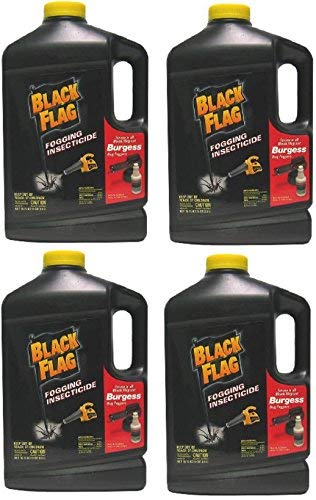
Black Flag Outdoor Fogging Insecticide
Straightforward outdoor refill
Casual yard maintenance

Pet Household Pick
PetraMax Miracle Outdoor Mosquito Spray 1 Gal
Plant-oil concentrate, kid- and pet-friendly
Backyards with kids and pets
Heavy Duty Pick
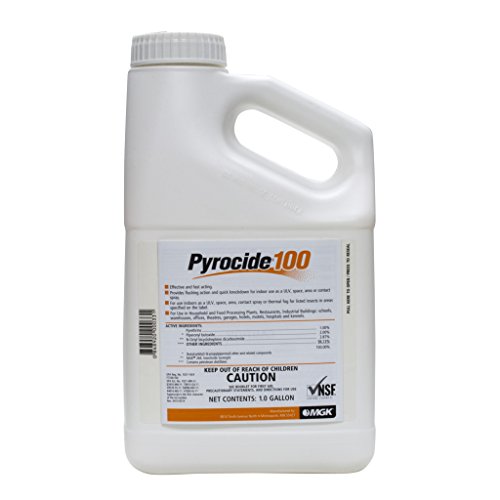
MGK Pyrocide 100 128 oz Concentrate
Commercial-grade pyrethrin fogging
Large properties and pros
A Deeper Look At The Lineup
The Mist-PRO kit flips the usual fogger question on its head. Instead of buying a dedicated thermal fogger, you snap this adapter onto a standard leaf blower and a tank sprayer, and the combo turns into a backpack-style fogger in seconds. That kind of upcycling appeals to anyone with tools already cluttering the garage.
It is built around the flea, tick, and mosquito crowd, which lines up with what most suburban yards actually fight. The reach depends heavily on the blower you pair it with, so renters with a lightweight electric model should expect a shorter throw than someone running a gas backpack blower.
Real Benefits
- ✓Uses gear you likely already own, skipping a dedicated fogger purchase
- ✓Targets the pest trio that frustrates most outdoor gatherings
- ✓Setup is quick enough to pull out for a single evening event
Things To Consider
- •Performance tracks closely with the blower and tank sprayer you attach
- •You supply the insecticide solution separately, so the total cost adds up across two products
Best Suited To
DIYers who already own a leaf blower and want fogger capability without buying a second machine.
Consider Something Else When
Homeowners who want an all-in-one setup should reach for the Repel 190397 Propane Insect Fogger instead, since it ships ready to run.
A three-pack of 64 oz bottles turns one fogging session into a season of refills. Black Flag is a familiar name in this space, and the formula is intended for outdoor foggers rather than indoor total-release cans, so the chemistry and droplet size are tuned for open-air application.
For households that fog every few weeks through summer, the bulk format removes the nagging feeling of running out mid-treatment. The 5,000 square foot coverage claim gives a workable yard-size reference, though actual range depends on your fogger’s output.
What Earns Its Place
- ✓Bulk format suits multi-month outdoor routines
- ✓Outdoor-tuned formula pairs with most consumer foggers
- ✓Coverage guidance makes yard-size planning easier
- ✓Reduces the number of reorders across a season
Worth Noting
- •Outdoor use only, not a substitute for indoor total-release fogging
- •Requires a compatible fogger unit you already own or need to buy
Made For
Shoppers with a larger lot and an existing fogger who want a multi-bottle supply on hand.
Look Elsewhere When
Apartment dwellers with an indoor roach or ant issue should look at the Raid Max Fogger for Indoor Use instead.
Bifenthrin concentrates sit in a different lane than ready-to-fog cans. You dilute this gallon with water and feed it through your own pump or backpack sprayer, which gives you control over droplet size and dose rather than trusting a fixed aerosol. Agrisel markets the formula across lawn, ornamental, and structural settings.
The “Pro 7.9” label refers to the 7.9 percent bifenthrin concentration, a level common in professional pest control. That potency means careful measurement matters, especially around kids, pets, and pollinator-friendly plants. Owners commonly report reading the label twice before the first mix.
Benefits That Matter
- ✓Broad-spectrum coverage suitable for lawn and perimeter use
- ✓One gallon stretches across multiple treatments when diluted properly
- ✓Plays well with standard pump and backpack sprayers
Trade Offs
- •Mixing math and PPE add a learning curve for first-time users
- •Storage of a full gallon calls for a cool, dry, locked spot away from kids and pets
Right Fit For
Homeowners with multiple problem zones, from lawn edges to foundation lines, who already own a sprayer.
A Better Fit Elsewhere
Pet households wary of synthetic pyrethroids should reach for the PetraMax Miracle Outdoor Mosquito Spray instead.
The Repel 190397 is one of those rare products that does one thing very well. A propane cylinder heats the liquid, the auto-start button fires the burner, and a 10-foot cone of fog rolls out across the deck or campsite. It runs a full 40 oz reservoir per fill, with enough reach to clear a typical suburban yard in minutes.
Think of it less as a tool and more as a piece of event gear. You pull it out before a backyard barbecue, fog the perimeter, and pack it away. Compared to a refillable concentrate, the trade is convenience for ongoing cost, since the propane tank is on you.
The Practical Payoff
- ✓Auto-start removes the ignition hassle of older thermal foggers
- ✓Lightweight enough to carry between the yard and a campsite
- ✓Reaches corners where spray bottles and hoses miss
- ✓Same general system professionals use for outdoor events
Room For Improvement
- •Propane cylinder sold separately adds a small extra step
- •Thermal foggers need basic post-use cooling before storage
Best Suited To
Hosts who run regular backyard parties or campers who want a portable fogger for the trip.
Not Your Match When
Shoppers focused on long-term perimeter defense should pivot to the Talstar One Insecticide 1 Gallon concentrate.
Talstar has been a fixture on pest control trucks for years, and the one-gallon concentrate puts that same professional chemistry in homeowner hands. Bifenthrin at this concentration tackles more than 75 labeled pests, from spiders and ants to fleas, ticks, and mosquitoes, which is why perimeter sprays around foundations and garages are the textbook use case.
The one-gallon size makes more sense for a full season of perimeter work than a single-event fog. Compared to the Agrisel concentrate reviewed earlier, you trade a slightly different label set for a longer-standing professional track record, though mixing and PPE still apply.
Positive Takeaways
- ✓Multi-pest label covers the common culprits in one product
- ✓Suitable for indoor and outdoor structural treatments
- ✓Concentrate stretches across an entire season of perimeter work
- ✓Plays well with standard pump sprayers
A Few Limitations
- •First-timers should expect to study the dilution chart before pouring
- •Strong chemistry means keeping pets and kids off treated surfaces until dry
Who Should Grab It
Homeowners comfortable measuring concentrates who want broad pest coverage across the whole property.
Swap It Out When
Anyone uneasy about synthetic pyrethroids near kids or pets will find a softer alternative in the PetraMax Miracle Outdoor Mosquito Spray.
Indoor fogging is its own category, and Raid Max is the most familiar face in it. One 6.3 oz can treats up to 7,000 cubic feet, roughly a 25 by 35 foot room with an 8 foot ceiling, which covers a large basement or open living area in a single shot. The “deep reach” angle is that the mist penetrates cracks and voids where roaches and ants hide.
Owners commonly report planning a full day around a fogging event: cover or remove pet dishes, hit the button, leave the house, and air it out on return. Compared to outdoor picks like the Repel propane fogger, this is closer to a one-shot reset than a recurring tool.
Useful Strengths
- ✓Single-can coverage for a large room or small apartment
- ✓Penetrates hidden cracks where surface sprays miss
- ✓No residue left behind on treated surfaces
- ✓No sprayer or mixing required
Points To Note
- •Requires vacating the home during the treatment window
- •Pet dishes, food, and aquarium covers need removal before fogging
Perfect Match For
Renters and homeowners facing a sudden indoor roach or ant outbreak in a single large room.
Another Choice May Suit
Anyone chasing outdoor perimeter defense will get more mileage out of the Talstar One Insecticide 1 Gallon concentrate.
ULD stands for ultra-low-dose, and that framing hints at the use case. This is a concentrate you feed through a ULD fogger in enclosed commercial spaces, think warehouses, barns, food storage areas, and greenhouses. The active ingredient is 1 percent pyrethrins paired with piperonyl butoxide (PBO), a common synergist that boosts the knockdown effect.
The label reads like a who’s-who of stored-product pests: Indian meal moths, cigarette beetles, granary weevils, and the rest. That makes it overkill for a porch and exactly right for someone fighting moths in a grain bin or flies in a stable.
What Helps Most
- ✓Targets stored-product and flying pests that ruin pantries and feed
- ✓Concentrate format fits recurring commercial routines
- ✓Pyrethrin base breaks down quickly, which matters around food storage
- ✓Works with standard ULD cold foggers
Honest Caveats
- •Requires a ULD-compatible fogger, not a thermal or aerosol unit
- •Enclosed-space use demands strict ventilation planning
The Right Fit
Farmers, shop owners, and homeowners with serious pantry or barn pest issues.
Reach For A Different Pick When
Casual backyard use fits the Repel 190397 Propane Insect Fogger better than a stored-product concentrate.
Not every yard needs a three-bottle supply or a commercial concentrate. The single-bottle Black Flag Outdoor Fogging Insecticide sits in the middle, sized for the household that fogs before a few summer gatherings and then shelves the bottle until next year.
It feeds the same Black Flag outdoor fogger many people already own, which removes any compatibility guesswork. The trade is simple: less bulk than the three-pack, but a more approachable size for a smaller yard or first-time fogger.
The Value In It
- ✓Right-sized bottle for occasional outdoor fogging
- ✓Pairs with the Black Flag fogger many owners already have
- ✓Outdoor formula, no mixing or measuring
Small Caveats
- •Smaller format means reordering more often for active users
- •Requires a compatible fogger unit, sold separately
Whose Shelf It Belongs On
Casual homeowners who want a no-fuss refill for occasional backyard use.
Where A Sibling Pick Shines
Anyone running fogging sessions every few weeks should size up to the Black Flag 64 oz three-pack for fewer reorders.
PetraMax takes the synthetic-pyrethroid crowd out of the equation. The concentrate blends lemongrass, citronella, castor, and thyme oils, which puts it in the plant-based category rather than the chemical-warfare end of the market. The one gallon dilutes to roughly 32 gallons of finished spray, which is a meaningful volume for a season of yard treatments.
Plant-based does not mean zero effort, and you still need a fogger or pump sprayer to apply it. Compared to the Talstar concentrate reviewed earlier, you trade raw knockdown power for a much friendlier profile around kids, pets, and gardens.
Practical Pluses
- ✓Plant-oil formula reads as a softer choice for pet households
- ✓One gallon concentrates into 32 gallons of finished spray
- ✓Pleasant scent compared to traditional chemical fogs
- ✓Pairs with most consumer foggers and pump sprayers
What To Weigh
- •Plant-based knockback is typically shorter than synthetic pyrethroids
- •Requires your own fogger or sprayer, since it ships as concentrate
Built With In Mind
Families with curious dogs or toddlers who want outdoor mosquito control without the heavier chemical load.
Skip It When
Homeowners chasing fast knockdown of a heavy infestation will get more from the Talstar One Insecticide 1 Gallon concentrate.
Pyrocide 100 is a familiar name in professional pest control, and the 128 oz jug is the consumer-facing tip of that iceberg. Pyrethrin-based concentrates like this one are common in commercial fogging rigs, so reaching for it at home puts professional-grade chemistry in a homeowner-sized container.
The bigger size and the pyrethrin base mean you should plan around label-driven mixing ratios. Compared to the ULD BP-100 reviewed earlier, this is a heavier-duty concentrate with a more flexible use profile, though it still calls for proper PPE and ventilation in enclosed spaces.
Standout Benefits
- ✓Professional pyrethrin blend in a homeowner-friendly jug size
- ✓Large volume supports a full season of recurring treatments
- ✓Versatile across indoor and outdoor fogging applications
- ✓Works with ULD cold foggers and similar equipment
Less-Strong Areas
- •Mixing precision matters more than with ready-to-fog cans
- •Strong chemistry means pets and kids stay clear of treated spaces until dry and ventilated
Who Will Love This
Homeowners managing large properties who want professional-grade chemistry on their own schedule.
Where Another Pick Suits Better
Casual users fogging before a few summer barbecues will find the Repel 190397 Propane Insect Fogger a friendlier entry point.
Picking Fogging Insecticides That Actually Fit Your Yard
Match the format to the space before you compare brands. Outdoor thermal foggers like the Repel propane unit work well for parties and campsites because they treat wide areas fast, but they are overkill for a single patio. Indoor total-release cans, including the Raid Max Fogger, belong in a single closed room where you can leave the house for a few hours. Concentrates such as Talstar One and the PetraMax blend are the long-game choice for property-wide perimeter and lawn work, assuming you already own a sprayer.
Active ingredient tells you a lot about the experience. Pyrethrins, the natural extracts found in ULD BP-100 and Pyrocide 100, knock down fast and break down quickly, which is why they are common in food-handling areas. Bifenthrin, the synthetic pyrethroid in Talstar and Agrisel, sticks around longer on surfaces and suits perimeter defense. Plant-oil blends like PetraMax are the gentler end of the spectrum, useful around kids and pets, though the trade-off is a shorter effective window.
Coverage numbers help you avoid under-buying. Black Flag’s 5,000 square foot label is a useful yard-size reference, and the Raid Max 7,000 cubic foot spec tells you a single can handles an oversized living room. When in doubt, slightly oversize the bottle or jug so you are not mixing a second batch halfway through.
Practical ownership usually decides the winner. Propane foggers need a spare tank and basic post-use cooling. Concentrates demand a cool, dry storage spot away from kids and pets, and they reward a quick read of the label before the first mix. Indoor foggers are one-shot resets, so the cost-per-event matters more than long-term storage.
Key Considerations Across These Picks
Where Shoppers Go Wrong
The most common mistake is grabbing an outdoor formula for an indoor job, or vice versa. Outdoor fogging concentrates are tuned for open-air dilution and can over-medicate a closed room, while indoor total-release cans are sized for a single enclosed space and waste product in a yard. Reading the label for “indoor” or “outdoor” use takes about ten seconds and saves a return trip.
A second slip is underestimating the gear behind the bottle. Concentrates need a sprayer, thermal foggers need a propane tank, and indoor cans need a room you can vacate. Building the full cost into your decision, not just the price of the refill, keeps the experience from souring on day one.
When Paying More Pays Off
Higher-tier products in this category usually earn their keep through active-ingredient quality, label breadth, and container size. A gallon of Talstar or Pyrocide costs more than a single aerosol can, but the per-treatment cost drops sharply once you dilute across a season. You also get access to multi-pest labels, which lets one product cover spiders, ants, mosquitoes, and fleas instead of buying a specialty can for each.
The upgrade is worth it for households treating more than one or two events a year, or anyone running a larger property where the per-application cost is the real metric. Casual users fogging before a single summer cookout will do just fine with a ready-to-use format and should save the concentrate dollars for next season.
Frequently Asked Questions
QWhat is the difference between a thermal fogger and a ULD fogger?
A thermal fogger uses heat, usually from propane, to vaporize the solution into a visible cloud. A ULD (ultra-low-dose) fogger is unheated and produces a finer, nearly invisible mist, which is preferred in enclosed commercial spaces because the droplets stay suspended longer and leave less residue.
QCan I use outdoor fogging insecticide indoors?
No. Outdoor concentrates are formulated for open-air dilution and can over-concentrate in a closed room, posing a risk to people and pets. Indoor products like the Raid Max Fogger are designed for enclosed-space use and include specific re-entry times on the label.
QHow long does a fogging treatment last outdoors?
Most outdoor fogging treatments provide a few hours of relief during the application window, though perimeter sprays with residual insecticides can last several weeks on surfaces. Plant-oil blends typically have the shortest residual window, while synthetic pyrethroids tend to last longer on treated areas.
QDo I need a separate fogger machine to use these products?
It depends on the format. Ready-to-use cans like the Raid Max Fogger are self-contained, while concentrates such as Talstar, PetraMax, and Pyrocide 100 require a compatible sprayer or fogger. Thermal units like the Repel propane fogger are sold as a complete unit.
QIs fogging safe around kids and pets?
Safety depends on the active ingredient and the format. Plant-oil blends like PetraMax are the friendlier option, while synthetic pyrethroids require keeping kids and pets off treated surfaces until dry. Indoor total-release cans always require vacating the home during treatment and airing it out before re-entry.
Bottom Line
Your space and pest pressure should drive the format, not the brand. A single backyard party, a season of perimeter defense, and a sudden indoor roach outbreak each call for a different tool, and the list above covers all three. Pick the format first, then match the active ingredient to your tolerance for synthetic chemistry, and the right fogging insecticide usually becomes obvious.


