

Putting in a fall food plot is one of the highest-leverage moves a hunter can make before rifle season opens. The right seed blend pulls deer into a predictable pattern during the early rut, then keeps them coming back when natural forage thins out. The wrong blend leaves you with bare ground, wasted money, and a herd that walks right past your stand.
This lineup focuses on cool-season blends built for fall planting, with a few no-till and remote-plot options mixed in for tight properties. Every pick comes from a brand with a long track record in food-plot seed, and each one is matched to a specific scenario you’ll recognize from your own hunting land.
An Overview Of The Picks

Evolved Harvest 7 Card Stud Adaptive Food Plot Seed

Whitetail Institute No-Plow Deer Food Plot Seed

Whitetail Institute FUSION Deer Food Plot Seed

Whitetail Institute Winter-Greens Deer Food Plot Seed
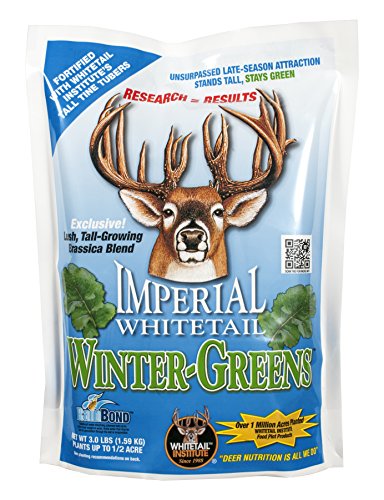
Whitetail Institute Winter-Greens Deer Food Plot Seed
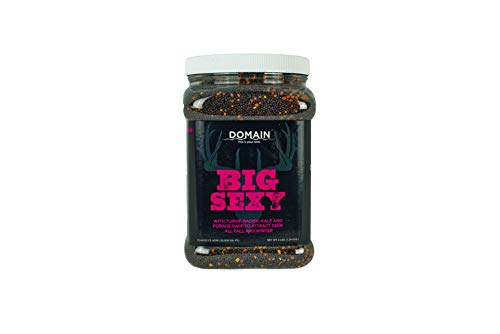
Domain Outdoor Big Sexy Food Plot Seed

Whitetail Institute Secret Spot Deer Food Plot Seed
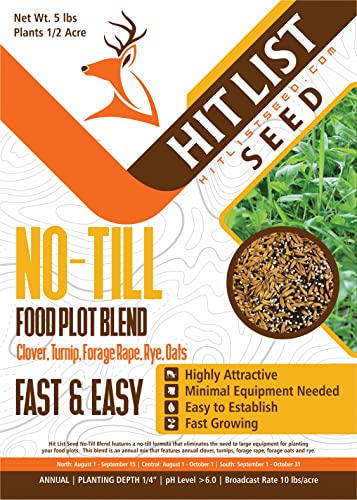
Hit List Seed No Till Food Plot Annual Mix

Hit List Seed No Till Annual Mix 10 lbs

Whitetail Institute Beets & Greens Food Plot Seed
A Deeper Look At The Lineup
Most fall blends specialize in either brassicas or cereal grains, but 7 Card Stud leans into a seven-species mix that covers more of the calendar. Triticale, oats, winter peas, clover, chicory, turnip, and radish all share the same bag, which means the plot matures in waves rather than peaking and dying off in one bite.
For land managers juggling a single plot on a small property, that staggered growth is the real story. The grains hold deer early while brassicas (members of the cabbage family, bred for leafy, sugar-rich forage) and clovers carry the load later. Available in 10-pound single bags and a three-pack, the format works for half-acre hidey-holes and two-acre destination plots alike.
Where It Excels
- Seven species keep something green and palatable from early archery through late muzzleloader
- High-protein profile supports body condition and antler growth on a balanced herd
- Adaptable to a wide range of climates and soil types, so northern and southern plantings both work
- Multi-pack format suits properties where you’re staggering plantings across two or three plots
Things To Consider
- With seven species, the bag costs more than a single-component brassica blend, so tight budgets may feel the pinch
- Owners commonly report that consistent rainfall during establishment improves results more than with hardier brassicas
Key Specs
Who It Suits Best
Land managers running a single destination plot who want one bag to handle the entire fall calendar without reordering mid-season.
Where Another Pick Suits Better
For remote plots you can only reach on foot, the Whitetail Institute No-Plow blend handles the no-till workflow more reliably.
No-Plow earns its name by skipping the tractor step entirely. If your spot only gets three to four hours of direct sun a day and sits behind a locked gate, this blend was designed for that exact headache.
The 9-pound bag covers about half an acre, and the seed germinates fast enough that you’ll see green shoots within a couple of weeks under reasonable moisture. It’s a high-protein annual that can stretch attraction through most of the hunting season, which makes it a strong fit for secluded plots that get a single annual visit.
Everyday Wins
- Broadcast-and-go workflow, no disking or tilling required for established soil
- Handles partial shade and rough ground that wouldn’t support a worked plot
- Fast germination gives you a usable plot in a few weeks, not months
- Annual formula simplifies rotation since the plot resets each year
Worth Noting
- For thick sod or recently mowed grass, you’ll still need to expose soil for solid seed-to-soil contact
- Smaller bag footprint suits half-acre plots best, so larger acreage gets pricey fast
Made For
Public-land hunters and small-property owners planting a back-forty kill plot they can only reach by ATV or boot.
Swap It Out When
If your plot already has tilled soil and you want long-term clover and chicory, the Whitetail Institute FUSION blend is a smarter long-term play.
FUSION pairs the Whitetail Institute’s flagship clover with WINA perennial chicory, a deep-rooted forb that keeps producing when shallow-rooted plants quit. The result is a perennial (a plant that returns for multiple growing seasons without replanting) blend that holds up through summer heat and winter cold in equal measure.
Where the brassica blends in this list are pure fall fire-and-forget, FUSION behaves like a long-term investment. Plant it once, manage it well, and it pays dividends across multiple hunting seasons. The 3.15-pound half-acre bag suits a smaller destination plot, while the 9.25-pound version stretches across one and a half acres for bigger properties.
Noteworthy Benefits
- Heat, cold, and drought tolerance broaden the planting window and the geographic range
- Perennial growth eliminates the annual reseeding chore
- Chicory’s deep taproot (a long central root that reaches far below surface moisture) mines moisture other forages can’t reach during dry spells
- High-protein clover supports does and bucks through the stress of the rut
Trade Offs
- Perennial establishment takes longer than a brassica plot, so year-one attraction lags a fall annual
- Soil pH (a measure of acidity or alkalinity on a 0-14 scale) often needs liming to keep clover thriving, adding a separate step most beginners skip
Feature Snapshot
Right Fit For
Landowners building a multi-year destination plot who can handle soil prep and want a single planting to carry several seasons.
Look Elsewhere When
Late-season hunters chasing cold-weather brassica attraction should pick Whitetail Institute Winter-Greens for the dedicated freeze-down feed.
Winter-Greens is what most food-plotters picture when they think “brassica plot”: leafy greens that stand tall under snow and keep pulling deer when acorns and soybeans are gone. The 3-pound half-acre bag suits tight hunting plots where every square foot has to pull its weight.
The blend pairs a proprietary brassica base with a measured dose of Tall Tine Turnip, a Whitetail Institute-bred variety that holds its structure above the snow line. That structural integrity matters more than most beginners realize, since buried forage is invisible to deer in deep snow.
Real Benefits
- Stays green and accessible through hard frosts and snowfall
- Drought tolerance keeps the plot alive when late-summer rains skip your county
- Half-acre bag is the right size for a hunt-club kill plot
- Late-season sugar content spikes after frost, which is exactly when deer crave it most
Honest Caveats
- Annual formula means yearly replanting and fresh soil prep each August
- Brassica plots can turn bitter if deer ignore them early, so a mow or replant decision may come up in year two
Best Suited To
Northern hunters targeting the late rut and post-rut when acorns are gone and snow is on the ground.
Consider Something Else When
For southern properties with mild winters, the Domain Outdoor Big Sexy blend delivers similar brassica power with varieties tuned for warmer climates.
Same Winter-Greens genetics, scaled up to a 12-pound bag that covers roughly two acres. For landowners running bigger destination plots, the bulk format means fewer bags to handle and more consistent coverage across the entire field.
The larger footprint is the only meaningful difference from the half-acre version. Coverage rate stays the same, the brassica mix is identical, and the Tall Tine Turnip component carries the same snow-stand performance that makes this blend a go-to for late-season hunters in cold climates.
Useful Highlights
- Two-acre coverage is well-matched to lease properties and large private tracts
- Less per-bag handling when you’re broadcasting across a wide opening
- Cold-tolerant brassicas extend attraction well past the first hard frost
Some Limits To Know
- You need the equipment or labor to prep and seed two acres in a single planting window
- Bulk bags are heavier and harder to transport into remote plots without an ATV or tractor
- Annual reseeding still applies, so the workload repeats each fall
Feature Card
Who Will Love This
Big-property landowners and hunting clubs with the equipment to plant and maintain a multi-acre brassica destination.
Reach For A Different Pick When
Smaller properties are better served by the Hit List Seed No Till Annual Mix, which handles modest acreage on a tighter budget.
Big Sexy leans into a four-species brassica blend (turnip, radish, kale, forage rape) that hits the high-protein, high-energy profile bucks need through the antler-hardening window. The 3-pound jug covers half an acre, and the resealable container is a small but real convenience for anyone who’s fumbled a torn paper bag across a muddy plot.
Where many brassica blends skew toward single varieties, the kale and forage rape components add leafy volume that holds up when bulbs have been grazed down. The sweet taproots from turnip and radish still anchor the plot, but the surface forage keeps deer feeding longer each visit.
What Helps Most
- Leafy bulb-producing forage (plants that grow both edible leaves above ground and a swollen root below) handles heavy grazing better than bulb-only brassicas
- Resealable jug simplifies storage between plots or for partial bags
- Fast germination shortens the wait between planting and first browse
Where It May Fall Short
- Half-acre bag means you’ll need multiple jugs for larger destination plots
- Annual formula requires fresh planting each year, with no carryover growth
Perfect Match For
Landowners focused on antler growth and herd health who want a brassica plot that combines leafy and bulb forage in one bag.
Skip It When
Hunters in deep-snow country should consider the Whitetail Institute Winter-Greens blend, which is tuned for taller stand-through-snow performance.
Secret Spot is built for the smallest, most tucked-away plots on a property. Think logging roads, hinge-cut hidey holes, and the back corners of a food plot that aren’t worth a tractor pass. The blend pulls together twelve forage varieties, which is a lot of genetic diversity for a tiny footprint.
The seed includes a soil pH booster, which matters more than it sounds for a micro-plot. Slightly acidic soil is the norm in many timbered corners, and brassicas and clovers both struggle below a 6.0 pH. That packet of included buffer can be the difference between a thriving pocket plot and a bare dirt patch.
The Value In It
- Hand-tool planting is realistic, no tractor or tiller required
- Twelve-species blend offers genuine biodiversity in a small footprint
- Included pH buffer forgives acidic soils common in timbered plots
- Pulls deer into a stand site that sees almost no human pressure
Points To Note
- Not designed for areas you can reach with full-size equipment, so the seed rate is optimized for tiny plots only
- Annual composition means reworking the same pocket each fall
Who Should Grab It
Hunters who manage a stand site in a back corner or a logging road and want a true low-impact micro-plot to hold deer closer to their tree.
Another Choice May Suit
For larger hidden plots, the Whitetail Institute No-Plow blend covers more acreage while still skipping the tillage step.
Throw-and-grow blends are the easiest entry point into food plotting, and Hit List Seed’s annual mix stacks five common forage species into one bag: crimson clover, purple top turnips, forage brassica, forage oats, and rye. The “no plow” branding means you can broadcast over a scraped, exposed seedbed without dragging equipment across the property.
The 5-pound bag is sized for smaller first-time plots, which keeps the cost of mistakes low while you learn timing, seed-to-soil contact, and rainfall patterns on your land. The species mix covers the same protein-and-energy profile most food-plotters chase in a fall blend.
Strengths Worth Knowing
- Five-species blend covers deer dietary needs across early and late season
- Minimal equipment needed, just a rake, a spreader, and a rain forecast
- Quick germination shortens the wait between planting and first attraction
A Few Limitations
- Without tilling, the seed competes with thatch and existing vegetation, so a clean seedbed matters more than the bag suggests
- Annual formula means starting over each fall, with no carryover into year two
- Generic brassica genetics won’t outperform a tuned cultivar in peak attraction
Quick Facts
The Right Fit
First-time food-plotters who want a forgiving blend that germinates fast and tolerates a less-than-perfect seedbed.
A Better Fit Elsewhere
Hunters managing bigger destination plots with established equipment should look at the Whitetail Institute Winter-Greens 12-pound bag for tuned brassica performance.
Same five-species formula as the 5-pound bag, scaled into a 10-pound sack for slightly larger plantings. For a small-property hunter who needs to cover a half-acre or more without breaking the bank, this is the format that makes the most practical sense.
The blend keeps the same throw-and-grow convenience, so the workflow doesn’t change between bag sizes. The cost-per-acre math works out better at the 10-pound size, which matters when you’re planting a single plot from your own pocket rather than a club budget.
Bright Spots
- Bulk format lowers the cost per acre compared to the 5-pound option
- Same five-species diversification as the smaller bag
- Works on rough ground, old logging decks, and reclaimed fire lanes
Less Ideal Details
- No-till performance depends heavily on rainfall within a week of planting
- Lacks a soil pH buffer, so acidic sites may need separate lime applications
- Annual reseeding required each fall to maintain attraction
Whose Shelf It Belongs On
Small-property hunters on a tight budget who want a single bag to cover a quarter-acre to half-acre throw-and-grow plot.
Not Your Match When
Land managers running an established tilled plot should reach for the Whitetail Institute FUSION blend for a perennial upgrade.
Beets & Greens leans hard into sugar, with a proprietary kale, turnip, and radish base sweetened by sugar beet genetics that pull double duty as both browse and a high-energy late-season snack. The 3-pound bag covers half an acre, sized for a single kill plot or a supplemental patch in a bigger field.
The sugar beet component is what separates this from a generic brassica blend. On high-pressure public land where deer have seen every fall planting trick, a touch of genuine sugar in the soil profile can pull older bucks off the same trails they’ve walked all year.
Positive Takeaways
- Sugar beet component delivers a sweetness profile most brassica blends can’t match
- Multi-variety blend supports both leafy browse and bulb grazing
- Half-acre format suits a focused kill plot rather than a sprawling field
Practical Considerations
- Sugar beets are heavy feeders, so deficient soils may need a fertilizer boost beyond a standard planting
- Annual formula means fresh seed and fresh prep each fall
Built With In Mind
Hunters on heavily pressured public land or tight private parcels where a sugar-loaded brassica plot gives them a real edge.
Where A Sibling Pick Shines
For larger acreage or more forgiving soil, the Whitetail Institute Winter-Greens 12-pound bag delivers a similar brassica profile at greater scale.
Picking The Right Fall Blend For Your Property
The smartest fall food plot starts with a clear answer to two questions: how much sunlight the spot gets, and how much equipment you can realistically get in there. A back-forty kill plot that only sees an ATV once a year has totally different needs than a two-acre field you’ve been disking since spring. Once those two answers are locked in, the seed choice usually narrows on its own.
Annual versus perennial (whether the plant regrows for multiple years or completes its lifecycle in one) is the next big fork. Annuals like brassicas and cereal grains germinate fast, hit hard, and die after the first hard frost, which is perfect for one-season kill plots. Perennials like clover and chicory take longer to establish but pay you back for three to five years without reseeding. Most food-plotters end up running a mix of both: a perennial destination plot and a few annual throw-and-grow patches in the right pinch points.
Climate zone matters more than most beginners expect. Brassica blends that thrive in Zone 7 can stall in Zone 3, and cereal grains that pop in a wet spring can struggle in drought-prone regions. Look for blends that name your hardiness zone and your typical rainfall window. Whitetail Institute cultivars are tuned for the eastern US, while several generic blends handle variable weather more loosely. Match the blend to your zone, and the rest of the season takes care of itself.
Finally, plot size dictates bag size more than any other factor. A 3-pound half-acre bag is wasteful on a 2-acre field, and a 12-pound bulk bag is overkill for a tucked-away micro-plot. Calculate your square footage against the bag’s stated coverage before ordering, and you’ll avoid the two most common food-plot mistakes: overpaying for seed you don’t need or under-seeding a plot that ends up patchy.
Key Considerations Across These Picks
Mistakes Worth Dodging
The most common error is skipping a soil test entirely. A simple pH reading tells you whether lime is needed before planting, and a basic nutrient panel points you toward the right fertilizer blend. Skipping that step is the difference between a plot that germinates evenly and one that comes up thin and weedy.
Planting too late is the second trap. Brassicas need 60 to 90 days of growth before the first hard frost to reach their attraction peak, and cereal grains want similar lead time. Calendar the seed-down date backward from your average first-frost date, then give yourself a two-week buffer for weather delays.
Where The Extra Money Goes
Premium blends like the Whitetail Institute line cost more per pound because the seed is bred for specific traits: cold tolerance in brassicas, drought resilience in chicory, sugar content in beets. The result is a plot that establishes more reliably, attracts deer longer, and survives weather that knocks out a generic blend. For a single destination plot on a property you hunt hard, the upgrade pays for itself in a single season.
