

A hungry hibiscus is a quiet one. When nitrogen dips, buds drop before they open, leaves yellow at the edges, and that tropical show you bought the plant for fizzles by midsummer. The right plant food turns that around, matching nutrients to the hungry, bloom-heavy way tropical hibiscus grows. This lineup gathers ten options worth considering, from granular dry blends for in-ground shrubs to liquid concentrates for patio containers, plus one edible hibiscus powder for kitchen and wellness projects. Each pick is matched to a real situation: a backyard hedge, a single showpiece in a pot, a balcony collection, or a soil that runs too alkaline.
A Quick View Of The Lineup

Fertilome Hibiscus & Tropical Plant Food 17-7-10, 3.25 lbs
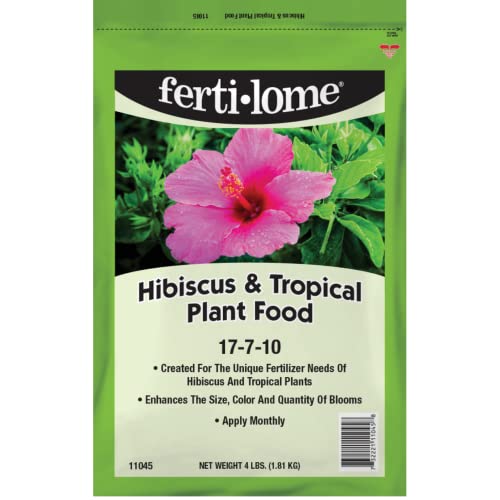
Fertilome Hibiscus & Tropical Plant Food 17-7-10, 4 lbs

GARDENWISE 8-4-8 Acidic Fertilizer for Azaleas, Camellias, and Gardenias 12 OZ

Carl Pool BR-61 Plant Food 9-58-8 3 Lbs
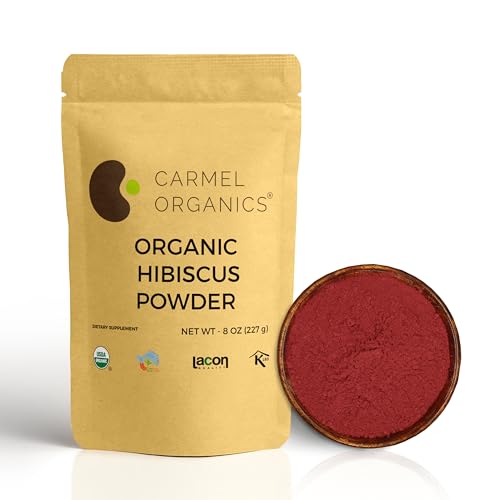
CARMEL ORGANICS Hibiscus Petals Powder 8 Ounce (0.5 Lb)

TPS Nutrients Hibiscus Liquid Plant Food 8 oz

TPS Nutrients Hibiscus Liquid Plant Food 32 oz

TPS Nutrients Hibiscus Liquid Plant Food 1 Gallon

TPS Nutrients Plumeria Liquid Plant Food 8 oz

BGI Fertilizers HIBISGAIN Hibiscus Fertilizer 10 lb Bag
A Closer Look At Each Pick
For a backyard hibiscus that gets a little hungry by July, this Fertilome 17-7-10 blend gives the nitrogen push tropical varieties respond to without forcing soft, floppy growth. The ratio here leans leafy, with enough phosphorus and potassium to set buds through the warmest stretch. In most regions the 3.25 lb bag covers a row of three or four mature shrubs for a full feeding cycle.
Granular format means you sprinkle around the drip line, scratch it in, and water. The bag fits a shelf or a small garden bin without crowding the rest of your supplies. For most in-ground tropical hibiscus, this is the workhorse pick.
Key Advantages
- 17-7-10 NPK (Nitrogen-Phosphorus-Potassium) ratio favors foliage and bud set together, which matches how tropical hibiscus actually grows.
- Granular format spreads evenly around the drip line, the outer edge of a plant’s branches where feeder roots sit.
- Small 3.25 lb bag suits first-time users who want to test results before committing to a larger container.
- Works for other tropical flowering plants in mixed beds, so one bag covers several species.
Things To Consider
- Granular feeding requires scratching into soil and watering in, so a watering can or hose is part of the routine.
- Smaller bag means restocking sooner for gardeners running more than a handful of shrubs.
Who It Suits Best
Backyard growers with a handful of mature tropical hibiscus shrubs who want a balanced, repeat-feeding routine through summer.
Look Elsewhere When
Container-heavy patio gardeners with many small pots may prefer the liquid TPS Nutrients 32 oz for faster uptake without measuring granules.
Same trusted ratio, just more of it. The 4 lb version of Fertilome’s 17-7-10 lets you stretch through a full growing season without a mid-summer trip back to the retailer. For anyone with a hedge row or a back fence lined with tropical hibiscus, the larger bag reduces the rhythm of repurchasing.
Application stays straightforward: spread along the drip line, work it into the top inch, water deeply. Stored dry in a sealed bin, the granules keep their punch season to season. Where the smaller Fertilome can run short, this 4 lb format carries the load.
What Earns Its Place
- Bigger volume suits multi-shrub gardens, covering three to five mature plants through a full bloom cycle.
- Identical 17-7-10 NPK ratio to the 3.25 lb version, so switching between the two stays consistent.
- Granular format works in-ground and in large patio planters, which broadens its use.
Worth Noting
- Bulk means more storage space, so apartment gardeners with a single shrub should size down.
- Granular feeding takes a few extra minutes per application compared to a quick liquid pour.
Made For
Garden owners with several established hibiscus plants who prefer to buy once and feed all season without restocking.
Where Another Pick Suits Better
Balcony growers with one small potted hibiscus get more value from the 8 oz TPS Nutrients Hibiscus Liquid Plant Food than a 4 lb granular bag.
If your hibiscus lives in soil that runs sweet, meaning alkaline with a pH above 7.0, generic tropical blends will not fix the underlying problem. GARDENWISE 8-4-8 layers in iron alongside its modest NPK ratio, helping yellowing leaves green up while gently nudging pH downward. It is a fix for a specific environment rather than a one-size-fits-all feed.
Use it when leaf chlorosis, the yellowing between green leaf veins, shows up on a plant that has otherwise been fed regularly. For gardeners in regions with naturally alkaline tap water and chalky soil, this kind of acidic blend can rescue a struggling hibiscus that other foods cannot.
Standout Benefits
- Iron content targets chlorosis, a yellowing condition caused by iron deficiency in high-pH soil.
- Acidic formulation gradually shifts soil pH, helping acid-loving tropicals absorb nutrients.
- Multi-purpose formula covers azaleas, gardenias, blueberries, and hibiscus in one 12 oz bag.
Trade Offs
- Modest 8-4-8 NPK ratio means lower nitrogen than dedicated hibiscus blends, so foliage response is gentler.
- 12 oz bag is small for landscape-scale feeding and suits targeted use rather than whole-garden coverage.
- Over-application can swing soil pH too far, so a soil test is wise before starting.
Key Product Details
Right Fit For
Gardeners with alkaline soil and a mixed bed of acid-loving plants who need both an iron boost and gentle pH correction.
Skip It When
Growers with already-acidic soil and a hibiscus collection should reach for Fertilome 17-7-10 4 lbs for stronger nitrogen response.
A 9-58-8 ratio is not a season-long feed. It is a pre-bloom push, heavy on phosphorus, the middle NPK number tied to flower formation. Carl Pool BR-61 plays a supporting role: apply once as buds set, then return to a balanced feed like the Fertilome 17-7-10 once color opens. In that narrow window, it helps a hibiscus load up on bloom energy.
For gardeners already comfortable with a two-step feeding calendar, this becomes a useful tool rather than a primary food. The 3 lb bag offers plenty of room to experiment across a season.
Good Reasons To Consider
- High phosphorus content supports flower bud development right before bloom season.
- Functions as a starter boost for new transplants settling into garden soil.
- 3 lb bag fits a single-season plan without forcing a buy-and-store cycle.
Honest Caveats
- Not a stand-alone feed; long-term use without balanced nitrogen leaves plants hungry and stunted.
- Phosphorus-heavy formulas can build up in soil over years, so plan rotation rather than repeat use.
Best Suited To
Experienced gardeners who already feed with a balanced blend and want a targeted bud-stage boost layered in.
A Better Fit Elsewhere
First-time hibiscus growers will get smoother results from Fertilome 17-7-10 3.25 lbs as a single, do-it-all food.
This is a different category entirely. CARMEL ORGANICS Hibiscus Petals Powder is a culinary and craft ingredient, not a plant food. Ground from dried Hibiscus sabdariffa flowers, it lands in the grocery aisle, brewed into tart herbal tea, mixed into hair and face masks, or folded into natural dye projects. For anyone growing hibiscus for more than the view, it closes a loop from garden to kitchen.
Texture is fine and the color is a deep ruby-burgundy that bleeds dramatically into liquids. A small 8 oz pouch keeps for months in a sealed jar, so it does not need a major pantry commitment to try.
Where It Delivers
- Pure ground hibiscus petals with no additives, ready to brew, blend, or mix into recipes.
- Multi-purpose across tea, skincare, and natural-dye crafting in a single jar.
- 8 oz pouch suits curious first-time users without overcommitting to bulk.
Points To Keep In Mind
- Edible and craft use only; this will not feed a live hibiscus plant in any way.
- Tart flavor is intense, so most recipes call for small measured amounts rather than spoonfuls.
Who Will Love This
Home cooks, herbal-tea drinkers, and DIY skincare crafters who want a botanical ingredient sourced from hibiscus flowers.
Not Your Match When
Gardeners looking to feed a live hibiscus plant should pick TPS Nutrients Hibiscus Liquid Plant Food 32 oz instead.
For a single patio hibiscus or a starter experiment, the 8 oz bottle of TPS Nutrients Hibiscus Liquid is the easy entry point. Liquid feeds go straight to the roots in your watering can, with no measuring of dry granules and no scratching into soil. If the idea of a feeding schedule already feels fussy, this format removes most of the friction.
It suits both outdoor and potted plants, so the same bottle moves from a back patio to a sunny windowsill. Most beginners land on this size first, see how their plant responds, and graduate to the larger 32 oz once a routine clicks.
A Few Strong Suits
- Liquid concentrate mixes into a watering can for fast, no-mess application.
- Small 8 oz bottle fits a single-plant trial without overbuying.
- Works on outdoor garden beds and indoor potted hibiscus equally well.
Softer Spots
- Trial size means restocking frequently for anyone with more than a couple of mature shrubs.
- Liquid feeds need consistent application every week or two, so the routine requires calendar attention.
Who Should Grab It
First-time hibiscus owners and apartment gardeners with one or two potted plants who want a simple, no-fuss feeding bottle.
Consider Something Else When
Container-heavy patios with several plants will get more mileage from TPS Nutrients Hibiscus Liquid Plant Food 32 oz at a lower per-use cost.
The 32 oz bottle hits a sweet spot for most hobby growers. It is large enough to feed a patio collection or a small in-ground bed for a full season, yet small enough to store on a shelf or in a garden bin without taking over the corner. Compared to the 8 oz trial bottle, this format cuts down on restocking without forcing a bulk commitment.
Liquid delivery is forgiving: dilute to label directions, water at the base, and let the plant take what it needs. For a routine that repeats every week or two through summer, this bottle becomes the workhorse.
Strong Points
- 32 oz covers a multi-plant patio through the active growing season.
- Concentrate format gives precise control over how strong each feeding runs.
- Suitable for both in-ground shrubs and container-grown tropical hibiscus.
Room For Improvement
- Heavier bottle to haul to a far garden bed, so a small watering can on-site helps.
- Dilution must be measured, so the bottle is less grab-and-go than a granular option.
Feature Snapshot
Perfect Match For
Patio collectors with several hibiscus in containers who want a single jug to carry the whole season without buying monthly.
Reach For A Different Pick When
Garden owners with long hedges in open ground may prefer the granular Fertilome 17-7-10 4 lbs for a slower-release option.
When the hibiscus collection is more than a patio moment, the 1 gallon jug keeps the feeding routine running. Designed for heavy users with established hedges, nursery rows, or a serious landscape, this format offers the lowest per-feed cost across the TPS line. It also frees you from monthly bottle swaps at the worst time of year: peak bloom.
Pour into a dedicated feed jug with a measuring cap, dilute as you go, and the rest stores sealed in a garage or shed. For those who already know the routine, this is the format that disappears into the background.
The Practical Payoff
- 1 gallon volume covers heavy-feeding landscapes through a full growing season.
- Lowest per-feed cost of any liquid option in this lineup for committed growers.
- Concentrate format stays shelf-stable when stored sealed and out of direct sun.
Less Ideal Details
- Full gallon jug is heavy to lift and pour, so older gardeners or those with limited strength may want to decant.
- Overkill for a one-plant patio, where the 8 oz or 32 oz TPS bottles make more sense.
The Right Fit
Dedicated hobbyists, small nursery operators, and homeowners with multiple landscape hedges feeding weekly through summer.
Swap It Out When
Casual gardeners with one or two shrubs get more reasonable portions from the TPS Nutrients Hibiscus Liquid Plant Food 8 oz.
Not every tropical in the garden is a hibiscus, and that is where this pick earns its spot. TPS Nutrients Plumeria Liquid Plant Food targets a different species, frangipani, with a balanced formula aimed at steady growth and seasonal flowering. For growers running a mixed tropical collection, plumeria and hibiscus often share a patio, and each responds to a different nutrient profile.
The 8 oz trial bottle is sized for a single plumeria in a pot or a small starter tree in the ground. Use it for the frangipani and keep the dedicated hibiscus blends, such as TPS Nutrients Hibiscus Liquid 32 oz, doing their job for the other plants.
What Helps Most
- Specialized for plumeria, addressing the frangipani’s distinct nutrient needs alongside hibiscus.
- Liquid concentrate format suits container plumeria on patios and balconies.
- Small 8 oz bottle fits a single tree or a starter plant without overbuying.
Potential Drawbacks
- Not formulated for hibiscus specifically, so it should not replace a dedicated hibiscus feed in the same collection.
- Trial-size bottle means frequent refills for anyone with multiple plumeria trees.
Built With In Mind
Tropical plant collectors running plumeria alongside hibiscus who want a species-appropriate feed for the frangipani side of the patio.
Where A Sibling Pick Shines
Anyone whose collection is hibiscus-only will do better with TPS Nutrients Hibiscus Liquid Plant Food 32 oz for a more targeted formula.
For serious hibiscus keepers, BGI’s HIBISGAIN is a long-running favorite, and a 10 lb bag is the format people restock year after year. The blend is formulated for the heavy, bloom-driven way tropical hibiscus feeds, leaning toward light and frequent applications rather than heavy, infrequent ones. For landscape hedges and collectors, the 10 lb size is the practical choice.
Granular format means spreading, watering in, and letting soil biology do the rest. Stored dry in a sealed container, the bag carries across multiple seasons, which is the real appeal for committed growers.
Notable Gains
- 10 lb bag suits multi-shrub landscapes, covering several mature plants across a long season.
- Specialized hibiscus formula tuned to the way tropical varieties feed, bloom, and recover.
- Granular format delivers slow nutrient release, reducing the risk of leaf burn between feedings.
Things That May Matter
- 10 lb bag is bulky and demands dry, sealed storage to keep granules from clumping.
- Granular feeding requires a watering routine to activate the nutrients, so dry-soil gardens will not get the same results.
At A Glance
Whose Shelf It Belongs On
Dedicated hibiscus collectors and landscape growers with multiple mature shrubs who want one bag to anchor the whole season.
Not Your Match When
Patio growers with one or two potted hibiscus get a friendlier size and faster uptake from TPS Nutrients Hibiscus Liquid 8 oz.
What To Weigh Before Picking A Hibiscus Food
A few attributes matter more than the rest when sorting through plant foods for hibiscus. NPK ratio, the three-number balance of nitrogen, phosphorus, and potassium printed on every bag, sets the personality of the food. Nitrogen (the first number) drives leaves and stems. Phosphorus (the middle number) supports bud set and root development. Potassium (the last number) keeps overall plant vigor and disease resistance steady.
Granular and liquid formats each have a place. Granular feeds, like Fertilome 17-7-10 or BGI HIBISGAIN, release slowly and suit in-ground shrubs and patient feeding schedules. Liquid concentrates, like the TPS Nutrients Hibiscus line, deliver quick uptake and work well in containers, where roots have limited soil volume.
Soil pH is the silent variable. Tropical hibiscus prefers slightly acidic soil, generally a pH between 6.0 and 6.5, and leaves yellow when the soil drifts too high. Gardeners in regions with alkaline tap water or chalky ground should pay attention to acidic formulas like GARDENWISE 8-4-8, which layer in iron to keep leaves green. Container size, watering frequency, and whether the plant is in-ground versus potted all shape which format fits best.
Key Considerations Across These Picks
Wrong Turns To Avoid
The most common mistake is reaching for a generic all-purpose fertilizer when the plant needs something more specific. Tropical hibiscus is a heavy feeder, and balanced lawn or vegetable blends often fall short on potassium, the third NPK number that supports bloom durability. Another slip-up is overfeeding: more is not better, and concentrated doses can burn roots, especially in containers with limited soil volume.
What The Higher Tier Buys
Larger bags and higher-tier blends are not always about more nutrients. They buy format, storage, and routine simplicity. A 10 lb BGI HIBISGAIN bag or a 1 gallon TPS jug removes the monthly repurchase cycle during peak bloom season. For a single patio plant, that investment is unnecessary, but for a serious collection, the upgrade pays off in steady results without restocking distractions.
Frequently Asked Questions
How Often Should I Feed My Hibiscus?
Tropical hibiscus respond best to light, frequent feedings, typically every one to two weeks during active growth in spring and summer. Reduce frequency in fall and stop during winter dormancy in cooler zones.
Can I Use Regular All-Purpose Fertilizer On Hibiscus?
Generic blends work in a pinch, but they usually lack the potassium and trace minerals that tropical hibiscus need for sustained bloom. A formula tuned for hibiscus or tropical flowering plants generally produces more reliable flowering through the season.
Why Are My Hibiscus Leaves Turning Yellow?
Yellow leaves usually point to one of three issues: overwatering, nutrient deficiency, especially iron or nitrogen, or soil that is too alkaline. A soil pH test and a switch to an acidic, iron-rich formula often clears the chlorosis, which is yellowing between the leaf veins, when watering is already in check.
Should I Choose Liquid Or Granular Hibiscus Food?
Liquid feeds deliver nutrients quickly, which suits containers and frequent small doses. Granular feeds release more slowly, which fits in-ground shrubs and gardeners who prefer less-frequent applications. The right answer depends on your watering routine and how many plants you are feeding.
Is Hibiscus Petal Powder The Same As Hibiscus Fertilizer?
No. CARMEL ORGANICS Hibiscus Petals Powder is a culinary and craft ingredient made from dried Hibiscus sabdariffa flowers. It does not feed plants. Gardeners should keep a dedicated fertilizer on hand for any live hibiscus in the yard or on the patio.
Closing Remarks
A good food for hibiscus matches the plant’s heavy bloom habit, the soil it grows in, and the routine a gardener can actually keep. Granular 17-7-10 blends anchor in-ground shrubs. Liquid concentrates carry containers and patio collections. Acidic formulas rescue alkaline-soil gardens. The right pick depends less on the most popular option and more on the conditions in your own yard. Match the format to your watering style, and the rest tends to follow.
