

Roses ask for more than sunshine and water. Choosing the right food shapes how strongly your shrubs root, how many buds they set, and how cleanly they shrug off aphids and Japanese beetles through a long summer. The right blend depends on your soil, your planting style, and whether you want to feed organically or handle pests at the same time.
This roundup covers ten foods for roses that handle a range of gardening styles, from the gardener who only wants to feed a few container roses on the patio to the caretaker of a long border that needs season-long nutrition. The picks include systemic options that double as insect control, organic granular blends, liquid bloom boosters, and a fish-based emulsion for soil health. Each entry explains what the food actually does, where it fits best, and the realistic trade-offs so you can match the right product to your roses.
Your Options, Compared

Fertilome Rose & Flower Food 14-12-11, 3.25 lbs
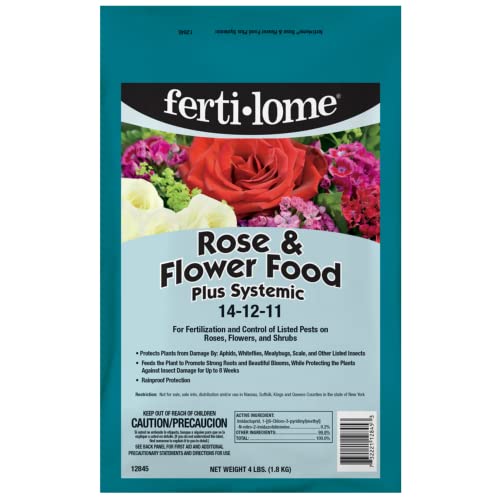
Fertilome Rose & Flower Food 14-12-11, 4 lbs
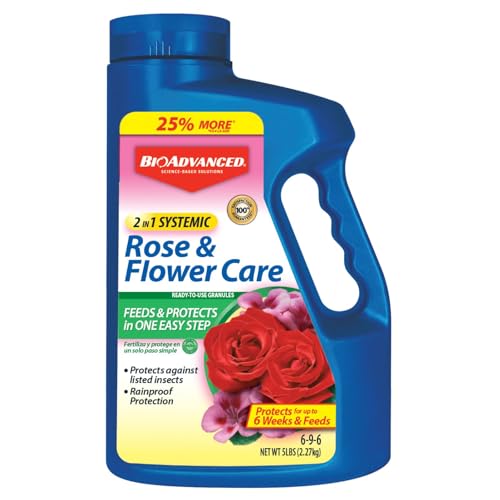
BioAdvanced 2-in-1 Systemic Rose Care 5 lb
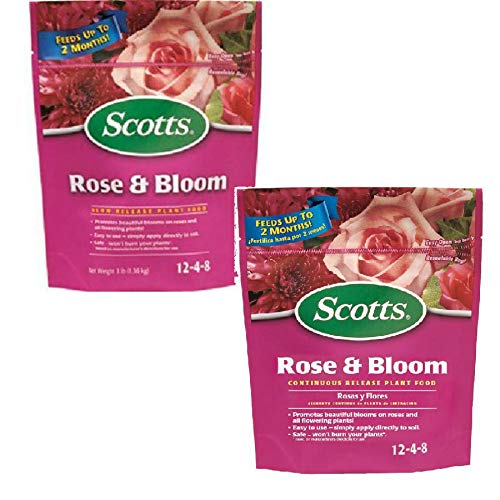
Scotts Rose & Bloom Continuous Release 3 lb, 2 Pack

Miracle-Gro LiquaFeed Bloom Booster Flower Food

Heirloom Roses Founder’s Fish Fertilizer 32 oz, Pack of 2
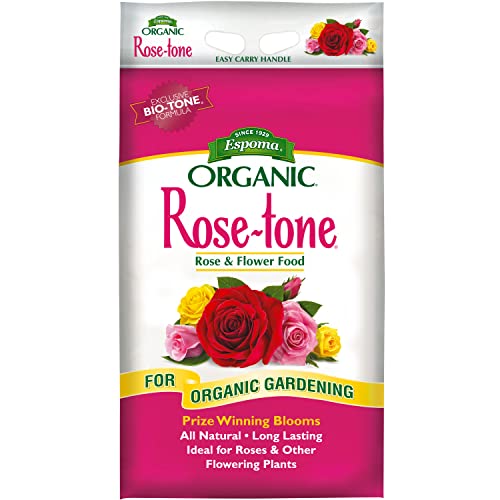
Espoma Organic Rose-tone 4-3-2 Fertilizer 18 lb

Farmer’s Secret Fruit & Bloom Booster 16 oz
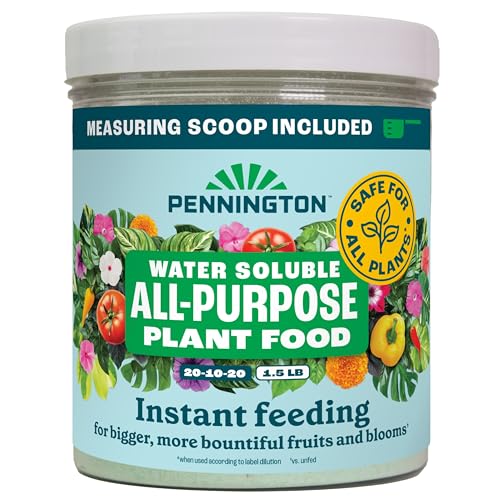
Pennington Water Soluble All Purpose Plant Food 20-10-20 1.5 lb

Schultz SPF48270 Slow-Release Bloom Fertilizer 3.5 lb
The Strengths Of Each Pick
Small rose beds and a few patio shrubs are where this Fertilome jug earns its keep. The 14-12-11 N-P-K ratio (the three numbers that tell you the percent of nitrogen, phosphorus, and potassium in the bag) leans toward bloom support, and the systemic action means the plant itself carries the insecticide through its tissues. Aphids, whiteflies, and other listed pests stop feeding rather than getting sprayed on contact.
For a tidy foundation planting of three to five roses, the 3.25-pound size is honestly the right amount. Bigger plantings will outrun it, and at that point stepping up to the 4-pound Fertilome makes more sense. The granular format is straightforward: shake around the drip line, water in, and you’re done.
A Few Strong Suits
- Feeds and protects in a single application, so you skip a second trip around the bed.
- Eight-week feed window matches the natural pace of a spring-to-summer bloom cycle.
- Systemic uptake means rain doesn’t wash the protection off the leaves.
- Compact 3.25-pound jug is easy to store in a small garden shed.
Points To Keep In Mind
- Imidacloprid is a neonicotinoid (a class of systemic insecticides linked to pollinator concerns), so avoid application right before bloom or near heavy bee traffic.
- Only the listed insects on the label are controlled; other pests pass through untouched.
Right Fit For
Homeowners with a handful of roses who want to combine feeding and pest control in one easy pass during the growing season.
Swap It Out When
You’d rather feed a much larger landscape without the insecticide step, in which case the Scotts Rose & Bloom Food 3LB offers a gentler all-purpose route.
Think of this 4-pound jug as the older sibling of the previous pick. Same 14-12-11 analysis, same dual feed-and-protect profile, but a noticeably larger container that suits a long border, a fence row of roses, or anyone applying at 30-day intervals across an entire growing season.
The heavier format pays off if you’re feeding more than six or seven established shrubs. You’ll reapply less often, and the cost per ounce works out lower than buying multiple smaller containers. The application is still straightforward: about 2 ounces per rose, 4 ounces per flower bed, then water in thoroughly.
Positive Takeaways
- Covers more roses per jug, so you finish the season without reordering midseason.
- Identical N-P-K to the smaller Fertilome, so the feeding pattern stays familiar if you upgrade size.
- Eight weeks of insect control lines up with the heaviest pest pressure in mid-summer.
Worth Noting
- The jug is bulky for a small closet, so plan on a shed shelf or covered bin.
- Same pollinator caveats as any imidacloprid product; time applications away from peak bloom.
Whose Shelf It Belongs On
Multi-rose gardeners managing a full bed or a row of foundation plantings who want fewer reorders through the season.
Another Choice May Suit
Smaller patios with just two or three roses will find the 3.25-pound Fertilome a better size match without the extra weight.
BioAdvanced’s 2-in-1 targets the pests that frustrate rose gardeners most: aphids, Japanese beetles, leafminers, and whiteflies. The granules are absorbed through the roots and travel up into the foliage, so insects get a dose as they feed. For a yard where roses get hammered by adult Japanese beetles in June, this is a serious problem-solver.
The 5-pound bottle is built for serious coverage, and you can stretch it across roses plus other listed ornamentals like hibiscus, azaleas, and camellias. One application feeds and protects for up to eight weeks, and the rainproof claim holds up in typical summer storms once the granules have been watered in.
The Helpful Details
- Tackles Japanese beetles, which most rose fertilizers don’t touch.
- Works on a wide list of landscape shrubs, not just roses.
- Rainproof protection means a thunderstorm doesn’t cancel your work.
- Large 5-pound format handles a full landscape of mixed shrubs.
Trade Offs
- Wider pest list means a broader active ingredient, so the pollinator caution is the same as Fertilome.
- Application rate per shrub is generous, so the 5-pound jug empties fast on a big planting.
Quick Facts
Best Suited To
Gardeners who battle adult Japanese beetles every June and want to handle feeding and pest control at the same time.
Reach For A Different Pick When
You’d rather skip insecticide entirely and feed organically, in which case the Espoma Organic Rose-tone fits a softer approach.
Scotts leans into simplicity. The continuous-release formula feeds roses, annuals, and perennials for up to two months per application, and the company builds the formula to avoid burning plants when you follow the label. For a gardener who forgets the calendar or waters inconsistently, the slow trickle of nutrients is forgiving.
The 2-pack format is the practical play here. Six pounds of granular food covers a decent landscape across two applications or two seasons, and Scotts’ reach into big-box garden centers means finding a replacement midseason is rarely a problem. Unlike the systemic options above, this is feed only, no insect control.
The Practical Payoff
- Two-month feed window suits a low-maintenance routine.
- No burn risk when used as directed, so new gardeners make fewer mistakes.
- 2-pack format means you have a spare bag ready for the second feeding.
Soft Spots
- No insect control, so you’ll need a separate plan for aphids or beetles.
- Continuous release means less bloom intensity than a high-phosphorus spike during peak season.
Perfect Match For
Beginners and weekend gardeners who want a forgiving, no-fuss feeding schedule without juggling insecticide timing.
Look Elsewhere When
You need both feeding and insect control in one pass; the Fertilome Rose & Flower Food 14-12-11 handles that combination more directly.
LiquaFeed is the liquid route for gardeners who want fast results. You attach the bottle to a hose-end feeder, water the roses, and the bloom-boosting nutrients go on with the irrigation. The liquid format is absorbed quickly through leaves and roots, so a midseason slump responds faster than with a granular feed.
The Bloom Booster formulation is geared toward phosphorus and potassium to push bud set and color. It pairs nicely with a granular base feed: granulars handle the steady long-term work, and LiquaFeed handles the peak bloom moment when you want the most flowers possible.
Useful Touches
- Liquid delivery means nutrients reach the plant in hours, not weeks.
- No measuring or mixing, which removes the most common liquid-feed error.
- Hose-end format doubles as a watering session, so you save time on hot afternoons.
Honest Caveats
- Liquid feeding has to happen more often, so it isn’t a low-fuss seasonal plan on its own.
- Bloom Booster is a supplement, not a complete feeding program for the whole year.
Made For
Gardeners who already have a base feeding plan and want a quick bloom push during peak summer flowering.
Skip It When
You’d rather set a single seasonal feed and walk away; granular options like the Schultz SPF48270 are built for that pattern.
Fish emulsion is the classic organic route, and Heirloom Roses leans into it with a multi-species formula. The emulsion is a liquid fertilizer made from decomposed fish, stabilized with phosphoric acid. The real value is what it does below the surface: it feeds mycorrhizae (beneficial soil fungi that partner with plant roots) and the bacteria that build long-term soil structure.
The 32-ounce bottles come two to a pack, which makes sense for a season-long feeding schedule. Roses respond well to consistent light feedings, and a fish emulsion diluted in a watering can works as a foliar feed (sprayed directly on the leaves) or a root drench. The honest drawback is the smell, which fades within a day or two but is unmistakable during application.
What Stands Out
- Builds soil biology rather than just feeding the plant directly, so the soil keeps improving.
- Organic composition fits edible beds, pollinator gardens, and chemical-free landscapes.
- Liquid format doubles as a foliar feed for a quick midseason boost.
Possible Compromises
- The fish smell is real during application, so plan on doing it on a day you don’t host a backyard dinner.
- Lower N-P-K numbers mean you feed more often than with synthetic blends.
Feature Snapshot
Who Will Love This
Organic gardeners and rose growers who also tend tomatoes, berries, and other edibles that benefit from the same gentle fish-based feed.
Where Another Pick Suits Better
If the smell is a deal-breaker, the Espoma Organic Rose-tone gives you organic granulars without any odor during application.
Espoma’s Rose-tone is the slow-and-steady organic workhorse. The 4-3-2 analysis is gentler than synthetic blends, and the Bio-tone additive is Espoma’s mix of beneficial microbes that help roses process nutrients. For a long-term rose bed, this is the kind of food that improves the soil year over year rather than delivering a quick chemical burst.
The 18-pound bag is generous. Knockout roses, climbers, and traditional hybrid teas all fall under the recommended use, and you can stretch the same bag across viburnum, clematis, and bougainvillea in the same border. Application is monthly through the growing season: spread around the drip line, water in, and let the microbes do the rest.
A Few Highlights
- Organic ingredients with no sludges or synthetics, which fits chemical-free gardens.
- Bio-tone microbes support nutrient uptake, so roses access more of what the soil offers.
- Works on a long list of flowering shrubs, not just roses.
- 18-pound bag covers a large landscape across the full growing season.
A Few Limitations
- Lower nutrient numbers mean more frequent application than high-analysis synthetics.
- Large bag is heavy to haul home and needs dry storage.
Core Details
Built With In Mind
Long-term organic gardeners building healthier soil season after season, especially those who already use other Espoma products.
Not Your Match When
You want one application to feed for two months at a time, in which case the Scotts Rose & Bloom Continuous Release offers a slower-release synthetic alternative.
Farmer’s Secret plays a different role in the lineup. The formula is super concentrated, which means a 16-ounce bottle goes a long way when diluted, and the brand specifically targets late summer and early fall, when roses and other bloomers are pushing their last flush before dormancy.
The product is designed to strengthen root systems so plants can take up more of what’s already in the soil. That focus on root health is what makes it useful for roses entering the cooler months: stronger roots handle winter stress better and resume growth faster in spring. The same bottle works on fruit trees, vegetables, and ornamentals, so it pulls double duty in a mixed garden.
Practical Pluses
- Concentrated formula means a small bottle covers many feedings.
- Late-summer timing fits a window other rose foods don’t address directly.
- Works on vegetables and fruit trees, so it’s useful beyond the rose bed.
Things To Weigh
- Best as a supplement to a base fertilizer, not as a standalone season feed.
- You need to measure and dilute, which adds a step compared to ready-to-use options.
Who Should Grab It
Gardeners with a mixed landscape who want a late-season boost for roses, fruit trees, and vegetables all in one bottle.
A Better Fit Elsewhere
For pure early-to-midseason feeding, the BioAdvanced 2-in-1 Systemic Rose Care handles pest pressure and feeding more directly.
Pennington’s water-soluble formula is a fast-release nitrogen source that greens plants up quickly. The 20-10-20 ratio is balanced enough for general landscape use, and the powder dissolves cleanly in a watering can. Roses absorb it within hours, so you see growth response fast.
Where this earns its place is in mixed beds where roses share space with shrubs, annuals, and vegetables. The included measuring scoop keeps dosing simple, and the same jug handles a wide range of ornamentals. The honest read is that this is a generalist rather than a rose specialist, so dedicated rose growers might want a more targeted analysis.
Useful Highlights
- Fast-release nitrogen pushes visible greening within days.
- Water-soluble format lets you adjust strength for seedlings versus established shrubs.
- Included scoop removes the guesswork from mixing.
- Multi-purpose ratio works across ornamentals and edibles.
Details To Watch
- Fast-release nitrogen can wash through sandy soil, so you feed more often.
- General-purpose analysis lacks the bloom-specific phosphorus of dedicated rose foods.
Key Product Details
Made For
Gardeners who want one jug to feed roses, shrubs, annuals, and vegetables without buying a separate product for each.
Consider Something Else When
You grow roses as the priority plant and want a more bloom-focused formula; the Schultz SPF48270 Slow-Release Bloom Fertilizer targets that profile directly.
Schultz’s bloom fertilizer closes the list with a high-phosphorus profile. The 12-24-12 ratio doubles down on phosphorus, which is the nutrient that drives bud formation and flower development. For a rose gardener whose goal is the most blooms per stem, that phosphorus emphasis is the whole point of the product.
The slow-release format means a single application keeps feeding over an extended window, so you don’t have to remember frequent reapplications. At 3.5 pounds, the bag is a manageable size for a small-to-medium rose garden. The tradeoff is that the lower nitrogen can mean less lush foliage compared to higher-N blends, so pair with good soil organic matter if you want both bloom and leaf vigor.
Everyday Advantages
- High phosphorus ratio targets bloom production directly.
- Slow-release format reduces reapplication frequency.
- 3.5-pound bag is easy to handle and store.
Less-Strong Areas
- Lower nitrogen can mean thinner foliage than a more balanced rose food.
- Bloom-focused formula is less useful for general landscape feeding.
The Right Fit
Rose growers who prioritize a heavy, colorful bloom display over fast vegetative growth and want a simple, infrequent feeding routine.
Where A Sibling Pick Shines
For balanced feeding across a mixed bed that includes more than just roses, the Pennington Water Soluble 20-10-20 covers a wider range of ornamentals in one jug.
Choosing The Right Rose Food For Your Garden
The best rose food depends on three questions: what you grow alongside your roses, how often you want to feed, and whether pest control belongs in the same step as feeding. A mixed landscape with shrubs and annuals benefits from a balanced general-purpose feed like the Pennington Water Soluble 20-10-20. A dedicated rose bed where Japanese beetles show up every June calls for a systemic option like BioAdvanced 2-in-1.
Organic gardeners working with chemical-free beds should weigh Espoma Rose-tone for granular feeding or Heirloom Roses Founder’s Fish Fertilizer for liquid applications. Both build soil biology over time, though they ask for more frequent feedings than synthetic blends. The slow-release bloom specialist, Schultz SPF48270, suits growers who want maximum flower production without juggling multiple feeding rounds.
For gardeners starting a feeding program from scratch, the most important attributes to weigh are the N-P-K ratio (the percent of nitrogen for foliage, phosphorus for blooms, and potassium for overall vigor), the release speed (quick versus slow), and whether the product handles insects at the same time. Roses respond to consistent feeding more than to heavy single doses, so pick a schedule you can actually keep up with, whether that’s monthly granular applications or weekly liquid feedings during peak season.
Picking The Right Rose Food: What To Know First
Start with a soil test if you can. Roses prefer slightly acidic soil in the 6.0 to 6.8 pH range, and a test tells you whether your soil is already rich in phosphorus or low on nitrogen. Without that information, a balanced rose food with a 1-1-1 or 1-2-1 ratio is the safest first choice.
Match the format to your routine. Granular feeds with Bio-tone microbes (Espoma Rose-tone) or slow-release prills (Schultz SPF48270) are best for monthly or bi-monthly schedules. Liquid feeds (Heirloom Roses Founder’s Fish Fertilizer, Miracle-Gro LiquaFeed Bloom Booster) work well for gardeners who water frequently and want fast response. Water-soluble powders (Pennington 20-10-20) hit the middle ground: fast acting but measured out by the scoop.
Traps First Timers Fall Into
Overfeeding burns roots more often than underfeeding. Beginners commonly assume more fertilizer means more blooms, but roses are sensitive to salt buildup, and excess nitrogen pushes leaves at the expense of flowers. Follow the label rate and resist the urge to double up.
Mixing systemic insecticides with peak bloom timing is another common slip. Products with imidacloprid (Fertilome, BioAdvanced) move through the plant’s vascular system, so applying during full bloom exposes pollinators as they visit the flowers. Apply before bud break or after the heaviest bloom flush passes.
Where The Extra Money Goes
Higher-priced rose foods often buy organic certification, microbe additives, or slower release technology. Espoma’s Bio-tone is a real value if you want to improve soil biology over seasons, not just feed this year’s blooms. Heirloom Roses’ Founder’s Fish Fertilizer is similarly priced higher than synthetic concentrates because of the multi-species sourcing and the soil-building benefits of the emulsion.
For gardeners who only want to feed and don’t need soil improvement, the cheaper granular synthetics do the job. The upgrade is justified when you want organic inputs, slower nutrient release, or dual-action pest control, and you’re willing to pay for those specific attributes rather than just basic feeding.
