

A thriving vegetable patch is more than good seed and regular water. The feeds and amendments you mix into the soil shape flavor, root development, and how well plants handle a dry July week. This list sorts through granular blends, liquid fish emulsions, and worm castings, pairing each one with the kind of gardener it serves best: balcony tomato growers, raised-bed beginners, and folks rebuilding tired backyard soil.
An Overview Of The Picks

Back to the Roots Organic Worm Castings 5lb

Espoma Garden-Tone 3-4-4 Organic Fertilizer 4lb (Pack of 2)

Jobe’s Organics Granular All Purpose Fertilizer 4lb

Miracle-Gro Raised Bed Plant Food, 2 lbs

True Organic Tomato & Vegetable Food 4lb

The Grow Co Organic Fish Fertilizer 1 Gallon

FoxFarm Happy Frog Tomato & Vegetable Fertilizer 4lb
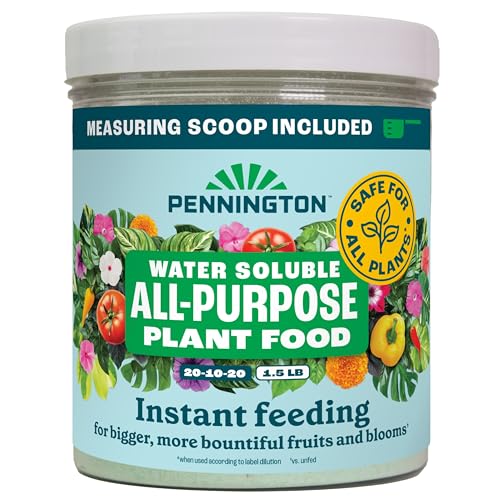
Pennington Water Soluble All Purpose Plant Food 20-10-20 1.5lb

Miracle-Gro Organic Plant Food, 32 fl oz

Cz Garden 5-10-10 Tomato & Vegetable Fertilizer 4lb
More On The Choices That Made The List
Worm castings are not a fertilizer in the traditional N-P-K sense, but they behave like one in practice: worm-digested organic matter that feeds soil biology and slowly releases nutrients to roots. The 5-pound pouch from Back to the Roots arrives dry and crumbly, ready to scratch into the top inch of a bed or blend into potting mix for containers.
Compared to the granular feeds later in this list, castings carry almost no burn risk, so you can scatter them near seedlings without worrying about root scorch. In raised beds, a quarterly top-dress tends to keep the soil loose and biologically active, which is the real payoff. If your soil has been hammered by previous seasons, this is a gentle place to start rebuilding.
Good Reasons To Consider
- Won’t burn young seedlings, so you can work it close to stems without worry
- Improves soil texture over time, helping heavy clay drain and sand hold moisture
- Light, odor-light profile makes it usable on balconies and small patios
- Made in the USA from recycled organic matter, fitting regenerative garden setups
Trade-Offs To Consider
- Nutrient analysis is mild, so hungry fruiting crops may still need a stronger feed alongside it
- 5 lb covers a small footprint, meaning larger plots go through bags quickly
Made For
Gardeners rebuilding tired soil, growing in raised beds, or starting transplants that need a gentle start.
Look Elsewhere When
Your tomatoes and peppers need a heavier feed, in which case FoxFarm Happy Frog Tomato & Vegetable Fertilizer is the stronger pick.
Espoma’s Garden-Tone is the kind of product a casual gardener can use without thinking much about the numbers. The 3-4-4 ratio is balanced and forgiving, leaning slightly toward phosphorus (the middle number, which supports roots and fruit set) and potassium (the last number, supporting overall plant health).
The two-bag pack covers a respectable footprint, making it practical for mid-size plots. The organic ingredient list plus calcium suits both cool-weather crops like kale and cabbage and warm-season producers like tomatoes and peppers. It is a versatile middle-of-the-road pick that won’t steer you wrong on a mixed bed.
Practical Pluses
- Flexible ratio works for leafy, root, and fruiting crops without swapping products mid-season
- Organic formulation fits gardeners avoiding synthetic inputs
- Includes calcium, which helps reduce blossom end rot on tomatoes and peppers
- Granular form spreads easily with a hand scoop and works into beds with light raking
Where It Is Less Suited
- Lower nitrogen means leafy greens may look pale compared to high-N options like Pennington Water Soluble
- Two-bag quantity adds storage bulk for apartment or balcony gardeners
Key Product Details
Best Suited To
Mixed-vegetable gardeners running a rotation of cool- and warm-season crops who want one bag for everything.
Consider Something Else When
You are running a heavy-feeding tomato-only plot, where the FoxFarm Happy Frog blend brings more targeted nutrition.
Jobe’s Organics makes granular plant food that aims to be the one bottle a forgetful gardener reaches for. The 4-pound bag is small enough to store on a shelf, and the spreadable granules are designed to minimize mess and runoff, two common frustrations with cheaper feeds.
It is positioned as a generalist, equally at home around vegetable rows, flower borders, and shrubs. The 100% organic formula avoids the chemical smell that puts some gardeners off, which matters when you have neighbors in close quarters. For a beginner building a single shopping list, this fits naturally on it.
Positive Points
- Low-odor, organic formula works in tight suburban yards without complaints
- Granular form reduces the wasteful runoff that liquid feeds can cause
- One bag covers vegetables, flowers, and shrubs, simplifying the feed shelf
- Easy-pour bag design makes quick work of side-dressing mid-season
Small Caveats
- All-purpose N-P-K is balanced but not specialized, so heavy feeders may want a targeted boost
- Granules need watering in to activate, which adds a step right after application
Who It Suits Best
First-time gardeners and busy households who want a single dependable feed across vegetables and ornamentals.
Swap It Out When
You grow mostly tomatoes and need a calcium-forward formula, in which case True Organic Tomato & Vegetable Food is a tighter match.
Raised beds drain faster and warm sooner than in-ground plots, which is great for early planting but means nutrients leach out faster too. Miracle-Gro’s Raised Bed Plant Food is blended specifically with that in mind, targeting the vegetable, herb, and flower combos most common in 4×8 box gardens.
The 2-pound container is sized for small beds, not half-acre plots, which suits the urban and suburban box-garden crowd. Added calcium and micronutrients aim at both above-ground growth and root-zone health, so a single application should support a full crop cycle. It is a one-purpose tool designed for one purpose.
Bright Spots
- Formulated specifically for raised-bed drainage and root zones
- Includes calcium and micronutrients, addressing common deficiencies in box gardens
- Compact 2 lb size stores neatly in a shed or garage corner
Points To Keep In Mind
- Smaller bag means multiple purchases for gardeners running more than one large bed
- Not the best fit for in-ground row gardens, where Espoma Garden-Tone offers broader coverage
The Right Fit
Patio and backyard box gardeners running a single 4×4 or 4×8 raised bed with mixed vegetables.
Another Choice May Suit
You maintain a sprawling in-ground plot, in which case Jobe’s Organics Granular All Purpose Fertilizer covers more ground per bag.
True Organic built this blend around the most common tomato frustration: blossom end rot, that leathery black patch on the bottom of ripening fruit. The 6% calcium dose is the headline feature, paired with a 4-5-6 N-P-K ratio and 3% slow-release nitrogen for steady feeding through the season.
The bag is advertised to cover roughly 70 square feet, so a modest tomato patch or pepper bed gets a full season from one container. The slow-release nitrogen is a quiet plus: it means fewer growth spurts followed by soft, late-season foliage. If your tomatoes have been ending up with rough bottoms, this blend targets that specific issue head-on.
What Works In Its Favor
- 6% calcium content addresses blossom end rot, a top complaint for tomato growers
- Slow-release nitrogen keeps plants from pushing too much soft growth late in the season
- Coverage estimate of 70 sq ft matches a typical backyard tomato patch
Soft Spots
- Specifically tuned for fruiting crops, so leafy greens may bolt faster with this ratio
- Organic inputs release slower than synthetics, so results take a season to show fully
Who Should Grab It
Tomato and pepper growers in warmer zones who keep losing fruit to blossom end rot year after year.
Reach For A Different Pick When
You mostly grow lettuce, kale, and other leafy crops, where Pennington Water Soluble All Purpose Plant Food supports the leaf growth you’re after.
Liquid fish emulsion is one of the oldest feeds in the vegetable gardener’s toolkit, and The Grow Co’s take leans into the slow, cold-pressed method to keep amino acids and nutrients intact. The 1-gallon jug goes a long way when diluted, making it a cost-effective option for larger plots.
Unlike granular feeds that release over weeks, a liquid feed like this gets to work within days, which makes it the right tool for mid-season rescue or steady weekly feeding through a watering can. The trade-off is the smell: this is fish-based, so application near open windows or dining areas is something to plan around. Used in the morning, the odor typically dissipates by afternoon.
Real-World Strengths
- Rapid nutrient uptake helps revive pale or stalled plants mid-season
- Cold-pressed processing preserves amino acids that heat-treated fish emulsions lose
- 1-gallon size dilutes into many gallons of ready-to-use feed, lowering cost per application
Things To Weigh Up
- Distinctive fish odor lingers for hours after application, a real consideration in tight neighborhoods
- Liquid format requires a watering can or sprayer, adding setup time vs. broadcasting granules
Perfect Match For
Mid-season growers who need a fast-acting supplement alongside a baseline granular feeding program.
A Better Fit Elsewhere
You want an odor-free routine, in which case Miracle-Gro Organic Plant Food delivers similar liquid convenience without the fish smell.
FoxFarm’s Happy Frog line is built around a specific audience: crops that eat a lot and reward aggressive feeding. The 5-7-3 N-P-K leans into fruit production, with calcium and mycorrhizal fungi (beneficial root-colonizing microorganisms that help plants pull nutrients from soil) added to the bag.
The 4-pound pail is sized for serious tomato growers, and the higher phosphorus (the middle number) supports flowering and fruit set during the critical mid-summer stretch. Mycorrhizal fungi are a nice touch for new transplants, since they help roots establish faster in unfamiliar soil. The honest read is that this is a specialist’s tool, not a generalist feed.
Where It Excels
- 5-7-3 ratio gives fruiting crops the phosphorus they need during flower and fruit set
- Mycorrhizal fungi support root development in transplants and new beds
- Calcium addition targets blossom end rot before it shows on ripening fruit
Honest Caveats
- Specialized formula can push leafy greens into overgrowth at the expense of leaves you actually want to harvest
- Priced higher per pound than general-purpose blends, which adds up across a large garden
Feature Card
Who Will Love This
Tomato, pepper, and berry growers running a dedicated heavy-feeding bed and willing to invest per-plant.
Where Another Pick Suits Better
You keep a casual mixed bed with more greens than fruit, in which case Espoma Garden-Tone keeps everything on one feeding schedule.
Pennington’s 20-10-20 is a synthetic, water-soluble feed (a powder that dissolves in water before application) for gardeners who want a measurable, fast response. That 20% nitrogen is the headline: leafy greens like lettuce, kale, and herbs green up within days of a dose, and the included scoop makes measuring less guesswork.
The 1.5-pound container dissolves quickly into a watering can, which is convenient for small plots and container gardens. The trade-off is the synthetic origin: this is not an organic product, and it works best as a complement to organic soil building rather than a replacement. For gardeners who keep both options on the shelf, this is the fast-action complement.
Real Benefits
- 20% nitrogen produces visible green-up within days on leafy crops
- Water-soluble format doubles as a foliar spray for quick leaf absorption
- Measuring scoop takes the math out of dilution rates
Worth Noting
- Synthetic formula may not fit gardeners committed to organic-only soil programs
- High nitrogen can delay fruiting on tomatoes if used too aggressively mid-season
Right Fit For
Greens growers running cool-weather crops who want quick visible results from a water-soluble routine.
Skip It When
You maintain a strict organic garden, in which case The Grow Co Organic Fish Fertilizer covers the same liquid-feed role naturally.
Miracle-Gro’s organic liquid bridges the gap between the brand’s well-known synthetic line and gardeners who want a plant-based, OMRI-listed (Organic Materials Review Institute, a third-party certifier for products approved for organic growing) option. The 32-fluid-ounce bottle mixes with water in a standard watering can and works for indoor houseplants, container edibles, and outdoor beds.
The 94% plant-based ingredient list reads cleaner than older fish-based organic feeds, which is a quiet win for apartment growers. It feeds instantly rather than building up soil over time, so it works as a weekly supplement during the growing season. The honest read: it is a great entry point for someone leaving the synthetic world but not ready to commit to a more involved organic program.
What It Does Well
- Plant-based, low-odor formula suits indoor and patio use without complaints
- Liquid format mixes easily into a standard watering can
- OMRI-listed, fitting organic gardening programs and certifications
- Works for vegetables, herbs, and houseplants from the same bottle
Minor Gripes
- Smaller 32 oz bottle runs out faster on larger outdoor plots
- Doesn’t build long-term soil structure the way worm castings or compost do
Whose Shelf It Belongs On
Container gardeners and indoor-outdoor growers who want one low-odor organic liquid across their plant collection.
Not Your Match When
Your priority is rebuilding tired in-ground soil, in which case Back to the Roots Organic Worm Castings addresses the soil biology side directly.
Cz Garden’s 5-10-10 closes the list as a budget-leaning option that still pulls its weight nutritionally. The lower nitrogen and higher phosphorus-plus-potassium combination is a classic tomato formula, designed to limit leaf growth and push energy toward fruit and root development.
The 4-pound bag arrives in a heavy-duty resealable pouch, which keeps the granules fresh between feedings. The 2% iron plus added micronutrients (small but essential minerals like zinc and manganese that plants need in trace amounts) are useful where soils are alkaline and prone to deficiencies. Made in the USA and competitively priced, it is a sensible second-bag purchase for a gardener already running a more expensive premium feed.
What Makes Sense
- Higher phosphorus and potassium ratio suits fruiting crops without excessive leaf growth
- Resealable pouch keeps granules fresh across multiple applications
- 2% iron addresses micronutrient gaps in alkaline soils
- Made in the USA with a price that suits large-plot gardeners
Possible Compromises
- Lower nitrogen means leafy greens may underperform compared to a balanced formula
- Generic-brand packaging offers less brand-name reassurance for first-time gardeners
Built With In Mind
Cost-conscious gardeners managing a large fruiting-crop plot who want reliable nutrition without premium pricing.
Where Another Pick Suits Better
You want a more comprehensive calcium-and-fungi blend, in which case FoxFarm Happy Frog is the upgrade path.
Choosing The Right Foods For Vegetable Garden For Your Soil
Vegetables pull different nutrients at different growth stages, and matching the feed to that cycle is what separates a thriving bed from a stalled one. Here are the dimensions that matter most.
Match The N-P-K Ratio To Your Crop Type
N-P-K stands for nitrogen, phosphorus, and potassium, and the three numbers on a fertilizer bag tell you the percentage of each. Leafy greens like lettuce and kale run on nitrogen, so a higher first number (like Pennington’s 20-10-20) supports the leaves you actually harvest. Fruiting crops like tomatoes and peppers need more phosphorus and potassium once flowering starts, which is why blends like the 5-7-3 FoxFarm Happy Frog and 5-10-10 Cz Garden push those numbers higher. A balanced 3-4-4 works fine for mixed beds but rarely excels at any one crop type.
Decide Between Granular And Liquid Formats
Granular feeds break down slowly and feed over weeks, which suits a steady, low-maintenance routine. Liquid feeds act fast but require more frequent application, usually weekly. For working gardeners who only have time to feed once a month, granular is the realistic choice. For gardeners who enjoy the routine of a mid-week watering can ritual, liquid covers more nuance per application.
Consider Organic Versus Synthetic Inputs
Organic feeds like Espoma Garden-Tone, worm castings, and fish emulsion build soil biology over time, which pays off across multiple seasons. Synthetic feeds like Pennington’s water-soluble formula work faster but don’t contribute to long-term soil health. The honest read is that the best soil programs often combine both: organic amendments as the foundation, with synthetic or liquid feeds as a supplement when a crop needs a quick push.
Factor In Your Bed Type And Climate
Raised beds drain and warm faster than in-ground plots, so a targeted feed like Miracle-Gro’s Raised Bed Plant Food or FoxFarm’s fruiting blend suits those conditions. In-ground row gardens with heavier soil benefit from slow-release organics that improve texture over time. Container gardens dry out quickly and need frequent liquid feeding, which is where Miracle-Gro Organic Plant Food and Pennington’s water-soluble format earn their place.
What Sets These Picks Apart At A Glance
Common Shopping Slip Ups To Dodge
Buying the highest-nitrogen feed for a tomato patch is the most common mistake. Big leafy growth early looks promising, but it delays flowering and reduces the harvest you actually wanted. Match the feed to the crop, not to the marketing copy. A second pitfall is ignoring calcium: blossom end rot on tomatoes is a calcium-uptake problem, and feeds like True Organic Tomato & Vegetable Food with 6% calcium exist specifically because of this. Finally, applying more than the bag suggests almost never helps. Granular feeds in particular release slowly, so over-applying wastes product and can burn roots.
When Paying More Actually Pays Off
Premium blends like FoxFarm Happy Frog earn their higher price through added inputs: mycorrhizal fungi, calcium, and a tightly tuned N-P-K for heavy feeders. The upgrade is worth it when you grow a dedicated fruiting-crop bed that needs precise nutrition. For casual mixed beds, a balanced 3-4-4 like Espoma Garden-Tone covers the same ground at a lower per-application cost. The honest rule of thumb: pay more when your crop is high-value per square foot (tomatoes, peppers, berries), and save when you’re growing bulk greens or root crops where the difference in fruit quality is harder to taste.
Frequently Asked Questions
What Does N-P-K Mean On A Fertilizer Bag?
N-P-K is the percentage of nitrogen, phosphorus, and potassium in the product, listed in that order. The numbers tell you what the feed emphasizes: nitrogen for leaf growth, phosphorus for roots and fruit, potassium for overall plant health.
How Often Should Vegetables Be Fed During The Growing Season?
Most vegetables benefit from feeding every 4 to 6 weeks during active growth, though liquid feeds applied weekly suit heavy feeders. Always check the product label for application rates, since over-feeding causes as many problems as under-feeding.
Can One Fertilizer Work For An Entire Vegetable Garden?
A balanced 3-4-4 or all-purpose blend can cover a mixed bed reasonably well, but fruiting crops will produce better with a higher-phosphorus formula. Many gardeners keep one general bag and one specialized bag to handle both situations.
Is Organic Fertilizer Better Than Synthetic?
Organic fertilizers build soil biology over time and release nutrients more slowly, which suits long-term garden health. Synthetic fertilizers work faster and cost less per application. The best programs often use organic as the base and supplement with a synthetic or liquid feed when a quick boost is needed.
Do Tomatoes Really Need Extra Calcium?
Yes, especially in containers or beds with inconsistent watering. Calcium prevents blossom end rot, a black leathery patch on the bottom of ripening fruit. A calcium-forward feed like True Organic Tomato & Vegetable Food targets this problem directly.
Closing Remarks
The right feed depends less on brand and more on what you grow, how your bed drains, and how often you want to feed. Tomato growers chasing fruit set benefit from calcium-forward blends like True Organic or FoxFarm Happy Frog. Mixed-bed gardeners find balance with Espoma Garden-Tone or Jobe’s Organics. Container growers reach for liquid feeds like Pennington or Miracle-Gro Organic. Match the format and ratio to your routine, and the rest of the season takes care of itself.
