

A heavy weekend of leaves, grass clippings, or light snow can turn into a full day of work without the right tool. Gas power leaf blowers cover everything from a small driveway to a half-acre lot, and the best fit depends on how often you use one and how much weight you want strapped to your back. This list gathers ten solid options across handheld and backpack form factors, so you can spend less time guessing and more time clearing the yard.
A Side-By-Side Look
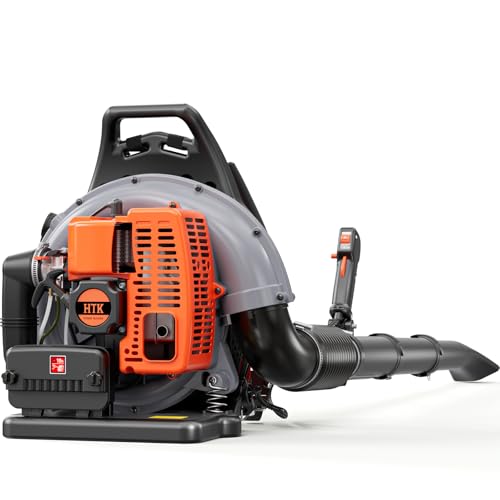
HTK Gas Backpack Leaf Blower, 63CC 2-Stroke, 665 CFM, 205 MPH

SENIX 4QL 26.5cc 4-Cycle Handheld Gas Leaf Blower

HASANEN Backpack Gas Powered Leaf Blower, 63CC 850 CFM

ECHO PB-2520 25.4cc Handheld Leaf Blower
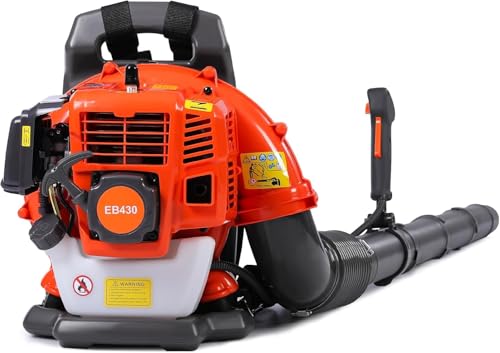
Thalorus 52cc Backpack Leaf Blower, 550 CFM, 230 MPH

GMSLuu 2-Stroke Handheld Gas Leaf Blower, 750W

PROYAMA 72CC Gas Backpack Leaf Blower

WOLFBOX MF400 Cordless Leaf Blower

Getell 26cc Handheld Gas Leaf Blower, 180 MPH
Relxxon 26cc 2-Cycle Handheld Gas Leaf Blower
What Each Pick Brings To The Table
The HTK backpack sits at the heavier-clearing end of this list, pairing a 63CC 2-stroke engine with 665 CFM of air volume and a top speed near 205 MPH. That combination is built for homeowners with mature trees, long driveways, or seasonal leaf walls that swallow handheld units in a single pass. You can feel the difference on wet, matted debris where smaller motors stall or simply push the pile around.
Oversized controls and a simplified starting routine make this unit approachable even if you have never operated a backpack blower. For most backyards with a quarter acre or more, the trade-off shows up in shoulder fatigue rather than raw power. Compared to the SENIX 4QL coming up next, this one demands mixing fuel and reading the manual carefully, but the output justifies the extra setup.
Why It Works Well
- 63CC 2-stroke engine delivers strong blowing force for dense, wet leaves
- 665 CFM air volume clears wide paths in a single sweep
- 205 MPH top speed pushes stubborn debris out of corners and edges
- Backpack harness spreads weight for longer sessions than handheld designs
- Simplified startup routine reduces the learning curve for first-time operators
Worth Noting
- 2-stroke engine requires fuel and oil mixing at every fill-up
- Heavier than handheld options, which may tire you on extended jobs
- Storage takes more space than a compact handheld unit
Who It Suits Best
Homeowners with a half-acre lot or more, surrounded by mature trees that drop heavy leaf volume each fall.
Where Another Pick Suits Better
The SENIX 4QL is a smarter match for someone who wants gas power without the fuel-mixing step or backpack weight.
The SENIX 4QL solves the most common complaint about gas blowers: fuel mixing. A 4-cycle engine (a design where the engine uses separate oil and fuel reservoirs rather than blending them) runs on straight gasoline, so you skip the measuring bottle and the risk of a wrong ratio. That detail alone makes it appealing for first-time gas-tool owners or anyone who has burned out a 2-cycle engine on bad fuel in the past.
At 410 CFM and 125 MPH, the output is moderate, which is the right size for a small to mid-size yard, a long driveway, or a patio surrounded by a few trees. You will not blast wet carpet-thick leaves off a forest floor, but for weekly maintenance, the trade-off feels fair. The full-crank design (where the crankshaft runs the full length of the engine, improving durability) also tends to outlast cheaper half-crank handhelds, which is a quiet but real ownership benefit.
Noteworthy Benefits
- 4-cycle engine eliminates fuel-oil mixing, simplifying every fill-up
- Full-crank engine design typically lasts longer than half-crank alternatives
- 410 CFM output suits driveways, sidewalks, and patio spaces
- Lower vibration compared to many 2-cycle handhelds at this size
Trade Offs
- 125 MPH top speed falls short of the heavier 2-cycle units
- Heavier than a basic 2-cycle handheld because the engine carries a separate oil reservoir
- Not the right fit for large lots with heavy leaf volume
Key Specs
Made For
Homeowners who want gas reliability without the fuel-mixing step, handling driveways, patios, and modest yard spaces.
Consider Something Else When
The HTK backpack is the better call for anyone with a heavily wooded lot who needs more air volume than a handheld can provide.
Air volume is the headline number here, and 850 CFM is in commercial territory. The HASANEN backpack pairs a 63CC 2-stroke engine producing 4.3HP with a fuel tank large enough to keep working through a long session. If you have ever been mid-yard and run dry on a smaller backpack, that fuel capacity alone can change how you plan a Saturday morning.
The design stays practical for a backpack unit, with a harness system built for extended wear. Compared to the HTK earlier in this list, the air volume is meaningfully higher, so the right call depends on whether your cleanup demands that extra push. For most suburban lots the HTK is plenty, but rural properties and long driveways appreciate every additional CFM.
Advantages To Know
- 850 CFM air volume ranks among the highest in this lineup
- 4.3HP output handles dense debris, light snow, and stuck-on leaves
- Larger fuel tank extends runtime between refills
- Backpack design distributes weight across shoulders and back
Room For Improvement
- 2-stroke fuel mixing adds a step at every fill-up
- Higher output increases noise and vibration compared to smaller units
- Larger frame requires more storage space in a garage or shed
Feature Snapshot
Best Suited To
Property owners with acreage, long driveways, or seasonal snow cleanup who need long runtime and high output in one unit.
Not Your Match When
The ECHO PB-2520 is a better fit for anyone who just needs a dependable handheld for shorter, recurring cleanups.
ECHO is a well-known name in professional landscaping, and the PB-2520 brings that pedigree into a homeowner-friendly handheld. The 25.4cc engine is small enough to keep the weight down but built with the kind of fit and finish that tends to outlast a season or two of casual use. For weekly leaf clearing on a small to mid-size lot, this is the kind of tool that quietly earns its place in the shed.
The handheld format means you trade air volume for convenience, and that is exactly the right swap for someone with a short cleanup list each weekend. Compared to the larger backpack picks ahead in this article, the PB-2520 will not move a wet carpet of leaves in a single pass. What it will do is start reliably, feel balanced in the hand, and handle driveway edges without wearing you out.
Strong Points
- Trusted brand engineering aimed at long-term reliability
- Handheld format is easier to store than backpack units
- Engineered for lower vibration during extended use
- Well-suited to driveways, walkways, and patio cleanup
Honest Caveats
- Smaller air volume than the backpack options in this lineup
- 2-stroke design requires fuel mixing at every fill-up
- Not designed for large rural properties with heavy leaf fall
Who Will Love This
Suburban homeowners who want a reliable, well-built handheld for weekly maintenance and short cleanups.
Look Elsewhere When
The Thalorus 52cc backpack is a stronger match for anyone who wants padded comfort plus higher output for longer jobs.
Where many backpack blowers punish shoulders, the Thalorus 52cc leans into comfort with a padded, low-vibration harness. The 550 CFM air volume is meaningfully lower than the HTK or HASANEN units ahead of it, but the trade is a lighter carry and a friendlier experience on multi-hour jobs. That balance matters if you are not a professional who blows leaves every day.
The 230 MPH top speed is genuinely high, so even with moderate air volume the unit still pushes stubborn debris effectively. You may find the difference in CFM shows up most when clearing wide, open stretches rather than along fence lines. The lower-vibration design is also kinder on hands and forearms, which is a real ownership perk you notice after year two.
What Helps Most
- Padded low-vibration harness reduces shoulder and back strain
- 230 MPH top speed pushes debris out of edges and corners
- Lighter carry weight than many competing backpack units
- Versatile for leaves, light snow, and general yard debris
Points To Note
- Lower CFM than higher-output backpacks like the HASANEN
- Still requires fuel mixing for the 2-cycle engine
- Wide clearing jobs take more passes than with 800+ CFM units
Quick Facts
Perfect Match For
Homeowners who clear leaves regularly and care more about all-day comfort than maximum CFM output.
A Better Fit Elsewhere
The HASANEN backpack is a smarter pick if you prioritize raw air volume over comfort during shorter, more intense sessions.
The GMSLuu handheld targets a specific kind of shopper: someone who wants gas reliability without paying for commercial-grade output. The 2-stroke engine produces 750W of power, which lands in the lower-middle of this list and matches the kind of work a typical small yard demands. Plastic and rubber construction keeps the weight manageable and the price approachable.
For a patio, garage entry, or short driveway, the output is generally enough to handle dry leaves and light debris. The honest read is that wet, matted piles will take longer than they would with a backpack unit, and the air volume is not built for wide-open spaces. It earns its place here as an accessible option for someone who only needs gas power a few weekends a year.
Features That Help
- Lightweight handheld format is easy to maneuver and store
- Plastic and rubber construction keeps the unit approachable in price
- 750W output handles dry leaves and grass clippings effectively
Some Limits To Know
- Lower air volume struggles with heavy, wet leaf piles
- 2-stroke engine requires fuel mixing at every fill-up
- Limited runtime per tank compared to backpack options
- Less durable long-term than premium handheld brands
Right Fit For
Shoppers seeking an entry-level gas blower for light, occasional cleanup on a small lot or patio.
Skip It When
The SENIX 4QL is a stronger choice if you want a more durable handheld and prefer no fuel mixing.
The PROYAMA 72CC is the largest engine in this roundup, and it shows up in the kind of work the unit is built for. With 3.7HP available, this backpack handles not just leaves but also heavier debris and light snow, which makes it useful across multiple seasons. The dual-nozzle design (one flat, one round) is a thoughtful touch for switching between wide open spaces and tight fence-line work.
For a homeowner with serious cleanup needs, the trade-off is a heavier carry and more noise, but the versatility across seasons can justify both. Compared to the HTK covered earlier, this engine is larger and the design is more oriented toward varied terrain. You may find the dual nozzles more useful than you expect when you switch from clearing a driveway to edging a garden bed.
The Helpful Details
- 72CC engine produces 3.7HP, the highest output in this list
- Dual-nozzle design (flat and round) adapts to different terrain
- Suitable for leaves, debris, and light snow across seasons
- Backpack harness supports extended use on larger properties
Factors To Consider
- Heavier than mid-size backpack options like the Thalorus
- Higher noise output typical of larger 2-cycle engines
- Fuel mixing required at every fill-up
- Bulkier to store than a handheld unit
Feature Card
Who Should Grab It
Homeowners and small-property professionals who need high output plus the flexibility to handle leaves, debris, and light snow in one tool.
Swap It Out When
The Thalorus backpack is a friendlier pick if you want all-day comfort and a lighter carry for moderate leaf volume.
The WOLFBOX MF400 is technically a cordless electric unit, but it earns a spot on a gas blower list because it covers jobs many gas owners handle with a smaller secondary tool. A 453W brushless motor (a motor design that uses electronic controls rather than carbon brushes, reducing wear and improving efficiency) drives a focused jet, which is great for patio corners, a freshly washed car, or a workshop with sawdust on the floor. Battery power also means no fuel mixing, no exhaust, and quieter operation than any 2-cycle handheld.
The honest read is that no cordless jet blower at this size replaces a backpack for half-acre leaf cleanup. The 72 m/s airflow is strong for the category but cannot match the CFM numbers from the gas units in this list. What it does replace is a garage broom and a second smaller blower, which is a real ownership benefit for many households.
Practical Advantages
- Cordless design removes fuel mixing, exhaust, and most noise
- Brushless motor tends to outlast brushed motor alternatives
- Lightweight handheld format is comfortable for short jobs
- Doubles as a car dryer and workshop cleanup tool
Worth Bearing In Mind
- Runtime is limited by battery capacity, unlike gas units
- Cannot match the air volume of backpack gas blowers
- Best suited to lighter jobs than a full yard cleanup
Built With In Mind
Homeowners who want a quiet, grab-and-go blower for patios, garages, and vehicle drying, and who do not need to clear an entire yard.
Another Choice May Suit
The Getell 26cc handheld is a better match for gas-only shoppers who want traditional power without battery considerations.
The Getell handheld is a comfort-oriented take on the 26cc class, with cushioned anti-vibration handles and a translucent fuel tank. At 180 MPH and 380 CFM, the output is similar to the Relxxon coming up next, but the focus is on how the unit feels in your hand over a long cleanup. For someone who dreads the sting of vibration after an hour, those small touches matter more than the spec sheet implies.
The translucent fuel tank is a quiet but practical perk because you can check the gas-to-oil mix at a glance. The engine is a 2-cycle design, so fuel mixing is still part of the routine, but the visibility removes the guesswork. Compared to the SENIX 4QL, this unit trades the no-mixing convenience for a lighter, more vibration-friendly carry.
Strengths Worth Knowing
- Cushioned anti-vibration handles reduce arm and hand fatigue
- Translucent fuel tank makes mix-level checks easy
- Lightweight enough for extended weekend sessions
- 180 MPH top speed handles wet leaves and grass clippings
Things To Weigh
- 2-stroke engine still requires fuel mixing at every fill-up
- Lower CFM than backpack units in this lineup
Core Details
Whose Shelf It Belongs On
Homeowners who want a comfortable handheld for weekly driveway and patio work without stepping up to a backpack.
Reach For A Different Pick When
The SENIX 4QL is a better fit if you want a gas handheld that skips the fuel-mixing step entirely.
The Relxxon handheld keeps the spec profile simple: 26cc 2-cycle engine, 180 MPH top speed, 380 CFM air volume. What separates it from the rest of the 26cc field is a focus on easier starting, with reduced pull resistance designed to take the fight out of cold mornings. For a homeowner who only fires up a blower a few times a month, that small detail is a real time-saver.
On the work itself, the Relxxon handles dry leaves, grass clippings, and light dust without struggling. Wet, matted leaves take more passes than they would with a backpack, but the trade-off is a unit you can store in a closet corner and grab without ceremony. Compared to the Getell covered just before, this one prioritizes startup ease over vibration dampening.
Points In Its Favor
- Reduced pull resistance makes cold starts easier
- Handheld format is easy to store in a closet or small shed
- Handles dry leaves, clippings, and light dust effectively
- Simple operation suits occasional seasonal use
Practical Considerations
- 2-stroke engine requires fuel mixing at every fill-up
- Wet, matted leaves take more passes than with a backpack
Right Fit For
Shoppers who need a simple, easy-starting handheld for recurring light cleanup around a driveway or patio.
Where A Sibling Pick Shines
The Getell 26cc is a smarter choice if anti-vibration comfort matters more than pull resistance on your next handheld.
Picking The Right Gas Blower For Your Yard
Choosing between handheld and backpack formats is the first decision that shapes your experience. Handheld gas blowers are lighter, easier to store, and ideal for driveways, patios, and modest yards. Backpack models carry the engine on your shoulders, which spreads weight and frees your arm, but they cost more, take up more storage space, and usually need fuel mixing.
Air volume, measured in CFM (cubic feet per minute), tells you how much air the unit moves. Air speed, measured in MPH, tells you how fast that air is moving. CFM matters most for moving bulk material like a thick leaf pile, while MPH matters for knocking stubborn debris out of corners. For wet, heavy leaves, you want both numbers high. For dry, light debris, a moderate CFM with a solid MPH works fine.
Engine type affects daily convenience. 2-cycle engines require mixing oil with gasoline at every fill-up, which adds a step and a storage requirement for 2-cycle oil. 4-cycle engines run on straight gasoline, which simplifies things, though they tend to weigh slightly more. If the mixing step is a dealbreaker, a 4-cycle unit is worth the trade.
Vibration and harness design matter more than the spec sheet suggests. A comfortable backpack with padded straps and a vibration-dampening mount turns a one-hour job into a one-hour job you do not dread next weekend. The same logic applies to handheld grip design, where cushioned handles and balanced weight distribution reduce arm fatigue over a long session.
Key Considerations Across These Picks
Wrong Turns To Avoid
Buying more CFM than your yard actually demands is one of the most common slip-ups. A 850 CFM backpack feels like overkill on a quarter-acre lot, and you will pay for power you rarely use, plus the fuel to feed it. Matching the unit to your typical cleanup is more useful than chasing the biggest number.
Another common trap is overlooking fuel mixing. A 2-cycle engine without a fresh fuel mix will not start cleanly, and a tank of bad mix can foul the plug. If you would rather not think about ratios, prioritize a 4-cycle unit like the SENIX 4QL or a cordless option.
Where The Extra Money Goes
Higher-tier backpacks earn their cost with stronger harnesses, better vibration isolation, and engines that hold up across longer sessions. They also tend to include dual-nozzle systems and larger fuel tanks, which translate directly into fewer interruptions and more flexibility. For a homeowner who clears leaves a few times a season, the upgrade may not be worth the extra spend. For someone with a wooded lot or multi-season cleanup, the time savings add up quickly. The same logic applies to handheld gas units at the budget end: cheaper models do the job, but fit, finish, and durability tend to track with price.
Frequently Asked Questions
What size engine do I need for a typical yard?
A 25cc to 27cc handheld suits most small to mid-size residential lots. Anything larger than that, especially in a backpack format, makes sense for half-acre properties, long driveways, or seasonal snow cleanup.
How loud is a gas leaf blower compared to electric?
Gas blowers run louder than most cordless models and require hearing protection during extended use. The exact difference varies by engine size and muffler design, but expect noticeably more noise from any 2-cycle unit on this list.
Can a gas leaf blower handle wet leaves?
Yes, though results depend on CFM, MPH, and how compacted the leaves are. Backpack models with 600+ CFM and 200+ MPH clear wet leaves more easily than smaller handhelds, which may stall or simply push the pile around.
How often does a 2-cycle engine need maintenance?
Basic upkeep includes checking the air filter each season, inspecting the spark plug annually, and using fresh fuel mix. Owners who run their blowers heavily sometimes service the carburetor yearly, while occasional users can stretch the interval longer.
Is a backpack blower worth it for a small yard?
For most small yards, a handheld is the right call because storage, weight, and cost all favor the smaller format. A backpack earns its place once the cleanup involves long driveways, big open lawn areas, or multi-hour sessions.
Closing Remarks
The best gas power leaf blower for your yard depends on how much ground you cover and how often you reach for the tool. Handhelds like the SENIX 4QL, Getell, and Relxxon handle weekly driveway and patio work without weighing you down. Backpacks like the HTK, HASANEN, Thalorus, and PROYAMA step in when leaf volume, acreage, or seasonal snow demand more output and longer runtime. Match the engine size and format to your cleanup, and the rest of the decision tends to fall into place.
