

A weekend of turning stubborn ground into workable soil can either feel like a productive escape or a backbreaking chore, depending on what you put in your hands. The right tiller cuts your prep time, matches your bed size, and runs without fighting you for every foot. This roundup walks through ten cultivators built for everything from raised bed refreshes to full garden overhauls, so you spend more time planting and less time wrestling clay.
The Shortlist At A Glance

SOARFLY Cordless Tiller Cultivator 9″ Width

SENIX 4QL 4-Cycle Gas Powered Tiller Cultivator 46cc
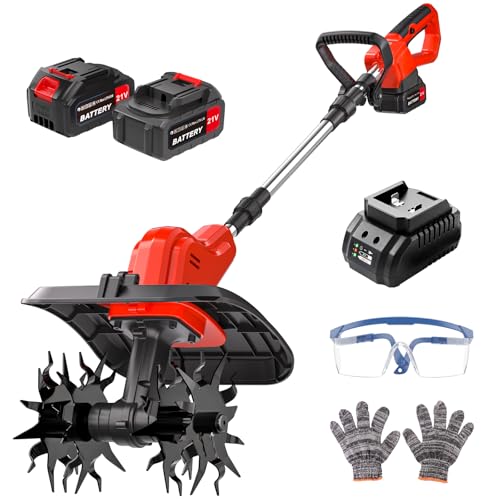
21V Cordless Tiller 11.8″ Width 2×4.0Ah Batteries

VEVOR 43CC 2-Stroke Gas Tiller Cultivator
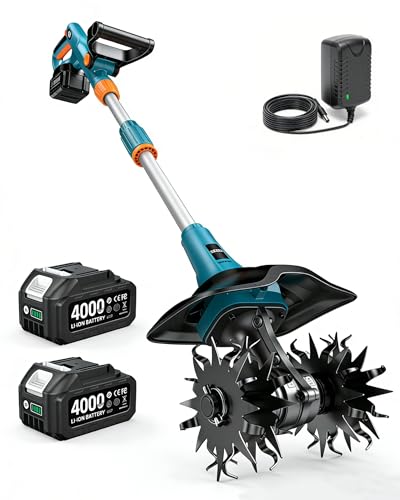
Seesii 20V Cordless Tiller Cultivator

Cordless Tiller Cultivator for DeWalt 20V MAX

Earthquake MC43 43cc 2-Cycle Cultivator

BILT HARD 46cc 4-Cycle Gas Tiller Cultivator 16″
Cordless Tiller Cultivator 360 RPM 48 Steel Tines
Prowoo 72CC 2-Stroke Gas Tiller Cultivator
A Closer Look At Each Pick
Battery tillers have earned a real place in the shed, and the SOARFLY Cordless Tiller Cultivator 9″ Width leans into the strengths of that format. It runs on two upgraded 4.0Ah lithium-ion batteries, giving you the option to swap packs mid-session instead of waiting for a recharge. Pull-cord starting and gas mixing are off the table entirely, which is a meaningful change for weekend gardeners who want to get moving without wrestling a small engine.
The 9-inch tilling width and 6.6-inch depth sit at the compact end of the spectrum, making this a natural fit for raised beds, narrow strip gardens, and weeding between established rows. Compared to the SENIX 4QL covered next, the SOARFLY gives up raw ground coverage for quieter operation and easier storage. You may find it short on torque for breaking new ground, but for routine bed refreshes, it covers the work without much fuss.
Benefits That Matter
- Dual 4.0Ah batteries allow mid-task swapping, reducing downtime on longer sessions
- No gas, no oil mixing, and no pull cord simplify startup for newer gardeners
- Compact 9-inch width slips easily between established plants and tight bed edges
- Lower noise output compared to the SENIX 4QL and VEVOR gas models reviewed here
- Lightweight cordless design stores neatly on a shelf or in a small shed corner
Things To Consider
- Battery capacity tops out at smaller plots; you may find the runtime limiting on full-day projects
- Less torque than the gas models, so hard clay or sod will push this unit to its limits
- Owners commonly report keeping a spare charged battery on hand for uninterrupted work
Right Fit For
Suburban gardeners with raised beds, herb plots, or a small vegetable patch who want a quiet, low-maintenance tool.
Consider Something Else When
The SENIX 4QL 4-Cycle Gas Powered Tiller Cultivator 46cc suits anyone breaking new ground or working a larger mid-size plot.
Gas power earns its keep once your plot outgrows a battery tiller, and the SENIX 4QL 4-Cycle Gas Powered Tiller Cultivator 46cc is built for that step up. The 46cc full crank engine runs on straight gasoline, sidestepping the oil-and-fuel mixing required by 2-stroke designs like the VEVOR reviewed later. A 15-inch tilling width paired with 8 inches of depth covers serious ground in a single pass, which matters when you are turning over a fallow corner of the yard.
Where the cordless SOARFLY trades raw power for convenience, the SENIX leans the other way. Easy-start technology and a full crank setup help reduce the arm-yanking that turns some gardeners off gas tools. Foldable handles collapse the footprint for garage or shed storage, a feature you do not always find in this size class.
What It Does Well
- 46cc full crank engine delivers strong torque for breaking compacted soil
- 15-inch tilling width covers ground quickly, nearly double the SOARFLY’s 9-inch pass
- 4-cycle design eliminates fuel-oil mixing, simplifying refueling
- Foldable handles reduce the storage footprint in tight sheds
- 8-inch tilling depth handles deeper bed prep for root vegetables
Worth Noting
- Heavier than battery options, so maneuvering around tight corners takes more effort
- Gas engine maintenance, including occasional spark plug and air filter checks, is part of ownership
- Louder than cordless picks, which matters in close-set neighborhoods
Key Specs
Made For
Home growers managing mid-size garden plots who want gas torque without the hassle of mixing fuel.
Look Elsewhere When
The SOARFLY Cordless Tiller Cultivator 9″ Width fits anyone working small raised beds who prefers quiet, no-fuel operation.
Runtime anxiety is the biggest hurdle for cordless tillers, and the 21V Cordless Tiller 11.8″ Width is aimed squarely at that concern. Two 4.0Ah batteries ship in the box, and the platform supports up to 120 minutes of claimed runtime under light-duty conditions. The built-in power display is a small but useful touch, letting you monitor remaining charge without guesswork mid-bed.
The 11.8-inch tilling width lands between the SOARFLY’s 9-inch pass and the SENIX 4QL’s 15-inch coverage, which positions this pick for gardeners who want more reach than compact cordless offers but no gas engine. Four steel tines handle the actual soil work, and a 360 RPM motor output drives the rotation. Compared to the Seesii covered later, this model leans toward broader coverage in the cordless category.
Practical Advantages
- Up to 120 minutes of runtime under light use extends working sessions beyond most cordless peers
- 11.8-inch tilling width covers more ground than the SOARFLY without jumping to gas power
- Battery power display reduces the guesswork on remaining charge
- No fuel mixing or pull-cord starting keeps the workflow simple
Points To Note
- Real-world runtime on dense or rocky soil commonly falls short of the maximum claim
- Replacement battery availability outside the original brand may be limited
- Less raw torque than the SENIX 4QL for breaking new ground
Best Suited To
Gardeners with medium beds and softer soils who want extended battery sessions without gas engine maintenance.
Not Your Match When
The SENIX 4QL 4-Cycle Gas Powered Tiller Cultivator 46cc is the better call for heavy clay or unbroken sod.
The VEVOR 43CC 2-Stroke Gas Tiller Cultivator drops into the compact gas category with a 2-stroke engine that prioritizes power-to-weight ratio. Four adjustable front steel tines handle the soil work, and the unit pushes to a maximum cultivation depth around 3.9 inches with an 11.8-inch width. That balance lands it between a weekend bed refresher and a full rotary tiller, which is a useful middle ground for many home growers.
Where the SENIX 4QL removes the fuel mixing step with its 4-cycle design, the VEVOR keeps the traditional 2-stroke format. You will mix oil into the gasoline, but in return you get a lighter overall build and strong torque for breaking ground. The PA6+30%GP and ADC aluminum construction keeps weight manageable at around 31 pounds, and the nylon wheels help you roll the unit to the work rather than carrying it.
Good Reasons To Consider
- 43cc 2-stroke engine delivers strong torque for breaking ground at this size class
- Four adjustable front tines let you tune the working width to your bed
- Nylon wheels simplify transport to the garden or between rows
- Lighter than the larger BILT HARD 46cc and Earthquake MC43 gas options
Trade Offs
- 2-stroke design requires fuel and oil mixing before each fill-up
- Maximum depth of about 3.9 inches trails the SENIX 4QL’s 8-inch reach
- Owners commonly report checking the tine bolts periodically during the first few uses
Quick Facts
Right Fit For
Gardeners working a small to mid-size plot with compacted soil who want gas torque without the heavier 4-cycle frame.
Skip It When
The SENIX 4QL 4-Cycle Gas Powered Tiller Cultivator 46cc serves anyone who wants deeper tilling and no fuel mixing.
Few cordless tools market themselves as soil Swiss Army knives, but the Seesii 20V Cordless Tiller Cultivator leans into the multi-purpose angle. It functions as a tiller, cultivator, and soil mixer in one package, tackling hard ground breakdown, compost blending, and bed aeration without swapping machines. The 20V platform sits at the lower end of the cordless voltage range here, which keeps weight down for overhead or extended sessions.
Where the 21V Cordless Tiller from POGGT focuses on wide coverage and long runtime, the Seesii prioritizes versatility. You get a single tool that handles several soil tasks instead of one tool that does one thing well. For gardeners who mix bed prep, amendment work, and routine weeding, that flexibility tends to earn its place on the shelf.
Strengths Worth Knowing
- Three-in-one design handles tilling, cultivation, and soil mixing in one unit
- 20V platform keeps the tool light and approachable for varied users
- Cordless format works well in gardens without convenient outdoor outlets
- Lower vibration and noise compared to the gas models reviewed here
Honest Caveats
- 20V battery delivers less torque than the higher-voltage cordless options above
- Best suited to already-worked soil rather than breaking new ground
- Compact size may feel underpowered for full vegetable plot preparation
Who It Suits Best
Mixed-bed gardeners who want one tool for several soil tasks rather than a dedicated heavy tiller.
Reach For A Different Pick When
The BILT HARD 46cc 4-Cycle Gas Tiller Cultivator 16″ matches a serious plot overhaul with wider coverage.
Bare-tool garden attachments have grown into a real category, and the Cordless Tiller Cultivator for DeWalt 20V MAX targets the deep bench of DeWalt 20V owners. The unit locks into standard 20V MAX batteries including DCB200, DCB204, DCB205, and DCB206, so existing packs slide in without buying a new power system. That makes the effective cost of entry much lower for anyone already running DeWalt tools around the home.
Power delivery runs through a 300W peak motor, which positions this tiller for cultivation and weeding rather than sod busting. Compared to the MiaEpic covered later, which ships with its own batteries and charger, this unit assumes you already own the energy source. You may find the bare-tool format ideal if batteries are already on hand, and limiting if you are starting from zero.
Features That Help
- Compatible with common DeWalt 20V MAX batteries, reducing extra purchases for existing owners
- 300W peak motor handles routine cultivation and weeding tasks
- No fuel, no cords, and no extra charging platform to maintain
- Lower entry cost when paired with batteries you already own
Small Caveats
- Bare tool only, so shoppers without DeWalt batteries need to factor that in
- 300W peak output is modest for breaking new ground or heavy clay
- Limited to gardeners already invested in the 20V MAX platform
Perfect Match For
DeWalt 20V MAX owners who want to expand their battery platform into garden work without buying a new system.
A Better Fit Elsewhere
The MiaEpic Cordless Tiller Cultivator 360 RPM ships with its own batteries and charger for anyone starting fresh.
The Earthquake MC43 43cc 2-Cycle Cultivator has earned a reputation in the compact gas tiller space, and the spec sheet explains a lot of that goodwill. A 43cc 2-cycle Viper engine drives the unit, with an adjustable tilling width that runs from 6 to 10 inches. That adjustability is a meaningful upgrade for gardeners working between established rows, since you can narrow the pass to avoid slicing through root zones.
Overhand handlebars support both forward and backward operation, which is a small but practical detail when you are backing out of a tight corner near a plant. The solid bronze gear drive is built for durability under load, and U.S.-based customer service gives shoppers a domestic contact for support questions. The 8-inch maximum depth matches the SENIX 4QL and out-reaches the VEVOR 43cc 2-stroke covered earlier.
Practical Pluses
- 6 to 10-inch adjustable tilling width adapts to row spacing and plant zones
- Overhand handlebars support forward and reverse operation around tight spaces
- Bronze gear drive aims for long-term durability under heavy cultivation work
- U.S.-based customer service provides a domestic point of contact for support
- 8-inch maximum depth handles most root vegetable and amendment needs
A Few Limitations
- 2-cycle engine requires fuel and oil mixing before each use
- At 43cc it produces more vibration than 4-cycle gas options like the SENIX 4QL
- Adjustable width tops out at 10 inches, narrower than the BILT HARD 16-inch coverage
Feature Snapshot
Built With In Mind
Gardeners cultivating established beds who need to work around existing plants without damaging root zones.
Another Choice May Suit
The BILT HARD 46cc 4-Cycle Gas Tiller Cultivator 16″ suits larger open plots where maximum width matters more than adjustability.
When a garden plot is measured in hundreds of square feet rather than dozens, the BILT HARD 46cc 4-Cycle Gas Tiller Cultivator 16″ earns a serious look. The 16-inch tilling width is the widest pass in this roundup, and the 46cc 4-stroke engine delivers 1.9 horsepower at 9,200 RPM peak output. That combination cuts down the number of passes required to turn over a large bed, which is where the time savings really show up.
Unlike the Earthquake MC43 and VEVOR 2-stroke options above, the BILT HARD uses a 4-cycle engine that runs on straight gasoline. You skip the premixing step, and you also get smoother low-RPM operation, which matters when you are easing the unit into a row. Adjustable wheels and cushioned handle grips round out a comfort package aimed at longer sessions.
What Stands Out
- 16-inch tilling width covers the widest single pass in this roundup
- 4-cycle engine eliminates the fuel-oil mixing step required by 2-stroke designs
- Heavy-duty steel tines handle dense, compacted, or root-filled soil
- Adjustable wheels let you tune depth and transport ease
- Cushioned handle grips reduce fatigue during extended tilling sessions
Points To Keep In Mind
- Heavier and bulkier than the SENIX 4QL, which has a 15-inch width and foldable handles
- Gas engine requires regular maintenance including oil checks and air filter cleaning
- Width makes it less suited to tight rows, where the Earthquake MC43 adjusts down to 6 inches
Feature Card
Whose Shelf It Belongs On
Large-plot gardeners and small farm owners who need wide coverage and the torque to handle rough ground.
Swap It Out When
The Earthquake MC43 43cc 2-Cycle Cultivator fits tighter spaces where an adjustable 6 to 10-inch width matters more.
Tine count is an underappreciated stat on battery tillers, and the Cordless Tiller Cultivator 360 RPM leans on 48 steel tines to make the most of its 360 RPM motor output. Two 21V 4.0Ah batteries ship with the unit along with a charger, so the package is genuinely ready to run out of the box. A 9-inch tilling width and 7-inch depth position this model for mid-size loose-soil beds where high tine volume helps break up amendments quickly.
Compared to the bare-tool DeWalt-compatible GELIDALITE, the MiaEpic arrives as a complete kit, no separate battery purchase required. The 360 RPM figure matches what several other cordless tillers in this roundup claim, but the 48-tine count gives this unit more cutting edges per pass. You may find that extra tine density meaningful when working compost or freshly amended beds.
Notable Gains
- 48 steel tines handle amendment mixing and bed refreshes efficiently
- Two 21V 4.0Ah batteries plus charger ship in the box, no extra purchases needed
- 9-inch width and 7-inch depth suit mid-size loose-soil beds
- Cordless format frees you from gas mixing and pull-cord starts
Soft Spots
- Best performance is on already-worked soil rather than unbroken ground
- Battery life on dense tasks commonly falls short of the maximum rated runtime
- Less reach than the BILT HARD 16-inch gas option for larger plots
Who Should Grab It
Gardeners maintaining mid-size vegetable beds who want a complete cordless package without buying extras.
Where A Sibling Pick Shines
The Cordless Tiller Cultivator for DeWalt 20V MAX suits anyone already owning DeWalt 20V batteries who wants to skip the included pack.
The Prowoo 72CC 2-Stroke Gas Tiller Cultivator sits at the top of the displacement chart in this roundup, and the 7,500 RPM figure is hard to miss. A 72cc 2-stroke engine drives a 10-inch working width and 5-inch depth, aimed at gardeners who push their tools into rougher ground. The 3-gear adjustable handle is a thoughtful comfort detail, letting you tune the working height to your stature and reduce waist fatigue over long sessions.
Where the SENIX 4QL and BILT HARD 46cc models emphasize smoother 4-stroke operation, the Prowoo keeps the traditional 2-stroke format for higher power-to-weight output. You will mix oil into the gasoline before each fill-up, but in return you get a unit that aims at tougher soil conditions. Compared to the compact Earthquake MC43, this Prowoo runs a wider pass with a deeper bite, but with the extra weight that comes with that displacement.
Notable Upsides
- 72cc 2-stroke engine produces the highest displacement in this roundup
- 7,500 RPM output targets tough, compacted, or root-filled soil
- 3-gear adjustable handle height fits different users and reduces fatigue
- 10-inch working width covers a meaningful area in a single pass
Worth Bearing In Mind
- 2-stroke design requires fuel-oil mixing before each use
- Heavier than the smaller 43cc and 46cc gas options in this list
- 5-inch depth is shallower than the SENIX 4QL and BILT HARD 8-inch reaches
Right Fit For
Gardeners and small farm operators facing demanding soil conditions who prioritize engine output over depth.
Consider Something Else When
The SENIX 4QL 4-Cycle Gas Powered Tiller Cultivator 46cc fits anyone who wants deeper tilling and no fuel mixing.
Factors To Consider When Choosing Gas Powered Cultivators
Engine Type And Power Delivery
The 2-stroke versus 4-stroke distinction shapes how a gas cultivator feels in your hands. A 2-stroke engine, like the one in the VEVOR or Prowoo, runs on a fuel-oil mix and tends to produce more power relative to its weight. A 4-stroke engine, like the SENIX 4QL and BILT HARD 46cc, runs on straight gasoline and generally operates more smoothly at low RPM. Engine displacement, measured in cubic centimeters (cc), gives a rough sense of torque and breaking power, with the 72cc Prowoo at the top and the 43cc units at the lower end.
Tilling Width And Depth
Width controls how much ground you cover per pass, which directly affects how long a job takes. The BILT HARD 16-inch pass finishes a large bed faster than the Earthquake MC43’s adjustable 6 to 10-inch range, but the narrower pass is friendlier around existing plants. Depth matters most for root vegetables and amendment incorporation, and the SENIX 4QL and BILT HARD 8-inch reaches go deeper than the VEVOR 3.9-inch or Prowoo 5-inch ratings.
Power Source And Maintenance
Cordless options like the SOARFLY and MiaEpic skip fuel mixing and pull-cord starting, trading raw torque for convenience. Gas models demand occasional maintenance including spark plug checks, air filter cleaning, and oil monitoring on 4-stroke units. Storage also varies, with foldable handles on the SENIX 4QL saving space in tight sheds compared to fixed-frame designs.
Key Considerations Across These Picks
Common Shopping Slip Ups
A frequent mistake is choosing the widest tilling width without considering row spacing. A 16-inch BILT HARD pass is a liability in narrow raised beds where the adjustable 6 to 10-inch Earthquake MC43 actually fits. Another trap is underestimating the runtime difference between cordless claims and real-world conditions, since dense soil commonly cuts battery life well below the maximum number on the box.
What The Higher Tier Buys
The jump from a 43cc 2-stroke to a 72cc unit like the Prowoo is mostly about power output and the ability to push through rougher ground without bogging down. Stepping from a cordless tiller to a 4-cycle gas model like the SENIX 4QL or BILT HARD buys you longer runtime, deeper tilling, and the ability to break new ground. The honest read is that the upgrade pays off when your plot grows past a few raised beds, while the entry-level cordless options cover small gardens with less hassle.
Frequently Asked Questions
What Is The Difference Between A Tiller And A Cultivator?
A tiller breaks new ground and turns over compacted soil, while a cultivator works existing beds to mix amendments and control weeds. Most products labeled as cultivators in this roundup, including the Earthquake MC43 and BILT HARD 46cc, handle both jobs at smaller scales.
How Deep Should A Gas Cultivator Dig?
For most vegetable gardens, 6 to 8 inches of depth covers root development and compost incorporation. The SENIX 4QL and BILT HARD both reach 8 inches, while compact 2-stroke models like the VEVOR top out closer to 4 inches.
Are Cordless Tillers Powerful Enough For Real Garden Work?
Cordless models like the SOARFLY and MiaEpic handle soft to moderately compacted soil in smaller plots. For heavy clay, sod, or unbroken ground, a gas unit such as the SENIX 4QL or Earthquake MC43 is the more practical choice.
How Long Do Gas Cultivator Engines Typically Last?
With regular oil changes, air filter cleaning, and spark plug replacement, small 4-cycle gas engines commonly last many seasons of home use. 2-stroke models tend to be simpler mechanically but still benefit from fresh fuel mix and periodic tine bolt checks.
Can I Use A Cultivator On Rocky Soil?
Light surface rocks are manageable for most units, but heavy or embedded rocks can stop tines and stress the engine. The Earthquake MC43 and BILT HARD 46cc offer heavier-duty steel tines, though even those benefit from clearing larger rocks before tilling.
Closing Remarks
The right gas powered cultivator comes down to the size of your plot, the soil you are facing, and how much engine maintenance you are willing to take on. Cordless picks like the SOARFLY and MiaEpic earn their place for small, soft-soil beds and quiet operation. Gas models like the SENIX 4QL, BILT HARD 46cc, and Earthquake MC43 handle broader projects with more torque. Match the tool to the ground, and your next bed prep will feel a lot shorter.
