

Spring soil prep and fall cleanup both come with the same headache: compacted ground that a shovel barely scratches. Gas powered tillers cut that labor down to a single, satisfying pass, and the current crop has options for everything from a 10-by-12 raised bed to a half-acre food plot. This roundup covers ten strong contenders across front-tine, rear-tine, and electric-adjacent designs, so you can match a machine to the soil, the space, and the muscle you want to bring to the job.
A Fast Comparison Of The Options

Earthquake Versa 2-in-1 Tiller Cultivator with 99cc 4-Cycle Viper Engine

Honda FG110 Mini Tiller Cultivator (FG110KiAT)

SENIX 4QL 4-Cycle Gas Tiller Cultivator with 46cc Engine and Foldable Handles

VEVOR Gas Powered Tiller Cultivator with 43CC 2-Stroke Engine and 4 Steel Front Tines
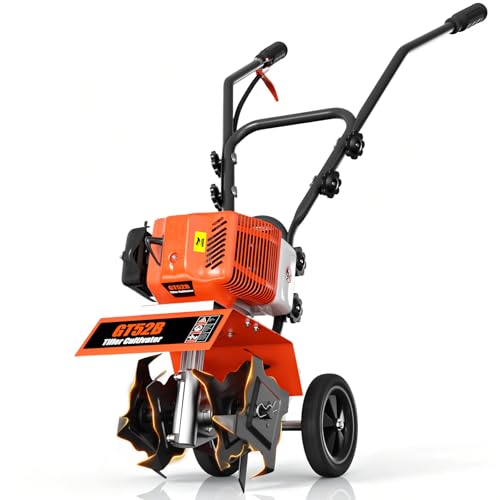
72CC 2-Stroke Gas Tiller Cultivator with 1.5KW 7500RPM Motor and 3-Gear Handle

BILT HARD 46cc 4-Cycle 1.9HP Gas Tiller Cultivator with 16-Inch Steel Tines
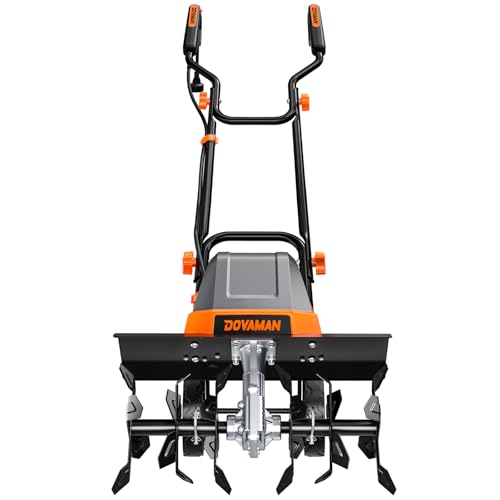
18-Inch Electric Garden Tiller and Cultivator with 15-Amp Corded Motor
Cordless Tiller Cultivator with 360 RPM Motor, 2x 21V Batteries, and 48 Steel Tines
72CC 2-Stroke Gas Tiller Cultivator with 3-Gear Adjustable Handle, 10-Inch Width

212CC 4-Stroke Gas Tiller with 22-Inch Adjustable Tilling Width
What Each Pick Brings To The Table
The Earthquake Versa earns its spot by doing two jobs instead of one, and doing them with a real engine under the hood. The 99cc Viper 4-cycle delivers torque you usually only see in a dedicated tiller, so breaking new ground in spring and maintaining established rows in summer both feel manageable.
Removable outer tines and side shields let you narrow the working width for tight garden rows or open it up for a fresh bed. The 4-cycle design skips the gas-and-oil mixing chore, which matters if you only pull the machine out a few weekends a year.
Everyday Advantages
- Two-in-one tilling and cultivating design covers spring, summer, and fall jobs in one unit
- 99cc Viper 4-cycle engine provides real digging torque without the hassle of mixing fuel
- Removable side shields and outer tines allow you to work between established plants
- Front-tine layout pulls the machine forward, reducing the amount of pushing you do
Worth Noting
- Heavier than mini cultivators, so fatigue builds on long sessions
- Not the right fit for very small raised beds where a compact tiller would maneuver more easily
Right Fit For
Home gardeners with mid-size plots who want one machine to handle new beds, row maintenance, and seasonal cleanup.
Consider Something Else When
The Honda FG110 Mini Tiller suits you better if your work is limited to small raised beds where a lighter, more compact cultivator is easier to control.
The Honda FG110 is the kind of small machine that punches above its size, built around the Honda GX25 mini 4-stroke. The hybrid tine design is genuinely clever: half the blades angle for digging, the other half angle for cultivating, so you switch tasks without swapping accessories.
If your garden lives in raised beds, herb patches, or tight rows between vegetables, the FG110 slips in where wider tillers simply cannot. The 4-stroke also runs quieter and cleaner than the 2-stroke alternatives in this roundup, and starts without a wrestling match.
Useful Highlights
- Honda GX25 4-stroke engine delivers reliable, easy starting for a machine this small
- Hybrid tine design handles both digging and cultivating without accessory swaps
- Compact footprint fits raised beds and tight rows where larger tillers cannot reach
- Quieter operation than comparable 2-stroke cultivators in the same class
Trade Offs
- Working width is narrow, so large open plots take many passes
- Less digging torque than the Earthquake Versa for breaking truly compacted ground
Feature Snapshot
Built With In Mind
Urban and suburban gardeners working raised beds, herb gardens, and tight rows who value quiet, dependable Honda engineering.
Skip It When
The Earthquake Versa fits you better if you regularly break new ground or work wider plots, where the 99cc Viper engine handles the heavier digging.
Where the SENIX 4QL stands out is the practical stuff: a full-crank 46cc 4-cycle engine, no-mix fuel, and handles that fold down for storage. If you keep your tiller in a garage corner or a shed shelf, the folding design genuinely changes the math on whether the machine fits.
The 15-inch tilling width and 8-inch depth cover most home garden work comfortably. The full-crank layout also tends to deliver smoother operation and longer engine life than the cheaper half-crank designs in this category.
The Practical Payoff
- Foldable handles shrink the footprint for shed or garage storage
- Full-crank 46cc 4-cycle engine runs smoother and longer than budget half-crank units
- No-mix fuel system eliminates the gas-and-oil chore at the pump
- 15-inch tilling width and 8-inch depth suit most home garden beds
Honest Caveats
- Not as heavy-duty as the BILT HARD or 212CC Ezasin for compacted soil and large plots
- Recoil starting can be stubborn when the engine is cold, depending on conditions
Whose Shelf It Belongs On
Homeowners with limited shed or garage space who want a mid-size tiller that tucks away neatly between uses.
Look Elsewhere When
The BILT HARD 46cc tiller fits you better if you need 16-inch wide tilling and heavy-duty steel tines for tougher ground.
The VEVOR 43CC tiller targets gardeners who need real digging power without a heavy-duty price tag. The 2-stroke engine and four adjustable steel front tines do the kind of work that basic electric cultivators simply cannot match, especially in packed or clay-heavy soil.
You give up a few comforts compared to the 4-cycle options: there’s fuel mixing, more noise, and a bit more vibration. In return, the machine stays light enough to wrestle into awkward garden corners, and the steel tines hold up well to rocky ground.
What Makes Sense
- 43CC 2-stroke engine delivers real torque at a lower entry point than most 4-cycle options
- Four adjustable steel front tines let you tune the working width for different bed sizes
- Lightweight enough at roughly 31 pounds to maneuver in tight garden spaces
- Steel tine construction handles rocky or rooty soil better than plastic alternatives
Points To Keep In Mind
- 2-stroke engine requires mixing oil into the fuel at every fill-up
- Noisier and vibrates more than the 4-cycle SENIX or Honda alternatives
Feature Snapshot
Best Suited To
Budget-focused gardeners and first-time tiller owners who need steel-tine digging power in small to mid-size plots without overspending.
Reach For A Different Pick When
The Prowoo 72CC 2-Stroke tiller fits you better if you want a higher-RPM engine, a 3-gear adjustable handle, and a wider working span for tougher plots.
The Baotree 72CC tiller is built for gardeners who like high revs and quick work. At 7500 RPM from a 1.5KW 2-stroke engine, it chews through loose soil and turned-over beds faster than smaller 2-strokes, and the 3-gear handle adjustment keeps posture comfortable across long sessions.
The trade-off is the standard 2-stroke reality: fuel mixing, more vibration, and a louder working environment. For an open garden plot away from neighbors, that is rarely a problem.
Noteworthy Benefits
- 72CC 2-stroke engine runs at 7500 RPM for fast tine action in loose and medium soil
- 3-gear adjustable handle height reduces waist fatigue during extended sessions
- 10-inch working width fits comfortably between rows and in smaller garden plots
- Compact frame stores in a shed corner without much fuss
Some Limits To Know
- 10-inch working width means more passes on larger open plots
- 2-stroke fuel mixing is an extra step at every fill-up
Who Will Love This
Gardeners with compact plots who want a fast-revving 2-stroke and an adjustable handle for comfortable weekend tilling sessions.
A Better Fit Elsewhere
The BILT HARD 46cc 4-cycle tiller suits you better if you prefer a no-mix fuel system, cushioned grips, and a wider 16-inch tilling pass.
The BILT HARD 46cc lands in the sweet spot for mid-size gardens, where 15 inches feels too narrow and 22 inches feels like overkill. The 16-inch working width, 1.9HP 4-cycle engine, and heavy-duty steel tines are aimed at gardeners who actually have soil to break, not just fluff.
You get the usual 4-cycle advantages: no fuel mixing, lower noise, and easier starts. Adjustable wheels and cushioned handle grips round out a design that prioritizes long-session comfort and reliable digging.
What Earns Its Place
- 16-inch tilling width covers ground efficiently without becoming unwieldy
- 1.9HP 4-cycle engine provides consistent torque with no fuel-mixing step
- Heavy-duty steel tines hold up to compacted and rocky soil conditions
- Adjustable wheels and cushioned grips reduce fatigue over longer tilling sessions
Worth Bearing In Mind
- Heavier than the VEVOR or Honda options, so transport and storage take planning
- Steel tines can scuff paved surfaces if you pivot the machine on a driveway
Feature Snapshot
Right Fit For
Mid-size garden owners who want a wider 4-cycle tiller with steel tines and comfort features for sustained digging sessions.
Where Another Pick Suits Better
The Ezasin 212CC tiller fits you better if your plot is large enough to need a 22-inch adjustable working width and stronger engine displacement.
The DOVAMAN 18-inch electric tiller is the pick for gardeners who want to skip fuel, oil, and pull-starts entirely. The 15-amp corded motor delivers consistent high torque at 380 RPM, and the 18-inch tilling width covers more ground per pass than most gas options in this roundup.
The catch is the cord. You work within reach of a heavy-duty outdoor extension cord, which makes this machine a natural fit for a back garden near the house rather than a distant food plot.
Everyday Wins
- 18-inch tilling width covers beds in fewer passes than most 2-stroke cultivators
- 15-amp corded motor delivers steady, maintenance-free torque with no fuel mixing
- Push-button start removes the recoil starter from the routine
- Up to 9-inch tilling depth handles vegetable and flower bed prep comfortably
Where It Is Less Suited
- Corded design limits range and requires a heavy-duty outdoor extension cord
- Not built for truly compacted ground where the Earthquake Versa or BILT HARD excel
Feature Snapshot
Who Should Grab It
Home gardeners with established beds near an outdoor outlet who want a low-maintenance, wide-pass alternative to gas tillers.
Swap It Out When
The SENIX 4QL fits you better if your beds sit far from power and you need a portable 4-cycle gas engine with no-mix fuel.
The MiaEpic cordless tiller earns its place by being the easiest machine in this roundup to grab and use. Two 21V batteries, a charger, and 48 steel tines come in the box, so there is no fuel mixing, no pull-cord, and no extension cord to manage. You press a button and start working.
The 9-inch working width and 7-inch depth suit raised beds, herb gardens, and small flower plots. The honest read is that battery power limits how long you can work before swapping cells, and how tough the soil can be before the motor bogs down.
A Few Strong Suits
- Cordless design removes extension-cord management from the workflow
- Two 21V 4.0Ah batteries extend runtime for longer sessions
- 48 steel tines cultivate small beds quickly with no fuel mixing
- Compact frame fits into raised beds and patio planters
Points To Note
- 9-inch working width means many passes for even modest garden plots
- Battery runtime limits how long you can work between charges
Made For
Patio and raised-bed gardeners who want the simplest possible tilling experience without fuel, cords, or heavy machinery.
Not Your Match When
The DOVAMAN 18-inch corded tiller fits you better if you want a wider working pass and unlimited runtime from a corded outlet.
The Prowoo 72CC sits right next to the Baotree tiller covered earlier, and shares most of the same engine and RPM specs. The differentiator is the 3-gear adjustable handle, which lets you set the working height to match your stature and the slope of the plot. On uneven ground, that ergonomic detail matters more than the spec sheet suggests.
Otherwise, the experience is similar: high-revving 2-stroke power, 10-inch working width, and the usual fuel-mixing routine. For gardeners who work long sessions and care about posture, the handle system is the reason to choose this one.
Positive Points
- 3-gear adjustable handle matches operator height and terrain for reduced fatigue
- 72CC 2-stroke engine at 7500 RPM delivers fast tine action in loose soil
- 10-inch working width fits between garden rows and tight plots
- Solid construction handles the typical weekend garden workload
A Few Limitations
- 10-inch working width limits productivity on large open plots
- 2-stroke operation requires fuel mixing and produces more noise than 4-stroke alternatives
Who Will Love This
Gardeners with mid-size plots who prioritize ergonomic handle adjustment and high-RPM 2-stroke performance for longer sessions.
Another Choice May Suit
The VEVOR 43CC fits you better if you want a lighter 2-stroke tiller with adjustable front tines for smaller beds and easier storage.
The Ezasin 212CC is the heavy hitter of the roundup, and the right pick once your “garden” starts looking like a small farm plot. The 212cc 4-stroke OHV engine produces 7HP at 3600 RPM, and the 22-inch adjustable tilling width covers wide rows in a single pass.
You trade convenience for capability: this is a heavier machine with more storage footprint and more engine care. If you regularly work large vegetable plots, food plots, or a sizeable flower field, that trade usually pays off.
Notable Upsides
- 212CC 4-stroke OHV engine with 7HP delivers serious torque for compacted and clay soil
- 22-inch adjustable tilling width covers large plots with fewer passes
- 4-stroke design provides better fuel economy and lower noise than 2-stroke alternatives
- Adjustable width lets you narrow the pass for tighter rows when needed
What To Weigh
- Heavier and bulkier than the rest of the list, so storage and transport need planning
- Overkill for raised beds and small backyard gardens
Feature Snapshot
Best Suited To
Large-plot gardeners and small-acreage food plot owners who need serious engine displacement and wide adjustable coverage.
Look Elsewhere When
The BILT HARD 46cc fits you better if your plot is mid-size, since 16 inches of tilling and a lighter frame are easier to manage day to day.
Matching The Right Tiller To Your Garden And Soil
Engine type, tine layout, and working width do most of the heavy lifting in this category, and the right balance depends on your soil and your plot size. A 4-cycle engine (which runs on straight gasoline, no oil mix) is the friendliest option for casual weekend gardeners, because starting is easier, storage is cleaner, and routine maintenance stays minimal. A 2-stroke engine (which mixes oil into the fuel) delivers more power per pound and lower entry pricing, at the cost of more noise, vibration, and a fuel-mixing step at every fill-up.
Working width and depth matter more than most first-time shoppers expect. A 9 to 11-inch cultivator excels in raised beds and tight rows, while a 16 to 22-inch tiller is the right scale for open vegetable plots and food plots. Steel tines hold up far better than plastic or stamped alternatives when the soil includes rocks, roots, or old sod.
For clay-heavy or compacted ground, prioritize engine displacement (50cc and up for small plots, 200cc+ for serious work) and a working depth of 7 inches or more. For established beds that just need annual fluffing, a smaller-displacement cultivator is often plenty.
Finally, weigh storage honestly. Foldable handles and lighter frames like the SENIX 4QL disappear into a shed corner. Larger rear-tine-style machines like the Ezasin 212CC demand dedicated floor space and a plan for transport to and from the garden.
Pitfalls Worth Skipping Around The Category
Common Shopping Slip Ups
The most frequent mistake is buying a tiller too small for the soil. A 43CC or 46CC cultivator feels lively in worked garden soil but bogs down in compacted or clay ground, and forcing it just wears the engine. Match the engine size to the soil, not the price tag.
Another pitfall is ignoring the fuel system. Gardeners who only use a tiller a few times a year often find a 4-cycle no-mix engine far more pleasant than a 2-stroke that needs fresh mixed fuel sitting in the carburetor between sessions. Stale mixed fuel is a common cause of starting trouble reported by owners.
What The Higher Tier Buys
Spending up in this category usually buys three things: a full-crank 4-stroke engine, heavier steel tines, and a wider adjustable tilling pass. Each of those helps when the soil is rough or the plot is large.
The upgrade is genuinely worth it for gardeners who break new ground regularly or maintain plots over 1,000 square feet. For a few small raised beds refreshed once a year, a lighter mid-tier tiller covers the job with less hassle and lower storage demands.
