

Walking the yard and spotting crabgrass pushing through a Kentucky blue patch is one of those small frustrations that adds up fast. Whether you’re clearing a fence line of invasive grass or restoring a tired lawn one stubborn weed at a time, the right product changes the entire job. The picks below separate selective formulas (safe on lawn grass when used as directed) from total vegetation killers, so you match the bottle to the chore.
Your Options, Compared
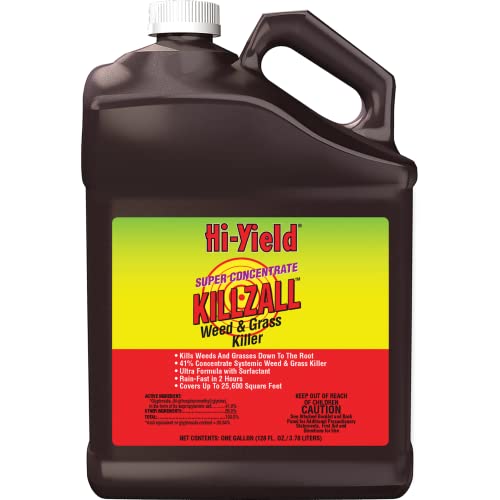
Hi-Yield Super Concentrate Killzall 1 gal
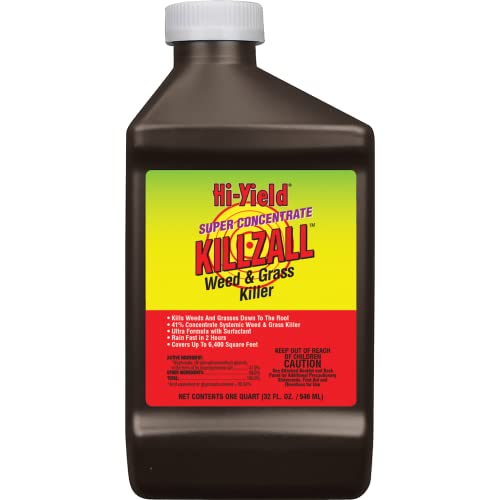
Hi-Yield Super Concentrate Killzall 32 oz

Roundup Dual Action 365 1.33 gal

Spectracide Weed Stop Plus Crabgrass 32 oz
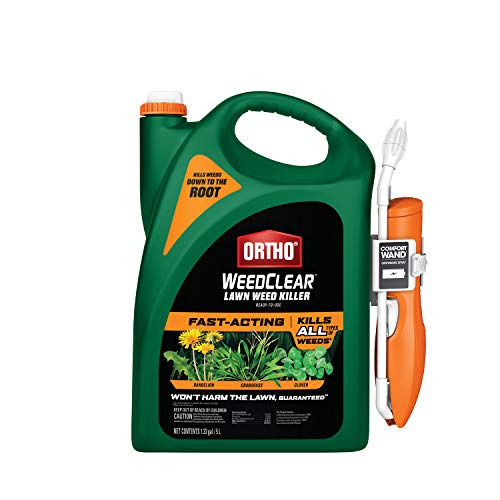
Ortho WeedClear Comfort Wand 1.33 gal

Ortho WeedClear Ready-to-Use Refill 1.33 gal

Roundup for Lawns2 Concentrate 32 oz

Ortho GroundClear Super 0.5 gal

Roundup Crabgrass Destroyer2 64 oz

Roundup for Lawns1 Refill 1.25 gal
Inside Each Recommended Option
Prepping a future garden bed or reclaiming a gravel drive from creeping Bermuda? This gallon jug of Hi-Yield Killzall is built for total vegetation wipeouts, not selective lawn touch-ups. The double-surfactant formula, surfactants being the wetting agents that help the active ingredient spread across and stick to leaf surfaces, is designed to flash-dry on contact, which gets rain-resistant absorption started quickly.
Coverage on the label reaches up to 25,600 square feet per gallon, so a single bottle handles most suburban side yards when properly diluted. You’ll want a pump sprayer, gloves, and a calm day with no wind drift toward desired plants.
A Strong Showing
- Large 1 gal size covers up to 25,600 sq ft when mixed to label rates
- Targets grasses, broadleaf weeds, and woody brush in one pass
- Dries fast on plant surfaces to start working quickly
- Concentrate format keeps per-treatment cost low for big jobs
Things To Consider
- Not safe for use on lawns, only for areas you’re clearing completely
- Requires a separate pump sprayer and careful measurement for best results
- Storage of a full gallon takes up shed space over the off-season
Key Specs
Who It Suits Best
Homeowners clearing large non-lawn areas, prepping a new garden bed, or maintaining gravel paths need total vegetation control and have the gear to apply a concentrate safely.
Consider Something Else When
If you’re spot-treating weeds inside a living lawn, the Spectracide Weed Stop Plus Crabgrass 32 oz gives you selective control without risking the surrounding turf.
Same active ingredient and surfactant system as the gallon jug, just sized for a weekend project. The 32 oz bottle of Hi-Yield Killzall covers up to 6,400 square feet, which fits a typical patio surround, fence line, or small driveway with room to spare.
It’s a friendlier starting point if you’ve never mixed a concentrate before. You can finish the bottle in one season, store it on a shelf, and skip the leftover-chemical question hanging over the bigger container.
Everyday Wins
- Same broad-spectrum control as the larger jug in a smaller bottle
- Up to 6,400 sq ft of coverage suits modest clearing jobs
- Easier to store in a garage or utility closet between seasons
- Lower upfront cost for first-time users
Worth Noting
- Still not for use on lawns, only for areas you want fully cleared
- You’ll need a pump sprayer to apply it properly
Right Fit For
Shed-owning homeowners with a one-time patio, walkway, or fence-line project who want a manageable bottle instead of committing to a full gallon.
Look Elsewhere When
For selective weed control inside a living lawn, the Ortho WeedClear Comfort Wand 1.33 gal skips the mixing step entirely.
Pulling weeds only to watch new ones sprout a month later is a familiar cycle. Roundup Dual Action 365 combines a foliar kill with a residual pre-emergent, a barrier ingredient that stops weed seeds from germinating, so treated soil stays clear for up to a year on the label.
The 1.33 gal bottle comes with a Pump ‘N Go 2 pressurized sprayer, which means no pumping by hand. You’ll point, squeeze, and walk. For long gravel borders or areas where you’re trying to keep growth down for an entire season, that combo changes the workload.
Benefits That Matter
- Kills existing growth and prevents regrowth for up to 12 months
- Battery-assisted Pump ‘N Go 2 sprayer reduces hand fatigue
- Tackles tough species including crabgrass, clover, and poison ivy on the label
- Rainfast in around 30 minutes once it dries on foliage
Trade Offs
- Not for use on lawns or anywhere you plan to replant grass soon
- Pre-emergent barrier means you can’t overseed the area for a year
- Heavier bottle to haul around a large yard
Feature Snapshot
Made For
Homeowners maintaining long fence lines, gravel driveways, or storage areas where repeat weeding every few weeks has gotten old.
A Better Fit Elsewhere
For selective control inside a healthy lawn, the Roundup for Lawns2 Concentrate 32 oz is designed to spare the turfgrass while targeting listed weeds.
Selective herbicides are the workhorses of lawn care. They kill listed weeds while leaving common turfgrass unharmed when applied correctly. Spectracide Weed Stop For Lawns Plus Crabgrass Killer concentrate covers both broadleaf and grassy weeds, including crabgrass, in one jug.
The 32 oz bottle hooks up to a standard garden hose-end sprayer. You dilute as you go, so there’s no pre-mixing in a bucket. For a homeowner with a half-acre lawn and a few persistent trouble spots, this format keeps the routine simple.
The Helpful Details
- Targets both broadleaf weeds and crabgrass in one product
- Designed for use on established lawns when used as directed
- Concentrate format keeps storage footprint small
- Pairs with most standard hose-end sprayers
Points To Keep In Mind
- Effectiveness depends on weed type, growth stage, and grass species
- Requires a separate hose-end sprayer if you don’t already own one
- Some stubborn perennial weeds may need repeat treatments per the label
Best Suited To
Suburban homeowners dealing with mixed broadleaf and grassy weed pressure who want one selective product to handle both during a typical treatment round.
Skip It When
For pre-mixed convenience with no setup, the Ortho WeedClear Comfort Wand 1.33 gal is ready to use straight out of the bottle.
For people who would rather not measure, pour, or calibrate anything, the Ortho WeedClear Comfort Wand comes pre-mixed in 1.33 gal with a battery-powered wand attached. You flip the switch, point at a dandelion, and pull the trigger.
The formula targets over 200 listed broadleaf and grass weeds down to the root, including dandelion, clover, and crabgrass, while being safe on common lawn grasses when used as directed. For first-timers or anyone who treats weeds two or three times a season, the convenience is hard to overstate.
Points In Its Favor
- Pre-mixed formula means no measuring or diluting
- Comfort Wand reaches weeds without bending or kneeling
- Targets a wide range of listed lawn weeds down to the root
- Rainproof shortly after application per the label
Honest Caveats
- Bulkier to store than a small concentrate bottle
- Pre-mixed format typically costs more per ounce than concentrates
Who Should Grab It
Anyone who wants a grab-and-spray solution without buying extra equipment or learning concentrate math, especially for spot treatments across a typical yard.
Another Choice May Suit
For larger lawns where concentrate cost adds up, the Spectracide Weed Stop Plus Crabgrass 32 oz is a more economical per-ounce option.
Once you’ve bought the Ortho Comfort Wand setup, the empty bottle is reusable. This 1.33 gal refill pours straight in, no new sprayer needed, which is the whole point. Same selective formula, same broadleaf and grass weed coverage as the original, minus the wand cost.
For households that treat weeds every spring and fall, buying refills instead of full starter kits is the sensible long-term play. You keep the hardware and just top off the tank.
Where It Excels
- Lower cost per ounce than the full starter kit
- No new sprayer or wand to buy or store
- Same ready-to-use convenience as the original bottle
- Reduces plastic waste by reusing the original container
Less-Strong Areas
- Useless without a compatible Ortho wand already on hand
Whose Shelf It Belongs On
Existing Ortho Comfort Wand owners planning their second or third treatment round who want to keep the same tool without paying for duplicate hardware.
Reach For A Different Pick When
For a more aggressive grassy-weed focus on a northern lawn, the Roundup for Lawns Crabgrass Destroyer2 64 oz is built for that specific job.
Cool-season lawns like Kentucky bluegrass, fescue, perennial ryegrass, and zoysia need selective herbicides that spare the turf. Roundup for Lawns2 Concentrate is formulated for those northern grass types and lists control of 253 weeds on the label, including dandelion, clover, crabgrass, and yellow nutsedge.
The 32 oz concentrate dilutes into a pump or hose-end sprayer and provides up to three months of weed control per treatment. For a homeowner who’s moved past one-off dandelion pulling and wants a real seasonal program, this is the kind of product that earns its place on the shelf.
The Practical Payoff
- Selective formula designed for northern turfgrass species
- Long list of controlled weeds covers most lawn trouble spots
- Concentrate format is cost-effective across a full yard
Possible Compromises
- Not labeled for warm-season grasses like St. Augustine or Bermuda
- Requires proper dilution and a compatible sprayer
- Repeat treatments may be needed for tough perennial weeds per the label
At A Glance
Who Will Love This
Homeowners with established cool-season lawns who want a single selective concentrate to handle a wide weed spectrum across a full growing season.
Swap It Out When
For ready-to-spray convenience without dilution, the Ortho WeedClear Comfort Wand 1.33 gal is a better fit for spot-treaters who don’t want to mix.
Cracks in a driveway, edges along a walkway, the strip beside a retaining wall. Ortho GroundClear Super is built for those hard-to-mow, hard-to-pull spots where you want nothing green coming back anytime soon. The half-gallon bottle includes a Comfort Wand, so it’s ready to use without buying extra gear.
The dual-action formula works on contact and then moves into the root system. For tough perennial grasses that keep resprouting from underneath pavement, that root kill is the difference between a one-time fix and a recurring chore.
Useful Touches
- Pre-mixed with Comfort Wand for immediate use
- Dual-action formula combines contact burn and root kill
- Targets tough species like crabgrass, dallisgrass, and clover on the label
- Compact half-gallon size is easier to carry than larger jugs
Worth Bearing In Mind
- Not selective, so any nearby desirable plants need shielding
- Smaller volume means more refills for very large paved areas
Perfect Match For
Homeowners fighting grass and weeds that push through driveway cracks, patio edges, or fence lines and want a ready-to-spray total killer.
Not Your Match When
For selective control inside a living lawn, the Roundup for Lawns2 Concentrate 32 oz is the safer pick.
Crabgrass is a different beast from broadleaf weeds because it’s actually a grass itself, so a general broadleaf killer won’t touch it. Roundup for Lawns Crabgrass Destroyer2 is formulated specifically for grassy weeds like crabgrass, foxtail, goosegrass, and barnyardgrass while leaving listed turfgrass unharmed when used as directed.
The 64 oz bottle hooks up to a standard hose-end sprayer. One nice detail on the label: you can apply it before seeding, including the day of seeding on listed turf types, which gives more flexibility during lawn renovation timing.
What Makes Sense
- Specifically formulated for grassy weeds, including crabgrass
- Can be applied around seeding time on listed turf types
- Larger 64 oz size covers more area than typical 32 oz bottles
Small Caveats
- Narrower spectrum than general broadleaf-and-grass products
- Not labeled for every turfgrass species, so check the label first
Right Fit For
Lawn owners with stubborn crabgrass or foxtail patches who want a targeted approach rather than a broad-spectrum selective product.
Where A Sibling Pick Shines
For a wider weed spectrum beyond just grassy weeds, the Roundup for Lawns2 Concentrate 32 oz lists 253 types.
The Roundup for Lawns1 Refill is the pour-in bottle for anyone who already owns the Roundup Extend Wand sprayer. At 1.25 gal, it tops off the tank without buying duplicate hardware, which keeps the long-term cost of a selective weed program reasonable.
The formula targets 253 listed weeds and is labeled safe on northern grasses like bluegrass, fescue, zoysia, and perennial ryegrass when used as directed. For a multi-season lawn routine, a refill bottle fits the rhythm better than a starter kit every spring.
Advantages To Know
- Designed to pour directly into the Roundup Extend Wand
- Broad list of controlled weeds on the label
- Lower long-term cost than buying a full starter kit every year
Where It Is Less Suited
- Requires a compatible Roundup Extend Wand to use
- Not for warm-season grass lawns, only northern types per the label
Built With In Mind
Existing Roundup Extend Wand owners with established cool-season lawns who want a cost-effective refill for routine seasonal treatments.
Where Another Pick Suits Better
For total vegetation control along fence lines or gravel areas, the Roundup Dual Action 365 1.33 gal handles the kill-and-prevent job in one pass.
Picking The Right Formula For Your Yard
Choosing grass killers for lawns comes down to one core question first: do you want to kill everything in the area, or just the weeds without harming the turf? Total vegetation killers (sometimes called non-selective herbicides) wipe out all plant material on contact and are the right tool for driveways, fence lines, and bed prep. Selective herbicides are formulated to target specific weed types while leaving listed turfgrass unharmed when used as directed.
Match The Product To Your Grass Type
Cool-season lawns (bluegrass, fescue, ryegrass, zoysia) pair with most selective products on the market. Warm-season lawns (Bermuda, St. Augustine, centipede, Bahia) are pickier, and many selective products warn against use on them. Reading the label for your specific turf species prevents yellowing or damage that can take a full season to grow out. You may find that a product labeled for bluegrass actually does fine on zoysia, but check before committing.
Concentrate Versus Ready-To-Use
Concentrates cost less per ounce and let you mix only what you need, but they require a sprayer, measuring, and some comfort with dilution math. Ready-to-use bottles trade higher per-ounce cost for zero setup. A household treating weeds two or three times a year on a small lawn may not save enough with concentrate to justify the extra gear. A larger property with regular treatments usually comes out ahead mixing from concentrate.
Think About Residual Action
Some products only kill what’s already growing, while others add a pre-emergent barrier, an ingredient that stays in the soil to stop weed seeds from germinating, that keeps new weeds from sprouting for months. Residual products are ideal for gravel areas, fence lines, or anywhere you’re not planning to replant. For lawn spots where you might overseed in the fall, a non-residual selective is the safer pick.
Application Conditions Matter
Most selective herbicides work best when the lawn is actively growing, not stressed by drought, and the air is calm. Spraying on a windy day increases drift onto desirable plants, while spraying right before a heavy downpour can wash the product off before it’s absorbed. Morning applications once dew has dried tend to give the most consistent results, though specific product labels may suggest otherwise.
Smart Considerations Before You Buy
Common Buying Slip Ups
Grabbing a total vegetation killer when you actually needed a selective lawn product is the most common mistake, and it shows up as dead patches in the turf. The other regular miss is buying a concentrate without owning (or budgeting for) a compatible sprayer. A bottle of concentrate with no way to apply it doesn’t save you anything. Check the existing tools in your shed before choosing between concentrate and ready-to-use formats.
What The Higher Tier Buys
Premium-priced grass killers for lawns typically add either a longer residual window (12 months versus 3), a broader weed spectrum, or a more comfortable application system like a battery-assisted wand. For most home lawns, a mid-priced selective product handles the job well. Spending up makes more sense when you’re maintaining a larger property, dealing with multiple tough species, or simply value the convenience of pre-mixed application over multiple seasons of work.
