

Sloping yards don’t forgive guesswork. After a heavy rain, unprotected hillsides shed topsoil, lose seed, and leave you with a patchwork of bare patches. Picking the right seed blend, and pairing it with the right protective blanket, turns that mess into a rooted, stable surface that holds up through the seasons ahead.
The Choices Worth Comparing
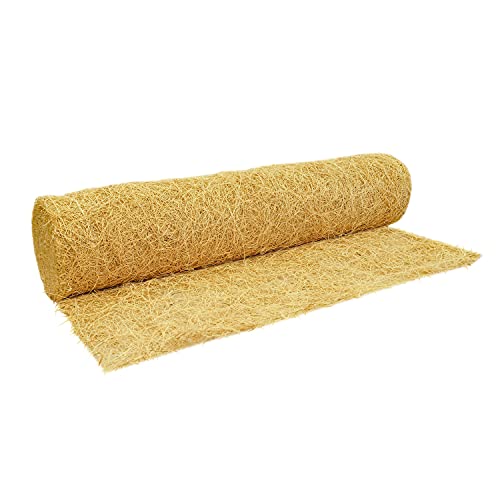
American Excelsior QuickGrass Pro Blanket 2-1/2’x50′

Scotts Turf Builder Rapid Grass Sun & Shade Mix 2.4 lbs.

O.M. Scott & Sons Tall Fescue Blend Grass Seed 8 lbs.
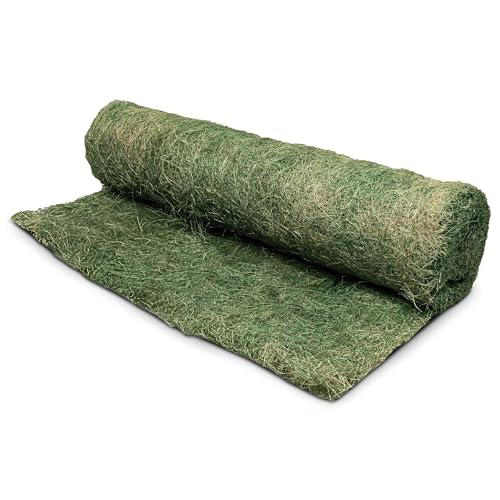
Dewitt Single Net Excelsior Blanket 4×112.5 Ft
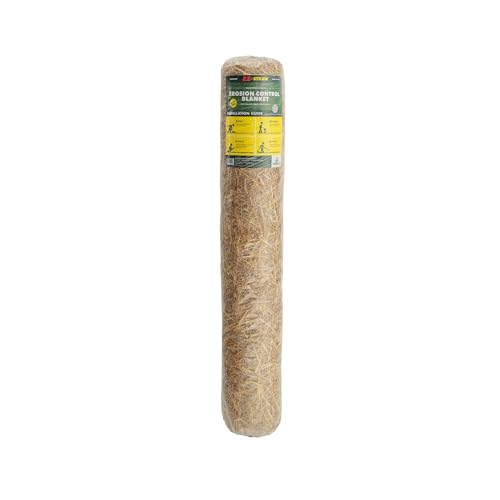
EZ Straw Germination Blanket 4 ft x 50 ft

Scotts PatchMaster Lawn Repair Mix 4.75 lbs.

Lesco All-Pro Transition Tall Fescue Blend 50 lbs.

Eretz Contractor’s Grass Seed Blend 10 lb

American Excelsior QuickGrass Pro Blanket 4’x50′

QuickGRASS Pro Jute Net Blanket 4’x50′
Why These Options Stand Out
American Excelsior’s QuickGrass Pro blanket is a narrow 2.5-foot roll, which sounds humble until you picture a steep embankment or a tight drainage swale. The slim profile lays flat without bunching, and the curled wood fibers cling to the soil, holding freshly spread seed in place through rain. You won’t find seed inside this roll, so you’ll pair it with the fescue or ryegrass mix that fits your region.
Homeowners tackling a single hillside tend to find the size manageable to carry and unroll solo. The blanket is degradable, so it disappears once the root system takes over, leaving nothing to pull up later. The trade-off: the 50-foot length runs out fast on bigger properties, so you may need several rolls side by side.
Notable Gains
- Narrow 2.5-foot width fits curved slopes and tight channels without heavy trimming
- Curled wood fibers interlock with soil, anchoring seed against runoff
- Degradable construction breaks down naturally once grass establishes
- Lighter roll weight makes solo installation realistic for one person
Worth Noting
- Contains no seed, so you must source and apply seed separately
- The 50-foot run can feel short on long hillsides, requiring multiple rolls
- Staple guns and pins are typically needed to hold edges down on steeper grades
Key Specs
Who It Suits Best
Homeowners with a single steep bank or narrow drainage swale who want a manageable roll they can install without a crew.
Where Another Pick Suits Better
The Dewitt Single Net Excelsior Blanket covers more than twice the ground per roll and suits properties where a long, continuous embankment dominates the project.
Scotts Turf Builder Rapid Grass is built for speed, pairing seed with a starter fertilizer in one bag so you skip a separate feeding step. The sun and shade blend adapts to a yard where sun exposure shifts across the day, which is common on sloped lots with mature trees at the base. Germination is engineered to move faster than unfed seed, giving you green cover before the next big rain.
For mild inclines, this mix gives a quick visual win. Steep grades still need a blanket or straw cover, since the seed itself won’t cling to the slope on its own. The 2.4-pound size works for small repair areas, and the six-pack configuration stretches the coverage.
The Upside
- Seed and fertilizer combined cuts a step from the planting routine
- Sun and shade versatility handles mixed-exposure yards well
- Fast-germinating blend speeds up visible results after sowing
Trade Offs
- On grades steeper than a gentle slope, seed washes away without a protective blanket or straw mat
- Small 2.4-pound bag may not be enough for whole-hill coverage
- Fertilizer component adds a short shelf-life window once the bag opens
Right Fit For
Homeowners patching mild slopes or transitional areas where fast green-up matters more than heavy-duty erosion defense.
Skip It When
The Scotts PatchMaster Lawn Repair Mix is the better pick for small bare patches, since it ships with mulch to hold seed in place right out of the bag.
Tall fescue is a workhorse for slopes, and O.M. Scott & Sons lean on more than a century of lawn expertise to put a clean blend together. The deep root system fescue develops is the real selling point, because roots are what lock soil against sliding during storms. An 8-pound bag covers a meaningful stretch of hillside without breaking into a second bag mid-project.
You may find the germination pace slower than a ryegrass-heavy mix, so patience is part of the plan. Pair this seed with one of the erosion blankets above on anything beyond a gentle grade, and you’ll get the long-term anchor you’re after.
A Few Strong Suits
- Deep fescue root system grips soil and holds hillsides long-term
- Clean blend with no added fillers, so the seed count per pound is solid
- 8-pound bag suits a full residential slope without constant refilling
Honest Caveats
- Slower germination than ryegrass-dominant blends, so results take longer
- Seed alone won’t stop erosion on steeper grades, requiring a blanket
- Premium positioning makes the per-pound cost higher than commodity blends
Made For
DIY homeowners who want a long-term slope solution and don’t mind waiting a little longer for the deep-root payoff.
Look Elsewhere When
The Eretz Contractor’s Grass Seed Blend mixes ryegrass for fast cover with fescue for roots, a better fit when you need quick stabilization on a new build.
Dewitt’s single-net excelsior blanket is the long-haul option in this list, stretching 112.5 feet per roll and covering 450 square feet of ground. The aspen wood fibers are evenly distributed so there are no thin patches where rain can punch through. A photodegradable top net holds everything in place during the establishment window, then breaks down under sunlight once roots take over.
For large embankments, ditch bottoms, or roadside grading, this is the roll that lets you cover ground in fewer seams. You’ll need a helper to position the roll, since the weight adds up fast. Like other blankets here, no seed is included, so plan your seed application first.
What Earns Its Place
- 112.5-foot length minimizes seams on long, continuous slopes
- Aspen excelsior fibers are evenly spread to avoid weak spots
- Photodegradable top net secures fibers during the germination window
Points To Keep In Mind
- Heavier roll weight makes solo handling challenging on uneven ground
- Requires staples or pins at regular intervals to stay anchored
- Does not include seed, so a separate purchase is necessary
Quick Facts
Who Should Grab It
Property owners with long, uninterrupted slopes or drainage channels where reducing seams means better erosion control.
Another Choice May Suit
The American Excelsior QuickGrass Pro Blanket 4’x50′ is friendlier for smaller residential jobs, where a 112-foot roll would be overkill.
EZ Straw’s germination blanket takes the guesswork out of slope seeding for first-timers. Clean processed straw is woven into a mat that lays flat, holds moisture against the seedbed, and stops soil from washing downhill. At 4 by 50 feet, you cover 200 square feet, which lines up nicely with the small residential slope that most homeowners actually face.
The blanket is biodegradable, so it tucks itself into the soil once the grass fills in. Depending on your slope length, you may need two rolls, since 50 feet runs out quickly on long hills. The honest read: it’s a great starter blanket, but for very steep grades, a heavier excelsior product may hold up better.
A Favorable Mix
- Clean processed straw is gentle to handle, no sharp wood fibers
- Biodegradable design disappears into the soil over time
- 200 sq ft coverage suits typical backyard projects
Possible Compromises
- Less structural strength than excelsior blankets on very steep grades
- 50-foot length may require multiple rolls for long hills
- No seed included, so you’ll apply your own before laying
Best Suited To
First-time slope planters who want a forgiving, easy-to-position blanket without sharp fibers or heavy lifting.
Swap It Out When
The Dewitt Single Net Excelsior Blanket offers stronger fiber structure for steep embankments where straw alone might not anchor.
PatchMaster is the lazy-but-effective solution for bare spots that pop up on a sloped yard. The mix ships pre-blended with Perennial Ryegrasses, Fine Fescues, Kentucky Bluegrass, recycled mulch, and fertilizer, so you open the bag and start spreading. The mulch component is the unsung hero, because it holds seed and moisture against the slope long enough for roots to form.
For spot repairs, the sun and shade blend adapts to whatever the patch sees across the day. The 4.75-pound bag handles a cluster of small bare areas, though you’ll need several bags for an entire hillside.
Where It Helps
- All-in-one blend removes the need to buy seed, mulch, and fertilizer separately
- Recycled mulch holds moisture and seed in place on mild slopes
- Sun and shade formula adapts to mixed-light patches
Less Ideal Details
- Mulch blanket is thin, so very steep or large areas still need a separate erosion mat
- Bag weight covers small patches rather than full hillsides
- Higher per-pound cost than bulk seed when scaling up
Whose Shelf It Belongs On
Homeowners patching scattered bare spots on a sloped yard who want one bag to handle seed, mulch, and feeding in a single pass.
Where A Sibling Pick Shines
For whole-hill coverage rather than patches, the O.M. Scott & Sons Tall Fescue Blend delivers better economics and deeper roots.
Lesco’s All-Pro blend is a professional-grade tall fescue designed for transition zones, those parts of the country where summers are punishing and winters still bite. The 50-pound bag covers up to 10,000 square feet when overseeding, or 6,250 square feet on a new lawn at the heavier rate. That’s serious coverage for a serious slope project.
The endophyte enhancement is a quiet but useful feature: it naturally deters surface-feeding insects like chinch bugs and sod webworms, so the lawn needs less chemical intervention. For residential shoppers, the bag is heavy and may be more seed than a typical yard needs, but for a large property or acreage, the per-pound math works in your favor.
A Few Highlights
- Endophyte enhancement offers natural insect resistance without sprays
- Up to 10,000 sq ft coverage at overseeding rate suits large properties
- Heat, drought, and moderate shade tolerance fits transition-zone climates
Some Limits To Know
- 50-pound bag is heavy to move and may exceed small-yard needs
- Higher per-bag cost upfront, even if per-pound is competitive
- Best paired with a separate erosion blanket on steep grades
Who It Suits Best
Property owners with large sloped lawns in transition zones who want professional-grade coverage and natural insect resistance.
Consider Something Else When
Small residential hillsides are better served by the O.M. Scott & Sons Tall Fescue Blend 8 lbs., which avoids oversupply and waste.
Eretz’s Contractor’s Blend mixes Annual Ryegrass, Perennial Ryegrass, and Tall Fescue, a trio built for fast cover and lasting roots. The Willamette Valley growing region has a reputation for clean seed, and the brand emphasizes premium grade with no weed seeds or fillers. Quick germination makes it a common sight on new construction sites where erosion control can’t wait.
You may find the bag more economical when buying in the larger size options Eretz offers. For slopes, the ryegrass component is what gives you quick green cover while the fescue establishes underneath. It’s a hybrid strategy that handles both the short-term stabilization and the long-term root anchor.
Benefits That Matter
- Triple-blend formula delivers fast cover and deep roots in one pass
- No weed seeds or fillers means cleaner establishment
- Suitable for erosion control, overseeding, and new construction alike
What To Weigh
- Annual ryegrass component dies off in some climates, leaving gaps if perennial coverage lags
- Seed-only approach still requires a blanket for severe slopes
- Limited size options on the listing may not fit every project scale
Perfect Match For
New construction lots and quick-stabilization projects where rapid germination matters as much as long-term root depth.
Not Your Match When
The Lesco All-Pro Transition Tall Fescue Blend is the stronger pick for established transition-zone lawns that need drought and insect resilience over raw speed.
The 4-by-50-foot QuickGrass Pro is the middle child of the American Excelsior line, wider than the 2.5-foot roll and shorter than the Dewitt’s 112-foot beast. That middle weight makes it a flexible match for typical residential slopes where you want fewer seams than a narrow roll but don’t need to cover half an acre. The vibrant green color blends in visually while the curled fibers do the work.
This blanket is weed seed free and contains no seed, so you apply your own fescue or ryegrass before laying it down. Installation goes fast because the width covers a slope in fewer passes. You’ll still want staples to anchor the edges on any grade beyond gentle.
Everyday Advantages
- 4-foot width balances coverage and handling for residential projects
- Vibrant green color blends into the landscape during establishment
- Weed seed free so it won’t introduce unwanted plants
Where It Is Less Suited
- Staples are still required on moderate to steep grades to prevent slipping
- 50-foot length may fall short on extended slopes
- No seed included, requiring a separate purchase and sowing step
Feature Snapshot
Built With In Mind
Homeowners with an average-sized residential slope who want a balance of coverage and manageable roll weight.
A Better Fit Elsewhere
The Dewitt Single Net Excelsior Blanket 4×112.5 Ft suits longer, more continuous embankments where a 50-foot roll creates too many seams.
The QuickGRASS Pro with jute net is the eco-leaning pick in this list. Jute is a natural plant fiber, so the netting breaks down into the soil without leaving synthetic fragments behind. The wood excelsior fibers underneath cling to soil particles, building a stable seedbed that holds through rain and wind.
For homeowners who want their erosion control to be as natural as the grass it’s protecting, the jute net is a quiet win. The blanket is weed seed free and made in the USA, matching the brand’s long-standing domestic production. It installs the same way as the other QuickGrass Pro rolls, so the learning curve is low.
Noteworthy Benefits
- All-natural jute net is fully biodegradable over time
- Wood excelsior fibers anchor seed against runoff
- Made in the USA with weed seed free construction
Points To Note
- Jute netting may degrade faster than synthetic nets in very wet conditions
- Requires staples for proper installation on sloped ground
- No seed included, so a separate application step is needed
Feature Rundown
Who Should Grab It
Eco-minded homeowners who prefer all-natural materials and want their erosion control to disappear cleanly into the soil.
Reach For A Different Pick When
The American Excelsior QuickGrass Pro Blanket 4’x50′ uses the same coverage footprint for shoppers who don’t need the natural-fiber net specifically.
What Matters Most When Choosing A Slope Seed And Blanket Combo
Matching the right seed to the right slope starts with climate. Tall fescue thrives in transition zones where summers stress cool-season grasses and winters still bite, while ryegrass-heavy blends deliver fast cover when you need stabilization now and long-term roots later. For a sun-baked southern slope, drought tolerance matters more than shade tolerance, and a blend’s endophyte content can spare you repeated insecticide applications on larger properties. In northern or coastal climates, fine fescues and Kentucky Bluegrass often anchor better than a ryegrass front-runner.
Blanket choice is the other half. Excelsior blankets, made of curled wood fibers, grip soil aggressively and suit steep grades where seed wants to wash away. Straw blankets lay down faster and cost less, but they’re a softer option for gentle slopes. Jute netting appeals to shoppers who want everything to break down into the soil without synthetic residue. The key trade-off is structural strength versus ease of installation: heavier blankets hold better but require more hands and more staples.
Coverage math closes the loop. A 50-pound bag of seed covers far more square feet than an 8-pound bag, but only if you actually need that much. For a small backyard slope, an oversized bag leaves you storing leftover seed, and seed loses viability over time. Measure the slope area, add a buffer for overseeding thin spots, and match the bag size to the actual project rather than buying for imagined expansion.
Key Considerations Across These Picks
Mistakes Worth Dodging
Skipping the blanket on a slope steeper than a gentle grade is the most common misstep. Seed alone, even a premium blend, washes downhill before roots form. Equally, ignoring the match between climate zone and grass type leads to a lawn that germinates and then dies back in the first heat wave. Always check whether the blend suits your region’s temperature swings before buying.
Where The Extra Money Goes
Premium-priced seed blends typically include endophyte enhancement, cleaner sourcing with fewer weed seeds, and more rigorous purity standards. A heavier blanket costs more because the fiber content is denser and the netting is more durable, both of which translate to fewer seams and longer anchoring on steep ground. The upgrade pays off on larger properties, steeper grades, and sites where erosion damage would be expensive to fix after the fact. For a small, gentle slope, a mid-range option is usually the smarter spend.
Frequently Asked Questions
How long does it take for grass seed to establish on a slope?
Most cool-season blends begin germinating in 7 to 14 days under proper moisture, with full establishment taking 6 to 8 weeks. Warm-season grasses run slower, often 14 to 21 days to germination and a full season to thicken. Using a blanket keeps the seed moist and anchored, which shortens the window.
Do erosion control blankets really make a difference?
On anything beyond a mild slope, yes. The blanket holds seed in place against rain impact, retains moisture for faster germination, and shields young roots from washing out. The difference shows up most after the first heavy storm, when unblanketed seed sits in a pile at the bottom of the hill.
Can I install a seed blanket myself, or do I need a contractor?
Most homeowners handle a 4-by-50-foot roll with one helper. The heavier 112-foot rolls benefit from a second person to position and unroll. Staples or pins are sold separately and require a hammer or staple gun. The job takes an afternoon for a typical residential slope.
What’s the best time of year to seed a slope?
Cool-season blends go down best in early fall or early spring when soil temperatures are mild and rainfall is steady. Warm-season blends prefer late spring through early summer. Avoid seeding right before a heavy storm forecast, since newly applied seed washes away even with a blanket.
Will the blanket harm the grass as it breaks down?
No. Biodegradable blankets, including excelsior, straw, and jute, decompose into organic matter that supports soil health. Photodegradable netting breaks down under sunlight. The only concern is making sure the blanket stays in place long enough for full root establishment, which is why staples and proper anchoring matter.
Closing Remarks
The right slope seed and blanket pairing turns a wash-prone hillside into a stable, rooted surface that handles weather season after season. Match the grass type to your climate zone, choose a blanket that suits the grade, and don’t skip the staples. Your slope will thank you after the next heavy rain.
