

Bare patches and sloping yards are stubborn. Reseeding without protection usually means lost seed, washed-out topsoil, and patchy results. A good grass seed cover holds moisture, shields seed from rain and birds, and gives young roots a fair shot at establishing. The ten picks below cover a range of scenarios, from biodegradable seed mats for tiny spots to erosion blankets for serious slopes.
A Side-By-Side Look

Jonathan Green Black Beauty SeedRoll Grass Seed Mat

Jonathan Green Black Beauty Keystone PA Grass Seed

Jonathan Green Black Beauty Ultra Grass Seed

PLANTMEW Creeping Thyme Ground Cover Seeds

Gardener Select Seeding Straw with Tackifier 2.5 CU FT

Farm Plastic Supply Erosion Control Blanket 2′ x 112.5′
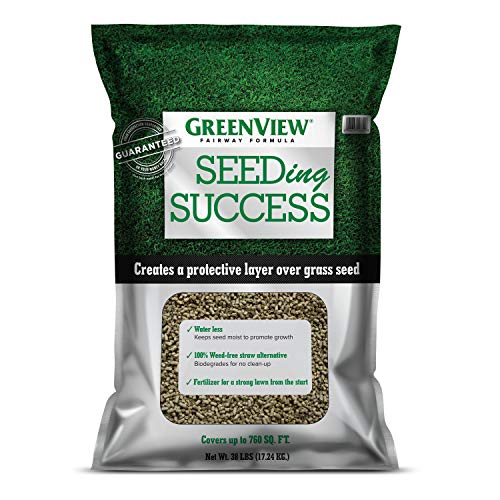
GreenView Fairway Formula Seeding Success 38 lb

Wonder Soil Coco Coir Lawn Mix 10 lb
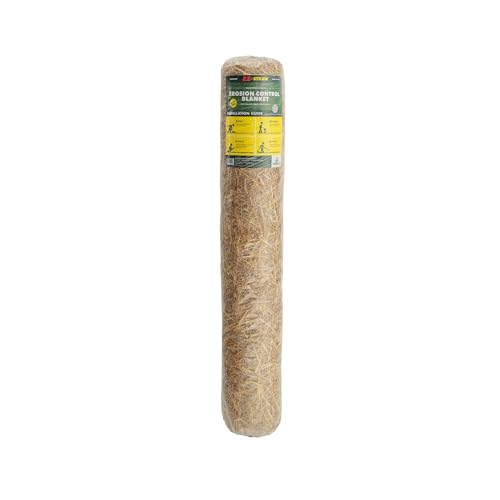
EZ Straw Germination Blanket 4 ft x 50 ft

EZ Straw Seeding Mulch with Tack 2-Pack
A Breakdown Of The Leading Choices
Rolling out a seed mat beats hand-scattering seed for anyone new to lawn repair. The Jonathan Green Black Beauty SeedRoll combines a biodegradable mat with built-in seed, starter fertilizer, and mulch in a single 50 square foot strip. Tall fescue, perennial rye, and Kentucky bluegrass are the working species, and the mat itself breaks down on its own once the lawn fills in.
You simply unroll it over a prepped patch, water it in, and let the layers do the work. The biodegradable fabric holds seed in place during rain, which helps on gentle slopes where loose seed would normally wash downhill. For most homeowners with a few annoying bare patches, the all-in-one design removes the guesswork of pairing seed, fertilizer, and mulch separately.
What Earns Its Place
- Seed, fertilizer, and mulch arrive pre-assembled, so there’s no measuring or blending on your end.
- The 50 square foot footprint suits small to mid-size patch repair without leftover waste.
- Three grass species give the mat a decent shot at filling in across mixed light conditions.
- Biodegradable construction means no plastic to pull up later once the lawn establishes.
Points To Keep In Mind
- At 50 square feet, larger lawn repairs will need multiple rolls, raising the cost noticeably.
- Like most seed mats, it needs consistent moisture during the germination window to perform well.
Built With In Mind
First-time lawn patchers working with a small area and a gentle slope.
A Better Fit Elsewhere
The Jonathan Green Black Beauty Ultra Grass Seed is a smarter pick for anyone reseeding a larger area and willing to apply a separate cover.
Regional blends tend to outperform generic mixes in their target zone, and the Keystone PA Grass Seed is built specifically for Pennsylvania’s climate. The 7-pound bag combines tall fescues, perennial ryegrass, and Kentucky bluegrass tuned for the Mid-Atlantic transition zone, where summer humidity and winter cold both put pressure on a lawn.
Where the SeedRoll handles tiny patches, this bag covers ground. You pair it with your own cover material, but the seed itself is the main event. The grass types included support a dark green color once established, and the blend is meant to retain moisture around the seed zone for steady germination. For most Pennsylvania homeowners, the climate-matched formula is the real draw.
Key Advantages
- Blended specifically for Pennsylvania’s transition-zone climate, so the species mix suits local stress patterns.
- Three grass types create a dense, dark green turf once established.
- A 7-pound bag covers a meaningful area without needing multiple purchases.
Honest Caveats
- Outside Pennsylvania and similar Mid-Atlantic regions, the climate tuning offers less of an edge.
- You’ll need to supply your own cover material, since this is seed only.
Whose Shelf It Belongs On
Pennsylvania and Mid-Atlantic homeowners reseeding a full lawn with a regional-matched blend.
Look Elsewhere When
The Jonathan Green Black Beauty Ultra Grass Seed is a better nationwide option if your lawn sits outside the Keystone target zone.
The Black Beauty Ultra sits between the SeedRoll and the Keystone in ambition. You get a 7-pound bag of seed designed to establish new lawns and fill bare spots, blending tall fescues, Kentucky bluegrass, and perennial ryegrass for a dense, dark green turf. The Ultra name signals a balance between rapid establishment and long-term color.
Compared to the SeedRoll, this is seed only, so you bring your own mulch or cover. That makes it more flexible: pair it with EZ Straw Seeding Mulch with Tack for a custom seeding system, or with the GreenView mulch-plus-fertilizer blend if you want a ready-made cover. For most people reseeding a meaningful area, the Ultra gives you a quality blend without locking you into one cover format.
Useful Highlights
- Three-species blend supports fast establishment in both new lawns and patch repairs.
- Works with any cover you choose, so you can match it to your slope, climate, or budget.
- The dark green color profile holds up well once the lawn matures.
Trade-Offs
- No bundled cover means extra steps and a separate mulch or mat purchase.
- Germination still depends heavily on watering discipline during the first few weeks.
The Right Fit
Homeowners reseeding mid-size lawns who want a flexible seed that pairs with their preferred cover.
Swap It Out When
The Jonathan Green Black Beauty SeedRoll Grass Seed Mat is the easier path for anyone who wants seed, fertilizer, and cover bundled together.
Creeping thyme is a different kind of cover altogether. Rather than a mulch or mat over grass seed, PLANTMEW’s 20,000-seed pack grows a fragrant, low-mow living carpet of Thymus serpyllum. It thrives in full sun, tolerates poor soil, and spreads fast enough to fill gaps between stepping stones or along path edges.
The trade-off is patience. Thyme takes longer to establish than ryegrass, and you won’t see a thick mat for a full growing season. But once it fills in, you get a pollinator-friendly ground cover that releases a pleasant scent when stepped on. For most gardeners who want a flowering, low-maintenance alternative to turf grass, this is the rare seed that doubles as a landscape feature.
What Works In Its Favor
- Fragrant foliage releases scent underfoot, doubling as a sensory garden element.
- Attracts bees and butterflies, supporting local pollinator populations.
- Spreads into a dense mat that suppresses weeds once established.
Some Limits To Know
- Slower to fill in than ryegrass or fescue, so you’ll wait a full season for full coverage.
- Not a grass replacement for high-traffic lawns, since thyme tolerates light foot traffic at best.
Who Should Grab It
Gardeners replacing lawn strips with a flowering, pollinator-friendly ground cover along paths or patio edges.
Another Choice May Suit
The Jonathan Green Black Beauty Ultra Grass Seed is a better pick for anyone who wants a traditional lawn surface, not a flowering alternative.
Loose straw with a tackifier (a bonding agent that makes straw sticky when wet) is the traditional workhorse cover for seeding projects. Gardener Select’s 2.5 cubic foot bale covers up to 500 square feet and processes the straw with that bonding agent so it stays put during rain and wind. The straw itself is fully biodegradable, so you leave it in place as the lawn grows through.
The main role is moisture retention. By shading the soil and slowing evaporation, the straw keeps the seed zone damp, which directly improves germination rates. It also shields seed from birds, which can clean out a fresh seeding in a day. Compared to the EZ Straw mulch covered later, this bale is a single unit rather than a two-pack, and the tackifier formula is a different balance of hold versus spreadability.
Well-Handled Touches
- Tackifier holds straw in place through heavy rain and wind, reducing washout on slopes.
- Biodegradable construction leaves no cleanup once the lawn establishes.
- One bale covers up to 500 square feet, suited to mid-size reseeding projects.
Worth Noting
- Loose straw requires even spreading, and clumps can smother young grass if applied too thick.
- Some straw contains weed seeds, so sourcing from a reputable supplier matters for clean results.
Best Suited To
Homeowners tackling mid-size reseeding jobs who want a traditional loose straw cover with bonded tack.
Reach For A Different Pick When
The EZ Straw Germination Blanket is easier to install on slopes if you’d rather unroll a mat than spread loose straw.
When bare soil sits on a steep slope, seed and loose straw won’t stay put. The Farm Plastic Supply Erosion Control Blanket is a woven straw mat designed for exactly that situation, with a 2-foot by 112.5-foot roll that runs the length of most residential slopes. The blanket absorbs rain impact, slows sheet flow, and holds seed in place while vegetation establishes.
The 2-foot width is narrow on purpose, so you can stair-step the blanket down a slope without overlap gaps. Once the blanket is staked down, it retains soil moisture, which helps the seed germinate underneath. For most homeowners with serious erosion issues or a hillside that won’t hold seed, this is one of the more purposeful options on the list.
What Stands Out
- Straw mat construction absorbs rainfall impact, protecting seed from washout on slopes.
- Long 112.5-foot roll covers the full length of typical residential hillsides.
- Retains soil moisture in the seed zone, supporting steady germination under the mat.
Room For Improvement
- Staking the blanket requires landscape staples and some physical effort, especially on steep grades.
- The 2-foot width means more seams than wider blankets, which can shift if not anchored well.
Who Will Love This
Homeowners with serious slope erosion problems who need a long-run mat that holds soil and seed through heavy rain.
Consider Something Else When
The EZ Straw Germination Blanket is easier to handle for smaller lawn strips without the slope severity.
GreenView’s Seeding Success is a biodegradable mulch pre-mixed with starter fertilizer, so you spread one product and handle two jobs at once. The 38-pound bag covers up to 760 square feet, which is meaningful coverage for a serious bare-spot repair or full-lawn overseeding. The mulch portion also includes a tackifier to keep it from blowing away on breezy days.
You’ll still need to supply your own grass seed, but the bundled fertilizer saves a step and ensures the nutrients go down at the right time. For most homeowners reseeding a large area without wanting to buy separate fertilizer, this combination is a practical middle ground between plain straw and a full seed-plus-cover mat.
Real-World Strengths
- Biodegradable mulch and starter fertilizer arrive in one bag, cutting the product count in half.
- 760 square feet of coverage handles large patch repairs or full-lawn overseeding.
- Built-in tackifier keeps the mulch in place on windy days or sloping areas.
A Few Limitations
- Seed is not included, so you’ll need to source your own grass seed separately.
- The 38-pound bag is heavy, which makes spreading by hand a workout for larger areas.
Feature Snapshot
Right Fit For
Homeowners overseeding a full lawn who want mulch and starter fertilizer applied in a single pass.
Skip It When
The Jonathan Green Black Beauty SeedRoll is a more compact option for anyone with just a few small patches to fix.
Wonder Soil is a top-dressing approach rather than a surface cover. The 10-pound bag of compressed coco coir (a fibrous material made from coconut husks, prized for holding water) expands when watered and spreads over up to 400 square feet of lawn. It’s pre-mixed with amendments like worm castings, mycorrhizae (beneficial fungi that form partnerships with plant roots), kelp, pumice, and water-saving polymers, so you’re feeding the soil biology along with the seed.
The resealable bag keeps the rest dry for later use, which is helpful since a 10-pound bag goes further than you’d think once it expands. The water retention and aeration properties help seed germinate in dry conditions where plain straw might let the bed dry out. For most homeowners in drought-prone or heat-stressed regions, the coir-based approach solves a different problem than loose straw.
Features That Help
- Coco coir holds water far longer than straw, supporting germination in hot, dry conditions.
- Pre-mixed amendments feed soil biology rather than just the seed surface.
- Resealable bag keeps unused product dry and ready for later applications.
Things To Weigh
- At up to 400 square feet, coverage is smaller than larger straw bales at similar cost.
- Coir can crust over if allowed to dry completely between waterings, so consistent moisture is critical.
Made For
Homeowners in drought-prone regions who want a water-retentive top dressing that doubles as a soil amendment.
Where A Sibling Pick Shines
The Gardener Select Seeding Straw with Tackifier is a better fit for large areas where budget matters more than drought performance.
The EZ Straw Germination Blanket is a woven mat made from processed straw fibers bound into a blanket-like layer. At 4 feet by 50 feet, it covers 200 square feet and lays flat over a seedbed like a roll of burlap. The blanket protects seed from rain washout and bird damage, while letting moisture through to the soil underneath.
Compared to loose straw with tackifier, this is a cleaner install. You unroll it, stake it, and you’re done. The mat is also biodegradable, so it breaks down as the grass grows through. For most homeowners who want a tidy look without spreading loose straw by hand, the blanket format saves a lot of effort on small to mid-size patches.
Strong Points
- Woven straw blanket stays in place better than loose straw, even without separate tackifier.
- Cleaner install than spreading loose straw, with less mess and even coverage.
- Biodegradable, so it breaks down naturally as the lawn establishes.
Possible Compromises
- At 200 square feet, coverage is smaller than the loose straw bales on this list.
- Staking is still required, and edges can lift if not anchored with enough staples.
Feature Snapshot
Perfect Match For
Homeowners reseeding narrow lawn strips or small patches who want a tidy mat instead of loose straw.
Not Your Match When
The Farm Plastic Supply Erosion Control Blanket is the stronger choice for long hillside runs with serious erosion pressure.
The EZ Straw Seeding Mulch arrives as a two-pack of 2.5 cubic foot bales, covering up to 600 square feet total. The processed wheat straw is treated with a natural tackifier that activates when wet, holding the straw in place through wind and rain. The UV-protected poly bag can sit outside without degrading, which is helpful for anyone reseeding in stages over several weekends.
Versus the single-bale Gardener Select option, this is a value bundle aimed at larger reseeding projects. The 600 square feet of coverage handles most suburban lawns in a single purchase, and the second bale gives you a backup if you miscalculate. For most homeowners with bigger projects who want flexible storage between applications, the two-pack format is a small but useful upgrade.
Everyday Advantages
- Two-bale bundle covers up to 600 square feet, enough for most suburban reseeding projects.
- UV-protected storage bag allows outdoor keeping between applications.
- Tackifier keeps straw bonded to the soil, reducing the need for constant reapplication.
Details To Watch
- Loose straw still requires careful spreading to avoid smothering young grass.
- Packaging may vary, so the second bale might look different from the first depending on the run.
Who It Suits Best
Homeowners with larger reseeding projects who want a two-bale value bundle with outdoor-safe storage.
Where Another Pick Suits Better
The GreenView Fairway Formula Seeding Success is the better path for anyone who wants starter fertilizer bundled with the mulch.
What To Think Through Before Choosing A Cover
Start with the area you’re covering. Patch repairs under 50 square feet work well with a roll-out seed mat like the Black Beauty SeedRoll, while full-lawn reseeding calls for either a regional seed blend like the Keystone PA or the more flexible Black Beauty Ultra paired with your own mulch.
Slope matters too. A gentle grade handles loose straw with tackifier, but anything steep needs a woven blanket staked in place, like the Farm Plastic Supply erosion mat. Soil type is the next factor. Sandy or drought-prone lawns benefit from coco coir’s water retention, while clay-heavy soil often does fine with straw mulch.
Match the cover to your seed. A blended seed like Black Beauty Ultra pairs with nearly any cover, while specialty products like creeping thyme work better with light top dressing rather than heavy straw. Climate rounds it out, and regional blends like the Keystone PA tend to outperform generic mixes in their target zone. Plan on keeping the seedbed consistently moist for two to three weeks regardless of which cover you choose, since no cover replaces diligent watering.
Picking Through The Options
Pitfalls Shoppers Hit
A common mistake is choosing a cover that doesn’t match the slope. Loose straw migrates on anything steeper than a gentle grade, leaving seed exposed in the washout paths. Another slip is skipping starter fertilizer on a major reseeding, since young grass needs nutrients within the first few weeks to push roots deep. Finally, ignoring coverage area leads to mid-project runs back to the store, so measure your space before buying.
Where The Extra Money Goes
Premium covers typically include tackifier, fertilizer, or specialized erosion control. The GreenView blend pairs mulch and starter feed in one bag, which saves a step but costs more per square foot than plain straw. Woven blankets with longer fibers hold up better on slopes than cheap paper-mesh products. The honest read is that spending up pays off most when your lawn sits on a slope, your soil is poor, or you’re reseeding a large area where reapplication costs would stack up fast.
Frequently Asked Questions
How long should I leave a grass seed cover in place? Most biodegradable covers break down within four to eight weeks, which lines up with the germination window for ryegrass and fescue. Leave the cover undisturbed until the grass is actively growing through it, then mow normally as the lawn fills in.
Do I need a tackifier on a flat lawn? Flat lawns can usually get by with plain straw since wind and rain runoff are less aggressive. The tackifier becomes more important once you have any slope, exposed location, or heavy rain risk during the germination window.
Can I use a grass seed cover on a shady lawn? Shade-tolerant seed blends work better than any cover can compensate for poor light. Pick a blend designed for low light, and use a light mulch layer rather than a thick mat, since heavy covers can further reduce light to young seedlings.
Is a biodegradable blanket better than loose straw? Blankets stay in place more reliably and install faster, but they cost more per square foot. Loose straw with tackifier handles large areas more economically, especially on flat ground. The trade-off is mostly time versus money.
When is the best time to apply a grass seed cover? Cool-season grasses germinate best when soil temperatures sit between 50 and 65 degrees Fahrenheit, which works out to early fall or early spring in most regions. Warm afternoons and cool nights give young roots a head start before summer heat or winter cold arrives.
The Takeaway
Your lawn, slope, and budget drive the right choice more than any single feature. A small patch repair on flat ground calls for a seed mat or simple straw mulch, while a hillside reseeding project demands a staked erosion blanket. Pick the cover that matches the work in front of you, keep the seedbed moist for the first few weeks, and your lawn will fill in faster than you expect.
