

Starting a lawn from scratch, or rescuing one that thinned out after a rough summer, is a long game. The right seed mix sets the tone for everything that follows, from how often you water to how the turf looks in year three. A poor match to your climate, sun exposure, or foot-traffic patterns shows up quickly, and re-seeding is a chore. This list focuses on mixes that solve specific problems: heavy backyard play, deep shade, drought-prone zones, or a quick patch on a budget.
Your Options, Compared

Jonathan Green Black Beauty Heavy Traffic Grass Seed 3 lb

Jonathan Green Black Beauty Heat & Drought Resistant Grass Seed 3 lb

Jonathan Green Black Beauty Ultra Grass Seed 7 lb

Scotts Turf Builder Grass Seed All-Purpose Mix 20 lb

Outsidepride Legacy Fine Fescue Grass Seed Mix 5 lb

Scotts Turf Builder Grass Seed Sunny Mix 2.4 lb

Pennington Clover Grass Seed Mix 7 lb

Scotts Kentucky 31 Grass Seed Mix 20 lb

Scotts Kentucky 31 Grass Seed Mix 7 lb
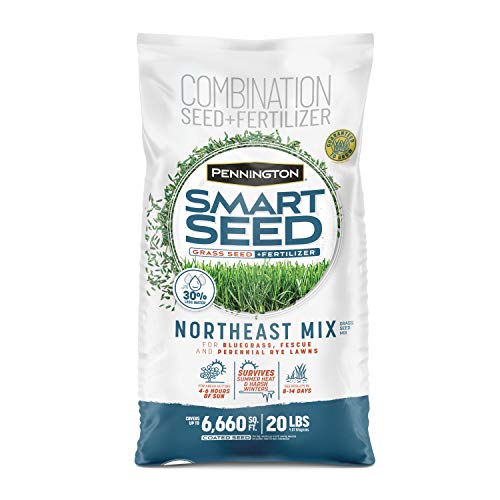
Pennington Smart Seed Northeast Mix 20 lb
Meet The Standout Selections
Backyard turf takes a beating, and a regular blend often thins out wherever the dog runs or the kids set up the goal. Jonathan Green’s Black Beauty Heavy Traffic mix leans on tall fescues and perennial rye, two grass types with deep roots and quick wear recovery, which is exactly what high-use areas need.
For most homeowners, the formula is straightforward to use. Rake, spread, water consistently for the first few weeks, and you should see germination moving along without heroic effort. If you have a small patch that pets have worn down, the 3 lb bag is the right size without a lot of leftover seed sitting in the garage.
Standout Benefits
- Tall fescue and perennial rye blend designed for aggressive foot traffic from kids, pets, and athletes
- Produces uniform lawn texture, useful for visual consistency across play areas and curb strips
- Cool-season formula fits the Northeast, Midwest, and upper transition zones where fescues thrive
- 3 lb bag covers a focused repair area, which is often more practical than buying a 20 lb sack
Things To Consider
- Works best in cool-season climates, so southern-zone shoppers may want a heat-tolerant option instead
- Like most fescue seed, it needs consistent watering during establishment, which can stretch water bills in dry weeks
Feature Snapshot
Who It Suits Best
Families with dogs, kids, or weekend soccer games who need a tough blend for high-wear backyard zones.
Where Another Pick Suits Better
Homeowners in hot, dry southern regions will get better results from Jonathan Green’s Heat & Drought Resistant mix, which handles summer extremes more reliably.
Where Item 1 focuses on wear, this Jonathan Green blend is built for the opposite problem: a lawn that browns out the moment July hits. The formula combines tall fescue with Texas bluegrass, and the waxy leaf coating the manufacturer describes acts a bit like built-in sunscreen, slowing moisture loss through hot afternoons.
In most cases, you’ll see decent germination in full sun or partial shade, and the turf stays greener longer between waterings than a standard fescue. If you live in the transition zone or upper South, this is the mix worth starting with rather than gambling on a basic blend that fades by August.
Useful Touches
- Tolerates summer temperatures up to 100°F, which keeps it viable in southern heat
- Waxy leaf coating helps grass retain moisture during dry stretches
- Texas bluegrass adds aggressive rhizome spread, helping bare spots fill in over time
- Works in full sun to lightly shaded yards, which covers most residential lots
Worth Noting
- Not suited for deep shade, so a fescue-only blend handles those corners better
- Texas bluegrass can be slower to establish in the first few weeks compared to ryegrass
Quick Facts
Made For
Homeowners in the transition zone or South who fight brown lawns every July and want a blend engineered for the heat.
Consider Something Else When
Yards with dense tree cover call for Outsidepride’s Legacy Fine Fescue blend, which handles deep shade far better than a heat-focused mix.
If you’re staring at a yard that’s more bare soil than grass, the Black Beauty Ultra is a renovation-grade option rather than a quick patch. The blend layers tall fescue, Kentucky bluegrass, and perennial rye, which gives you color, spread, and wear tolerance in one bag.
Compared to Item 1’s traffic-focused mix, this one trades a bit of wear toughness for a darker green tone and faster fill-in on damaged areas. In our view, it suits a homeowner starting fresh or doing a full overseed in early fall. Just plan ahead on watering: this seed wants consistent moisture to germinate well.
The Helpful Details
- Three-species blend covers color, density, and recovery in a single product
- Establishes quickly for new lawns, so fall seeding shows visible results before frost
- Produces a dark green color that reads as a healthier, well-fed lawn
- 7 lb bag covers a meaningful area without committing to a 20 lb sack
Trade Offs
- Higher price point than basic single-species blends, which adds up on large lots
- Demands steady watering through germination, so a hose-on-timer setup is helpful
Right Fit For
Homeowners reseeding a thin or damaged lawn who want a richer color and a blend that handles both sun and partial shade.
Skip It When
You only need to repair a small pet-worn patch, where Jonathan Green’s Heavy Traffic blend is more focused and more affordable.
When the project is a big one, like a new-construction yard or a full overseed of a half-acre lot, a 20 lb bag pays off. Scotts’ all-purpose mix handles sun and shade and is built for northern climates, with a water-absorbing coating that helps the seed pull moisture from the soil during establishment.
Unlike the Jonathan Green blends above, this is a more general-purpose option with a coarser blade texture. You won’t get the deep dark green of the Black Beauty Ultra, but you will get solid coverage at a price-per-square-foot that makes sense for big jobs. For most northern homeowners starting from scratch, the math often works out here.
What Helps Most
- Coated seed absorbs roughly twice the water of uncoated seed, which speeds germination
- 99.9% weed-free formulation, so you are not paying to seed dandelions
- Handles both sun and shade, which simplifies the seed-buying decision for mixed lots
- 20 lb bag covers a large area, making it a cost-effective pick for big yards
Points To Note
- Formulated for the northern region, so it underperforms in southern heat
- Coarser blade texture than a fine fescue mix, which some shoppers find less refined looking
Feature Rundown
Best Suited To
Northern homeowners with large yards who want one bag that covers a full reseed without a run to the store mid-project.
A Better Fit Elsewhere
If your yard gets hammered by July heat, Pennington’s Smart Seed Northeast Mix is built for tougher summer survival in that region.
Trees that drop shade all day are the death of many lawn seed blends, but fine fescues thrive in exactly those conditions. Outsidepride’s Legacy mix layers hard, chewings, and creeping red fescue in a 20/40/40 split, and the OptiGrowth coating adds zinc, phosphorus, nitrogen, and kelp to support germination.
For homeowners with wooded lots, this is a more focused answer than the all-purpose picks above. The fine blade texture also gives a slightly more refined look, which matters in front-yard shade gardens. The OptiGrowth coating is the part worth understanding: it improves seed-to-soil contact, which translates to more even germination across a tricky shaded area.
Benefits That Matter
- Three-variety fine fescue blend handles dense shade that other grass types cannot
- OptiGrowth coating with zinc, phosphorus, nitrogen, and kelp supports stronger establishment
- Works in both northern and southern lawns, which broadens the use cases
- 5 lb bag suits targeted overseeding of shaded trouble spots
Less Ideal Details
- Fine fescues tolerate shade but do not love heavy foot traffic, so skip it for play areas
- Slower spring green-up than Kentucky bluegrass in some climates, depending on your soil
Spec Overview
Perfect Match For
Homeowners with mature trees or shaded side yards where standard sun-loving blends fail year after year.
Look Elsewhere When
A full sun yard with heavy play traffic calls for Jonathan Green’s Heavy Traffic mix, which stands up to foot traffic far better.
Open yards with no tree cover need a seed built for the sun, not a blend that hedges between sun and shade. Scotts’ Sunny Mix carries Root-Building Nutrition, a fertilizer blend the brand includes to push deep root development in seedlings that face relentless afternoon light.
At 2.4 lb, this is a small bag aimed at patch repair or modest overseeding. You may find it runs out faster than expected on anything larger than a few hundred square feet, but for thin patches in direct sun, the focused formula avoids wasted seed in shady corners that would not germinate anyway.
Real Benefits
- Root-Building Nutrition supports deep root development in seedlings
- Designed for full sun, so you are not paying for shade-tolerant varieties you do not need
- Small bag size fits focused repair jobs without leftover seed going stale
Practical Considerations
- 2.4 lb is on the small side, so larger yards will need multiple bags
- Not the right pick for shaded lots, where fine fescues handle light better
Who Should Grab It
Homeowners with a thin sunny patch in an otherwise decent lawn who want a quick, focused repair without buying a 20 lb sack.
Reach For A Different Pick When
You are establishing a brand-new lawn in partial shade, where Outsidepride’s Legacy Fine Fescue blend will outperform a sun-specialized mix.
Not every lawn needs to be pure grass, and Pennington’s clover blend is a deliberate move away from the conventional lawn. White clover fixes nitrogen in the soil, stays green through dry stretches, and draws pollinators, which makes it a low-input alternative for the right homeowner.
The 7 lb bag covers up to 1,400 square feet, which is a meaningful area for a clover-heavy overseed. The honest read is that this is a different aesthetic, with broad leaves and small white flowers, so it suits folks who want a meadow-style lawn rather than a manicured turf. In northern regions, clover establishes most reliably.
Practical Pluses
- White clover naturally fixes nitrogen, reducing fertilizer needs over time
- Holds green color during dry spells better than many turfgrasses
- Covers up to 1,400 square feet per 7 lb bag, which handles a meaningful lawn area
- Supports pollinators with small white flowers through the growing season
Some Limits To Know
- Best suited for northern regions, so southern shoppers may see weaker establishment
- Clover flowers attract bees, which matters for households with barefoot kids or allergy concerns
Built With In Mind
Eco-minded homeowners who want a low-water, low-fertilizer lawn and do not mind a softer, meadow-like aesthetic.
Another Choice May Suit
Shoppers wanting a traditional, manicured turf should look at Scotts Turf Builder All-Purpose Mix for a conventional grass lawn.
Kentucky 31 tall fescue has a long reputation as a workhorse grass, and Scotts’ version mixes it with complementary varieties for a thicker, greener result than straight K31 alone. The 20 lb bag is sized for serious projects: large new lawns, full overseeding of tired turf, or property managers handling multiple lots.
Compared to the all-purpose Scotts mix in Item 4, this is more about durability and less about fine texture. K31 has a wider blade and a coarser feel, but it tolerates heat, drought, and wear without a lot of fuss. For most rural or large suburban lots, the low-maintenance angle is the real draw.
Reasons It Performs
- Curated blend that improves on straight Kentucky 31 with complementary varieties
- Tall fescue base delivers durability and lower maintenance over the long term
- 20 lb bag suits large property overseeding and new-lawn installations
- Handles a range of conditions, from full sun to partial shade
A Few Limitations
- Coarser blade texture than a fine fescue or bluegrass blend, which some shoppers find less refined
- 20 lb bag is heavy to move and store, so plan your workspace before delivery
Quick Technical Notes
Whose Shelf It Belongs On
Property owners with large yards who prioritize durability and lower long-term maintenance over fine-blade aesthetics.
Where A Sibling Pick Shines
Smaller repair jobs are a better match for the 7 lb version of the same Scotts Kentucky 31 mix, which avoids the heavy bag.
The 7 lb version of Scotts’ Kentucky 31 mix is the same formula in a more manageable bag. If you only need to overseed a small front yard or patch a worn strip along the driveway, hauling 20 lb of seed is overkill. This size covers focused projects without breaking your back or your storage space.
You will find the same tall fescue base and complementary varieties as the 20 lb bag, so the performance profile matches. The 7 lb format is the practical choice for suburban lots under 2,000 square feet, where the 20 lb bag would leave you with a half-used sack sitting in the garage for a year.
Notable Upsides
- Same Kentucky 31 formula as the larger bag, just in a smaller package
- 7 lb size suits modest overseeding and patch repair jobs
- Easy to store and pour, with less waste from leftover seed
Details To Watch
- Coarser blade texture than a fine fescue or bluegrass blend, which may not match refined lawn goals
- Not enough seed for large lots, so plan on multiple bags for anything over a few thousand square feet
The Right Fit
Suburban homeowners with a small front yard or a few trouble patches who want the K31 durability without committing to a 20 lb sack.
Swap It Out When
Larger properties are better served by the 20 lb Scotts Kentucky 31 bag, which covers the area in one purchase.
Regional blends earn their keep by avoiding varieties that struggle in your climate, and Pennington’s Smart Seed Northeast Mix is built specifically for the area from the Mid-Atlantic up through New England. The mix layers perennial ryegrass, Kentucky bluegrass, and tall fescue, and includes a measured amount of starter fertilizer in the bag.
For homeowners in that zone, the all-in-one fertilizer-and-seed approach simplifies the early feeding window, which is when seedlings are most vulnerable. Depending on your soil, you may find the included fertilizer sufficient for the first six weeks, removing one step from the lawn care calendar.
Positive Points
- Three-species blend tuned for Northeast summers and winters
- Includes starter fertilizer in the bag, simplifying the early feeding step
- Survives summer heat and harsh winters in the target region
- 20 lb bag covers a meaningful area for typical suburban lots
What To Weigh
- Formulated for 4 to 6 hours of sunlight, so deep shade lawns need a different pick
- Regionally specific, so shoppers outside the Northeast will not get the same climate match
Feature Card
Who Will Love This
Northeast homeowners establishing or overseeding a lawn who want a region-tuned blend and a starter fertilizer in one bag.
Not Your Match When
Homeowners in the South or in heavily shaded yards should reach for Jonathan Green’s Heat & Drought Resistant mix or Outsidepride’s Legacy Fine Fescue blend instead.
What To Weigh Before Picking A Grass Seed Mix
A seed mix is not just about the grass type, it is about the match between the grass and your yard. The right blend for a shady New England lot will fail in a sunny Texas yard, and vice versa. Before settling on a bag, run through a few honest questions about your site, your climate, and how you actually use the lawn.
Climate And Region
Cool-season grasses (fescues, ryegrasses, Kentucky bluegrass) thrive where summers stay moderate and winters are cold. Warm-season grasses handle southern heat but go brown in winter. Pennington Smart Seed Northeast Mix is a clear regional play, while Jonathan Green’s Heat & Drought Resistant mix is built for the opposite climate.
Sun, Shade, And Soil
Walk your yard at midday and again in the late afternoon. Deep shade under maples calls for a fine fescue blend like Outsidepride’s Legacy mix, while open, full-sun yards can take a sun-specialized seed like Scotts’ Sunny Mix. Soil quality also matters: sandy or compacted soils may need a starter fertilizer or a seed coating to help germination along.
Traffic And Use Patterns
A lawn that hosts weekly soccer games needs a wear-tolerant blend like Jonathan Green’s Heavy Traffic mix. A showpiece front yard with minimal foot traffic can prioritize color and blade fineness instead. Match the seed to how the lawn actually gets used, not how you wish it would be used.
Bag Size And Coverage
A 20 lb bag covers a lot more ground than a 2.4 lb bag, and a leftover sack stored in a hot garage loses viability over time. Buy the size that matches the project, and resist the temptation to overbuy on the assumption that a bigger bag is always a better deal.
Key Considerations Across These Picks
Where Shoppers Go Wrong
The most common slip-up is buying a sun-and-shade all-purpose blend for a yard that is heavily one or the other. Shoppers also misjudge coverage, buying a 7 lb bag for a 5,000-square-foot lawn and ending up with a thin stand. A third trap: ignoring the seed’s region match, which shows up the first time a southern heat wave hits a cool-season blend.
Where The Extra Money Goes
Premium blends like Jonathan Green Black Beauty Ultra or Pennington Smart Seed often include multi-species mixes, coatings, or built-in fertilizer. The cost difference pays off when you would otherwise need a separate fertilizer purchase, or when a cheaper blend fails to establish. For most homeowners, the upgrade is worth it on full-lawn projects, not on small patch repairs where a basic blend does the job.
