

Buffalo’s climate isn’t gentle on grass. Long winters, lake-effect snow, and humid summers push any lawn to its limit, so the seed you pick has to handle freeze-thaw cycles as comfortably as August heat. Whether you’re patching a thin front yard or reseeding the whole lot, the right cool-season blend turns a stubborn chore into a thick, green lawn. This list focuses on what actually thrives in Western New York’s conditions: cold tolerance, disease resistance, and reliable spring and fall germination.
The Essentials At A Glance

Jonathan Green Black Beauty Sun & Shade Grass Seed 7 lb
Jonathan Green Blue Panther Kentucky Bluegrass Seed 3 lb

Jonathan Green Black Beauty Heavy Traffic Grass Seed 3 lb

Jonathan Green Fast Grow Grass Seed 7 lb

Scotts Turf Builder Grass Seed Sunny Mix 2.4 lb
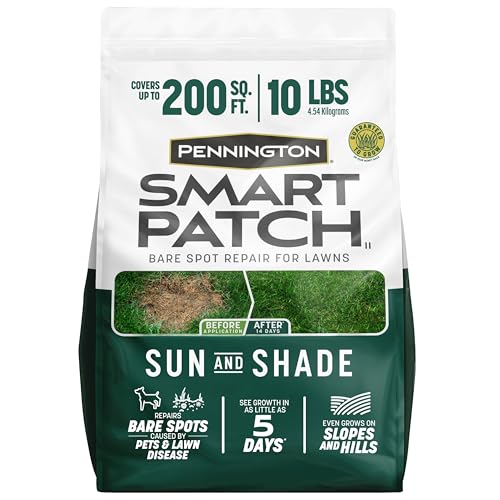
Pennington Smart Patch Sun and Shade Mix 10 lb

Pennington Clover Grass Seed Mix 7 lb

Pennington Smart Patch Tall Fescue 5 lb

X-Seed Ultra Premium Quick and Thick Lawn Seed 7 lb

Southland Sod Marathon II Grass Seed 1 lb
Inside Each Recommended Option
Most Buffalo yards swing between punishing afternoon sun and cool shaded corners under old maples. The Black Beauty Sun & Shade mix handles both, which is exactly why it opens this list. It blends turf-type tall fescue with finer fescues and a touch of Kentucky bluegrass, so the lawn stays relatively uniform even where light conditions change from one side of the yard to the other.
For homeowners overseeding a tired lawn or filling in after a tough winter, this bag covers a meaningful area without forcing you to commit to a single species. It also germinates reliably during the prime fall window in Western New York, which is when cool-season grasses really want to be planted.
Bright Spots
- Handles both full sun and partial shade, so you don’t need a separate bag for problem corners.
- Produces a dense, dark-green turf that holds color well into late fall before dormancy.
- Multi-species blend adapts to varying soil conditions across a typical Buffalo lot.
- 7 lb bag suits medium overseeding projects without being wasteful for smaller yards.
Worth Noting
- Germination can slow during late-spring heat, so fall seeding is the more reliable play.
- Bag weight is light relative to coverage, so larger properties may need multiple bags.
Who It Suits Best
Homeowners with mixed-light yards who want one dependable bag instead of juggling two specialty blends.
Look Elsewhere When
You need a fescue blend specifically tuned for heavy foot traffic, in which case the Jonathan Green Heavy Traffic mix is a stronger match.
Kentucky bluegrass is the classic northern lawn, and Blue Panther leans into that tradition with a 100% KBG blend sourced from the same cultivars used by professional sod growers. Where the Black Beauty mix tolerates shade, this one is all about producing that thick, uniform sod-quality look in full sun.
It also doubles as a quality overseeding partner for an existing KBG lawn that has thinned out after a hard winter. The trade-off is patience: bluegrass germinates more slowly than rye or fescue, and it spreads through rhizomes (underground stems that send up new shoots) once established, which is how it fills in so densely.
Useful Strengths
- 100% Kentucky bluegrass delivers the traditional northern-lawn look many homeowners want.
- Rhizome-based spread helps repair thin areas naturally over a couple of seasons.
- Works for both new lawns and overseeding an existing bluegrass stand.
Points To Note
- Germination runs slower than ryegrass or fescue, so quick results aren’t realistic.
- Performs best in open, sunny areas and struggles in deep shade.
- 3 lb bag is modest, and bluegrass seed rates run higher per square foot than fescue.
Made For
Homeowners who want a classic bluegrass lawn and are willing to wait for slow, dense establishment.
Swap It Out When
Your yard has heavy shade or you need faster coverage, in which case the X-Seed Ultra Premium blend is a better fit.
Backyard soccer games, dogs sprinting across the lawn, and a curbside strip that doubles as a parking pad all punish grass. The Heavy Traffic mix is built with tall fescues and perennial rye, two species prized for tough leaves and quick recovery. Uniform texture across the blend is a real plus if you care about how the lawn looks after cleats, paws, and bikes have done their worst.
Where the first two Jonathan Green picks focus on adaptability and traditional looks, this one prioritizes wear tolerance. It’s a smart match for the back half of the yard where family life actually happens, even though it isn’t a full-sun specialist.
Noteworthy Benefits
- High wear tolerance thanks to tall fescue and perennial ryegrass pairing.
- Uniform leaf texture keeps the lawn looking consistent after heavy use.
- Recovers faster than pure bluegrass blends from compaction and tearing.
Trade Offs
- Won’t match the manicured look of a pure bluegrass lawn.
- 3 lb bag covers a limited area, so large sports-field-style projects need multiple bags.
Best Suited To
Active households with kids, pets, or regular gatherings that put real stress on the turf.
Consider Something Else When
You want a showpiece front lawn with fine bluegrass texture, in which case the Blue Panther blend makes more sense.
Sometimes the lawn needs grass yesterday, and Fast Grow lives up to its name. The blend combines annual ryegrasses, tall fescues, and fine fescues engineered to germinate in roughly 7 to 10 days, which is much faster than traditional bluegrass. For a thin patch after grub damage or a muddy stretch by the back gate, that turnaround matters.
The honest read is that Fast Grow is a temporary lawn. It carries you through a season while you plan a longer-term overseeding with one of the Black Beauty mixes. Best applied from mid-August through mid-October, or in spring once soil warms, depending on what you’re trying to fix.
Positive Points
- 7 to 10 day germination covers bare spots fast when timing is critical.
- Adapts to full sun or medium shade, suiting most yard layouts.
- Acts as a nurse crop (a fast-growing grass that shelters slower species) while you establish a permanent lawn.
Honest Caveats
- Annual ryegrass component means the stand thins after one season and needs overseeding.
- Not intended as a permanent lawn on its own.
Whose Lawn It Belongs On
Homeowners staring at a bare patch in early September who need quick green before winter sets in.
Reach For A Different Pick When
You want a long-term lawn from a single seeding, in which case the Black Beauty Sun & Shade mix is a smarter foundation.
Open yards with southern exposure bake in July, and Scotts targets exactly that situation. The Turf Builder Sunny Mix includes Root-Building Nutrition, a fertilizer package that aims to push roots deeper during the establishment window. Deeper roots mean better access to soil moisture during dry spells, which is a real plus in a region that can swing from spring rain to August drought.
The mix is positioned for full sun and light shade, and it carries medium to high drought resistance. For new homeowners starting from scratch on a south-facing lot, this is a straightforward pick. The smaller 2.4 lb bag suits modest overseeding jobs rather than whole-yard renovations.
Good Reasons To Consider
- Root-Building Nutrition supports deeper establishment during the critical first weeks.
- Drought resistance helps during dry late-summer stretches common in Western New York.
- Trusted Scotts formulation, widely stocked and easy to find locally.
Points To Keep In Mind
- 2.4 lb bag covers a small area, so larger projects need several bags.
- Less shade-tolerant than the Black Beauty Sun & Shade mix.
Right Fit For
Homeowners with wide-open, sun-drenched lawns who want a low-fuss seed-and-start fertilizer combo.
A Better Fit Elsewhere When
Your yard has meaningful tree cover, in which case the Jonathan Green Black Beauty Sun & Shade blend handles that mixed light better.
Pet spots, salt damage along the curb, and grub-killed patches are the everyday repair jobs of Buffalo lawn care. Pennington Smart Patch rolls seed, starter fertilizer, and mulch into a single jug. Microbials (beneficial microorganisms that colonize soil and root zones) are included to help suppress disease, which matters when you’re seeding into warm, late-summer soil.
The 10 lb bag covers up to 600 square feet of repair, which is generous for a patch product. It’s tailored for the northern Sun & Shade climate, so it matches the conditions in this region.
Notable Gains
- Combines seed, mulch, and fertilizer so one application handles the whole repair.
- Microbial package supports disease resistance during establishment.
- Formulated for lawns that get sun in some areas and moderate shade in others.
- 10 lb bag is a practical size for multiple bare spots across a typical lot.
Factors To Consider
- Best used for patching rather than full-lawn renovation, where it gets expensive.
- Mulch component needs consistent watering to break down properly.
Who Should Grab It
Dog owners and homeowners with several bare patches to fix who want one product instead of separate seed and fertilizer.
Skip It When
You’re reseeding a thin but otherwise continuous lawn, in which case the Jonathan Green Black Beauty Sun & Shade 7 lb gives more coverage per dollar.
White clover has quietly returned to northern lawns after years out of fashion, and Pennington’s mix leans into that shift. The clover component fixes nitrogen (pulls it from the air and converts it into a form plants can use) naturally, which reduces the need for synthetic fertilizer across the season. Two 7 lb packages cover up to 1,400 square feet combined, a meaningful patch of yard.
Bees love clover, so this isn’t the right call for anyone worried about stings in bare feet. The aesthetic is also different from a pure grass lawn, with a lusher, slightly mottled look throughout the season.
Reasons It Performs
- Natural nitrogen fixation reduces fertilizer needs over the growing season.
- Stays green through dry spells better than many pure-grass lawns.
- Pollinator-friendly, supporting local bees and beneficial insects.
Potential Drawbacks
- White clover flowers attract bees, which is a concern for barefoot play areas.
- Look differs from a traditional turf-grass lawn, which not everyone prefers.
Who Will Love This
Eco-minded homeowners who want a lower-input lawn and don’t mind a more natural look.
Another Choice May Suit When
You have young kids running barefoot, in which case a traditional grass blend like the X-Seed Ultra Premium is a safer match.
When the rest of the lawn is already tall fescue, patching with the same species keeps everything consistent. The 5 lb jug is sized for small to mid-size repair jobs, combining Smart Seed, fertilizer, and mulch in one pour-and-rake application. The jug format is genuinely easier to handle than a paper bag when you’re working a single bare spot on your knees.
Tall fescue’s deep root system tolerates Buffalo’s freeze-thaw cycles reasonably well, and it stays green later into the fall than some other cool-season species.
What It Does Well
- All-in-one jug makes spot repair quick and clean.
- Tall fescue species matches existing fescue lawns for uniform texture.
- Deep roots support late-season green color.
Where It May Fall Short
- 5 lb size is too small for anything beyond targeted bare spots.
- Texture won’t match a bluegrass-based lawn if your existing turf is a different species.
Built With In Mind
Homeowners with fescue lawns who need a small, easy-to-handle patch product for one or two trouble spots.
Not Your Match When
You have a larger area of repair to tackle, in which case the Pennington Smart Patch Sun and Shade 10 lb jug stretches further.
Big new-lawn projects burn through seed fast, and X-Seed’s 7 lb bag covers up to 4,900 square feet on existing lawns, or 2,450 square feet for new seeding. The blend combines perennial ryegrass, fine fescue, and Kentucky bluegrass, which gives it the rapid establishment of rye plus the long-term density of bluegrass.
It tolerates sun to shade and is formulated for cooler northern and central climates. For homeowners starting from dirt on a new construction lot, this is one of the more efficient single-bag options. You may find the 7 lb bag runs out faster than expected on a true new-lawn project, so measure the area first.
Strengths Worth Knowing
- 4,900 sq ft coverage on existing lawns is generous for the bag size.
- Three-species blend delivers quick germination and long-term thickness.
- Formulated for cool northern climates, matching Buffalo conditions.
Practical Considerations
- New-lawn coverage drops to 2,450 sq ft, so plan bag count carefully.
- Premium positioning means a higher per-bag cost than basic mixes.
The Right Fit
Homeowners with large new-lawn or full-renovation projects who want one efficient bag with broad coverage.
Where A Sibling Pick Shines
You’re doing targeted overseeding on an established lawn, in which case the Jonathan Green Black Beauty Sun & Shade 7 lb is the more focused choice.
Marathon II is the seed behind the dense, dark-green sod you see at high-end Southern California installations, but the improved tall fescue blend performs well in northern cool-season zones too. The leaves are slightly narrower and the growth habit is denser than standard tall fescue, which produces a more carpet-like finish when mowed at a lower height.
The trade-off is that the 1 lb bag is small, so it’s better suited to overseeding a premium lawn or patching the front yard than renovating a full property. Owners commonly report a slower winter growth rate, which can read as thinning during the coldest months.
Positive Takeaways
- Improved tall fescue delivers a denser, finer-bladed look than standard fescue.
- Supports a lower mowing height for a manicured finish.
- Dark-green color holds well through the growing season.
Soft Spots
- 1 lb bag is small and impractical for large projects.
- Winter growth slows more than other fescues, which can leave thin spots early in spring.
Perfect Match For
Detail-oriented homeowners who want a showcase front lawn and don’t mind a smaller bag for targeted overseeding.
Where Another Pick Suits Better
You need a large coverage area, in which case the X-Seed Ultra Premium 7 lb bag is a more practical option.
What Matters Most Before Choosing Grass Seeds For Buffalo NY
Match The Seed To Your Light Conditions
Start by walking the yard at noon and again in late afternoon. Full sun, partial shade, and dense shade under evergreens each call for different species. Tall fescue handles sun and partial shade reliably, while fine fescues tolerate deeper shade. Kentucky bluegrass needs the most light. The Black Beauty Sun & Shade mix works for mixed-light lawns, while the Marathon II leans into showcase sunny conditions.
Prioritize Cool-Season Timing
Buffalo’s seeding window is short and specific. Mid-August through mid-October is the prime window, with spring (mid-March through mid-May) as a secondary option. Fall seeding gives grass two cool, moist seasons, fall and spring, to establish before summer stress returns. Spring seedings often struggle against summer heat during their first year.
Think About Wear And Maintenance
A yard used by kids and dogs needs tall fescue and perennial ryegrass for wear tolerance. A showcase front yard can handle pure Kentucky bluegrass for the traditional look. Be honest about how much foot traffic the lawn takes, because the species you choose dictates how the lawn holds up.
Plan For Overseeding, Not Just Repair
Thinning is normal in cool-season lawns after a few years. Picking a seed that matches your existing species makes overseeding seamless. If you don’t know what’s already growing, a multi-species blend like the X-Seed Ultra Premium gives you flexibility without locking into one species.
Smart Spending Across These Picks
Pitfalls Shoppers Hit
The most common mistake is grabbing a bargain bag of “sunny mix” seed and broadcasting it across a partially shaded yard, only to watch it struggle. Another is ignoring seeding rate: too little seed leaves a thin stand, too much creates competition and weak seedlings. Buying seed with no germination date on the bag is a third risk, because old seed loses viability (its ability to sprout) over time. Always check the test date.
Why Top Tier Costs More
Premium blends cost more because the cultivars (specific varieties bred for traits like drought tolerance or color) are patented, and the bags contain a higher percentage of those improved seeds versus inert filler. You also pay for coatings like Root-Building Nutrition or microbial packages that improve establishment. The upgrade pays off when you value faster germination, deeper roots, and longer-lived turf, especially in tough Buffalo conditions.
Frequently Asked Questions
When Is The Best Time To Seed A Lawn In Buffalo?
Mid-August through mid-October is the prime window. Soil is warm enough for quick germination, and fall rainfall plus cool air help seedlings establish before winter. A spring window from mid-March through mid-May also works for cool-season grasses.
How Much Seed Do I Need For My Yard?
Measure the area in square feet and check the bag’s coverage chart. New lawns typically need more seed per square foot than overseeding thin existing turf. For most Buffalo residential lots, a 7 lb bag covers a meaningful chunk of overseeding or a smaller new-lawn area.
Can I Mix Different Grass Seeds Together?
Yes, many homeowners blend seed types to match varied light conditions. Just make sure the species are compatible in growth rate and texture. Pre-mixed blends like the Black Beauty Sun & Shade or X-Seed Ultra Premium are easier for beginners than mixing your own.
How Long Does It Take For Grass Seed To Germinate In Buffalo?
Ryegrass can sprout in 5 to 10 days, fescues typically take 7 to 14 days, and Kentucky bluegrass runs 14 to 21 days. Cool soil in early spring or late fall stretches those timelines. Keep the soil consistently moist during germination.
Do I Need To Water New Seed Every Day?
Light watering once or twice a day keeps the top quarter-inch of soil moist until seedlings reach about two inches. After that, deeper and less frequent watering encourages stronger roots. Skip a day during germination and you can lose a stand fast.
Closing Remarks
A thick, green Buffalo lawn comes down to matching seed to your specific yard conditions and timing the work to fall whenever possible. The blends on this list each bring something different to the table: adaptability, wear tolerance, fast repairs, or premium finish. Pick the one that fits your yard’s light, your household’s traffic, and your tolerance for routine overseeding, and you’ll spend far less time fighting bare patches.
