

Colorado lawns earn their character the hard way. Elevation swings, intense UV, drying winter winds, and clay-heavy soils along the Front Range all push seed choices harder than the bag lets on. Picking the wrong bag means a thin stand by August and a reseed project the following spring.
This list breaks down ten cool-season and warm-season options, with weight, grass species, and shade or heat tolerance pulled straight from the label information. It also flags which picks handle high-altitude Rocky Mountain conditions versus low-elevation southern lawns. Your goal is matching species to your specific yard, sun exposure, and traffic pattern, not chasing a single universal blend.
The Essentials At A Glance
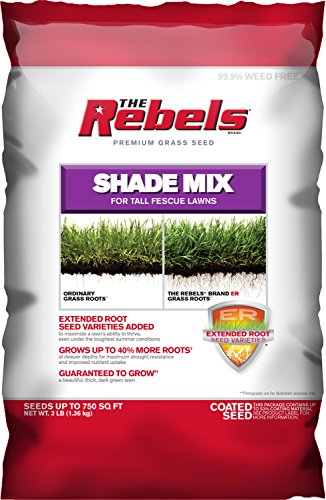
Pennington Rebel Shade Tall Fescue Mix 3 lb

Jonathan Green Black Beauty Heavy Traffic Seed 3 lb

Jonathan Green Black Beauty Dense Shade Seed 1 lb

Jonathan Green Black Beauty Heat & Drought Seed 3 lb

Jonathan Green Black Beauty Rocky Mountain Colorado Mix 7 lb

Jonathan Green Blue Panther Bermudagrass Seed 4 lb

Jonathan Green Black Beauty Ultra Grass Seed 25 lb

Jonathan Green Black Beauty Ultra Grass Seed 7 lb

Pennington Annual Ryegrass Grass Seeds 10 Lb

Scotts Turf Builder Grass Seed Sunny Mix 2.4 lbs
Why These Options Stand Out
Tall fescue earns its reputation across Colorado by sending roots deep enough to chase moisture past the dry top layer that burns out shallow-rooted bluegrass during August. The Rebel Shade Mix leans on tall fescue varieties blended with fine fescue for shade tolerance, so it handles the north-facing strips along fences and the patchy zones under mature trees where most Kentucky bluegrass struggles.
Each seed carries a powder coating that improves handling visibility and helps it grab moisture during the critical first two weeks after sowing. For most yards along the Front Range with a mix of sun and shade, this blend balances cost and adaptability well.
Positive Points
- Shade-tolerant fine fescue component keeps growth going where direct sun drops below four hours
- Powder-coated seed handles easier than bare seed, which reduces waste on windy Colorado afternoons
- Deeper root reach helps the lawn survive dry stretches without daily sprinkler runs
- Darker green color holds through summer heat better than common Kentucky-31 fescue
- Three-pound bag covers roughly 750 square feet for new seeding, useful for narrow side yards
Things To Consider
- Shade mix performs poorly in full-sun, south-facing exposures where the heat builds up
- Three-pound bag runs short for full-yard renovations, so plan on multiple bags
- Fine fescue component can clump if mowed too short, so keep blades above three inches
Who It Suits Best
Shaded Front Range homeowners with mixed sun exposure who want a single bag to handle both the bright back patio and the dim side yard.
Where Another Pick Suits Better
Yards in open sun across the southern plains will see better results from the Jonathan Green Black Beauty Heat & Drought Resistant Grass Seed 3 lb.
Backyards with dogs, trampolines, and pickup basketball games crush weak seedlings within a season. This heavy-traffic mix stacks tall fescue with perennial rye to create a uniform, tough turf that rebounds from compaction. The rye component germinates quickly to hold soil while the slower fescue establishes underneath.
Jonathan Green built this blend for sports fields, and the same characteristics that suit soccer pitches translate to a backyard that sees cleats and dog sprints. In our view, it’s a smart upgrade for households tired of repairing the same worn path every fall.
Why It Works Well
- Perennial rye germinates fast, so you see green coverage within a week to stabilize bare patches
- Tall fescue base delivers the deep roots Colorado clay soils need to find stored moisture
- Uniform texture across the blend avoids the patchy look that mixed-species seed sometimes produces
- Wear tolerance suits backyard goal nets, dog runs, and curb strips next to sidewalks
Worth Noting
- Perennial rye struggles in deep shade, so areas under dense evergreens may thin out
- Three-pound bag covers around 750 square feet, which adds up across larger lots
- Higher wear tolerance comes with slightly more thatch buildup over a few seasons
Made For
Active families with dogs, kids, or regular backyard sports who need grass that recovers from heavy use without constant reseeding.
Consider Something Else When
Heavily shaded yards will see better results from the Jonathan Green Black Beauty Dense Shade Grass Seed 1 lb.
North-facing strips under spruce trees rarely see more than two or three hours of direct light, and standard sun blends turn to dust there. This dense shade formula stacks shade-tolerant fescues with beneficial endophytes (a natural fungus that lives inside the grass and helps deter surface-feeding insects) to push growth into the dimmest corners of the yard. Germination runs 14 to 21 days, which is slower than rye but matches typical fescue behavior.
For most yards where the problem area is a small strip rather than the whole lawn, a one-pound bag is the right scale. You may find it underperforms in bright pockets, so save it for the spots that other blends can’t handle.
The Good Stuff
- Endophyte-enhanced varieties naturally resist surface insects without extra treatment
- Dark green color comes through even in limited light, unlike pale Kentucky bluegrass in shade
- One-pound size is economical for small repair zones under trees and along fence lines
- Strong performance in areas where sun drops below three hours daily
Trade Offs
- Shade tolerance trades off against heat tolerance, so south-facing strips will struggle
- One-pound bag covers only around 200 square feet, so larger shade zones need multiple bags
- Slow 21-day germination means weeds can sprout first if you skip pre-seeding weed control
Right Fit For
Homeowners with stubborn shaded patches under mature trees or beside north walls who need a targeted repair option rather than a full-yard blend.
Not Your Match When
Full sun lawns across the western slope will do better with the Jonathan Green Black Beauty Ultra Grass Seed 7 lb.
Southern Colorado, the Arkansas Valley, and Pueblo County push cool-season grass past its comfort zone every July. This blend pairs tall fescue with Texas bluegrass and adds a waxy leaf coating (a natural cuticle layer on each grass blade that limits how fast water evaporates) to slow moisture loss, similar to how an apple skin holds in juice. That coating buys several extra days between waterings once the lawn is established.
The label cites heat tolerance up to 100°F, which covers most Colorado summer spikes outside the highest mountain valleys. One thing worth considering: this blend still needs cool nights to thrive, so it suits Pueblo and the lower Front Range better than alpine areas.
Useful Highlights
- Waxy leaf coating reduces evaporation, stretching irrigation cycles during water restrictions
- Texas bluegrass parentage brings heat tolerance that standard fescue lacks
- Works in full sun to light shade, so it covers most yard layouts outside dense tree canopies
- Deep root system reaches moisture other cool-season blends miss
Minor Gripes
- Texas bluegrass parentage can look slightly different from typical fescue in early growth stages
- Three-pound bag covers modest areas, so large southern Colorado lots need multiple units
- Still a cool-season blend, so dormancy hits hard during extended heat waves
Who Will Love This
Homeowners in the Arkansas Valley, Pueblo, Canon City, and the lower elevations who battle high heat and limited water access each summer.
Skip It When
Lawns in mountain communities above 7,000 feet will see better adaptation from the Jonathan Green Black Beauty Rocky Mountain Colorado Grass Seed Mix 7 lb.
Most seed blends ship from generic Midwest or Pacific Northwest formulas and get relabeled for the Rockies. This one is built the other direction: turf-type tall fescues, Blue Panther Kentucky bluegrass, and elite perennial rye blended specifically for the cool, semi-arid conditions found in Colorado, Montana, Utah, and Wyoming. The species mix balances the early green-up rye needs with the deep-root fescue Colorado clay demands.
Jonathan Green targeted this formula at high-altitude regions, so it works in both sun and shade across a single yard. For most Colorado homeowners, this is the closest thing to a state-specific blend on the list.
Where It Excels
- Species mix tailored to high-altitude UV exposure and cool nights, not borrowed from lower elevations
- Seven-pound bag covers roughly 1,750 square feet for new seeding, useful for medium yards
- Sun-and-shade versatility means one bag handles most Front Range lawn layouts
- Three-species blend (tall fescue, bluegrass, rye) creates resilient coverage with strong texture
Room For Improvement
- Higher per-bag cost than generic blends, so budget-conscious shoppers may hesitate
- Seven-pound bag is heavier than most small repair projects need
- Still a cool-season mix, so warm-season performance in lower-elevation southern areas is limited
Best Suited To
Colorado, Montana, Utah, and Wyoming homeowners who want a regionally tuned blend rather than a generic national formula adapted by guesswork.
A Better Fit Elsewhere
Lower-elevation southern Colorado lawns may prefer the heat-tuned Jonathan Green Black Beauty Heat & Drought Resistant Grass Seed 3 lb.
Bermudagrass is a warm-season species, meaning it grows actively during hot months and goes dormant (turns tan and stops growing) once temperatures drop below about 50°F. Jonathan Green markets Blue Panther Bermudagrass primarily to southern states, and that carries an important asterisk for Colorado shoppers. Strong vertical and lateral rooting helps this seed establish a dense, durable lawn that handles heavy sun and recovers fast from wear.
The blend is engineered to reduce the need for winter overseeding compared to traditional Bermudagrass, which means less spring work once the lawn comes back. The catch is that the lower one-third of Colorado, roughly from Pueblo south and across the southeastern plains, is the realistic fit zone.
Bright Spots
- Aggressive root structure establishes quickly in sandy and loam soils common across southeastern Colorado
- Warm-season growth peaks when cool-season grass struggles, filling in July and August
- Strong wear recovery suits high-traffic yards and athletic use
- Four-pound bag covers a meaningful repair or overseed area
Points To Note
- Dormant brown phase from late October through April changes the year-round look significantly
- Northern and mountain Colorado are outside the realistic climate range, so coverage suffers
- Warm-season grass requires different mowing and watering habits than cool-season neighbors
Who Should Grab It
Southeastern Colorado homeowners below about 5,000 feet who prefer a heat-loving lawn and accept the winter dormant phase as a trade-off.
Swap It Out When
Front Range or mountain homeowners will see better year-round color from the Jonathan Green Black Beauty Rocky Mountain Colorado Grass Seed Mix 7 lb.
When the project is a full-lawn renovation rather than a spot repair, a 25-pound bag is the realistic scale. The Ultra blend combines tall fescues, Kentucky bluegrass, and perennial rye to create a dark green, dense turf that establishes quickly and fills in bare patches within a single growing season. Germination runs fast, and the three-species mix gives the lawn multiple recovery tools if one variety hits a rough stretch.
For most homeowners with quarter-acre or larger lots, buying a single bulk bag costs less per pound than stacking smaller units. You may find the weight cumbersome to haul in a compact car, so plan a truck or trailer pickup.
Positive Takeaways
- Bulk bag covers roughly 6,000 square feet, ideal for full-yard renovations and new construction
- Three-species blend (tall fescue, bluegrass, rye) creates a self-repairing lawn as wear occurs
- Dark green color holds through Colorado’s intense UV exposure better than lighter varieties
- Lower cost per pound than smaller bags for large projects
Softer Spots
- 25-pound bag is heavy to move, so plan vehicle space or delivery
- Bulk seed has a shorter storage window once opened if the project stretches across seasons
Built With In Mind
Homeowners planning a full-lawn overseed or renovation project on a quarter-acre or larger lot who want the cost advantage of bulk seed.
Another Choice May Suit
Smaller repair jobs are better matched to the Jonathan Green Black Beauty Ultra Grass Seed 7 lb.
Mid-size patch projects and overseed sessions call for a middle-weight bag, and this 7-pound version of the Ultra blend fits that slot. The same three-species mix (tall fescue, Kentucky bluegrass, perennial rye) produces a dark green, dense turf that establishes quickly. Coverage runs roughly 1,750 square feet for new seeding, which covers most side yards, front strips, and visible repair zones.
Compare that to the 25-pound version, which is overkill for anything under a half-acre renovation. The seven-pound bag stores more easily in a garage shelf and reseals between seasons if you don’t use it all at once.
Everyday Perks
- Dark green color and dense texture work well for curb strip and front yard overseed
- Three-species blend offers multiple recovery paths if one variety struggles
- Seven-pound size is manageable to carry and store, even in a small garage
A Few Limitations
- Coverage assumes fresh seeding rates, so overseed projects may stretch the bag further than expected
- Multi-species blends can show slight color variation during establishment
The Right Fit
Homeowners with mid-size repair jobs, curb strip overseed projects, or partial lawn renovations who need more than a small bag but less than bulk.
Reach For A Different Pick When
Lawns with primarily deep shade should turn to the Jonathan Green Black Beauty Dense Shade Grass Seed 1 lb instead.
Annual ryegrass lives fast. It germinates in three to seven days and throws up green coverage before the rest of the lawn wakes up from winter. For Colorado homeowners seeding a bare patch in early spring or overseeding thin spots for quick cover, that speed matters more than longevity. The bag targets full-sun areas with six to eight hours of light, which covers most open lawn sections.
Annual rye naturally dies back after one season, so think of this as a temporary nurse crop (a fast-growing grass planted to hold soil and crowd out weeds while a permanent lawn establishes) or quick color fix rather than a permanent lawn solution. The honest read is that it works best as a supplement to a longer-term blend, not a stand-alone answer.
Noteworthy Benefits
- Three-to-seven-day germination is the fastest on this list, useful for last-minute patches
- 10-pound bag covers a meaningful overseed area, roughly 2,500 square feet
- Quick cover helps crowd out weeds while slower fescue or bluegrass establishes
- Affordable entry point for large bare-soil repair jobs
Honest Caveats
- Annual rye dies after one season, so it cannot form a permanent Colorado lawn
- Light green color looks noticeably different from the dark fescue and bluegrass blends
- Best used as a temporary cover, not the main lawn species
Perfect Match For
Homeowners needing fast temporary cover for erosion control, quick green-up while permanent grass establishes, or winter overseed on a southern lawn.
Look Elsewhere When
Anyone seeking a permanent Colorado lawn should start with the Jonathan Green Black Beauty Rocky Mountain Colorado Grass Seed Mix 7 lb instead.
Scotts redesigned this Turf Builder Sunny Mix with Root-Building Nutrition, a proprietary blend of ingredients coated onto each seed to jump-start root development during the germination window. For first-time seeders who want one bag that does the basics well, that built-in nutrition removes a step from the project. The mix targets full sun with light shade tolerance and offers medium-to-high drought resistance once the lawn is established.
At 2.4 pounds, the bag suits small repair jobs and starter projects rather than full-yard renovations. Depending on your soil quality, the coated seed may show slower initial green-up than uncoated rye, but the trade-off is stronger roots underneath.
Useful Strengths
- Root-Building Nutrition removes a separate fertilization step for first-time seeders
- Sunny Mix design works well in open, south-facing Colorado yards
- Small bag size suits narrow repair jobs without leftover seed waste
- Brand familiarity helps homeowners who want a recognized name in lawn care
Practical Considerations
- 2.4-pound bag covers only modest areas, roughly 600 square feet for new seeding
- Coated seed takes slightly longer to show initial green-up than bare rye
Whose Shelf It Belongs On
First-time seeders and homeowners tackling small sunny patch repairs who want a forgiving, all-in-one product without separate fertilizer shopping.
Where A Sibling Pick Shines
Larger full-lawn projects across Colorado will see better value from the Jonathan Green Black Beauty Ultra Grass Seed 25 lb.
What To Weigh Before Choosing Grass Seeds For Colorado
Climate Zone Comes First
Colorado spans USDA Hardiness Zones 3 through 7, meaning winter lows swing from around -40°F in the mountains to -10°F along the southern border. Pick cool-season blends (tall fescue, Kentucky bluegrass, perennial rye) for most of the state. The southeastern plains and the lower Arkansas Valley are the realistic fit for warm-season options like Bermudagrass, and even there, expect a winter dormant phase.
Elevation changes everything. Mountain communities above 7,500 feet face shorter growing seasons and cooler nights, which push the choice toward blends with strong cold tolerance. The Front Range, around 5,000 to 6,500 feet, handles most cool-season blends with proper watering. For most yards, the species mix matters more than the brand name on the bag.
Sun Exposure And Shade Mapping
Walk the yard at 9 a.m., noon, and 3 p.m. on a clear day before you buy. Areas with less than four hours of direct sun need a shade-tolerant fescue blend, not a sunny mix. Mixed-yard properties (common in older Denver neighborhoods with mature trees) often do best with a versatile three-species blend that handles both conditions, or a two-bag approach combining sunny and shade formulas.
South- and west-facing exposures along the Front Range get brutally hot in July and August, so heat tolerance becomes the deciding factor there. North-facing strips under evergreen canopies demand shade formulas, even in the same yard.
Traffic Pattern And Use Case
Match the grass to how the lawn actually gets used. Backyards with active dogs and kids need tall fescue or a heavy-traffic mix that recovers from wear. Front-yard showcase strips can lean on Kentucky bluegrass for that classic dark green color, accepting that it needs more water and recovery time. Athletic zones and side yards with regular foot traffic benefit from perennial rye in the blend for fast wear recovery.
Low-use yards, like vacation homes and side strips, give you more flexibility. For most homeowners with average suburban traffic, a tall fescue base with supplemental bluegrass or rye offers the best balance.
Key Considerations Across These Picks
Where Shoppers Go Wrong
The most common error is buying a sun-blend for a shaded yard because the bag looks attractive in the store. Sun mixes thin out fast under tree cover, and reseeding costs more than buying the right bag the first time. Measure your sun exposure honestly before settling on a formula.
Another slip is ignoring the seed weight relative to yard size. A three-pound bag covers around 750 square feet for new seeding, far less than most shoppers expect. Under-buying leads to thin, patchy results, while over-buying leaves you storing opened bags that lose viability over time. Measure your lawn area first and round up by about 15 percent to handle overlap and bare spots.
What Separates Premium From Basic
Higher-tier blends on this list, like the Jonathan Green Rocky Mountain and Ultra lines, justify the cost through multi-species mixes and region-specific breeding. Those blends offer built-in resilience: if one species hits a rough stretch, the others carry the lawn through. Generic single-species bags cost less per pound but leave the lawn more vulnerable to weather swings, pests, and disease.
The upgrade pays off most in larger yards, where a thicker, more uniform stand means less reseeding over the lawn’s life. For small repair jobs under 200 square feet, a basic blend is usually enough, and the premium cost isn’t justified.
Frequently Asked Questions
When is the best time to seed a lawn in Colorado?
Late August through mid-September is the prime window for cool-season grass in Colorado, since soil stays warm while air temperatures drop into the ideal germination range. Spring seeding works but faces more weed competition and summer heat stress on young roots.
How much seed do I need for my yard?
Measure your lawn area in square feet, then divide by the coverage rate on the bag, typically around 250 to 350 square feet per pound for new seeding. Add 10 to 15 percent extra to cover overlap, bare spots, and settling birds.
Do I need to water new grass seed every day?
Yes, light watering two to three times daily for the first two weeks keeps the topsoil moist without washing seeds away. Once grass reaches two inches, taper to deeper, less frequent watering to push roots downward.
Can I mix different grass seed blends together?
You can, though matching species (a tall fescue blend with another tall fescue blend) works better than mixing fescue with bluegrass. Pre-mixed commercial blends are already balanced, so adding a second bag usually isn’t necessary.
How long until I see a full lawn from seed?
Annual rye shows green in a week, but most Colorado cool-season blends need a full growing season to fill in completely. Expect noticeable coverage in six to eight weeks and full density by the following spring.
The Takeaway
Colorado lawns reward species selection over brand loyalty, so start with your elevation, sun pattern, and traffic level before reading bag labels. The Jonathan Green Black Beauty Rocky Mountain Colorado Mix 7 lb is the most region-specific option on this list, while the Pennington Rebel Shade and the Heat & Drought blends cover the two most common yard challenges (shade and heat) with focused formulas. Match the seed to your yard, and the rest of the season gets much easier.
