

Hot, dry yards punish weak seed fast. A few blistering afternoons in July can wipe out a starter blend in a week, which is why picking the right sun and drought tolerant grass seed before you spread it saves both water and rework. The shortlist below focuses on mixes built for long, direct sun, deep roots, and stretches without rainfall, with options for new lawns, overseeding, and tough climate zones.
The Shortlist At A Glance

Jonathan Green Black Beauty Sunny Grass Seed (1 lb)

Jonathan Green Black Beauty Heat & Drought Resistant (3 lb)

Jonathan Green Black Beauty Keystone PA Grass Seed (7 lb)

Jonathan Green Black Beauty Tall Fescue Blend (15 lb)

Pennington Annual Ryegrass (10 lb)

Scotts Turf Builder Sunny Mix (2.4 lb)
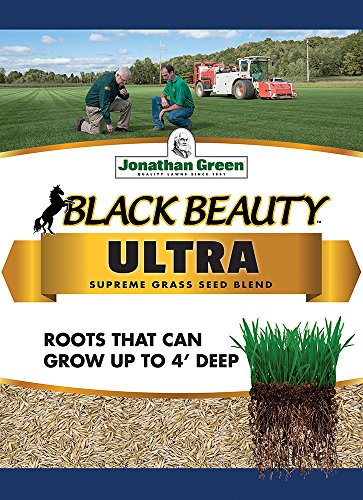
Jonathan Green 40322 Black Beauty Ultra (7 lb)

Pennington Bermudagrass (5 lb)

Scotts Kentucky 31 Mix (7 lb)

Scotts Drought Tolerant Mix (4 lb)
The Details Behind The Selections
For tight, sunny patches where most of the bag would go to waste, this one-pound Jonathan Green blend fits the bill. It mixes perennial rye, Kentucky bluegrass, and tall fescue, which is a sensible cool-season trio for a back garden that gets hammered by midday sun. Compared to the larger Pennington ryegrass later in this list, this one aims for a permanent lawn rather than a quick seasonal cover.
The interesting bit is the waxy leaf coating the manufacturer describes. In a hot yard, that waxy layer helps the blades hang onto moisture longer between waterings. You will still need to water through the first few weeks while the seedlings establish, but the long-term payoff is a tougher stand of grass that does not crisp up the moment a heat wave rolls in.
What It Does Well
- Heat-tolerant blend of three cool-season species for steady, year-round color
- Waxy leaf coating limits moisture loss during dry spells
- One-pound size is right for patching small bare spots without waste
- Performs in full sun to lightly shaded areas, so it adapts to tricky yards
Honest Caveats
- The 1 lb bag covers a very small area, so larger reseeding jobs need bigger packaging
- Cool-season mix may slow down in the deepest part of southern summers, depending on your zone
- Newly seeded areas still need consistent watering until germination finishes
Who Should Grab It
Homeowners with a small, sun-baked patch to repair or thicken without buying a 15 lb bag they will not finish.
Skip It When
You are establishing a full front yard. Step up to the Jonathan Green Black Beauty Tall Fescue Blend (15 lb) instead.
Where the 1 lb Jonathan Green leans on a balanced three-species cool-season mix, this 3 lb bag doubles down on heat survival. The blend leans on tall fescue and Texas bluegrass, and the manufacturer rates it for full sun to light shade and heat tolerance up to 100°F. That makes it a real candidate for a southern lawn or a hot western exposure where ordinary bluegrass gives up by July.
Compared to the regional Keystone PA mix below, this one is built for stress, not climate nostalgia. The waxy leaf coating carries over from the Black Beauty line, which is what keeps the blades from losing moisture faster than the roots can pull it back up. For a homeowner who has watched a previous lawn fry in August, the targeted heat rating is the headline here.
Why It Works Well
- Engineered to handle heat up to 100°F without going dormant
- Texas bluegrass adds a bit of self-spreading habit to a fescue base
- Waxy leaf coating slows evaporation in dry stretches
Things To Consider
- Smaller bag size means more cost per pound compared to larger options on this list
- Still benefits from steady watering while seedlings establish in the first few weeks
Key Specs
Right Fit For
Homeowners in the transition zone or deep South who want a cool-season-looking lawn that can take a hot, dry summer.
Look Elsewhere When
You want a true warm-season lawn. The Pennington Bermudagrass below is a better fit for that scenario.
This is the regional pick in the Black Beauty family, built specifically for Pennsylvania climate quirks. It blends tall fescues, perennial ryegrass, and Kentucky bluegrass to produce the deep green color Mid-Atlantic homeowners tend to want, and the manufacturer recommends planting between mid-August and mid-October when the soil is still warm but the air is cooling down. For a PA lawn, that timing line matters more than people realize.
Where the heat-resistant 3 lb bag above chases southern summers, this one is tuned for cooler shoulder seasons. The waxy leaf coating carries over, so even during July dry spells the lawn tends to hold its color longer than a generic big-box mix. The honest read is that it shines in its home region and loses some of its edge further south or west.
Key Advantages
- Formulated for the specific climate of Pennsylvania and the Mid-Atlantic
- Produces a dark green, dense turf when sown in the recommended fall window
- Three-species blend gives the lawn more resilience to weather swings
- Waxy leaf coating helps blades conserve moisture through dry weeks
Room For Improvement
- Region-tuned formula may underperform outside the Mid-Atlantic
- Best results depend on a narrow fall planting window, which is easy to miss
Whose Lawn It Belongs On
Pennsylvania and Mid-Atlantic homeowners who want a regionally tuned blend instead of a generic national mix.
Swap It Out When
You live well south of the Mason-Dixon line. Pick the Scotts Drought Tolerant Mix for a broader southern fit.
For a serious overseeding or new-lawn project, the 15 lb bag of Black Beauty Original is the workhorse of the Jonathan Green line. It is 100% turf-type tall fescue, which is the species most associated with deep roots and drought tolerance in cool-season lawns. The manufacturer claims roots can reach up to four feet deep, which is what allows the lawn to keep drawing moisture long after the surface has dried out.
Versus the smaller 1 lb and 3 lb Jonathan Green bags earlier, this one is built for scale. It also fits sun or shade, which makes it useful for yards with mixed exposure. The mowing detail is worth noting too: the leaf texture is uniform and the blades tend to cut cleanly rather than fraying, so the lawn keeps a tidy look even during the stress of July.
Useful Highlights
- 100% tall fescue blend known for reaching roots up to 4 feet deep
- Works in full sun and partial shade, covering most yard layouts
- Large 15 lb bag suits new lawns or wide-area overseeding
- Waxy leaf coating helps preserve moisture during dry stretches
Practical Considerations
- 15 lb bag is heavy and awkward to carry, so plan a cart for pickup
- Single-species blend lacks the species diversity of the Ultra mix below
Quick Facts
Best Suited To
Homeowners with a large cool-season lawn who need one dependable bag to seed or overseed the whole yard.
Where Another Pick Suits Better
You want species diversity to spread risk. Try the Jonathan Green 40322 Black Beauty Ultra Grass Seed (7 lb) instead.
Pennington’s annual ryegrass does something none of the other picks on this list really try to do. It germinates fast, often within a week, and covers bare ground quickly, which is why it is the go-to for overseeding southern lawns in fall. Compared to the tall fescue and Kentucky bluegrass blends above, this is a short-term tool, not a permanent lawn.
Annual ryegrass is also useful as a nurse crop. Spread it over a slower-germinating mix and it holds the soil while the fescue and bluegrass fill in underneath. The trade-off is that it dies back at the end of its season, so for a permanent drought-tolerant lawn you would pair it with something else from this list rather than relying on it alone.
Bright Spots
- Fast germination, often within 3 to 7 days under good conditions
- Provides quick green cover in areas with 6 to 8 hours of full sun
- Useful as a temporary nurse crop over slower-germinating blends
- Ideal for overseeding southern lawns to keep them green through winter
Trade Offs
- Annual life cycle means it dies back, so it is not a permanent lawn on its own
- Less drought tolerance than the fescue and bluegrass blends higher on this list
Who Will Love This
Southern homeowners overseeding warm-season lawns for a green winter, or anyone needing fast cover while a slower blend establishes.
Reach For A Different Pick When
You want a permanent drought-tolerant lawn. The Jonathan Green Black Beauty Tall Fescue Blend (15 lb) fits that job better.
Scotts Turf Builder Sunny Mix is the everyday suburban pick on this list. It is formulated for full sun with some light shade tolerance, and the manufacturer describes medium to high drought resistance once the lawn is established. The interesting twist is the Root-Building Nutrition the bag ships with, a combination of ingredients meant to push deeper root development right from the start.
Compared to the Jonathan Green 1 lb bag earlier, this one covers more square footage and is designed for a brand-new lawn, not just spot repair. The trade-off is that it leans on a single national formula rather than a region-tuned blend like the Keystone PA above, so for a yard with very specific climate quirks you may want a more targeted mix.
The Case For It
- Built for direct sun with some light shade tolerance
- Root-Building Nutrition supports deeper early root development
- Medium to high drought resistance once established
- 2.4 lb size is approachable for a small yard or first reseed
Soft Spots
- National formula is not tuned to any specific regional climate
- Smaller bag means more trips to the store for very large lawns
- Performance still depends on consistent watering during the germination phase
Feature Snapshot
Perfect Match For
Typical suburban homeowners with a sunny, open lawn who want a no-fuss national brand that is easy to find and reseed.
Not Your Match When
You want species diversity. The Jonathan Green 40322 Black Beauty Ultra brings a three-species mix to the table instead.
Black Beauty Ultra is the species-diversity play in the Jonathan Green catalog. It combines Black Beauty tall fescues, elite Kentucky bluegrass, and perennial ryegrass, which gives the lawn a more layered defense against weather swings. The manufacturer rates it for strong heat and drought tolerance, and the 7 lb bag is sized to cover roughly 2,800 square feet for new lawns.
Where the all-fescue 15 lb bag earlier is a one-note solution, Ultra spreads the risk across three species, so a hot spell that knocks back one type still leaves the others standing. For a yard with mixed exposure and a few rough patches, the species diversity is what sets it apart.
Notable Gains
- Three-species diversity cushions the lawn against weather swings
- Covers around 2,800 square feet, suiting mid-size yards
- Excellent heat and drought tolerance once established
- Germinates quickly to help fill in damaged lawn areas
Some Limits To Know
- 7 lb bag may fall short for very large overseeding jobs
- Multi-species blend can show uneven color during transition stress
- Newly seeded areas still need careful watering in the first weeks
Made For
Homeowners with mixed sun and shade, or rough patches from a previous bad summer who want a more resilient blend.
A Better Fit Elsewhere
You want a clean, uniform single-species look. The Jonathan Green Black Beauty Tall Fescue Blend (15 lb) delivers that.
Pennington Bermudagrass is the warm-season option on this list, and it behaves nothing like the cool-season fescue and bluegrass blends above. It produces a thick, aggressively self-spreading turf with improved cold-tolerant varieties, a deep root system, and high wear resistance. For a southern lawn that sees heavy foot traffic, this is the species that can keep up.
The honest caveat is that bermuda goes dormant and turns brown out of season. In mild winters it stays partly green, but further north it shuts down hard. If you want a green lawn year-round, the Pennington Annual Ryegrass earlier is the natural pairing for winter overseeding on top of bermuda.
A Few Highlights
- Aggressive self-spreading habit fills in thin and worn areas
- Deep root system pulls moisture from well below the surface
- Extremely wear-resistant, ideal for active yards and pets
- Low-growing blend that produces fewer clippings during mowing
Honest Caveats
- Goes brown and dormant during winter in cooler zones
- Not suited to heavily shaded yards, since bermuda craves direct sun
Best Suited To
Southern homeowners with full sun, heavy traffic, or kids and pets who need a tough, self-repairing lawn.
Consider Something Else When
You live in a cool-season zone. The Jonathan Green Black Beauty Tall Fescue Blend (15 lb) is a better match.
Scotts Kentucky 31 Mix leans on the classic Kentucky 31 tall fescue cultivar, which has been a workhorse on American lawns for decades. The manufacturer pairs it with other seed types to improve performance over plain Kentucky 31 alone, and the mix targets both new lawns and overseeding. For a homeowner who wants something tried and true without overthinking species selection, this is the safe bet.
Versus the 100% tall fescue Jonathan Green 15 lb bag above, this Scotts blend trades a touch of single-species purity for a more balanced formula. The trade-off is consistency, since the bag draws on a curated blend rather than a single cultivar, and that means the lawn can react a little differently across different microclimates in the same yard.
Everyday Perks
- Built around a proven Kentucky 31 tall fescue base
- Works for both new lawns and overseeding existing turf
- Curated blend designed to outperform plain Kentucky 31
- Tall fescue base brings durable heat and wear tolerance
Worth Noting
- Blended formula can show slight variability across a yard
- 7 lb bag sits in the middle, so very large jobs still need multiple bags
Technical Sheet
Who It Suits Best
Homeowners who want a familiar tall fescue lawn without diving into single-cultivar territory.
Another Choice May Suit
You want a single-species tall fescue for a uniform look. The Jonathan Green Black Beauty Tall Fescue Blend (15 lb) is a cleaner fit.
Scotts Drought Tolerant Mix closes out the list with a blend built specifically for tough, dry conditions. It combines tall fescue and Kentucky bluegrass, and the manufacturer highlights the long roots that reach deep into the soil for water, plus a self-repairing habit that fills in bare spots over time. The 99.99% weed free seed claim is also a nice detail for anyone starting a new lawn from scratch.
Compared to the Turf Builder Sunny Mix earlier, this one focuses harder on drought survival and recovery rather than sun-only performance. The recommended planting window is spring or fall when air temperatures sit between 65°F and 85°F, so timing matters more than people sometimes expect. Plant it outside that range and germination gets sluggish.
Everyday Wins
- Long-rooted tall fescue and Kentucky bluegrass reach water deep in the soil
- Self-repairing habit fills in bare spots over the growing season
- 99.99% weed free seed for a clean start on a new lawn
- Suits both new lawns and overseeding of existing turf
Potential Sticking Points
- Narrow temperature window of 65°F to 85°F for best results
- 4 lb bag is modest, so larger yards may need more than one
Built With In Mind
Homeowners who want a drought-first formula with self-repair built in, and who can plant within the recommended temperature window.
Where A Sibling Pick Shines
You want a regionally tuned cool-season blend. The Jonathan Green Black Beauty Keystone PA Grass Seed (7 lb) is a more climate-specific fit.
What Matters Most When Choosing Sun And Drought Grass Seed
Match The Seed To Your Climate Zone
Cool-season blends like tall fescue and Kentucky bluegrass belong in the North and transition zone, where summers are warm but winters are cold. Warm-season picks like bermudagrass belong in the South, where they thrive through long, hot summers but go dormant in winter. Picking the wrong category for your zone is the most common reason a sun-and-drought lawn fails before it gets going.
Prioritize Root Depth Over Blade Color
The waxy leaf coatings and dark green color in this category look great on the shelf, but the real drought story happens underground. Tall fescue and bermuda both send roots several feet deep, which is what lets them keep drinking when the top inch of soil is bone dry. Shallow-rooted blends look fine in spring and struggle the moment a heat wave arrives.
Time The Planting Window
Most of the picks above lean on a fall planting window from mid-August through mid-October, when soil is warm and air is cool. Spring is the secondary window. Plant outside those windows and germination rates drop sharply, especially for cool-season blends. The Scotts Drought Tolerant Mix’s 65°F to 85°F range is a good rule of thumb to keep in mind.
Pick The Right Bag Size For The Job
A 1 lb bag handles a few square feet of patch repair, a 5 lb bag covers a small front yard, and a 15 lb bag covers full-yard overseeding or a brand-new lawn. Buying too small means repeat shipping costs and a patchy, uneven establishment, while buying too large means leftover seed sitting in a hot garage losing viability over time.
Key Considerations Across These Picks
Pitfalls Shoppers Hit
A common mistake is buying a fescue blend for a heavily shaded yard and wondering why it thins out, or grabbing bermuda for a northern lawn and watching it die back in October. The other classic slip is skipping the watering phase: even drought-tolerant seed needs consistent moisture for the first few weeks while it germinates, and a dry spell right after spreading can wipe out an entire reseeding.
Where The Extra Money Goes
Higher-tier blends earn their cost through species diversity, region-specific tuning, and additives like Root-Building Nutrition or waxy leaf coatings. Those features show up as deeper roots, better heat tolerance, and a lawn that recovers faster after drought stress. For a small patch, a budget blend is fine. For a full yard you plan to live with for years, the upgrade usually pays for itself in fewer repairs and less reseeding down the road.
Frequently Asked Questions
When Is The Best Time To Plant Grass Seed For Full Sun And Drought Conditions?
For most cool-season blends, mid-August through mid-October is the strongest window, with mid-March to mid-May as the backup. Warm-season bermuda prefers late spring through early summer once soil is reliably warm.
How Long Does It Take For Drought-Tolerant Grass Seed To Germinate?
Annual ryegrass can sprout in as little as 3 to 7 days, while tall fescue typically takes 7 to 14 days. Kentucky bluegrass is the slow one, often 14 to 21 days, which is why bluegrass mixes usually include faster species for early cover.
How Often Should You Water New Grass Seed In Hot Weather?
During the germination phase, light watering once or twice a day is typical, just enough to keep the top inch of soil moist. Once the lawn is established, switch to deeper, less frequent watering to push roots downward.
Can You Mix Different Grass Seed Blends Together?
Yes, and many homeowners pair annual ryegrass with a slower fescue or bluegrass blend to get fast cover plus long-term resilience. Just match the species to your climate zone and sun exposure so they grow well together.
Will Drought-Tolerant Grass Stay Green All Summer Without Irrigation?
No grass stays fully green through extended drought without some water, but the deep-rooted blends above hold their color far longer than shallow-rooted lawn mixes. Expect slower growth and some browning in extreme heat, with full recovery once rain or irrigation returns.
Closing Remarks
The right grass seed for a hot, sunny yard comes down to matching species to climate, timing the planting window, and committing to a few weeks of watering while the lawn establishes. Tall fescue leads the cool-season pack for drought resilience, bermuda owns the warm-season slot, and a quick ryegrass overseed bridges the gaps in between. Pick the bag that fits your zone and your square footage, and the lawn has a real shot at handling whatever summer throws at it.
