

Georgia red clay has a reputation, and most of it is deserved. That dense, iron-rich layer shrugs off water, compacts under foot traffic, and turns rock-hard by July. Choosing seed that can push through compacted ground and tolerate a humid transition-zone climate is half the battle. This list rounds up ten grass seed options that have a realistic shot at taking hold in clay-heavy yards, from deep-rooting tall fescue blends to quick-establishing annual rye and shade-loving creeping red fescue. Each pick below is paired with its best use case so you can match seed to soil, sun, and the size of the patch you’re working on.
A Quick View Of The Lineup

Jonathan Green Black Beauty Tall Fescue Blend 15 lb

Gulf Annual Rye Grass Seed 50 lb Oregon Grown

Canada Green Grass Lawn Seed 2 lb

Scotts Kentucky 31 Grass Seed Mix 7 lb
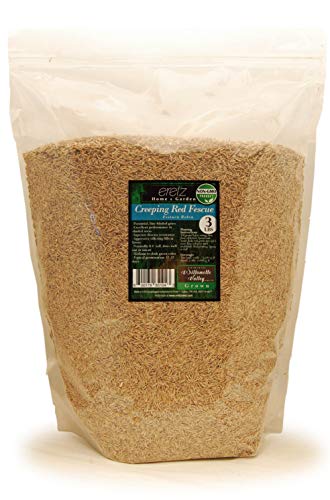
Eretz Creeping Red Fescue Seed 3 lb
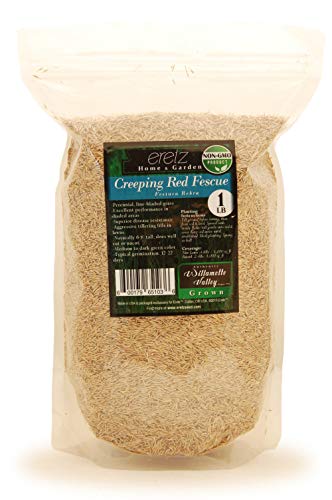
Eretz Creeping Red Fescue Seed 1 lb
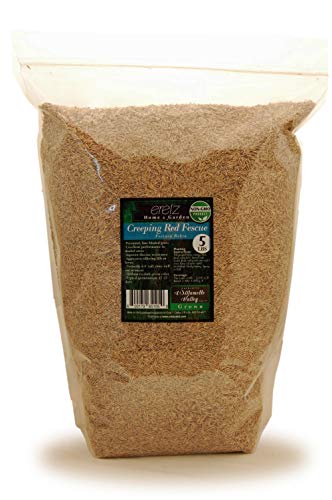
Eretz Creeping Red Fine Fescue Seed 5 lb

Scotts Drought Tolerant Grass Seed Mix 4 lb
Canada Green Grass Seed 2 lb Bag

Seeds2Go Creeping Red Fescue Lawn Seed 1 lb
Why These Options Stand Out
Tall fescue (a cool-season grass with deep, fibrous roots) is the workhorse of Georgia clay lawns, and the Black Beauty blend leans into that strength. The formula is built around turf-type tall fescues, which produce darker green blades and a more uniform texture than older forage-type fescues. For homeowners fighting a half-acre of red clay that turns to concrete in August, the deep root habit is the real selling point.
You can use this seed for new lawn installs or for thickening up a patchy yard, since it tolerates both full sun and partial shade. The manufacturer points to mid-August through mid-October as the ideal window, with mid-March to mid-May as a secondary option, which lines up with Georgia’s fall overseeding season. For most backyards, the 15 lb bag covers a meaningful area without running out halfway through the job.
Positive Takeaways
- Deep-rooting fescue helps plants reach moisture below Georgia’s hard clay crust
- Waxy leaf coating supports moisture retention during hot stretches
- Works in both sunny and shaded sections, so you can use one bag across mixed conditions
- Uniform leaf texture gives a cleaner look than old-style fescue
- Holds up well when mowed, with less shredding of blade tips
Worth Noting
- You may find germination slower than annual rye options if the soil stays dry
- Heavy clay needs core aeration first for best root penetration
- 15 lb is a lot of seed; storage in a cool, dry spot matters for any leftover
Who It Suits Best
Homeowners establishing or overseeding a mid-size Georgia lawn who want a cool-season fescue that can handle compacted clay without constant babysitting.
Look Elsewhere When
The Canada Green Grass Lawn Seed 2 lb makes more sense for shoppers who only need to repair a few small bare spots and don’t want to store a 15 lb bag.
Annual rye is the sprinter of the seed world: it germinates fast, covers ground fast, and gives you a green lawn in a matter of weeks. The Gulf Annual blend from Oregon is aimed squarely at homeowners who need to rehab a problem yard in a single season, and the 50 lb bag is sized to match. Where the Jonathan Green blend above is the long-game pick, this one is about fast visible results before summer stress rolls in.
Coverage on a 50 lb bag is generous, so this option makes sense if you’re seeding a large bare area or overseeding a full acre-plus lawn. It is listed for hardiness zones 1 through 7, which covers most of north and central Georgia. Just know annual rye, by definition, completes its life cycle in one season, so you’ll be reseeding or transitioning to a perennial grass later.
Strengths Worth Knowing
- Fast germination helps crowd out weeds on bare red clay before they get established
- 50 lb bag covers up to 10,000 square feet, useful for big properties
- Wide-bladed growth fills in thin spots quickly so the yard looks finished sooner
- Works across a broad range of hardiness zones for flexible planting windows
Trade Offs
- Annual lifecycle means you’ll need to reseed or overseed the following year
- Not designed for permanent lawn use in Georgia’s transition zone
- 50 lb is heavy; storage space and a dry spot are required for any leftover
Made For
Property owners with large bare or eroded patches of red clay who want quick seasonal cover and plan to follow up with a perennial seed later.
Swap It Out When
The Jonathan Green Black Beauty Tall Fescue Blend 15 lb is a better long-term pick if you want a permanent lawn rather than a one-season fix.
Canada Green’s 2 lb bag sits at the small end of the spectrum, which makes it approachable for someone dealing with a handful of bare patches rather than a full lawn renovation. The mix is marketed for thickening up thin areas and repairing bare spots, which is often the most common lawn task for first-time homeowners. The included planting instructions help bridge the gap for people who have never seeded before.
In Georgia red clay, the smaller seed quantity is genuinely useful because you can focus on prepping just the trouble spots instead of broadcasting seed over everything. You may find that 2 lb is undersized if you have a large yard, since you would need multiple bags to do a meaningful overseed. For renters or townhome owners, though, the small footprint keeps things simple.
Practical Pluses
- Small 2 lb bag suits first-time seeders with limited bare area
- Fine grass seed mixture targets patch repair rather than full-lawn installs
- Included planting instructions lower the learning curve
- Easy to store in a garage or shed without taking up much space
Minor Gripes
- Coverage is limited, so multiple bags are needed for big yards
- Manufacturer details on grass type and seed purity are thin
Right Fit For
Beginners and small-yard owners patching a few bare spots in a Georgia lawn without committing to a larger seed bag.
Not Your Match When
The Gulf Annual Rye Grass Seed 50 lb Oregon Grown makes more sense for full-acre overseeding rather than spot repair.
Kentucky 31 is one of the older tall fescue varieties still widely sold, prized for toughness more than finesse. The Scotts Kentucky 31 mix is built around that fescue as the main component, blended with other seeds to round out the lawn. For Georgia yards that see a lot of foot traffic from kids or pets, the durability angle is the main draw.
Compared with the Jonathan Green Black Beauty blend, this mix leans toward a coarser blade and a hardier, lower-maintenance look. It works for new lawns and overseeding, which keeps the use case flexible. You may find the leaf texture a bit wider than turf-type fescue, so a manicured golf-course look is not the goal here.
Well-Handled Touches
- Tall fescue base delivers strong wear tolerance for active yards
- Blended mix aims to give a thicker result than basic Kentucky 31 alone
- Suits both new installs and overseeding existing lawns
- Lower maintenance profile than finer-bladed turf grasses
Points To Note
- Wider blade texture than turf-type tall fescue, so a less refined appearance
- Color may read lighter green than the Black Beauty blend above
Who Should Grab It
Homeowners with kids, dogs, or frequent backyard gatherings who want a tough fescue lawn that tolerates wear and tear.
Consider Something Else When
The Eretz Creeping Red Fescue Seed 3 lb is worth considering for yards with heavy tree cover, where shade tolerance matters more than traffic durability.
Creeping red fescue (a fine-bladed, shade-tolerant cool-season grass) handles Georgia’s filtered-light spots under oaks and pines far better than most fescues. Eretz grows this seed in the Willamette Valley, a well-known grass seed region, and the company markets it as a clean, filler-free product. The 3 lb bag is the middle size in the line, sitting between the 1 lb and 5 lb options below.
The grass fills in via aggressive tillering, which is the technical term for how a grass plant sends out side shoots to spread. That habit helps it self-repair thin patches without much extra work. Compared with the Canada Green Grass Lawn Seed 2 lb above, this one offers a much more transparent specification sheet and a defined shade specialty.
Noteworthy Benefits
- Fine-bladed texture gives a softer, denser look in shade
- Aggressive tillering helps the lawn fill in gaps over time
- Willamette Valley-grown seed with a clean purity profile
- Naturally 6 to 8 inches tall, so it works for low-mow or no-mow setups
Things To Consider
- Not as heat-tolerant as tall fescue in full Georgia sun
- 3 lb bag is sized for smaller areas, not full-acre coverage
Best Suited To
Homeowners with mature trees and shaded patches of clay soil who want a fine-textured, low-mow ground cover where sunny grasses struggle.
Another Choice May Suit
The Scotts Drought Tolerant Grass Seed Mix 4 lb is the better fit for sunny, open Georgia lawns that need heat and drought resilience.
The 1 lb version of the Eretz creeping red fescue is the smallest bag in that product family, and it shares the same shade-tolerant, fine-bladed genetics. The pitch here is convenience: you get the same Willamette Valley-grown seed without committing to a larger bag you might not finish. For a small shaded corner of red clay under a magnolia, this size is often the right call.
In terms of the spec, this shares the same disease resistance and tillering behavior as the 3 lb and 5 lb siblings. The trade-off is coverage: 1 lb is enough for patch repair or a modest shade bed, not a full lawn. If your shaded area is bigger than expected, stepping up to the 5 lb bag below is the natural move.
Where It Delivers
- Compact 1 lb bag fits tight storage spaces and small budgets
- Same shade-tolerant fescue genetics as the larger Eretz sizes
- Clean seed profile with no weed or filler content
- Ideal for trial runs on a small patch before scaling up
Areas To Watch
- Limited coverage means more than one bag is needed for medium areas
Who Will Love This
Homeowners with a small shaded patch in clay soil who want to test creeping red fescue before buying a bigger bag.
Reach For A Different Pick When
The Eretz Creeping Red Fescue Seed 3 lb is a better value once you know the area is more than a small patch.
The 5 lb Eretz creeping red fescue is the largest of the three Eretz sizes, and it makes sense for properties with substantial shaded acreage or for those who want a single bag to cover multiple bare zones. You get the same shade-loving, fine-bladed grass as the 1 lb and 3 lb versions, just in a volume that matches bigger projects.
The seed is positioned as a premium shade option, with no weed seed and no crop fillers. The medium-to-dark green color reads well against red clay, especially once the stand thickens. Compared with the Canada Green Grass Seed 2 lb Bag below, this fescue is more clearly defined as a shade grass and gives you more honest information about the seed’s purity.
Where It Helps
- 5 lb bag handles larger shaded sections without multiple purchases
- Fine-bladed texture and medium-to-dark green color for a polished look
- Disease resistance supports a healthier stand over time
- Clean seed content reduces the chance of introducing weed species
Some Limits To Know
- Best in shade, not the strongest performer in full, hot Georgia sun
- Premium positioning means a higher upfront commitment than small bags
Perfect Match For
Property owners with sizable shaded zones of clay soil who want a single large bag of clean, fine-bladed fescue seed.
A Better Fit Elsewhere
The Jonathan Green Black Beauty Tall Fescue Blend 15 lb is the right call for sun-drenched, drought-prone Georgia lawns.
Scotts combines tall fescue and Kentucky bluegrass (a self-spreading cool-season grass) in this drought-tolerant mix, and the two species cover each other’s weak spots. Tall fescue drives deep roots, while bluegrass adds lateral self-repair through rhizomes (underground stems that send up new shoots). For Georgia red clay, that mix gives you a fighting chance during dry spells and helps the lawn fill in bare areas without manual reseeding.
The recommended planting window is spring or fall when air temperatures sit between 65 and 85 degrees Fahrenheit, which aligns nicely with Georgia’s shoulder seasons. The seed is marketed as 99.99% weed-free, which reduces one of the more common frustrations for new seeding jobs. Compared with the Canada Green Grass Seed 2 lb Bag, this Scotts mix is more transparent about its composition.
Real Benefits
- Two-species blend brings deep roots plus self-repair in one bag
- Suits both new lawn installs and overseeding existing grass
- High weed-free purity reduces competition during germination
- Application window matches Georgia’s cooler planting seasons
Where It Is Less Suited
- Kentucky bluegrass can struggle in deep shade
- 4 lb bag is a mid-size option, so larger yards may need multiple bags
Built With In Mind
DIY homeowners establishing or overseeding a sunny Georgia lawn who want a balanced cool-season mix that holds up to summer drought.
Where A Sibling Pick Shines
The Eretz Creeping Red Fine Fescue Seed 5 lb is the stronger pick for heavily shaded clay where bluegrass struggles.
Canada Green’s 2 lb bag through Collections Etc is sold as a hardy all-purpose grass seed that tolerates cold, heat, drought, wind, and snow. The marketing leans into quick visible germination, with seed starting to sprout in roughly five days under good conditions. For Georgia homeowners, that means less staring at bare dirt wondering whether the seed took.
Coverage on a 2 lb bag runs about 1,000 square feet, so this is a small-area product rather than a full-lawn solution. The seed mix is generic in its description, so you don’t get a clear species breakdown. Compared with the Canada Green Grass Lawn Seed 2 lb above, the two products overlap in size but differ in the retailer and supporting details.
The Helpful Details
- Fast visible germination shows progress within a week
- Marketed tolerance for both heat and cold stretches
- 2 lb bag covers about 1,000 square feet for small yards
- Simple broadcast-and-go approach for casual users
Honest Caveats
- Species breakdown is vague, so you don’t know exactly what you’re planting
- Coverage is limited and not suited to large properties
Whose Shelf It Belongs On
Casual gardeners patching a small Georgia lawn who want quick green-up without researching grass species in depth.
Skip It When
The Scotts Drought Tolerant Grass Seed Mix 4 lb is the better choice for shoppers who want clearly listed species and a transparent spec sheet.
Seeds2Go’s creeping red fescue is targeted at cool-season and transition-zone turf, which puts it squarely in Georgia’s climate band. The grass spreads with rhizomes, meaning it creeps outward to fill gaps once established. For shady patches of red clay that other grasses avoid, the creeping growth habit is a real asset.
The 1 lb bag is the small format option, best for spot seeding or trial runs rather than full-lawn work. The species is well-documented as fine-bladed with a medium-to-dark green color, matching the Eretz entries above. You may find cold tolerance is a touch lower than Kentucky bluegrass, but the shade performance is the stronger selling point for Georgia.
What Stands Out
- Rhizome-based spreading helps the lawn thicken without manual overseeding
- Fine-bladed texture and medium-to-dark green color read as polished turf
- Established well from seed, so a beginner-friendly option for shade work
- Small 1 lb format keeps storage and budget simple
Factors To Consider
- Not as cold-tolerant as Kentucky bluegrass in north Georgia’s frost pockets
- Limited coverage per bag for medium and large shaded lawns
The Right Fit
Homeowners in the Georgia transition zone with small shaded lawn sections who want a creeping, self-spreading fescue.
Where Another Pick Suits Better
The Eretz Creeping Red Fescue Seed 3 lb is a better fit for larger shaded clay zones where the same creeping habit is needed in greater volume.
Factors To Weigh Before Choosing Grass Seeds For Georgia Red Clay
Match the Grass to Your Sun and Shade Mix
Georgia red clay rarely sits in full sun or full shade; most yards have both. Tall fescue handles the sunny zones, while creeping red fescue thrives in the shaded patches. Walk your yard at midday and again in the late afternoon to see where the sun actually lands. Choosing a primary seed for each condition saves you from watching one section struggle while another thrives.
Prep the Clay Before You Seed
Even the best seed will not save a yard planted into hard, compacted clay. Core aeration (a process that pulls small plugs of soil to relieve compaction) is the single most helpful step, since it opens channels for roots and water. Topdressing with a thin layer of compost after aeration gives new seedlings a softer medium to germinate in, especially in the most compacted zones.
Pick the Right Planting Window
Fall is the strongest season for cool-season grass in Georgia, generally from mid-August through mid-October. The soil is warm enough for quick germination, and the cooler nights reduce stress on young seedlings. Spring seeding works, but summer heat arrives fast, so young grass often struggles without close attention to watering.
Calculate Coverage Before You Buy
Measure your lawn in square feet, then check each bag’s stated coverage before purchasing. A 2 lb bag covers a fraction of what a 50 lb bag does, and the difference in price-per-square-foot can be significant. Buying slightly more than you need is usually smarter than running out mid-project and stopping for a second bag with a different species mix.
Key Considerations Across These Picks
Common Shopping Slip Ups
The biggest mistake is choosing a seed mix without reading the species label. Many “lawn repair” bags blend multiple species without telling you the ratios, which makes it hard to plan watering and mowing around a specific grass type. Another frequent misstep is skipping soil prep and assuming seed will push through clay on its own.
Why Top Tier Costs More
Premium seed bags tend to cost more per pound because they advertise higher purity and fewer weed seeds. The 99% pure seed claim on some labels means you are paying for actual grass seed, not inert filler or incidental crop seed. That translates into better germination rates and fewer weeds showing up alongside your new lawn, which is worth the upcharge for most homeowners.
Frequently Asked Questions
What grass seed works best in Georgia red clay?
Tall fescue is widely considered the most reliable choice for Georgia red clay because of its deep root system. Creeping red fescue is a strong companion for shaded patches where tall fescue struggles. Many homeowners use a tall fescue base in sunny areas and add creeping red fescue in the shadier corners.
When should I plant grass seed in Georgia?
The best window for cool-season grass in Georgia runs from mid-August through mid-October, when soil is warm and air is cooler. A secondary window opens mid-March through mid-May for spring seeding. Fall planting usually gives better results because seedlings avoid the worst summer heat during their first months.
How do I prepare red clay before seeding?
Core aeration is the most effective prep step for red clay, since it relieves compaction and opens the soil. Topdressing the lawn with a thin layer of compost after aeration gives new seedlings a softer growing medium. Watering lightly after seeding keeps the topsoil moist without washing seed away.
Can I mix different grass seeds together?
Yes, blending seed is common, especially when a yard has both sunny and shaded zones. Many homeowners broadcast a tall fescue blend across the open areas and add creeping red fescue in the shade. The key is to keep the species compatible in mowing height and watering needs.
How long does grass seed take to grow in clay?
Most cool-season grass seed shows visible germination within 7 to 21 days, depending on species and soil temperature. Annual rye often sprouts in under a week, while tall fescue tends to take closer to two weeks. Clay holds moisture well, which can speed germination but also risks seed rot if drainage is poor.
Bottom Line
The honest read is that no single grass seed conquers every red clay yard, and the right pick depends on your sun, shade, and patience. Tall fescue blends carry the heaviest lifting in sunny zones, creeping red fescue owns the shade, and annual rye is the emergency patch when you need fast cover. Match the seed to the spot, prep the clay before you spread, and plant in the fall window for the strongest stand going into the next summer.
