

Middle Tennessee sits in a transition zone where summers bite hard, winters occasionally freeze, and the soil leans toward red clay that compacts fast. Picking the wrong grass seed here means watching it struggle through July or thin out by March, so the variety matters as much as the brand. Homeowners dealing with patchy Bermuda, shaded fescue lawns, or a brand-new build all need different blends.
This guide rounds up ten grass seed options suited to the region’s climate, soil quirks, and common lawn goals. The list balances cool-season tall fescues, warm-season Bermuda, low-maintenance centipede, and quick-establishing ryegrass for overseeding through the cooler months. Each pick has a specific job, and the buying guide that follows explains how to match seed type to your yard conditions.
A Quick View Of The Lineup

Jonathan Green Black Beauty Ultra Grass Seed (25 lb)

Jonathan Green Black Beauty Tall Fescue Blend (15 lb)

Pennington Annual Ryegrass Grass Seed (10 lb)

Gulf Kist Centipede Grass Seed (1 lb Coated)

Pennington Bermudagrass Grass Seed (5 lb)

Scotts Kentucky 31 Grass Seed Mix (7 lb)

Scotts Drought Tolerant Mix (4 lb)

O.M. Scott & Sons Tall Fescue Blend (8 lb)

GreenView Pure Grass Seed Sunny Mixture (3 lb)
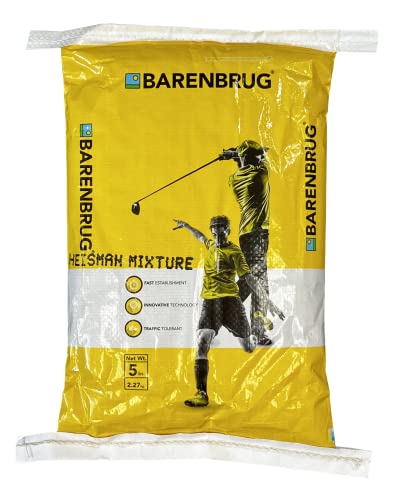
Jacklin Heisman Mix (5 lb)
Inside Each Recommended Option
Renovating a tired Middle Tennessee lawn often calls for a blend that handles sun, partial shade, and the red clay common from Nashville south to Murfreesboro. The Black Beauty Ultra mix leans on tall fescues along with Kentucky bluegrass and perennial rye, so the turf thickens quickly while still holding up through July heat.
The 25-pound bag covers generous square footage, which suits homeowners re-seeding a whole yard rather than just patching bare spots. Germination runs on the faster side for a multi-species mix, and the dark-green color is a real upgrade over basic contractor-grade tall fescue.
Standout Benefits
- Multi-species formula adapts to mixed sun and shade conditions
- Dark-green color gives a finished look without extra fertilizer
- Large bag size suits full-lawn renovations on a budget
- Tall fescue base handles clay soil better than bluegrass alone
Points To Note
- Heavier bag can be awkward to spread without a broadcast spreader
- Multi-species mixes germinate unevenly if soil temperature swings are wide
Feature Snapshot
Who It Suits Best
Homeowners renovating a full lawn in the transition zone who want one bag that handles sun, partial shade, and clay soil without buying multiple products.
Look Elsewhere When
The Jonathan Green Black Beauty Tall Fescue Blend suits you better if your yard runs mostly full sun and you want a single-species fescue approach with deeper drought roots.
Yards that bake in full sun through August need fescue that reaches deep for moisture. This blend is built around turf-type tall fescues bred for that exact job, with a waxy leaf coating that helps the plant hold onto water when humidity drops. It’s a 100% tall fescue product, so the texture stays uniform and the lawn doesn’t look patchy as it matures.
The seed establishes in both sunny and partially shaded spots, which is useful for properties with mature oaks or a north-facing side yard. Planting windows are mid-August through mid-October for fall establishment and mid-March through mid-May for spring.
Benefits That Matter
- Deep-root fescue reach supports drought tolerance
- Waxy leaf coating holds moisture during hot stretches
- Single-species blend keeps leaf texture consistent across the yard
- Performs across both sun and partial shade exposures
Soft Spots
- 15-pound bag may fall short for larger properties
- Fescue stays green in winter but slows growth in peak summer heat
Right Fit For
Homeowners with sun-baked yards on clay or compacted soil who want a single-species fescue that doesn’t need frequent reseeding.
Swap It Out When
Pennington Bermudagrass suits you better if your lawn takes heavy foot traffic and you want a warm-season grass that self-repairs through the summer.
Annual ryegrass earned its place in Middle Tennessee lawn care as the go-to overseed for warm-season Bermuda lawns. When Bermuda goes dormant and brown in November, a fall rye overseed keeps the yard looking green through winter, then fades out as warm weather returns. The 10-pound bag covers a meaningful area for typical suburban lots.
Germination shows up in roughly a week under the right soil temperatures, so the turnaround from seeding to green coverage is quick. The grass needs six to eight hours of sun to really thrive, which makes it better for open lawns than deeply shaded properties.
Where It Helps
- Fast germination fills in bare spots within a week
- Works as a winter overseed for dormant Bermuda lawns
- Affordable option for large overseeding projects
Honest Caveats
- Annual life cycle means it dies off when summer heat returns
- Needs consistent moisture during the establishment window
- Not a permanent lawn solution on its own
Best Suited To
Homeowners with Bermuda or zoysia lawns who want year-round green color and don’t mind reseeding each fall.
Another Choice May Suit
Jonathan Green Black Beauty Ultra Grass Seed fits better if you want a permanent cool-season lawn instead of a temporary winter cover crop.
Centipede has a long history across the Deep South, and this coated seed from Gulf Kist makes it accessible to homeowners outside the sod market. The 1-pound bag handles patch repair and small-lawn seeding rather than full acreage, so it pairs well with a targeted overseeding plan or a starter lawn.
Centipede thrives in acidic, sandy soil and tolerates moderate shade, though it really shines in full sun. The low fertilizer requirement is a real draw for homeowners who want a decent-looking lawn without a strict feeding schedule.
Practical Advantages
- Low fertilizer needs keep ongoing maintenance simple
- Tolerates acidic southern soils common across the Southeast
- Coated seed improves handling and early germination
- Handles sun and moderate shade equally well
Small Limitations
- 1-pound bag limits coverage to small yards or patch repairs
- Slower to establish than ryegrass or Bermuda
- Centipede struggles in high-traffic areas
Whose Yard It Belongs On
Homeowners with acidic, sandy, or low-fertility soil who want a warm-season lawn that needs less feeding and mowing than Bermuda or fescue.
Reach For A Different Pick When
Pennington Bermudagrass fits better if your yard sees heavy foot traffic from kids or pets and you need a self-repairing turf.
Traditional Bermuda goes brown and dormant from roughly November through March in Middle Tennessee, which turns off some homeowners. Pennington’s blend uses improved cold-tolerant varieties that hold their green color a bit longer into fall and green up earlier in spring, narrowing that dormancy window.
The seed spreads aggressively once established, so a 5-pound bag covers meaningful ground and the lawn fills in bare patches on its own. Deep roots help the grass survive dry stretches, and the wear resistance handles backyards with active kids or dogs running across the turf.
A Strong Showing
- Self-spreading growth repairs damage without reseeding
- Cold-tolerant varieties extend the green season
- Deep root system supports dry-weather survival
- Handles heavy foot traffic better than most fescues
- Produces fewer clippings than taller turf varieties
Worth Noting
- Still goes dormant and brown through the coldest winter weeks
- Aggressive spread can invade nearby flower beds without edging
Feature Snapshot
Who Will Love This
Homeowners with full-sun yards, active families, or pets who want a tough warm-season lawn that repairs itself and tolerates dry spells.
Where A Sibling Pick Shines
Jonathan Green Black Beauty Tall Fescue Blend fits better if you want a year-round green lawn without the winter dormancy that Bermuda still shows.
Kentucky 31 tall fescue has been a workhorse grass on Middle Tennessee properties for decades, and Scotts’ version builds on that reputation with a curated blend that adds heat-tolerant varieties alongside the original. The result is a tougher, more adaptable seed mix that still carries the durability Kentucky 31 is known for.
The 7-pound bag works for both new lawn installations and overseeding thin existing turf. Heat tolerance matters here because the fescue base needs to push through July and August without going fully dormant, and the broader blend helps that happen.
Notable Gains
- Curated blend improves on straight Kentucky 31
- Heat-tolerant varieties extend summer performance
- Works for both new lawns and overseeding projects
- Lower maintenance than many premium fescue blends
Practical Considerations
- Wider leaf blade than turf-type fescues, so the texture looks coarser
- Mid-grade price point sits between basic and premium options
Feature Snapshot
Made For
Property owners seeding large new lawns who want proven Kentucky 31 performance with better heat tolerance than the original cultivar offers.
Skip It When
Jacklin Heisman Mix fits better if you want a finer-bladed, show-quality bluegrass lawn and don’t mind a higher maintenance commitment.
Water restrictions and rising utility costs push more Middle Tennessee homeowners toward drought-tolerant lawn solutions. Scotts’ mix pairs tall fescue with Kentucky bluegrass, two species that develop deep roots reaching for moisture well below the surface. The self-repairing habit of bluegrass helps the lawn bounce back from dry-season stress.
Application timing matters: the seed works best when air temperatures sit between 65°F and 85°F, so plan for spring or early fall seeding. The 99.99% weed-free purity reduces competition during the critical establishment window.
Features That Help
- Deep roots access water well below the surface
- Bluegrass component self-repairs thin areas over time
- High weed-free purity protects new seedlings
- Versatile for new lawns and overseeding
Trade Offs
- Smaller 4-pound bag may need multiple purchases for large yards
- Bluegrass component goes semi-dormant in extreme heat
- Establishment requires consistent moisture during the early weeks
Feature Snapshot
Right Fit For
Homeowners facing water restrictions or who want a low-irrigation lawn without giving up the look of a cool-season fescue-bluegrass blend.
Not Your Match When
Pennington Bermudagrass fits better if you want a true warm-season lawn that thrives in full sun and goes through normal summer growth.
O.M. Scott & Sons draws on a long lawn-care history, and this tall fescue blend reflects a straightforward, no-nonsense approach. The 8-pound bag handles overseeding medium-sized yards or patching scattered bare spots across an established lawn. Natural ingredients in the mix appeal to homeowners who want a cleaner seed option.
The blend is built for DIY homeowners who want a durable, year-round green lawn without chasing premium cultivars. It establishes reliably in the fall seeding window common across Middle Tennessee, where warm soil and cooler air give fescue its best start.
What Stands Out
- Straightforward tall fescue blend for typical lawns
- Natural ingredients appeal to cleaner-input shoppers
- Reliable establishment in fall planting windows
- Mid-size bag fits overseeding projects without excess
Less-Strong Areas
- Not specialized for drought or heavy shade
- Standard tall fescue texture without premium fineness
Who Should Grab It
DIY homeowners with a typical Middle Tennessee lawn who want a reliable, mid-range fescue without paying for specialty traits they may not need.
Consider Something Else When
Scotts Drought Tolerant Mix fits better if watering is restricted and you need a blend bred specifically for deep-root moisture access.
Open lawns with little tree cover need a seed mix built for relentless sun exposure. GreenView’s Sunny Mixture curates varieties that handle heat, drought, insects, and the brown patch disease that hits fescue hard during humid Tennessee summers. The 99.9% weed-free seed stock keeps new seedlings from fighting crabgrass and clover right out of the gate.
Germination runs 7 to 12 days under the right conditions, which gives a fairly quick turnaround for overseeding projects. The 3-pound bag fits smaller yards or targeted repair work on hot, exposed sections of a larger property.
What Works In Its Favor
- Heat and drought resistance suit open, full-sun yards
- High weed-free purity protects new seedlings
- Disease resistance targets brown patch common in humid summers
- Quick germination in 7 to 12 days
Things To Weigh
- 3-pound bag suits small yards or patch repairs
- Not formulated for shaded sections of the lawn
Feature Snapshot
Perfect Match For
Homeowners with open, full-sun lawns in the southern part of the region who battle brown patch and summer drought stress every year.
A Better Fit Elsewhere
Jonathan Green Black Beauty Ultra Grass Seed works better if your yard has mixed sun and shade and you want one blend that handles both.
Heisman Mix is a high-end blend pairing 85% Kentucky bluegrass with 15% perennial ryegrass. The rye component germinates fast to stabilize the soil and provide early color, while the bluegrass takes longer to establish but produces the dense, fine-bladed turf that defines a show-quality lawn. Over time, the bluegrass crowds out the rye and leaves a pure stand.
Certified seed status means the bag contents are verified for cultivar purity and germination rates, which matters for homeowners who want predictable results. The 5-pound bag covers roughly 2,000 square feet, making it a reasonable size for overseeding or starting a small showcase lawn.
What Helps Most
- High bluegrass percentage delivers a fine-bladed, dense turf
- Perennial ryegrass provides quick cover during establishment
- Certified seed verifies cultivar purity and germination
- Long-term self-improvement as bluegrass crowds out rye
Potential Sticking Points
- Premium price point exceeds most fescue blends
- Bluegrass needs more water and fertilizer than fescue
- Struggles in heavy shade or compacted clay
Built With In Mind
Homeowners aiming for a showcase lawn with a fine-bladed bluegrass appearance and willing to invest the maintenance that bluegrass demands.
Not Your Match When
Jonathan Green Black Beauty Tall Fescue Blend fits better if you want a lower-maintenance cool-season lawn that handles heat and clay with less fuss.
What Matters Most Before Choosing Grass Seeds For Middle Tennessee
Grass Type and Climate Fit
Middle Tennessee sits in the transition zone, where both cool-season and warm-season grasses can survive, though neither fully thrives year-round. Tall fescue is the most common pick because it stays green through winter and tolerates summer heat better than bluegrass or rye. Bermuda and centipede work for full-sun yards where homeowners accept winter dormancy, and overseeding with annual rye fills the color gap. Match the grass type to your tolerance for dormancy and your willingness to mow, water, and fertilize on a steady schedule.
Soil Conditions and Preparation
Red clay dominates the region, and it compacts easily while shedding water rather than absorbing it. Most seed failures trace back to poor soil contact rather than bad seed, so a basic soil test, a light top-dressing of compost, and core aeration before seeding dramatically improve results. Centipede prefers acidic, sandy soil, while fescue and bluegrass tolerate a wider pH range. Skipping the prep step often means reseeding the same patch the following year.
Sun, Shade, and Traffic Patterns
Walk the yard at different times of day before buying seed. A spot that looks sunny at noon may sit in deep shade by three o’clock under a mature oak, and shade-tolerant mixes handle that better than sun-baked blends. High-traffic zones near driveways, play areas, and dog runs need Bermuda or a wear-resistant fescue blend rather than a delicate bluegrass. Map the yard into sun, shade, and traffic zones, then match each pick to the conditions it handles best.
Seed Quality and Bag Size
Certified seed costs more but verifies the cultivar and germination rate, which matters for premium blends like Jacklin’s Heisman Mix. Cheaper contractor-grade seed often includes higher percentages of inert matter, weed seed, or crop seed, which competes with the grass you actually want. Calculate square footage before buying: a 25-pound bag of tall fescue covers roughly 5,000 to 7,500 square feet for new lawns, while overseeding takes less per square foot. Buying too little leaves the lawn thin; buying too much means storing leftover seed in a cool, dry place for next season.
Key Considerations Across These Picks
Common Buying Slip Ups
The most frequent mistake is choosing a grass type that doesn’t match the yard’s actual conditions, like planting sun-loving Bermuda in a shaded side yard or picking Kentucky bluegrass for heavy clay. Skipping soil prep is the next big one, since seed sitting on compacted clay rarely germinates well regardless of brand. Buying the cheapest bag on the shelf without checking germination rates, weed-free purity, or seed coat content often leads to a thin, weedy lawn that needs renovating within a year. Measure square footage carefully, because underbuying forces a second trip while the seeding window closes.
Where The Extra Money Goes
Premium blends like the Jacklin Heisman Mix cost more because certified seed carries verified cultivar purity and higher germination rates, which translates to a thicker, more uniform lawn. Coated seeds, like the Gulf Kist centipede, include a treatment layer that improves handling and early moisture retention. Drought-tolerant and disease-resistant varieties also carry a premium because breeding programs take years to develop. The upgrade pays off when the lawn stays thicker through summer stress, requires fewer reseeding cycles, and resists the brown patch and dollar spot diseases that hit untreated fescue hard during humid Tennessee summers.
Frequently Asked Questions
When Is the Best Time to Plant Grass Seed in Middle Tennessee?
Late summer through mid-fall, roughly mid-August to mid-October, is the prime window because soil stays warm while air temperatures cool, which fescue and bluegrass prefer. Spring seeding from mid-March through mid-May works as a backup, though summer heat arrives faster and stresses new seedlings.
How Much Seed Do You Need for a Typical Middle Tennessee Lawn?
Coverage depends on grass type and whether you are starting fresh or overseeding. Tall fescue generally takes 6 to 8 pounds per 1,000 square feet for new lawns and about half that for overseeding. Bermuda and centipede use lower rates, so always check the bag’s coverage chart before purchasing.
Can You Mix Cool-Season and Warm-Season Grass Seed?
Mixing the two is uncommon because they peak in different seasons, but overseeding Bermuda with annual rye each fall is a standard practice that keeps the lawn green through winter. The rye dies back as Bermuda greens up in spring, so the two never compete for long.
Do You Need to Water New Grass Seed Every Day?
Daily light watering keeps the top inch of soil moist during germination, usually for 7 to 21 days depending on the species. Once seedlings reach mowing height, shift to deeper, less frequent watering to encourage root growth and drought tolerance going forward.
How Long Does It Take for New Grass to Fill In?
Annual ryegrass germinates in as little as a week, while tall fescue and bluegrass take 7 to 14 days. Full lawn coverage and thickening typically require a full growing season, so patience matters more than immediate results.
Bottom Line
The best grass seed for Middle Tennessee depends on your yard’s sun exposure, soil type, and tolerance for winter dormancy. Tall fescue blends work for most homeowners, Bermuda handles high-traffic sunny lawns, and centipede suits low-maintenance sandy soils. Match the seed to your specific conditions, prep the soil properly, and seed during the fall window for the best results.
