

A yellow ring on the lawn where your dog likes to go. A worn path between the back door and the fence. Bare patches under the oak that won’t fill in. These are the everyday headaches Ohio homeowners deal with, and they shape the way you shop for seed.
This roundup focuses on cool-season blends suited to Ohio’s climate, plus a couple of southern-style options for transitional zones. The goal is grass that recovers from paws, copes with clay soil, and stands up to freeze-thaw cycles. Along the way, you’ll find mixes designed specifically to neutralize dog urine spots, so you can stop reseeding the same patch every spring.
How The Shortlist Stacks Up

Jonathan Green Black Beauty Heavy Traffic Grass Seed – 3 lb

Jonathan Green Black Beauty Heat & Drought Resistant Grass Seed – 3 lb

Jonathan Green Black Beauty Ultra Grass Seed – 25 lb

Jonathan Green Black Beauty Tall Fescue Grass Seed Blend – 15 lb

Scotts EZ Seed Dog Spot Repair Tall Fescue Lawns, 2 lbs.

Pennington Annual Ryegrass, Grass Seeds for Lawn, 10 Lb
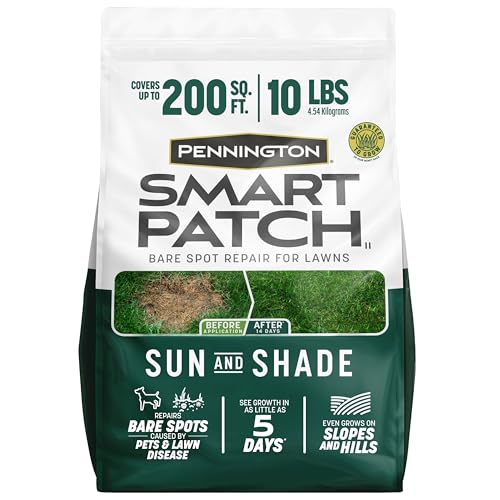
Pennington Smart Patch Grass Seeds for Lawn, Sun and Shade Lawn Grass Repair Mix, 10 LB

Pennington Bermudagrass Grass Seed, Bermuda Grass Seed, 5 lb

Scotts Kentucky 31 Grass Seed Mix, 20 lbs.
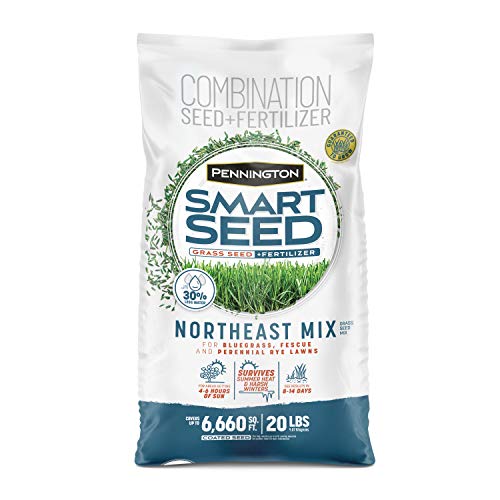
Pennington Smart Seed Northeast Mix 20lb, Grass Seeds for Lawn
A Breakdown Of The Leading Choices
If your yard doubles as a dog run, the wear pattern tells the story before the grass does. This Jonathan Green blend is built around tall fescues and perennial rye, two species known for tough, fibrous roots and a blade that bounces back after being walked into the ground. The 3-pound bag suits a small to midsize backyard or spot-repair work along a fence line.
Owners commonly report that the rye component germinates fast, giving you visible cover while the slower fescues fill in behind. For most Ohio lawns with active dogs, that combination matters: you get quick green-up without sacrificing the long-term density that resists future paw damage.
Useful Highlights
- Cool-season mix tailored to high-traffic zones where pets and kids run daily
- Perennial rye germinates quickly, so bare patches show green in days rather than weeks
- Tall fescue base develops a dense stand that resists the compacted soil dogs create
- Uniform leaf texture gives a consistent look across the yard rather than patchy growth
Trade Offs
- 3-pound bag is modest, so larger yards may need multiple bags for full coverage
- Perennial rye can clump under heavy shade, so very dim corners may stay thin
Who It Suits Best
Active households with one or more dogs running the same paths every day.
Where Another Pick Suits Better
For whole-yard renovation on a tight budget, the larger Jonathan Green Black Beauty Ultra bag in spot three gives you more seed for the money.
Ohio summers punish cool-season lawns, especially when dogs nap on the same sunny patch until it browns out. This blend leans on tall fescue and Texas bluegrass, a warm-blooded bluegrass relative that keeps its color when the thermometer climbs. The manufacturer rates the heat tolerance up to 100°F, which matters during August stretches in central and southern Ohio.
The leaves carry a waxy coating that limits evaporation, much like the skin of an apple, so the plant holds onto moisture longer between waterings. If your dog spends afternoons on the south-facing side of the yard, this is a sensible match for full-sun to lightly shaded conditions.
What Makes Sense
- Waxy leaf coating helps the plant retain moisture through dry weeks
- Texas bluegrass component stays green longer than traditional Kentucky bluegrass in heat
- Cool-season species that still perform during Ohio’s hottest stretches
Some Limits To Know
- Not the best pick for deep shade, since heat-tolerant mixes tend to want more sun
- 3-pound bag covers a limited area, so plan on multiple bags for full-lawn work
Key Product Details
Right Fit For
Dog owners with south-facing lawns that crisp up every July and August.
Look Elsewhere When
Most of your yard is shaded by mature trees, where the Scotts Kentucky 31 mix in spot nine handles dim conditions with more flexibility.
Sometimes the job calls for more than a 3-pound patch bag, especially when you’re starting a new lawn or rehabbing a yard that’s been through a rough season. The 25-pound Ultra bag is the heavy hauler in the Black Beauty lineup, with enough seed to cover a meaningful slice of a typical Ohio lot. It combines tall fescues, Kentucky bluegrass, and perennial rye for a layered approach.
Compared to the Heavy Traffic bag in spot one, this one trades some specialized durability for a darker, more uniform color and faster fill-in on bare ground. For new yards and large overseeding projects, that tradeoff usually lands in your favor.
The Good Stuff
- Three-species blend (tall fescue, bluegrass, perennial rye) for balanced performance
- Dark green color that holds through much of the growing season
- 25-pound size fits whole-lawn renovation without multiple trips
- Quick-germinating rye helps new lawns look established within weeks
Points To Note
- Heavier bag means more storage space and a one-time heavier spend at the retailer
- Bluegrass component can go semi-dormant in extreme summer heat, so watering matters
- Some owners report needing a second pass on stubborn thin spots during establishment
Made For
Homeowners establishing a new lawn or doing a full fall overseed across a larger property.
Consider Something Else When
You only need to fix a handful of dog spots, in which case the smaller Scotts EZ Seed Dog Spot Repair in spot five is a more focused fit.
Fescue earns its reputation underground, where roots can stretch up to four feet deep on this original Black Beauty blend. That depth is what pulls moisture from below the surface during dry weeks, which is exactly the kind of stress a dog adds when it picks the same corner every morning. The 15-pound bag is a useful middle weight for partial reseeds.
Unlike the heat-and-drought bag in spot two, this one focuses purely on turf-type tall fescues with no bluegrass in the mix. The result is a uniform leaf texture that doesn’t shred when you mow, plus a waxy leaf coating that holds moisture. For sunny and shady patches in the same yard, that single-species approach keeps the look consistent.
What It Does Well
- Roots reach up to four feet deep, drawing moisture from well below the surface
- 100% tall fescue blend produces a uniform leaf texture across the lawn
- Performs in both sunny and shady sections of the same yard
- Mid-August through mid-October is the prime seeding window for Ohio lawns
What To Weigh
- Single-species blend lacks the quick green-up that perennial rye provides in the Ultra bag
- Shaded areas may establish more slowly than open sun, depending on your soil
Feature Snapshot
Best Suited To
Yards with mixed sun and shade where a single, drought-tolerant species is the goal.
Not Your Match When
You need rapid germination to hold a slope or patch a high-traffic zone, where the perennial rye in the Heavy Traffic bag germinates faster.
Dog urine is salty, and salt is the reason those familiar yellow patches keep coming back. Scotts EZ Seed Dog Spot Repair is built around a salt-neutralizing soil amendment that counteracts the burn, paired with tall fescue seed and a mulch that expands to cradle each seed in moisture. The 2-pound container targets a specific problem rather than a full reseed.
The manufacturer rates coverage at up to 100 dog spots per container, which is more than most suburban yards will need in a single season. For most households with a single dog, this is a focused, less wasteful option compared to buying a 15-pound bag just to repair a few dead circles.
What Works In Its Favor
- Salt neutralizer formula addresses the actual cause of urine burn
- Expanding mulch holds moisture around each seed during establishment
- Tall fescue seed matches the most common Ohio lawn grasses
- Covers up to 100 dog spots in a single container
Honest Caveats
- Not designed for large bare areas or full-yard renovation
- Mulch needs consistent watering to deliver the moisture-holding benefit
Who Should Grab It
Households with one or two dogs that keep burning the same favorite spots every week.
Skip It When
You’re staring down a full lawn renovation, where the 25-pound Jonathan Green Ultra bag in spot three gives you the volume you actually need.
Annual rye is the speedster of the grass world, sometimes greening up in as little as three to seven days under the right conditions. Pennington’s 10-pound bag fits a quick fall overseed on a thinning northern lawn or temporary cover on bare soil while you plan a longer-term project. For dog owners with a muddy run that’s washing out, that fast cover can be a real lifesaver.
The catch is in the name: annual rye doesn’t come back. It germinates, thrives through cool weather, and dies back when summer heat arrives. Treat it as a bridge seed, not a permanent lawn, and pair it with a fescue or bluegrass blend for the long haul.
What Earns Its Place
- Germinates in roughly 3 to 7 days for rapid visual cover
- Useful as a temporary lawn while a permanent seed establishes
- Performs in full-sun areas that get 6 to 8 hours of direct light
- 10-pound bag covers meaningful bare ground without overspending
Points To Keep In Mind
- Annual lifecycle means it dies back in summer heat, so it’s not a permanent lawn solution
- Less wear-tolerant than tall fescue for high-traffic dog paths
Who Will Love This
Homeowners who need fast cover to hold soil through winter or buy time for a fall renovation.
A Better Fit Elsewhere
For a lawn that needs to last more than one season, the Pennington Smart Seed Northeast Mix in spot ten offers a permanent blend tuned to the climate.
Smart Patch sits between a seed bag and a full lawn-care product. The mix includes a starter fertilizer and a microbial package designed to help young grass fend off disease during the vulnerable establishment phase. For dog spots that keep failing to fill in, the difference often comes down to early seedling health, and that’s the gap this blend tries to close.
Coverage runs up to about 600 square feet per 10-pound bag, so it’s a mid-size repair option, bigger than the spot-specific EZ Seed in spot five, smaller than a full renovation bag. The sun-and-shade formulation handles the mixed-light conditions common in suburban Ohio yards.
Strong Points
- Microbial package helps prevent disease in young seedlings
- Starter fertilizer included, so you can skip a separate feeding step
- Sun-and-shade blend works across mixed-light lawns
- Marketed for dog spot repair, which is exactly the use case many shoppers have
Where It May Fall Short
- Bulk format isn’t ideal for one or two tiny spots, where a smaller container is easier to spread evenly
- 10-pound bag needs dry storage to keep the microbial component viable
Feature Card
Perfect Match For
Households patching multiple worn or urine-scorched sections across a yard with mixed light.
Swap It Out When
You’re only repairing a handful of small spots, in which case the Scotts EZ Seed Dog Spot Repair in spot five is more cost-effective.
Bermudagrass is a warm-season species, so it shines through the summer when cool-season fescues struggle, and it browns out through Ohio winters. The improved cold-tolerant varieties in this Pennington blend push the northern boundary of where Bermuda makes sense, which matters along the Ohio River valley. Aggressive self-spreading is the headline trait: the grass fills gaps on its own.
For most of Ohio, the trade-off still tips toward fescue or bluegrass, but if your property sits in a warmer pocket and you want a lawn that takes summer heat in stride, Bermuda is a different kind of answer. Expect a brown lawn from late fall through early spring.
Useful Touches
- Aggressively self-spreading, so it fills gaps without constant reseeding
- Deep root system supports wear resistance under active paws
- Cold-tolerant varieties extend Bermuda’s range into southern Ohio
- Low-growing blend produces fewer grass clippings during peak growth
Things To Consider
- Goes dormant and turns brown in winter, so the lawn loses color for several months
- Not a great match for most of central and northern Ohio where cool-season grasses perform better
Built With In Mind
Homeowners in southern Ohio who want a summer-strong lawn and don’t mind winter dormancy.
Another Choice May Suit
For the rest of Ohio, the Jonathan Green Black Beauty Ultra bag in spot three is a more climate-appropriate foundation.
Kentucky 31 tall fescue has been a workhorse on Ohio lawns for decades, prized for its durability and lower maintenance demands. This Scotts mix takes that classic fescue base and adds complementary varieties to deliver a thicker, greener stand than straight Kentucky 31 alone. The 20-pound bag is well sized for new-lawn or overseeding projects on a typical suburban lot.
Compared to the Jonathan Green Black Beauty Tall Fescue in spot four, this is a more traditional take on fescue without the waxy leaf coating or four-foot root claim. The honest read is that it’s a sensible, no-frills option for shoppers who want a recognized name and a forgiving species mix.
Everyday Advantages
- Kentucky 31 tall fescue base delivers reliable durability on dog paths
- Blended with additional varieties for a thicker appearance than pure Kentucky 31
- 20-pound bag handles new lawns and overseeding without multiple purchases
- Lower-maintenance species that tolerates a range of soil types
Some Limits To Know
- Kentucky 31 has a coarser blade than some modern turf-type fescues
- May need more frequent overseeding on heavily compacted dog runs
Feature Card
The Right Fit
Homeowners who want a recognizable, dependable fescue blend for a full-lawn project.
Reach For A Different Pick When
You want the deepest roots and waxy leaf coating, where the Jonathan Green Black Beauty Tall Fescue in spot four offers more advanced traits.
Regional seed mixes earn their keep by combining species that match the local climate rather than leaning on a single grass. Pennington’s Northeast Mix blends perennial ryegrass, Kentucky bluegrass, and tall fescue, with just enough fertilizer in the bag to give seedlings a head start. The 20-pound size covers meaningful ground on a typical Ohio lot.
For dog owners, the layered species approach means something is always performing: rye for quick cover, bluegrass for self-repair through rhizomes (underground stems that send up new shoots), and fescue for the deep roots and drought tolerance. The label calls for 4 to 6 hours of sun, which fits most open suburban yards.
The Helpful Details
- Three-species blend tailored to Northeast climate conditions
- Built-in fertilizer simplifies the establishment step
- Tall fescue component provides drought and wear tolerance
- Kentucky bluegrass spreads via rhizomes to self-repair thin spots
Practical Considerations
- Needs at least 4 to 6 hours of sun, so deeply shaded yards under dense tree cover aren’t ideal
- Fertilizer in the bag means a shorter shelf life if you don’t use it all in one season
Quick Facts
Whose Shelf It Belongs On
Ohio homeowners who want one bag that covers most of what a cool-season lawn needs.
Where A Sibling Pick Shines
For yards with heavy dog traffic, the Jonathan Green Heavy Traffic bag in spot one is engineered more specifically for paw wear.
Choosing The Right Grass Seed For Ohio Lawns With Dogs
A few variables matter more than the brand name on the bag. The first is whether the mix is built for cool-season or warm-season conditions, since Ohio sits firmly in cool-season country with the exception of a few southern pockets. Tall fescue and Kentucky bluegrass lead the pack, with perennial rye often added for faster germination.
The second variable is wear tolerance. Dogs compress soil and tear blades, so blends with dense, fibrous root systems recover faster than shallow-rooted species. Look for tall fescue percentages and check whether the manufacturer rates the mix for high-traffic or pet use.
Why Tall Fescue Often Wins
Tall fescue handles the freeze-thaw cycle, recovers from summer stress, and develops the deep roots that pull moisture from below the surface. The waxy leaf coating on varieties like the Jonathan Green Black Beauty line slows evaporation, which matters during August dry spells when dogs are using the same paths daily.
The Case For Mixes Over Single Species
Single-species blends look uniform, but multi-species mixes hedge against weather and wear. A blend of rye, bluegrass, and fescue gives you quick cover from the rye, self-repair from the bluegrass rhizomes (underground stems that send up new shoots), and drought tolerance from the fescue. For mixed-light yards, this layering reduces the risk of one species failing in a tough corner.
Matching Seed To Sun And Soil
Most Ohio lawns get a mix of sun and shade, and the seed bag should reflect that. Sun-and-shade formulations like the Pennington Smart Patch and Pennington Smart Seed Northeast Mix handle both conditions without forcing you to buy two products. Clay-heavy soils, common in much of Ohio, benefit from blends that establish deep roots quickly.
When A Dog-Specific Spot Product Pays Off
Urine damage is a chemistry problem, not just a wear problem. Salt-neutralizing products like Scotts EZ Seed Dog Spot Repair address the actual cause of the burn, while a standard fescue seed on top of untreated soil will struggle to take hold. For households with one or two repeat offenders, a dedicated spot product is more cost-effective than reseeding the same patch every season.
Key Considerations Across These Picks
Pitfalls Shoppers Hit
A common slip is buying warm-season Bermuda for a central Ohio yard and watching it brown out by November. Another is grabbing a shade mix for a full-sun yard and ending up with thin, leggy growth. Reading the back-of-bag light requirements and matching them to your yard saves a season of frustration.
Where The Extra Money Goes
Larger bags cost more up front but spread that cost over more square footage, so a 25-pound bag is often a better per-pound value than a 3-pound bag. Bags that include starter fertilizer or microbial packages cost a bit more because they skip a separate feeding step. For dog-spot repair specifically, the salt-neutralizing additives in products like the EZ Seed bag are an honest upgrade that standard seed can’t match.
Frequently Asked Questions
What Grass Seed Is Best For Ohio Lawns With Dogs?
Tall fescue leads the list for Ohio, with its deep roots, wear tolerance, and waxy leaf coating. A fescue-heavy blend handles paw traffic, summer stress, and the freeze-thaw cycle better than bluegrass or rye alone.
When Should You Plant Grass Seed In Ohio?
The prime window is mid-August through mid-October, when soil stays warm but nights cool off. A secondary window runs mid-March through mid-May, though fall seeding generally produces stronger root development before winter.
How Do You Fix Dog Urine Spots On Grass?
Rake out the dead grass, water the area to dilute salts, and apply a dog-spot repair product with a salt neutralizer. Keep the area moist until new grass establishes, and consider training your dog to use a designated gravel or mulch zone for long-term relief.
Is Bermuda Grass A Good Choice For Ohio?
Bermuda is a warm-season grass that browns out in winter, so it only suits the southernmost parts of Ohio. For most of the state, cool-season fescue and bluegrass blends perform more reliably through the year.
How Long Does Grass Seed Take To Grow With Dogs Around?
Perennial rye can show green in a week, while tall fescue and bluegrass take two to three weeks. Keep dogs off newly seeded areas until the grass is mowed at least twice, which usually means four to six weeks of restricted access.
The Takeaway
The right seed depends on your yard’s sun, soil, and how your dog uses the space. For whole-lawn projects, the Jonathan Green Black Beauty Ultra or Pennington Smart Seed Northeast Mix give you solid cool-season foundations. For targeted dog-spot repair, a salt-neutralizing product like Scotts EZ Seed Dog Spot Repair is the more efficient answer. Pick based on the scale of the job, and seed during the fall window whenever possible.
