

Tossing seed onto a half-shaded yard and hoping for the best rarely works. Most lawn blends are tuned for full sun, so anything under a maple or along a north-facing fence tends to thin out within a season. The grass seeds for partial shade on this list are blended to handle the dappled middle ground between bright lawn and deep shade, where a standard sun mix would throw in the towel.
A quick caveat up front: “partial shade” in the seed world usually means three to five hours of direct sun per day, not the deep, all-day shade under a thick oak canopy. If that’s what you have, look for a dense-shade formula. Otherwise, the picks below cover the most common in-between conditions you’ll find in a typical suburban yard.
A Quick View Of The Lineup

Jonathan Green Black Beauty Sun & Shade Grass Seed 3 lb

Jonathan Green Black Beauty Dense Shade Grass Seed 1 lb

Jonathan Green Black Beauty Ultra Grass Seed 25 lb

Jonathan Green Black Beauty Tall Fescue Grass Seed Blend 15 lb

GreenView Turf Type Tall Fescue Sun & Shade 3 lb
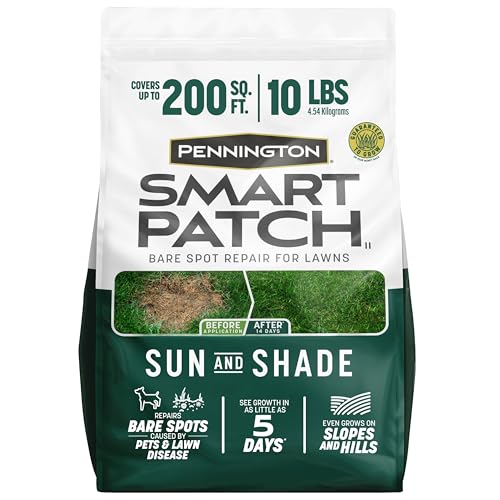
Pennington Smart Patch Sun and Shade Repair 10 lb

Scotts Kentucky 31 Grass Seed Mix 7 lb

X-Seed Ultra Premium Quick and Thick Lawn Seed Mix 3 lb

Pennington The Rebels Shady Lawn Tall Fescue 3 lb
More On The Choices That Made The List
This 3 lb bag sits in the sweet spot for a typical suburban yard where sun and shade trade places across the day. Jonathan Green designed the Sun & Shade mix as an all-purpose overseeder that fills bare patches without demanding a single lighting condition. In real terms, that means you can spread it across a front lawn that gets morning sun and afternoon shadow from a two-story house and expect a consistent stand of grass to come up.
The formula leans on cool-season turf varieties bred for both sun exposure and filtered light. Compared to a pure-shade blend like the next pick on this list, you give up a little low-light performance for much better results in the bright zones. For most homeowners with a mixed-light yard, that trade lands in the right place.
The Helpful Details
- Works across full sun to partial shade, so you don’t have to sort seed by zone.
- Strong choice for overseeding, meaning you can thicken an existing lawn without stripping it first.
- Produces a dark green color that visually masks thin spots better than lighter varieties.
- Cool-season blend suits northern and transition-zone climates where summers stay mild.
Things To Consider
- Not tuned for deep, all-day shade, so areas under dense tree canopies will still struggle.
- 3 lb covers a modest area, which means you may need multiple bags for a full-lawn reseed.
Key Specs
Right Fit For
Homeowners with a mixed-light yard who want one bag that handles both sunny front strips and shaded side passages without buying two specialty products.
Look Elsewhere When
You deal with heavy tree cover or a north-facing slope that never sees direct sun, in which case the Jonathan Green Black Beauty Dense Shade Grass Seed 1 lb will outperform this general-purpose mix.
When a lawn is parked under mature maples or sandwiched between two houses that block the afternoon sun, a general-purpose blend runs out of answers. The Black Beauty Dense Shade formula is built for exactly that environment, with grass varieties that photosynthesize efficiently on limited light. Think of it as the targeted fix where the first pick on this list starts to lose its grip.
The blend also includes endophytes, which are beneficial fungi that live inside the grass and help it resist stress from heat, drought, and surface insects. For shaded lawns that already struggle, that built-in resilience pays off over the long run. The germination window of 14 to 21 days means you won’t see overnight results, but the trade is a sturdier plant once it does come in.
Benefits That Matter
- Specifically formulated for areas with limited sunlight penetration.
- Endophyte-enhanced seed supports natural stress and pest resistance.
- Produces a dark green color that holds even in low-light conditions.
- Strong fit for lawns shaded by large trees, shrubs, or nearby structures.
Worth Noting
- Will underperform in full-sun zones, so you may need a second bag for bright areas.
- The 1 lb size is built for targeted patches rather than whole-lawn coverage.
- 14 to 21 day germination window requires patience before the lawn fills in.
Who It Suits Best
Homeowners dealing with stubborn shaded patches under big trees or alongside tall fences, where sun mixes have failed repeatedly.
Where Another Pick Suits Better
You want a single bag to cover both shaded and sunny zones in one pass, in which case the Jonathan Green Black Beauty Sun & Shade Grass Seed 3 lb is the better all-in-one option.
A 25 lb bag is the answer when you’re starting from scratch or rehabbing a lawn that’s more dirt than grass. The Black Beauty Ultra blend germinates quickly for a tall fescue-heavy mix, which means you can establish a new lawn and start seeing green shoots within a reasonable window. It also fills bare patches fast, so the same bag doubles as both a renovation tool and a repair kit.
It pairs the same dark green color Jonathan Green is known for with the species diversity that helps a lawn adapt as light shifts through the season. The trade-off, of course, is bulk: a bag this size is heavy, takes up garage space, and is overkill for someone trying to thicken up a 500-square-foot patch.
What Makes Sense
- Bulk size matches full-lawn renovations and large bare-area repairs.
- Fast germination for a tall fescue blend, useful when you’re working against a season.
- Multi-species mix adapts to shifting light as trees leaf out or shed.
Points To Note
- Storage requires a dry corner of a garage or shed since the bag is heavy and bulky.
- Buying a 25 lb bag for a small yard leaves you with leftover seed that needs proper storage to stay viable.
Made For
Homeowners taking on a full reseeding project, a new-build lawn, or a post-construction yard that needs to come back from bare soil.
Skip It When
You’re only touching up a few small patches, in which case the Jonathan Green Black Beauty Sun & Shade Grass Seed 3 lb is a more practical size to keep on hand.
The Black Beauty Original blend leans hard into one species: turf-type tall fescue. That singular focus pays off below the surface, where the roots can grow up to four feet deep and pull moisture from well below the topsoil. For a yard that bakes in July and August, that root depth is the difference between a lawn that goes brown and one that holds its color through dry stretches.
The waxy leaf coating helps the plant hold onto moisture once it does come up, which is the other half of the drought-tolerance equation. It grows in both sunny and shady areas, though it really earns its place in transition-zone climates where summers are punishing. In the warmest part of that zone, depending on your soil, you may find it needs a deep soak once a week rather than the lighter daily sprinkles that shallow-rooted grass demands.
What Helps Most
- Roots can reach up to four feet deep, giving real drought resilience.
- Waxy leaf coating preserves moisture during hot spells.
- 100% tall fescue blend delivers a uniform look and mowing behavior.
- Thickens both sunny and shady cool-season lawns without species mismatch.
Room For Improvement
- Best planting window is mid-August to mid-October, with spring as the secondary option.
- Planting outside those windows often leads to slow establishment and weak summer performance.
Key Specs
Best Suited To
Homeowners in transition-zone climates with hot summers who need a grass that can reach deep for water without daily irrigation.
A Better Fit Elsewhere
You want faster coverage in mixed sun and shade and don’t need the deep-root drought profile, in which case the GreenView Turf Type Tall Fescue Sun & Shade 3 lb germinates more quickly.
GreenView’s Sun & Shade blend earns its spot mainly on speed. The bag advertises germination in 10 to 14 days, which is faster than the two to three weeks you’ll wait on most cool-season tall fescue products. For overseeding in late summer when the season is closing, that faster start can be the difference between established roots and a winter kill.
It’s a turf-type tall fescue blend, so you get the same deep-root character as the Jonathan Green Original pick, but with the quicker establishment. The 3 lb bag is sized for spot repairs and small-yard overseeding, which is where most homeowners actually use it. Pair it with a starter fertilizer and consistent moisture for the first two weeks to hit that fast-germination window.
The Upside
- Germinates in 10 to 14 days, faster than most cool-season competitors.
- Sun and shade versatility suits mixed-light yards with shifting exposure.
- Turf-type tall fescue root structure handles dry spells once established.
- Compact 3 lb bag fits standard home spreaders without heavy lifting.
Honest Caveats
- Fast germination demands consistent watering in the first two weeks.
- Smaller bag size means multiple bags for full-lawn projects.
Quick Facts
Who Will Love This
Late-summer overseeders who need a fast-establishing blend before cool weather sets in, especially in northern and transition-zone lawns.
Another Choice May Suit
You want the absolute deepest root system for hot, dry summers, in which case the Jonathan Green Black Beauty Tall Fescue Grass Seed Blend 15 lb is the better drought play.
Smart Patch is built for the most common lawn problem: random bare spots. The 10 lb bag covers up to 600 square feet of repair, which is more than enough for dog runs, urine damage, or the bald patches that show up after a long summer. The mix is paired with a starter fertilizer and microbials that help prevent disease while the new grass establishes.
It’s tuned for lawns that get sun in some spots and moderate shade in others, so you can spread it across a yard without sorting seed by zone. The trade is that it’s a repair product, not a full-lawn seed, so using it for an entire reseed means going through a lot of bag.
The Practical Payoff
- Combined seed, starter fertilizer, and microbials in one bag.
- Designed specifically for repairing bare patches rather than full reseeding.
- Sun and shade versatility within the same repair bag.
- Microbial component helps reduce disease pressure on young grass.
Some Limits To Know
- Not the most economical option for large reseeding projects.
- Microbial and fertilizer components have a shelf life, so old bags may underperform.
Feature Snapshot
Perfect Match For
Pet owners dealing with recurring urine spots and homeowners chasing down bare patches across a sun-and-shade lawn without buying multiple seed types.
Reach For A Different Pick When
You’re renovating an entire lawn, in which case the Jonathan Green Black Beauty Ultra Grass Seed 25 lb is the better bulk option.
Kentucky 31 is one of the older tall fescue varieties still in widespread use, and Scotts has built a mix around it that adds heat tolerance and durability on top of the original. The result is a seed that holds up under foot traffic, which matters if you have kids, dogs, or a regular path from the gate to the back door. It’s a workhorse blend rather than a showpiece.
The mix is positioned for both new lawns and overseeding, so the same bag can handle a fresh start or a thickening project. Compared to the Jonathan Green blends, you trade some species diversity for a more predictable, durable stand of tall fescue. For high-use lawns, that predictability is often the better deal.
What Pays Off
- Tall fescue base delivers strong wear tolerance for family lawns.
- Heat-tolerant blend suited to southern and transition-zone climates.
- Works for both new lawns and overseeding existing turf.
- Mid-size 7 lb bag fits typical home projects without excess leftover.
Factors To Consider
- Wider leaf blade than newer turf-type tall fescues, which some homeowners find coarser looking.
- Color is typically a medium green rather than the deeper shades of newer cultivars.
Who Should Grab It
Families with kids and pets who put real wear on the lawn and need a seed that bounces back from foot traffic without constant repair.
Where A Sibling Pick Shines
You want a finer-bladed, darker-green lawn for curb appeal, in which case the Jonathan Green Black Beauty Tall Fescue Grass Seed Blend 15 lb delivers a more refined look.
X-Seed’s Ultra Premium blend pulls in three species: perennial ryegrass, fine fescue, and Kentucky bluegrass. That trio covers fast cover, shade tolerance, and self-repairing rhizomatous growth, so the lawn has tools for different problems at the same time. The result is a fast-thickening stand that fills in patchy spots before weeds can move in.
Coverage is generous: the 3 lb bag handles 2,100 square feet of overseeding or 1,050 square feet of new lawn, which beats most competitors in the same size class. It works in high-traffic areas, and the rapid germination makes it useful when you’re racing the calendar. For central and northern climates, it’s a versatile everyday choice.
Key Advantages
- Three-species blend offers fast cover, shade tolerance, and self-repair.
- Covers up to 2,100 sq ft for overseeding from a 3 lb bag.
- Rapid germination reduces the window for weed competition.
- Suitable for high-traffic lawns that need quick recovery.
Things To Weigh
- Best suited to central and northern climates, not deep southern heat.
- Rapid germination requires diligent watering during the establishment phase.
Feature Rundown
Built With In Mind
Homeowners in northern or transition zones who want a versatile, fast-filling blend for mixed sun-and-shade lawns with active use.
Swap It Out When
You live in a hot southern climate where cool-season bluegrass and ryegrass struggle, in which case the Jonathan Green Black Beauty Tall Fescue Grass Seed Blend 15 lb handles heat better.
The Rebels line has been a Pennington staple for years, and this shady-lawn version keeps the same deep-root tall fescue genetics while shifting the blend toward low-light performance. The grass it produces is darker and denser than Kentucky 31, which gives a shadier lawn a richer look without resorting to a full shade mix. It also handles heavy traffic and insect pressure, which is the other half of the “Rebels” identity.
For a north-side lawn strip or a yard bordered by tall evergreens, this is a more targeted alternative to the all-purpose Sun & Shade blends earlier on the list. The 3 lb bag is sized for spot seeding and small yards, so larger projects will need multiple bags or a step up to a bulk option.
Everyday Advantages
- Tall fescue genetics give deep roots and a darker color than older fescues.
- Built for shaded lawns that still see some foot traffic.
- Handles heat, insects, and heavy use once established.
- Compact 3 lb bag is easy to store and spread with a hand or small drop spreader.
Points To Keep In Mind
- Underperforms in deep shade where sun rarely reaches the ground.
- Smaller bag size means multiple purchases for larger overseeding projects.
The Right Fit
Homeowners with mostly shaded lawns that still need a durable, traffic-tolerant tall fescue rather than a delicate fine fescue.
Not Your Match When
Your lawn sees only an hour or two of direct sun and you keep losing seed to thin growth, in which case the Jonathan Green Black Beauty Dense Shade Grass Seed 1 lb is the more specialized fix.
What To Weigh Before Choosing Grass Seeds For Partial Shade
Light Exposure, Honestly Assessed
Before picking a bag, walk your yard at three different times of day: mid-morning, solar noon, and mid-afternoon. Note which zones get four or more hours of direct sun, which get only dappled or filtered light, and which never see direct rays. “Partial shade” in seed marketing maps to the middle group, while dense-shade formulas target the third.
If your yard has all three zones, two bags may be a smarter buy than one general-purpose mix. The Jonathan Green Sun & Shade and Dense Shade pair, for example, can be used together to match seed to location rather than forcing a compromise blend.
Species Composition Over Brand Recognition
The species in a blend tell you more about performance than the brand on the bag. Tall fescue brings deep roots and heat tolerance. Fine fescues handle shade well but tolerate less foot traffic. Perennial ryegrass germinates fast and wears well but struggles in deep shade. Kentucky bluegrass spreads to repair itself but needs more sun and water.
For partial shade, a blend dominated by tall fescue with some fine fescue mixed in tends to perform most consistently. Pure bluegrass or pure rye blends often struggle once the light drops below four hours.
Germination Time Versus Patience
Fast-germinating blends like the GreenView and X-Seed options fill in within two weeks, which helps you beat weed competition. Slower blends may take 21 days or more, which leaves a longer window for crabgrass and other weeds to move into bare soil.
If you’re seeding in spring when weeds are aggressive, faster germination earns its place. For fall seeding after summer weeds have died back, the slower blends can catch up without the same pressure.
Key Considerations Across These Picks
Common Shopping Slip Ups
The biggest mistake is buying a full-sun blend and expecting it to fill in a shaded zone. Sun mixes put energy into heat and drought tolerance rather than low-light photosynthesis, so they thin out within a season under trees or on north-facing slopes. A second common error is over-applying seed in shaded zones, which creates dense competition for limited light and actually slows establishment. Stick to the spreader rate on the bag, even when it feels too light.
Where The Extra Money Goes
Premium grass seed costs more for three real reasons: higher germination rates (more live seed per pound), better endophyte enhancement for pest resistance, and tighter quality control that removes weed seed and inert filler. A budget blend may look like a bargain, but if germination runs 20 to 30 percent lower, you end up buying more bag to cover the same area. On a small patch, the difference is negligible. On a full reseed, premium seed often costs less in the end.
Frequently Asked Questions
How much sun does “partial shade” actually mean for grass seed?
Most seed companies define partial shade as three to five hours of direct sunlight per day, with the rest of the day in filtered light or open shade. Anything below that range pushes you toward a dense-shade formula instead of a sun-and-shade blend.
When is the best time to seed a partially shaded lawn?
For cool-season grasses, late summer to mid-fall is the strongest window because the soil is warm, the air is cooler, and weed pressure drops. Spring is the secondary option, though seedlings face more competition from crabgrass and summer heat during their first year.
How long does it take for grass seed to grow in shade?
Expect germination in 7 to 21 days depending on the species and blend, with full establishment taking a full growing season. Shaded areas typically establish slower than sunny ones, so patience through the first year is the real requirement.
Can I mix different grass seeds together for partial shade?
Blending two compatible bags is a common practice, but match species profiles so the grasses grow at similar rates. Pairing a tall fescue blend with a fine fescue blend works well, while mixing a fast ryegrass with a slow bluegrass often creates an uneven-looking lawn.
How often should I water new grass seed in shaded areas?
Keep the top inch of soil consistently moist for the first two to three weeks, which usually means light watering once or twice daily. Once seedlings reach mowing height, taper to deeper, less frequent soakings to encourage root growth.
Bottom Line
The right grass seed for partial shade depends less on brand and more on matching species to your yard’s actual light, traffic, and climate profile. Tall fescue-based blends handle most mixed-light situations reliably, while dense-shade formulas step in for the toughest low-light corners. Pick the bag that fits your conditions, seed at the right time of year, and water consistently for the first few weeks. A shaded lawn can absolutely fill in thick and green when the seed is matched to where it’s actually growing.
