

Shady lawns demand a different kind of seed than sunny backyards, and choosing the wrong blend leaves you with bare patches and frustration by midsummer. Most homeowners only learn this after a full season of watching thin, leggy grass struggle beneath maples, oaks, and the north side of the house. The picks below cover the realistic spectrum, from deep-shade specialists to versatile cool-season blends that handle mixed light, so you can match seed to your actual conditions.
The Lineup, Simplified

Jonathan Green Black Beauty Shady Nooks Grass Seed – 3 lb

Jonathan Green Black Beauty Dense Shade Grass Seed – 1 lb

Jonathan Green Blue Panther Bermudagrass Grass Seed – 4 lb

Jonathan Green Black Beauty Ultra Grass Seed – 25 lb
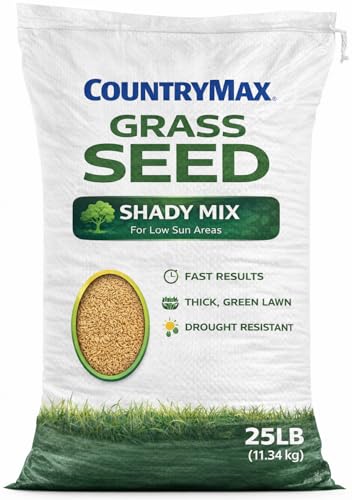
CountryMax 25 LB Shady Mix Grass Seed

Jonathan Green Black Beauty Ultra Grass Seed – 7 lb

Scotts Turf Builder Grass Seed Quality All-Purpose Mix, 20 lbs.
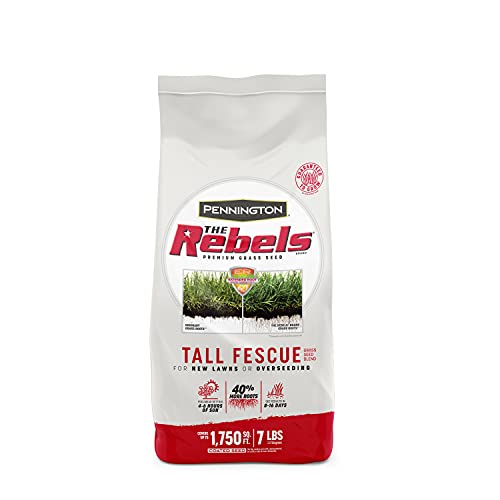
Pennington The Rebels Tall Fescue Grass Seeds for Lawn, 7 lb

GreenView Pure Grass Seed Kentucky Bluegrass Blend, 3 lb. Bag
The Details Behind The Selections
Tall fescues, perennial rye, and fine fescue come together in this cool-season blend, giving you real flexibility for the tough corners where most grass gives up. It targets deep shade specifically, growing right up to the base of trees where sunlight barely reaches. Homeowners with mature maples and oaks overhead tend to gravitate toward this one.
Compared to the Black Beauty Dense Shade blend below, this version leans into both wet and dry shade tolerance, so it handles that perpetually damp patch near the downspout without rotting out. The mix also needs less fertilizer than many competing blends, which keeps ongoing maintenance reasonable for homeowners who don’t want to babysit the lawn.
Benefits That Matter
- Shade-tolerant species handle deep tree coverage and structure shadows
- Works in both wet and dry shaded areas, reducing bare patch headaches
- Lower fertilizer requirements than many competing cool-season mixes
- Produces a dense, dark-green turf with visible improvement in color uniformity
- Cool-season profile suits northern and transition-zone climates
Honest Caveats
- Application window is narrow: mid-August to mid-October, or mid-March through mid-May
- Not suited for southern warm-season lawns
Feature Snapshot
Made For
Homeowners with mature trees casting heavy shade across the yard, particularly in northern or transition-zone climates where cool-season grass thrives.
Where Another Pick Suits Better
Southern gardeners should look at Jonathan Green Blue Panther Bermudagrass Grass Seed – 4 lb, which is formulated for warm-season southern lawns.
Shade-tolerant turfgrass varieties are the focus here, with endophytes (beneficial fungi that live inside the grass and help deter insects) built in for added resilience. The small 1-pound bag fits a tight budget, and germination runs 14 to 21 days, giving relatively quick visual feedback on your efforts. Lawns shaded by large trees, tall shrubs, or nearby houses are the target.
Where the larger 3-pound Shady Nooks bag covers broader renovations, this compact option is really meant for spot repairs and small problem areas. The endophyte-enhanced varieties tend to hold up better against surface-feeding insects, which is a quiet but real advantage in suburban settings where pest pressure varies year to year.
Key Advantages
- Endophyte-enhanced varieties offer natural insect resistance
- Quick 14 to 21 day germination window for visible progress
- Dark-green color blends well with established cool-season lawns
Points To Keep In Mind
- 1-pound bag covers limited area, so larger patches need multiple bags
- Performance hinges on consistent watering during the germination window
Right Fit For
Homeowners patching small shaded areas or repairing thin spots under established trees without overspending on a large bag.
Consider Something Else When
A full-yard renovation calls for Jonathan Green Black Beauty Ultra Grass Seed – 25 lb, which covers much more ground in a single bag.
Bermudagrass is a warm-season turf, meaning it thrives in hot southern summers and goes dormant (turns brown and stops growing) in winter, and Blue Panther is bred specifically for southern climate performance. Strong vertical and lateral rooting (roots that spread sideways to thicken the lawn) help it establish density quickly, which matters when you’re racing summer heat. The formulation reduces the need for winter overseeding compared to traditional Bermudagrass varieties.
This is the outlier on a shade-focused list, and the honest read is that warm-season Bermudagrass tolerates only light shade at best. The “shady lawns” keyword still applies loosely, since many southern lawns mix sunny and lightly shaded sections. The 4-pound bag suits medium-sized southern yards looking to establish a durable, traffic-tolerant turf in the open areas.
Where It Delivers
- Aggressive rooting establishes a dense, durable lawn
- Formulated for southern climate performance and heat tolerance
- Reduced winter overseeding requirement versus traditional Bermudagrass
- Strong traffic tolerance for active yards
Less Ideal Details
- Only tolerates light shade, not deep shade under tree canopies
- Dormant brown phase in winter may bother homeowners wanting year-round green
Perfect Match For
Southern homeowners with mostly sunny lawns that include small lightly shaded sections and who want a tough, heat-loving turf.
Look Elsewhere When
Your yard sits under heavy tree coverage, in which case Jonathan Green Black Beauty Shady Nooks Grass Seed – 3 lb is the better match.
Tall fescues, Kentucky bluegrass, and perennial rye form the backbone of this cool-season blend, designed for both establishing new lawns and filling in bare or damaged spots. The 25-pound bag handles serious square footage, making it the go-to for full-yard renovations rather than spot work. Quick germination means you see green growth within a reasonable window, depending on soil temperature and moisture.
Compared to the dedicated shade-specific blends above, this is more of a general-purpose cool-season mix that handles mixed light rather than deep shade. The dark-green color holds up well once established, and the species combination gives you a balanced look without the patchy thinness you sometimes get from single-species seed. For homeowners with a large yard that includes both sunny and partially shaded sections, this offers the most coverage per bag on the list.
Useful Strengths
- Three-species blend balances color, density, and wear tolerance
- Large 25-pound bag suits full-lawn renovations economically
- Works for new lawns and bare-spot repair in one product
- Dark-green turf color adds curb appeal once established
A Few Limitations
- Not specialized for deep shade; partial sun to partial shade is its comfort zone
- 25-pound bag is heavy and awkward to handle for some shoppers
Spec Overview
Who Should Grab It
Homeowners planning a full-lawn renovation or seeding a large new yard where a single bag covers the entire area economically.
Swap It Out When
Your entire yard sits in deep shade, in which case Jonathan Green Black Beauty Shady Nooks Grass Seed – 3 lb is a more targeted match.
CountryMax built this mix around perennial ryegrass, a species known for fast germination and early growth that gives you visible results quickly. The blend is designed for shaded areas under trees or along buildings, where traditional sunny-lawn seed struggles to establish. The 25-pound contractor-style bag targets larger properties and professional-scale applications.
Where Jonathan Green’s shade blends lean on fescues for long-term density, this one prioritizes speed. Perennial ryegrass germinates fast and establishes early, which helps homeowners who want to see results before the season turns. The trade-off shows up in long-term shade tolerance, where fescue-based blends tend to outperform rye in deep shade over multiple seasons.
Bright Spots
- Multiple perennial ryegrass varieties for quick germination and early growth
- Large 25-pound contractor bag for sizable lawn projects
- Shade-tolerant formula suited to tree-covered and building-shadowed areas
Practical Considerations
- Perennial ryegrass is less shade-tolerant long-term than fescue-heavy blends
- Fast growth means more frequent mowing during peak establishment
Best Suited To
Homeowners and small contractors who want quick visible results in shaded areas and are willing to maintain more actively during the establishment phase.
Another Choice May Suit
For longer-term deep-shade performance, the CountryMax 25 LB Shady Mix’s fescue-based competitor Jonathan Green Black Beauty Shady Nooks Grass Seed – 3 lb is worth a look.
Same tall fescue, Kentucky bluegrass, and perennial rye blend as the 25-pound version above, just in a more manageable 7-pound bag sized for typical suburban lots. It germinates quickly for both new lawn establishment and patching bare or thin spots. Medium-sized yards get enough coverage without the bulk and waste of an oversized bag.
Compared to the 25-pound sibling, this 7-pound option trades coverage area for convenience. Shoppers with a quarter-acre or smaller suburban yard who don’t need 25 pounds of seed find this size easier to store and use within a season. The species blend stays identical, so performance characteristics match the larger version.
Good Reasons To Consider
- Same multi-species blend as the 25-pound bag in a more convenient size
- Suits medium suburban lawns without leftover seed going stale
- Handles both new seeding and bare-spot repair
Where It Is Less Suited
- Not specialized for deep shade, so heavy tree canopies still challenge it
- Smaller bag means more trips to the store for larger properties
Technical Highlights
Whose Shelf It Belongs On
Suburban homeowners with a quarter-acre or smaller mixed-light lawn who want a manageable bag size without buying more seed than they need.
Reach For A Different Pick When
Your yard has heavy tree coverage, in which case Jonathan Green Black Beauty Shady Nooks Grass Seed – 3 lb is the better dedicated shade option.
Scotts designed this all-purpose mix to handle both sunny and lightly shaded areas, which is the reality for most suburban lawns that aren’t fully exposed or fully covered. The seed is coated to absorb more water than uncoated alternatives, a practical advantage during the critical germination window when consistent moisture matters most. A 99.9% weed-free formulation (meaning the bag contains no weed seeds) reduces the cleanup work later.
Unlike the deep-shade specialists on this list, this is genuinely an all-purpose product. The blend delivers a coarser-bladed texture and medium drought resistance, with a Northern region focus that suits cool-season climates. For homeowners with mixed light conditions who don’t want to buy separate products for different zones, the single-bag simplicity has real appeal.
The Upside
- Coated seed absorbs more water than uncoated alternatives, supporting germination
- 99.9% weed-free formulation reduces unwanted growth
- Handles both sunny and shaded areas in a single product
- Large 20-pound bag covers sizable lawns
Factors To Consider
- Northern region formulation limits usefulness in southern warm-season zones
- Coarse-bladed texture differs from finer bluegrass or fescue appearance
Who It Suits Best
Northern homeowners with mixed sun and shade conditions who want one bag to cover the entire yard without buying specialized products per zone.
A Better Fit Elsewhere
Yards with heavy, sustained shade may need the deeper tolerance of Jonathan Green Black Beauty Shady Nooks Grass Seed – 3 lb instead.
Tall fescue is the backbone here, a cool-season species valued for deep roots and reliable performance across varying light conditions. The Rebels blend is positioned for early-fall seeding, which is widely considered the ideal window for cool-season establishment. The 7-pound bag covers up to 10,000 square feet for overseeding, which makes it efficient for medium to large suburban lots.
Versus the all-purpose Scotts mix above, this leans toward partial-shade to full-sun coverage with a focus on tall fescue’s natural drought tolerance and root depth. The species’ longer roots reach moisture deeper in the soil, which helps during dry spells that punish shallower-rooted grasses. For homeowners overseeding an existing lawn that needs thickening rather than full renovation, the coverage number is genuinely useful.
What Works In Its Favor
- Tall fescue’s deep roots improve drought resilience
- Covers up to 10,000 square feet when overseeding
- Performs in partial shade to full sun
- Adapts to a wide range of soil types
Trade-Offs To Consider
- Best established in early fall; other windows give weaker results
- Not optimized for the deepest shade conditions
Quick Facts
Built With In Mind
Homeowners overseeding an existing cool-season lawn in early fall who want reliable tall fescue performance across mixed light conditions.
Skip It When
Your yard sits in deep, consistent shade, where a dedicated shade blend like Jonathan Green Black Beauty Shady Nooks Grass Seed – 3 lb outperforms general tall fescue.
Kentucky bluegrass is the classic cool-season lawn species, prized for its dark-green color and fine texture that gives yards a polished look. This GreenView blend is uncoated and 99.9% weed-free, with a curated mix of bluegrass varieties chosen for soil adaptability. The 3-pound bag covers 1,500 square feet for new lawns or 3,000 square feet for overseeding existing turf.
Kentucky bluegrass handles full sun well but only tolerates light shade, so this is a better fit for yards with bright sections and just partial tree coverage. Compared to the multi-species blends above, the single-species focus delivers a uniform look that’s hard to match with mixed seed. The fine texture and rich color make it a strong choice where appearance matters and shade is minimal.
Reasons It Performs
- Uncoated, 99.9% weed-free seed for clean establishment
- Fine-bladed dark-green texture adds visual polish
- Adapts to a wide range of common soil types
- Doubles as overseeding and new-lawn seed in one bag
Honest Caveats
- Only tolerates light shade, so heavily shaded yards will thin out
- Slower to establish than ryegrass-based blends
- Smaller 3-pound bag limits coverage on large properties
Feature Card
Perfect Match For
Homeowners in cool-season climates with mostly sunny lawns who want the classic dark-green, fine-bladed look Kentucky bluegrass is known for.
Not Your Match When
Dense tree coverage is the primary condition, in which case the deep-shade tolerance of Jonathan Green Black Beauty Shady Nooks Grass Seed – 3 lb serves you better.
What Matters Most Before Choosing Grass Seeds For Shady Lawns
Match The Seed To Your Actual Shade Level
Shade is not one condition, and treating it as one is the most common mistake. Light shade under a single tree behaves very differently from deep shade under a dense canopy of mature oaks. Tall fescues and fine fescues handle moderate to deep shade well, while Kentucky bluegrass needs more light. Honestly assess how many hours of direct sun your problem areas actually get, then match the species blend to that reality.
Consider Climate Zone Before Anything Else
Cool-season grasses (tall fescue, Kentucky bluegrass, perennial rye, fine fescue) thrive in northern and transition-zone climates with cold winters. Warm-season grasses like Bermudagrass dominate the south and go dormant in winter. A Bermudagrass blend in Vermont or a fescue blend in Houston both struggle for opposite reasons. Climate fit matters more than any single shade feature.
Pay Attention To Bag Size And Coverage
Bags range from 1 pound to 25 pounds on this list, and coverage numbers vary based on whether you’re starting fresh or overseeding. A small bag for spot repair wastes money on a large yard; a giant bag for a small yard leaves you with stale seed. Measure your area and check the bag’s stated coverage for your specific use case before committing.
Look For Endophytes And Coating Technology
Endophytes (beneficial fungi living inside the grass) offer natural insect resistance, while coated seed holds moisture better during germination. Neither is essential, but both add practical value in challenging conditions. Scotts uses coating; Jonathan Green’s Dense Shade blend includes endophytes. These quiet features can tip the balance on borderline-shaded yards.
Key Considerations Across These Picks
Where Shoppers Go Wrong
The biggest trap is buying a sunny-lawn blend and hoping it adapts. Standard grass seed blends are formulated for direct sunlight, and they’ll germinate and then thin out under shade, leaving you with bare patches and wasted seed. Measure sunlight honestly before choosing, and prioritize blends with proven shade tolerance in their species mix rather than generic all-purpose labels.
Another common misstep is ignoring application timing. Cool-season seeds have a narrow establishment window, typically early fall or early spring, and straying outside that window dramatically reduces germination success. Plan your purchase around your actual seeding window, not the other way around.
When Paying More Pays Off
Higher-tier grass seed blends justify their cost through species diversity, endophyte enhancement, and coating technology. A multi-species blend naturally hedges against disease and weather variability, while cheaper single-species bags can fail wholesale if conditions shift. If your yard has challenging conditions or you’re seeding a large area, the extra investment in a quality blend typically pays back in reduced reseeding and more uniform turf within a season or two.
