

A shady Texas lawn is a stubborn puzzle. Hot summers, alkaline soils, and the persistent canopy of live oaks and pecans work against most seed mixes, leaving thin, patchy turf that sulks through August. The right blend does more than sprout, it holds color, fights fungal stress, and survives the kind of filtered light that kills sun-loving Bermuda. This roundup focuses on grass seed options that handle the Lone Star State’s heat and shade without demanding a professional-grade irrigation setup.
The Essentials At A Glance
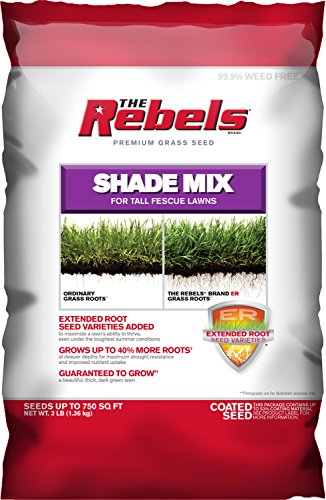
Pennington Rebel Shade Tall Fescue Mix 3 lb.

Jonathan Green Black Beauty Sun & Shade 7 lb

Jonathan Green Black Beauty Dense Shade 1 lb

Jonathan Green Black Beauty Heat & Drought 3 lb

Jonathan Green Blue Panther Southern Lawn 3 lb

Jonathan Green Black Beauty Tall Fescue 15 lb

Pennington Annual Ryegrass 10 lb
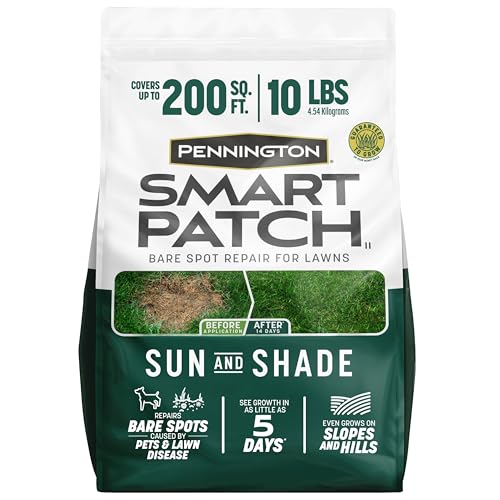
Pennington Smart Patch Sun & Shade 10 lb

Outsidepride Legacy Fine Fescue 5 lb
A Breakdown Of The Leading Choices
Shaded Texas lawns under post oaks and elms need a tall fescue base that doesn’t quit when the canopy thickens, and Pennington’s Rebel Shade mix is built for exactly that. The blend layers fescue types selected for limited-light tolerance, then adds a powder-coated shell that helps each seed drink in moisture and stay anchored through spring storms. In our view, this is a sensible starting point for a North Texas yard that gets four or five hours of broken light each day.
For most homeowners, the 3-pound bag fits a focused repair rather than a full reseed, so plan to scale up for larger areas. The expected pay-off is a darker, denser turf than older Kentucky-31 fescue plots nearby, with a deeper root system that tolerates the kind of dry stretches common in July.
Useful Strengths
- Powder-coated shell boosts moisture uptake and seedling survival
- Blends tall fescue with shade-friendly fine fescue varieties
- Produces a darker green color than standard tall fescue strains
- Extended root growth helps the lawn ride out Texas dry spells
- Compact 3-pound size suits small patch jobs
Honest Caveats
- Coverage is limited, so larger yards will need multiple bags
- Works best with consistent fall or early-spring planting windows
- May still struggle in the deepest shade where oak canopy is near-impenetrable
Right Fit For
Homeowners with partial-shade lawns in the Hill Country or North Texas who want a budget-friendly fescue that out-colors Kentucky-31.
A Better Fit Elsewhere
Yards with deep, all-day shade under mature live oaks will get stronger results from the Jonathan Green Black Beauty Dense Shade blend reviewed below.
Most Texas lawns aren’t uniformly shady. One strip bakes in afternoon sun while the back fence line hides under a hedge, which is why a flexible mix earns its keep. Jonathan Green’s Sun & Shade formula handles that variability, germinating across the full-sun patches and tolerating the same grass in moderate shade. For homeowners filling in sparse spots or overseeding an inconsistent yard, the 7-pound bag covers a meaningful slice of lawn.
Unlike the Rebel Shade pick above, this one doesn’t lean entirely on a tall fescue base, so color and blade texture stay fairly uniform across sun and shade zones. The dark-green tone reads well against stucco and stone, and the variety mix tends to establish at a steady clip in mild fall weather.
The Practical Payoff
- Performs across full sun and partial shade without switching products
- Fills bare patches quickly when overseeding an existing lawn
- Produces a dense, dark-green turf with consistent texture
- Solid mid-size bag for small to medium yards
Points To Note
- Not engineered for the deepest, driest shade pockets
- You’ll want to time seeding for cooler fall or early-spring windows in Texas
Who Will Love This
Homeowners with mixed-light yards who want a single product for both sunny borders and partial-shade tree lines.
Consider Something Else When
Yards with large areas of deep shade will do better with the Black Beauty Dense Shade mix covered next.
When your yard sits under a heavy tree canopy or gets blocked by neighboring two-story homes, generic shade blends often fail. The Black Beauty Dense Shade mix is engineered for that exact challenge, pairing shade-tolerant varieties with endophyte-enhanced seed for natural insect resistance. Compared to the broader Sun & Shade version, this one is tuned to push growth in low-light spots that other formulas ignore.
The 1-pound pack is small by design, since dense-shade repairs usually target limited areas beneath a single tree or shrub border. A 14 to 21 day germination window is realistic for cool-season establishment, so set expectations accordingly. Texas homeowners often use this product in fall when the canopy thins and soil temperatures finally drop.
Strong Points
- Specifically formulated for areas where sunlight barely penetrates
- Endophyte-enhanced seed offers natural pest resistance
- Produces dark-green, attractive turf in tough shaded conditions
- Quick 14 to 21 day germination under proper fall planting
Trade-Offs To Consider
- Tiny 1-pound bag is impractical for whole-yard renovation
- Works best in fall seeding, not mid-summer Texas heat
Made For
Anyone with small, deeply shaded patches under tree canopies or beside tall fences who needs a targeted fescue repair.
Reach For A Different Pick When
Heat-blasted South and West Texas lawns are better served by the Jonathan Green Heat & Drought Resistant blend a few picks down.
Texas summers punish grass that isn’t ready for them, and the Heat & Drought formula is purpose-built for that fight. The blend includes tall fescue alongside Texas bluegrass, a cool-season cross that’s more tolerant of high temperatures than traditional fescue strains. A waxy leaf coating (much like the skin of an apple) reduces moisture loss, which matters when July heat drags on for weeks.
Compared to the Dense Shade version above, this one trades a little pure-shade tolerance for serious heat resilience, with the manufacturer stating tolerance up to 100°F. Depending on your soil type, you’ll want to seed during the cooler shoulder months to give the cool-season grass a fighting start before the next summer cycle.
Points In Its Favor
- Tall fescue and Texas bluegrass pairing handles heat up to 100°F
- Waxy leaf coating slows moisture loss during dry stretches
- Works in full sun to lightly shaded conditions
- Reasonable 3-pound size for mid-sized patch projects
Practical Considerations
- Not designed for heavy, all-day shade under thick canopy
- Seedlings still need steady moisture during the first few weeks
Best Suited To
Texas homeowners in transitional or warm regions whose lawns see intense sun and need a cool-season grass that won’t collapse by August.
Where A Sibling Pick Shines
For thicker, all-day shade, the Outsidepride Legacy Fine Fescue mix offers a more shade-specialized alternative.
Southern lawns need grass that shrugs off triple-digit summers and still comes back after the occasional hard freeze. Blue Panther combines Bermudagrass, Texas bluegrass, and tall fescue, which gives the lawn multiple paths to a green stand. The Bermudagrass thrives in heat, while the cool-season partners carry the lawn through shoulder seasons and lightly shaded areas. This trio approach is well-suited to transitional zones where no single species dominates.
The 3-pound pack treats a focused area, so you may find yourself buying more than one bag for full coverage. For most established Texas lawns, this mix integrates well with existing warm-season turf while filling in the cooler, shadier gaps that Bermuda alone can’t cover.
Everyday Advantages
- Three-species blend handles heat, cold, and partial shade
- Texas bluegrass component is locally adapted
- Bermudagrass backbone thrives in peak summer
- Fills in mixed lawns without clashing with existing Bermuda
Possible Compromises
- Won’t perform in deep, all-day shade under dense canopy
- Slower to establish than pure Bermudagrass in peak summer
Perfect Match For
Homeowners in North Texas and the Gulf Coast transitional zone who want a single product that bridges sun and shade.
Look Elsewhere When
Yards with mostly deep shade should turn back to the Black Beauty Dense Shade blend for more reliable establishment.
Bigger yards demand bigger bags, and the 15-pound Black Beauty Tall Fescue blend brings the same deep-root genetics as its smaller siblings in a renovation-sized package. The mix produces roots that can grow up to four feet deep, which is a significant advantage during Texas drought cycles when surface water disappears. The waxy leaf coating also helps preserve moisture when heat climbs.
This is a 100% tall fescue blend, so texture stays uniform across the lawn. It thickens and strengthens both sunny and shady cool-season areas without forcing a species mix-and-match. The seed performs best when planted mid-August through mid-October, with a secondary window in mid-March through mid-May, so timing your purchase around those windows makes a real difference.
What Earns Its Place
- Roots reach up to four feet deep for drought resilience
- Waxy leaf coating preserves moisture in hot weather
- 100% tall fescue keeps blade texture uniform
- Generous 15-pound bag suits large-yard renovations
Less Ideal Details
- Not suited for warm-season Bermuda-dominant yards
- Limited to two narrow seeding windows for best results
Feature Snapshot
Whose Shelf It Belongs On
Owners of large cool-season lawns in North Texas who need a renovation-sized bag and a deep-rooted, drought-tolerant fescue.
Swap It Out When
Warm-season Bermuda yards looking for winter color are a better match for the Pennington Annual Ryegrass covered next.
Annual ryegrass isn’t a long-term lawn solution, but it’s the fastest way to keep a dormant Bermuda yard looking alive through Texas winters. Pennington’s rye blend germinates in three to seven days under good conditions, which is faster than any fescue in this roundup. That speed makes it a go-to for overseeding southern lawns that lose their warm-season color in December.
The catch is straightforward. Annual rye doesn’t survive Texas summers, so it dies back in May or June and lets the Bermuda underneath take over again. For most homeowners with established warm-season lawns, that seasonal rotation is exactly the point: winter green without disrupting the summer grass.
Everyday Wins
- Germinates in three to seven days, the fastest in this roundup
- Ideal for overseeding dormant Bermuda or Zoysia
- Quick color for winter curb appeal
- Large 10-pound bag covers meaningful overseeding areas
Small Limitations
- Not a permanent lawn solution, dies back in summer heat
- Needs six to eight hours of sun to establish well
The Right Fit
Homeowners with warm-season Bermuda lawns who want fast winter color and a clean handoff back to summer grass.
Not Your Match When
Shaded yards without strong Bermuda base grass will find a permanent fescue blend like the Outsidepride Legacy more useful.
Spot repairs work differently from full reseeds, and Pennington’s Smart Patch is built for that specific job. The mix includes a starter fertilizer plus microbials aimed at disease prevention and overall lawn health, which is helpful when you’re patching a stressed area. Coverage extends up to 600 square feet, so the 10-pound bag handles a meaningful cluster of bare spots rather than a tiny square.
Compared to the Pennington Rebel blend at the top of this list, Smart Patch leans more toward repair than new-lawn establishment. It’s well-suited to dog spots, traffic wear, and the bare patches that show up after grub damage. For most pet households, that targeted convenience is the main draw.
Good Reasons To Consider
- Built-in fertilizer saves a separate application step
- Microbials support disease resistance in young seedlings
- Performs in lawns with mixed sun and moderate shade
- Covers up to 600 square feet for broad repair jobs
Worth Bearing In Mind
- Better suited for spot work than full-lawn reseeding
- Microbial package has a shelf life, so older bags may underperform
Who Should Grab It
Pet owners and busy households dealing with isolated bare patches who want a single product that handles seed and starter feed together.
Another Choice May Suit
For full-yard renovations in shaded areas, the Jonathan Green Black Beauty Tall Fescue blend is a stronger foundation.
Fine fescue blends bring a different look and feel than standard tall fescue lawns, and the Outsidepride Legacy mix is a strong example. The blend combines 20% Hard Fescue, 40% Chewings Fescue, and 40% Creeping Red Fescue, which together produce a soft, fine-textured turf that thrives in shaded and partially sunny areas. The OptiGrowth coating adds Zinc, Phosphorus, Nitrogen, and Elko kelp to support germination and early development.
For most homeowners, this mix is a thoughtful fit for low-mow zones, shaded borders, and areas with poor or sandy soil. It also tolerates light foot traffic reasonably well. Compared to the Pennington Rebel blend at the top, this one trades some drought ruggedness for a finer, more ornamental look. You may find that it needs less mowing but appreciates a bit more attention during establishment.
Noteworthy Benefits
- OptiGrowth coating adds nutrients and kelp for stronger germination
- Three fescue types deliver fine, uniform turf texture
- Performs in full sun through dense shade
- Well-suited to poor or sandy soils where other fescues struggle
Where It May Fall Short
- Less drought-tolerant than deep-root tall fescue blends
- Fine texture can show wear under heavy, repeated foot traffic
Quick Facts
Built With In Mind
Homeowners who want a fine-bladed, low-mow fescue lawn in shaded or partially shaded Texas yards, especially where soil is poor or sandy.
Skip It When
Drought-prone yards with heavy clay soil will get tougher performance from the Black Beauty Tall Fescue blend.
Choosing The Right Texas Shade Seed Without Wasting A Bag
Texas shade isn’t a single environment. The filtered light under a pecan in Dallas, the cool shadow of a Hill Country oak, and the humid shade of a Gulf Coast live oak all demand different things from a seed mix. Before buying, map how many hours of direct sun each lawn zone actually receives, and identify whether the shade comes from deciduous trees (winter sun, summer cover) or evergreens (consistent year-round shade).
Match the seed type to your climate zone. Bermudagrass dies back in shade and loves sun, so warm-season southern lawns are better served by tall fescue or fine fescue blends under tree canopies. Cool-season fescues handle filtered light far better, and varieties like Texas bluegrass push heat tolerance further north. If your yard mixes both worlds, a multi-species blend like Blue Panther offers smoother transitions.
Pay attention to coating and additives. Powder-coated or nutrient-coated seed tends to germinate more reliably, especially in alkaline or sandy Texas soils. Microbial packages, like the one in Pennington’s Smart Patch, can support disease resistance during the vulnerable establishment phase. For most homeowners seeding in fall, those extras translate to fewer bare patches by spring.
Consider seeding window and irrigation honestly. Cool-season fescues establish best when soil temperatures drop, usually mid-August through mid-October across most of Texas. You’ll need consistent moisture for the first two to three weeks, so plan around outdoor water restrictions and summer heat before committing to a full reseed.
Key Considerations Across These Picks
Pitfalls Shoppers Hit
The most common mistake is buying a sun-loving Bermuda or Zoysia mix and expecting it to fill in under an oak canopy. Warm-season grasses thin out fast in shade, leaving the homeowner reseeding the same dead zone every year. Another frequent slip-up is ignoring coverage math: a 3-pound bag covers a small patch, not a 5,000-square-foot lawn, so under-buying leads to thin, uneven establishment. Finally, planting at the wrong time, especially in mid-summer, wipes out seedling success before it starts.
The Case For Spending Up
Premium seed blends earn their higher cost through better genetics, coatings, and variety mixes. A coated fescue seed germinates more reliably than bargain-bin alternatives, which means less seed wasted and fewer reseed passes. Multi-species blends also hedge against weather swings, with one species carrying the lawn when another struggles. For most Texas homeowners, the upgrade pays off in thicker coverage and longer intervals between renovations.
Frequently Asked Questions
When Is The Best Time To Plant Grass Seed In Texas Shade?
Mid-August through mid-October works best for most cool-season fescue blends, with a secondary window in mid-March through mid-May. Soil temperatures during these windows support germination without the seedling-killing stress of summer heat.
Can Fescue Survive Texas Summers?
Tall fescue and Texas bluegrass hold up better in Texas heat than standard fescue, especially with a waxy leaf coating and deep roots. Expect some thinning in extreme heat, but proper fall establishment and consistent irrigation give the lawn a fighting chance through July and August.
How Much Sun Do Shade-Tolerant Grasses Actually Need?
Most shade-tolerant blends still want at least three to four hours of filtered or broken light per day. Deep, all-day shade under dense evergreens is the hardest condition for any cool-season grass, so plan for realistic expectations or consider shade-loving groundcovers for those areas.
Should I Overseed My Bermuda Lawn With Rye For Winter?
Annual ryegrass is a fast, temporary solution that greens up dormant Bermuda from October through April. It’s a popular seasonal rotation in Texas, but rye isn’t a permanent lawn, so plan for it to die back as Bermuda wakes up in late spring.
How Long Until I See A Full Lawn After Seeding?
Expect germination in 7 to 21 days depending on the variety, with full establishment taking 8 to 12 weeks under good conditions. Avoid heavy foot traffic during that window and keep soil consistently moist until the new grass reaches mowing height.
Closing Remarks
The right Texas shade seed comes down to matching your specific lawn conditions, not chasing the most popular bag on the shelf. Tall fescue blends lead the pack for most partial-shade yards, while Bermuda-bluegrass mixes handle the transitional zone, and fine fescues cover the shaded borders. Seed in fall, water consistently, and give the lawn a full season before judging the results.
