

A Upstate New York lawn deals with a lot in twelve months: lake-effect snow, late frosts, humid Augusts, and those surprise early freezes that catch everyone off guard. Picking a cool-season blend that suits your microclimate, sun exposure, and foot traffic matters more than brand loyalty. The right seed turns a patchy yard into something neighbors actually ask about, while the wrong one dies in February or thins out by July. This roundup walks through ten solid options for the region, with honest notes on trade-offs, so the bag you bring home matches the lawn you’re trying to grow.
An Overview Of The Picks

Jonathan Green Black Beauty Heavy Traffic Grass Seed (3 lb)

Jonathan Green Fast Grow Grass Seed (7 lb)

Jonathan Green Black Beauty Dense Shade Grass Seed (1 lb)

Jonathan Green Black Beauty Heat & Drought Resistant Grass Seed (3 lb)

Jonathan Green Black Beauty Ultra Grass Seed (25 lb)

Jonathan Green Black Beauty Tall Fescue Blend (15 lb)

Pennington Annual Ryegrass (10 lb)

Scotts Turf Builder Sunny Mix (2.4 lb)
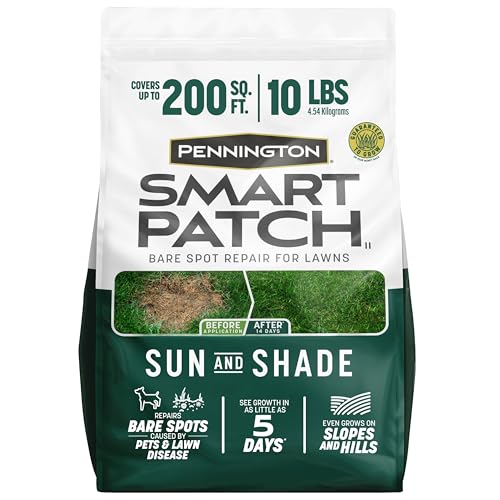
Pennington Smart Patch Sun & Shade (10 lb)

Scotts Kentucky 31 Grass Seed Mix (20 lb)
A Breakdown Of The Leading Choices
Backyards with active kids, dogs, and weekend sports games wear out thinner blends fast. Jonathan Green’s heavy traffic mix leans on tall fescues and perennial rye, the two cool-season species that bounce back from foot traffic better than Kentucky bluegrass alone. In Upstate New York, where the freeze-thaw cycle punishes weak roots, the rye component helps fill in divots before winter sets in.
For most households in the suburbs around Albany, Syracuse, and Rochester, this blend offers a sensible middle ground. The texture stays reasonably uniform, so a mowed lawn still looks like a lawn rather than a patchwork of different species. The honest read is that any seed labeled “heavy traffic” still needs recovery time, so plan for light watering the first two weeks.
What Stands Out
- Tall fescue and perennial rye combine for stronger wear recovery than fescue alone
- Uniform leaf texture keeps the lawn looking consistent after mowing
- Works for both full sun and the dappled light near tree lines
- Establishes fast enough to handle early fall seeding windows in Zone 5
Things To Consider
- 3 lb covers a modest footprint, so larger yards need multiple bags
- Perennial rye can clump if overseeded too heavily in spring
- Owners commonly report the mix needs consistent watering for the first 10 days
Who It Suits Best
Families with dogs and kids who want a resilient lawn without switching to a separate play area.
Skip It When
You need to seed a full half acre on a tight budget; Jonathan Green Black Beauty Tall Fescue Grass Seed Blend in the 15 lb bag covers more ground per dollar.
Sometimes a yard needs green now, not next season. The Fast Grow blend combines annual ryegrasses with tall and fine fescues, which lets it germinate in 7 to 10 days, a noticeable speed advantage over pure fescue mixes. Upstate New Yorkers seeding in late September, when the first frost looms, often reach for this exact type of quick-start blend.
The catch is in the name: annual ryegrass doesn’t survive harsh winters the way perennial fescues do. For most homeowners, this bag is a stopgap, not a permanent lawn. Think of it as a bandage for bare patches and eroded curb strips, then plan to overseed with a Black Beauty perennial mix the following fall for lasting coverage.
What It Does Well
- Germinates in roughly a week, faster than most cool-season blends
- Handles full sun through medium shade without complaint
- Best applied mid-August through mid-October, the ideal Upstate window
- Produces a deep green color while it lasts
Worth Noting
- Annual ryegrass thins out after one season in Zone 5
- Not a long-term solution for full-yard coverage
Key Specs
Right Fit For
Homeowners patching bare spots fast or seeding curb strips before winter, who plan to overseed with a perennial mix next season.
Reach For A Different Pick When
You want a lawn that survives multiple Upstate winters without re-seeding; Jonathan Green Black Beauty Ultra Grass Seed in the 25 lb bag handles full-yard establishment with longer-lasting species.
Maples, oaks, and old elms dominate Upstate New York lots, and most standard seed mixes thin out badly under that canopy. The Black Beauty Dense Shade formula uses shade-tolerant cultivars with beneficial endophytes, which are naturally occurring fungi that live inside grass and help the plant handle stress, drought, and surface insects. Germination runs 14 to 21 days, slower than sun-loving blends, but the resulting turf holds color where other grass goes bald.
The 1 lb bag is genuinely small, so expect to grab several for anything beyond a narrow side yard. For most shaded lawns, the best approach is to pair this with a sun mix in the brighter zones rather than relying on shade seed everywhere.
Real Benefits
- Endophyte-enhanced cultivars resist common surface insects naturally
- Stays dark green under mature trees where other blends fade
- Handles the dappled shade cast by Upstate hardwoods
Points To Note
- Small bag size means higher cost per square foot
- Slower germination than rye-based blends
Best Suited To
Homeowners with established tree canopy who need seed that actually survives the shaded zones.
Where Another Pick Suits Better
You want a single bag for both sun and shade coverage; Pennington Smart Patch Sun & Shade handles mixed-light lawns with one formula.
Climate patterns in Upstate New York keep shifting toward hotter Julys and longer dry stretches, especially along the southern tier. This blend pairs tall fescue with Texas bluegrass, a heat-tolerant variety that holds color when traditional fescue goes dormant. The waxy leaf coating acts like the skin of an apple, sealing in moisture and slowing evaporation through the hottest weeks.
Compared to the standard Black Beauty Heavy Traffic mix, this one trades some wear tolerance for higher heat endurance. For most south-facing front lawns and curb strips, that tradeoff is worth it. The honest read is that “drought resistant” still means supplemental watering during establishment, so plan to water deeply the first three weeks.
Everyday Advantages
- Texas bluegrass component handles heat up to 100°F
- Waxy leaf coating limits moisture loss during dry spells
- Performs in full sun through light shade
Room For Improvement
- Establishment still requires consistent watering
- Texas bluegrass can look slightly different in color from northern fescues
Feature Snapshot
Made For
Homeowners on sun-baked lots or with sandy soil that drains too fast, who need seed that holds color through August.
Look Elsewhere When
You want classic fescue aesthetics in a shady yard; the Jonathan Green Black Beauty Dense Shade mix is a better shade specialist.
Establishing a brand-new lawn, or rehabbing a yard that got away from you, takes more seed than most people estimate. The 25 lb Ultra bag covers generous square footage and includes tall fescues, Kentucky bluegrass, and perennial rye in proportions tuned for new establishment. Upstate homeowners renovating after a construction project or clearing a weedy patch benefit from the size and species diversity.
The Ultra formula also fills in bare spots on existing lawns, making it a flexible buy for partial renovations. In our view, the bigger investment pays off when the alternative is buying four or five smaller bags at higher per-pound cost. Storage is the trade-off: a 25 lb bag needs a dry corner in the garage.
Useful Highlights
- Multi-species blend supports both new seeding and overseeding
- Large bag size lowers cost per pound
- Germinates fast enough to establish before hard frost in fall plantings
- Dark green color holds through the growing season
Honest Caveats
- Heavy bag requires a dry storage spot
- Overkill for small patch repairs
Whose Shelf It Belongs On
Homeowners establishing a new lawn from scratch, or anyone planning a full-yard overseed rather than spot repairs.
Consider Something Else When
You only need to repair a few pet spots; Pennington Smart Patch Sun & Shade is built for small repair jobs.
Upstate clay soils hold water in spring and bake hard by midsummer, and that’s exactly where deep-rooted fescue shines. The Black Beauty Original blend produces roots that grow up to four feet deep, reaching moisture shallow-rooted grass can’t touch. The waxy leaf coating adds another layer of drought defense, and the 100% tall fescue composition gives a uniform appearance after mowing.
Compared to multi-species blends, this one skips rye and bluegrass, which means slightly slower fill-in but stronger long-term resilience. For most homeowners with heavy clay or compacted soil, the trade is worth it. Best seeding window is mid-August to mid-October, while soil is warm but air temperatures have cooled.
The Practical Payoff
- Roots reach up to four feet for genuine drought resilience
- Waxy leaf coating locks in moisture during dry weeks
- Uniform leaf texture produces a tidy, mowed appearance
- Thrives across both sunny and shaded lawn areas
A Few Limitations
- Pure fescue fills in slower than rye-based mixes
- 15 lb bag still falls short of full-acre coverage
Feature Card
Perfect Match For
Homeowners with clay-heavy soil or compacted yards who want deep-rooted grass that survives dry Augusts.
A Better Fit Elsewhere
You need fast germination above all else; Jonathan Green Fast Grow Grass Seed germinates in roughly a week.
Annual ryegrass plays a different role than perennial blends: it’s a seasonal workhorse. Upstate homeowners overseeding thin northern lawns in early fall get quick green color while their permanent grass recovers. The seed establishes in 3 to 7 days, the fastest in this roundup, and it needs full sun (six to eight hours daily) to thrive.
Annual rye dies off after a hard winter, so it’s not a permanent lawn solution. For most people, it functions as a winter cover or a temporary fill before renovating with a fescue blend the following season. The honest read is that buying this without a follow-up plan means re-seeding the same patches next year.
Positive Points
- Fastest germination in this roundup at 3 to 7 days
- Provides quick green color for late-season overseeding
- Affordable way to cover large thin areas temporarily
Trade Offs
- Annual cycle means it dies back after the first hard winter
- Needs six to eight hours of full sun, so shaded lawns struggle
Spec Overview
Who Should Grab It
Homeowners overseeding thin northern lawns in early fall who plan a full renovation the following year.
Swap It Out When
You want a permanent lawn in one pass; Jonathan Green Black Beauty Ultra Grass Seed in the 25 lb bag delivers multi-season coverage.
First-time seeders often want one bag with clear instructions and a forgiving establishment curve. Scotts redesigned this Sunny Mix to include Root-Building Nutrition, a fertilizer component that supports deeper seedling roots during the vulnerable early weeks. The mix is engineered for full sun and light shade, and the medium-to-high drought resistance helps during establishment.
For most suburban Upstate lots with mostly sunny exposure, this mix threads the needle between ease of use and reliable results. The 2.4 lb size is a starting point, so measure your square footage before buying. Compared to the Jonathan Green Ultra 25 lb bag, this one trades volume for built-in starter nutrition.
Everyday Wins
- Root-Building Nutrition supports stronger early root development
- Designed for direct sun and light shade conditions
- Medium to high drought resistance during establishment
- Approachable bag size for first-time overseeders
Softer Spots
- 2.4 lb covers limited ground; measure first
- Not optimized for heavy shade under dense trees
The Right Fit
Beginner-friendly homeowners seeding a sunny suburban lawn who want built-in starter fertilizer.
Not Your Match When
Your yard sits under heavy tree cover; Jonathan Green Black Beauty Dense Shade handles low-light yards more reliably.
Pet urine spots, snow plow damage, and salt-killed patches along the driveway don’t need a full reseed. Smart Patch combines grass seed with a starter fertilizer and beneficial microbials that help prevent disease during the recovery window. The 10 lb bag covers up to 600 square feet, which is plenty for a season’s worth of spot repairs across most Upstate lots.
The microbial blend is the differentiator here, and it’s a real-world benefit during the damp, disease-prone weeks of early fall. Compared to plain seed plus separate fertilizer, this saves a step. For most dog owners dealing with recurring yellow spots, the convenience of an all-in-one repair mix is the main draw.
A Strong Showing
- Built-in microbials support disease resistance during recovery
- Covers up to 600 square feet per bag
- Effective for both sunny and moderately shaded areas
- Commonly used as a dog spot repair mix for cool-season lawns
Points To Keep In Mind
- Repair mix only; not designed for full-yard renovation
- Owners commonly report watering twice daily for the first week to maximize germination
Built With In Mind
Dog owners and anyone with recurring lawn damage who needs a repair mix with starter fertilizer included.
Another Choice May Suit
You want a full-yard overseed with a single species focus; Jonathan Green Black Beauty Tall Fescue Grass Seed Blend delivers uniform coverage.
Kentucky 31 tall fescue has a long track record in northern climates, prized for durability and lower maintenance demands. Scotts blends K31 with complementary seeds in this mix, aiming for a thicker, greener lawn than straight K31 alone. The 20 lb bag suits larger Upstate properties where cost per square foot matters as much as species purity.
Compared to the Jonathan Green Black Beauty Tall Fescue blend, this is a more budget-oriented approach with traditional genetics. For most homeowners seeding acreage on a tight budget, the K31 mix delivers reasonable results at a lower entry point. The trade-off is texture: K31 blades are slightly wider than modern turf-type fescues.
Benefits That Matter
- Curated blend offers improved performance over straight K31
- 20 lb bag supports larger lawn coverage
- Durable fescue genetics handle Upstate winters reliably
Where It May Fall Short
- K31 blade texture is coarser than modern turf-type fescues
- Color and uniformity trail newer cultivar blends
Who Will Love This
Homeowners with larger Upstate properties who want durable tall fescue coverage at a practical price point.
Where A Sibling Pick Shines
You want a more refined appearance and deeper root system; Jonathan Green Black Beauty Tall Fescue Grass Seed Blend produces roots up to four feet deep.
Choosing The Right Cool-Season Blend For Your Yard
Match The Seed To Your Sunlight
Before grabbing a bag, spend a day watching how sunlight moves across your yard. Areas with six or more hours of direct light support sun-leaning blends like the Scotts Turf Builder Sunny Mix or the Jonathan Green Heat and Drought Resistant option. Spots under mature maples or alongside the house need shade-tolerant genetics, and the Jonathan Green Dense Shade mix is engineered for that. Mixing both is normal, since most Upstate yards have zones that fall into each category.
Read The Species List, Not Just The Bag
Cool-season blends typically combine tall fescue, Kentucky bluegrass, perennial rye, and fine fescue in varying ratios. Tall fescue brings deep roots and drought tolerance, which matters in Upstate’s increasingly dry late summers. Kentucky bluegrass spreads to fill bare spots but takes longer to germinate. Perennial rye establishes quickly for fast cover. Knowing the ratio in your bag helps you predict how the lawn will look and behave two years in.
Time The Seeding Window Right
Mid-August through mid-October is the sweet spot for Upstate New York. Soil stays warm enough for germination, air temperatures cool down, and fall rains help seedlings establish before winter. Spring seeding works but faces more weed competition and summer stress before the lawn is mature. For most homeowners, fall seeding produces a thicker, more resilient lawn by the following spring.
Plan For Establishment, Not Just Seeding
New seed needs consistent moisture for the first two to three weeks. Light watering twice daily beats one deep soak, because the goal is keeping the top inch of soil damp. Skipping this step is the most common reason seed fails, so build it into your schedule before you open the bag. Endophyte-enhanced varieties, like the Jonathan Green Dense Shade mix, help with long-term stress but don’t replace good early watering.
Key Considerations Across These Picks
Pitfalls Shoppers Hit
The most common mistake is buying a sun mix for a shaded yard and wondering why germination stalls. Another is underestimating coverage, so half the lawn goes unseeded and the result looks patchy. Some shoppers skip soil preparation entirely, which is a missed opportunity since a quick rake and light top-dressing dramatically improves seed-to-soil contact. Measuring square footage before buying saves a return trip.
What The Higher Tier Buys
Premium blends like the Jonathan Green Black Beauty Ultra Grass Seed carry modern cultivar genetics bred for deeper roots, darker color, and stronger disease resistance. The difference shows up two to three years in, when cheaper blends start thinning while premium turf holds density. For most homeowners with small-to-medium yards, the upgrade pays off in reduced reseeding cycles and better summer performance. Larger acreage shoppers may prefer the cost-per-pound math of K31 mixes, accepting a coarser texture as the trade.
