

A lawn in Western Pennsylvania lives a tough life. The summers run hot and humid, the winters bring freeze-thaw swings, and the rain never quite arrives on schedule. Picking grass seed built for this climate makes the difference between a yard that fills in thick and one that thins out by August. The list below focuses on cool-season blends with strong roots, decent heat tolerance, and the disease resistance that local clay-loam soils tend to demand. Whether you’re starting fresh, patching dog spots, or overseeding a tired lawn, these are the seed mixes worth your attention.
A Quick View Of The Lineup

Jonathan Green Black Beauty Dense Shade Grass Seed (1 lb)

Jonathan Green Black Beauty Heat & Drought Resistant Grass Seed (3 lb)

Jonathan Green Black Beauty Keystone PA Grass Seed (7 lb)

Jonathan Green Black Beauty Ultra Grass Seed (25 lb)

Jonathan Green Black Beauty Tall Fescue Grass Seed Blend (15 lb)

Scotts Turf Builder Grass Seed Quality All-Purpose Mix (20 lbs)
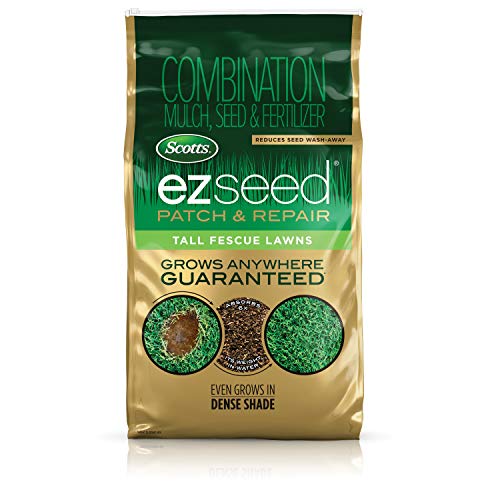
Scotts EZ Seed Patch & Repair Tall Fescue Lawns (10 lbs)

Pennington Annual Ryegrass Grass Seed (10 lb)

Scotts Turf Builder Grass Seed Sunny Mix (2.4 lbs)

Pennington Bermudagrass Grass Seed (5 lb)
More Details On Our Top Picks
Older neighborhoods around Pittsburgh and Johnstown tend to have mature maples, oaks, and hemlocks that swallow most of the sun. Standard sun-loving blends thin out fast under that canopy, leaving bare patches by midsummer. Jonathan Green’s shade mix leans into the conditions where most grasses struggle, putting down roots in filtered light and staying dense where the sun barely reaches the soil.
The seed includes naturally occurring endophytes, which are beneficial fungi that live inside the grass and help deter surface-feeding insects. For most homeowners with tree-heavy lots, that’s the difference between reseeding every fall and enjoying a steady, dark-green carpet that holds up year after year.
The Helpful Details
- Shade-tolerant blend that thrives under limited sunlight from large trees or nearby structures
- Endophyte-enhanced varieties help the lawn resist common surface insects naturally
- Produces a dark-green color that gives shaded lawns a richer look than sparse, yellowing turf
- One-pound bag covers small repair areas, making it a low-commitment starter option
Soft Spots
- Smaller bag size means more trips to the bag aisle for full-yard coverage
- Germination runs 14 to 21 days, so patience is required before the lawn fills in
- Not the right pick for full-sun stretches where heat-tolerant blends perform better
Key Advantages
Right Fit For
Homeowners with mature tree coverage or shaded side yards where standard sun blends struggle to fill in.
Reach For A Different Pick When
Most of your lawn sees direct sun for six or more hours, in which case the Jonathan Green Heat & Drought Resistant Grass Seed (3 lb) handles heat far better.
Western PA summers can push 90 degrees for stretches, and a lawn that goes crisp by mid-July is a familiar sight. This heat-tolerant blend pairs tall fescue with Texas bluegrass, two species that hold color when ordinary Kentucky bluegrass fades out. The result is a turf that keeps growing through hot spells that would shut down a typical cool-season lawn.
The leaves carry a waxy coating, similar to the skin of an apple, that limits how much moisture the plant loses between waterings. For properties with full-sun exposure or sandy patches that dry out fast, that waxy layer is what keeps the lawn green instead of straw-colored when August humidity disappears.
Useful Strengths
- Handles temperatures up to around 100 degrees without going dormant
- Waxy leaf coating slows moisture loss during dry stretches
- Performs well in full sun and lightly shaded conditions
- Three-pound bag covers a meaningful mid-size repair area
Honest Caveats
- Texas bluegrass can read a touch coarser than pure Kentucky bluegrass
- Heavy shade under evergreen trees is still a poor match
Made For
Yards with strong sun exposure, south-facing slopes, or sandy soil that drains quickly during summer dry spells.
Skip It When
Your lawn is mostly shaded by hardwoods, where the Jonathan Green Black Beauty Dense Shade Grass Seed (1 lb) is the better fit.
Regional blends earn their keep when the manufacturer tunes the species mix to the actual climate. The Keystone PA formula is built around tall fescues, perennial ryegrass, and Kentucky bluegrass, which is the same trio that handles Pittsburgh’s freeze-thaw cycles, summer humidity, and the clay-heavy soils common across the region. Sowing mid-August through mid-October catches the warm soil and cool nights that germination loves.
The mix also holds moisture well between rains, which matters in the hill towns where July storms can skip a yard entirely. For most Western PA homeowners, this is the most “set it and forget it” option on the list, because the formula is already calibrated for the conditions you actually face.
The Value In It
- Three-species blend tuned specifically for Pennsylvania’s climate and soils
- Produces a dense, dark-green lawn without complicated soil amendments
- Seven-pound bag covers roughly 2,800 square feet for new seeding
- Best application window aligns with fall’s natural germination conditions
Points To Note
- Fall planting window is narrow, so timing matters more than with flexible blends
- Heavier bag means leftover seed needs cool, dry storage to stay viable
Best Suited To
Homeowners in Western PA starting a new lawn or overseeding an established one who want a blend matched to the local climate out of the bag.
Look Elsewhere When
You need to repair isolated bare spots in a mostly healthy lawn, where the Scotts EZ Seed Patch & Repair Tall Fescue Lawns (10 lbs) handles small jobs more economically.
When a full yard needs to come back from scratch, smaller bags mean constant trips back to the store. The 25-pound Ultra bag handles serious coverage in a single purchase, suited to properties of a half-acre or more where thin or damaged turf needs complete overseeding. The blend combines tall fescues, Kentucky bluegrass, and perennial ryegrass, which gives the lawn both quick cover and long-term durability.
Compared to the smaller Jonathan Green options above, the Ultra formula is built for speed. Germination moves fast, the ryegrass component establishes quickly, and the fescue and bluegrass fill in behind it. For homeowners who don’t want to babysit multiple small bags, this is the practical bulk choice.
Benefits That Matter
- 25-pound bag covers large overseeding or new-lawn projects in one purchase
- Multi-species blend establishes quickly and fills bare spots without patching
- Produces the same dark-green color as the smaller Jonathan Green options
- Bulk format often works out to better value per pound than smaller bags
Some Limits To Know
- Bulk bag is heavy and awkward to handle without a wheelbarrow
- Overkill for small repair jobs under a few hundred square feet
- Requires consistent watering during the establishment window
Quick Facts
Perfect Match For
Homeowners with larger lots reseeding the whole yard, or anyone with extensive thin or damaged turf needing a full overhaul.
Not Your Match When
Your lawn only has a few bare patches, in which case the Scotts EZ Seed Patch & Repair Tall Fescue Lawns (10 lbs) is sized for the job.
Roots are the part of grass that nobody sees, but they decide how a lawn handles a dry August. This 100% tall fescue blend produces roots that reach up to four feet deep, which means the lawn keeps drinking from soil moisture long after a shallow-rooted lawn has gone brown. The waxy leaf coating from the heat-resistant line carries over here too, slowing moisture loss through the blades.
Turf-type tall fescues have come a long way from the coarse pasture grass older homeowners might remember. The leaf texture is uniform, the color holds a deep green, and the blades don’t shred when mowed with a sharp blade. For yards that see a mix of sun and shade and tend to dry out in summer, the deep-root profile is what makes this blend worth the extra investment.
What Stands Out
- Roots can reach four feet deep, pulling moisture from far below the surface
- Waxy leaf coating reduces water loss during hot, dry stretches
- Performs in both sunny and moderately shaded conditions
- Uniform leaf texture and dark-green color suit modern lawn expectations
Trade Offs
- Tall fescue clumps more than Kentucky bluegrass and can need overseeding to stay uniform
- Establishment is slower than annual ryegrass
Who It Suits Best
Homeowners with drought-prone soil, sloped lawns, or anywhere irrigation is inconsistent and deep roots matter more than rapid coverage.
Swap It Out When
You need fast cover for erosion control, where the Pennington Annual Ryegrass Grass Seed (10 lb) germinates in days rather than weeks.
Most yards don’t have a single condition. A corner near the porch is shaded, the middle runs full sun, and a strip along the driveway gets afternoon glare. Scotts’ all-purpose mix covers that mix-and-match reality, formulated for the Northern region with a coarse bladed texture that holds up under foot traffic and a coating that absorbs more water than uncoated seed at germination.
The 20-pound bag is sized for big overseeding jobs or new-lawn installations, and the formula is built to repair bare areas quickly without requiring a second product. For homeowners who don’t want to diagnose their lawn in detail, this is a sensible “good for most situations” choice.
Everyday Wins
- Coated seed absorbs more water at germination, improving establishment rates
- Works in both sun and shade, suiting typical mixed-condition yards
- Designed for the Northern region, including Pennsylvania’s climate
- Repairs bare areas quickly without needing a separate patch product
A Few Limitations
- Coarse bladed texture looks rougher than premium fescue or bluegrass blends
- Medium drought resistance means supplemental watering in extended dry spells
Right Fit For
Homeowners with a mix of sun and shade across the yard who want one product to handle overseeding and bare-spot repair.
Look Elsewhere When
Heat tolerance is the priority and your lawn faces full afternoon sun, where the Jonathan Green Black Beauty Heat & Drought Resistant Grass Seed (3 lb) is more specialized for the job.
Bare spots are stubborn, especially on slopes where water runs off before seed can drink it in. Scotts EZ Seed takes a different approach, combining tall fescue seed, continuous-release lawn food, and a water-absorbing mulch into one mix. The mulch expands when wet, holds moisture against the seed, and keeps it from washing away on a hill.
The product claims to grow anywhere with proper care, including dense shade, full sun, and high-traffic patches where regular seed struggles to take hold. For spot repairs under a swing set, along a curb, or on a sloped section, this is the kind of all-in-one fix that prevents the usual “I seeded it three times and nothing happened” frustration.
The Practical Payoff
- Three-in-one formula combines seed, fertilizer, and water-absorbing mulch
- Stays in place on slopes and resists washing out during rain
- Works in full sun, dense shade, and high-traffic areas with proper care
- 10-pound bag covers many small repair jobs without waste
Less Ideal Details
- More expensive per pound than plain seed for large-area coverage
- Mulch layer can crust over if allowed to dry out completely
Who Should Grab It
Homeowners with isolated bare spots, sloped patches, or pet damage who want one product that handles seed, feed, and moisture retention together.
Not Your Match When
You need to reseed the entire lawn, where the Jonathan Green Black Beauty Ultra Grass Seed (25 lb) is the more economical bulk option.
Sometimes the lawn needs green this week, not next month. Annual ryegrass germinates in three to seven days, which makes it the fastest visual fix on the list. The trade-off is that annual rye doesn’t come back next year, so it works as a temporary cover for thin northern lawns, erosion control on a freshly graded slope, or overseeding while a slower blend gets established underneath.
The seed prefers six to eight hours of full sun and produces a quick green color that holds through fall. For homeowners trying to hold soil on a construction project, or anyone who wants a fast cover crop before installing a permanent lawn, the speed is the whole point.
Where It Delivers
- Germinates in three to seven days, the fastest option on the list
- Provides quick green color and erosion control on bare or graded soil
- Useful as a temporary overseed while a permanent blend establishes
- Affordable per pound for large-area temporary coverage
Where It May Fall Short
- Annual rye dies off in winter and does not return next season
- Coarser texture than perennial lawn grasses
- Not a permanent lawn solution on its own
Built With In Mind
Homeowners needing fast temporary cover, erosion control on bare soil, or a nurse crop to hold the ground while permanent grasses fill in.
Where Another Pick Suits Better
You want a lawn that comes back year after year, where the Jonathan Green Black Beauty Keystone PA Grass Seed (7 lb) is built for permanence in this climate.
Open, unshaded lawns in Western PA still need seed that handles direct afternoon sun without burning out. Scotts’ Sunny Mix contains Root-Building Nutrition, a combination of ingredients formulated to push roots deeper, which is what keeps turf green through July when surface moisture disappears. The mix is designed for full sun and light shade, with medium to high drought resistance for stretches without rain.
The 2.4-pound bag is sized for patching and small overseeding jobs, so it’s a sensible pick for repair work rather than a full-yard overhaul. For a south-facing front yard that gets hit with sun from morning to evening, this mix is built for those conditions specifically.
The Case For It
- Root-Building Nutrition helps establish deep roots for stronger turf
- Medium to high drought resistance suits full-sun exposure
- Compact 2.4-pound bag fits small repair projects without waste
- Designed for direct sun and light shade, the common Western PA mix
Things To Consider
- Not suited for dense shade under tree canopies
- Small bag means multiple purchases for larger areas
Best Suited To
Homeowners with full-sun lawns or small sunny patches that need a drought-resistant repair blend without buying a bulk bag.
Consider Something Else When
Your yard has more shade than sun, in which case the Jonathan Green Black Beauty Dense Shade Grass Seed (1 lb) is the more targeted choice.
Bermuda is a warm-season grass, which means it goes dormant and turns brown through Western PA winters, so it’s a surprising fit at first glance. The improved cold-tolerant varieties in this Pennington blend push the survival zone further north, and the aggressively self-spreading growth pattern fills in wear damage faster than almost any cool-season grass. For a yard that takes a beating from kids, dogs, or weekend soccer, that wear resistance is hard to beat.
The deep root system helps the lawn survive dry summers, and the low-growing blend produces fewer clippings during peak mowing season. The honest read is that you trade green winter color for summer durability, so the right call depends on what your yard goes through between May and September.
Strengths Worth Knowing
- Aggressively self-spreading growth repairs wear damage quickly
- Improved cold-tolerant varieties extend Bermuda’s range into Western PA
- Wear-resistant turf handles foot traffic from kids and pets
- Deep root system supports drought survival during hot summers
Practical Considerations
- Goes dormant and turns brown during winter months
- Not a fit for shaded lawns, since Bermuda needs full sun
- Smaller 5-pound bag covers limited area per purchase
Whose Shelf It Belongs On
Homeowners with high-traffic, full-sun lawns who prioritize summer durability over winter color and are comfortable with warm-season dormancy.
A Better Fit Elsewhere
You want a green lawn year-round, where the Jonathan Green Black Beauty Keystone PA Grass Seed (7 lb) stays green through fall and into early winter.
What Matters When Picking Grass Seed in Western PA
Match the Species to Your Sun Conditions
Cool-season grasses fall into a few main families, and each handles Western PA’s variable sunlight differently. Tall fescue thrives in sun and partial shade, which is why it shows up across so many blends on this list. Kentucky bluegrass spreads through rhizomes (underground stems that send up new shoots) and produces a dense, classic lawn, but it suffers in deep shade. Perennial ryegrass establishes fast and tolerates wear, while annual ryegrass is a temporary cover crop. The right pick depends on whether your yard runs full sun, dappled light, or heavy shade, and a blend that mixes two or three species usually covers more ground than a single-species bag.
Time Your Seeding With the Seasons
Fall is the prime window in Western PA, generally mid-August through mid-October, when soil temperatures stay warm but the air cools off. Spring seeding from mid-March through mid-May works as a second choice, but summer heat stresses new seedlings and weeds compete aggressively. Dormant seeding in late fall, after growth stops but before the ground freezes, is a third option that lets seed sit through winter and germinate early next spring. Skip seeding right before a heat wave, since young grass doesn’t have the root depth to survive the stress.
Understand Coated vs. Uncoated Seed
Several products on this list, including the Scotts Turf Builder line, use coated seed. The coating absorbs water at germination and can improve establishment rates, especially in dry conditions or on slopes. Uncoated seed is lighter per pound, so a bag covers more square feet, but it depends more heavily on consistent watering. Coatings make sense for patch repairs and slopes where moisture retention is tough, while uncoated seed often gives more coverage per dollar for large overseeding projects.
Calculate Coverage Before You Buy
Seed bags list coverage for both new lawns and overseeding, and the numbers differ significantly. New lawns typically need twice the seed per square foot that overseeding does. A 7-pound bag of the Keystone PA blend, for instance, covers roughly 2,800 square feet for new seeding but stretches much further for overseeding an established lawn. Measure your yard, decide whether you’re patching or starting fresh, and buy accordingly so you don’t run short mid-project.
Key Considerations Across These Picks
Wrong Turns To Avoid
Buying a sunny mix for a shaded yard is the most common mistake, and it shows up as thin, yellowing turf that never fills in. The other slip-up is seeding at the wrong time of year, particularly late spring once summer heat arrives, when young grass lacks the root depth to survive. Underestimating coverage needs leaves you with half a finished lawn and a second trip to the bag aisle, while ignoring soil preparation means seed sits on top of compacted clay and washes away before it can root.
Where The Extra Money Goes
Premium blends like the Keystone PA formula or the heat-resistant Jonathan Green line cost more per pound because the species mix is tuned to specific conditions and includes coated varieties with higher germination rates. The upgrade pays off when your yard has challenging conditions, full sun, deep shade, or clay-heavy soil, where a generic mix thins out within a season. For straightforward overseeding on a healthy lawn, a mid-tier all-purpose blend handles the job without the premium.
Frequently Asked Questions
When is the best time to seed a lawn in Western PA?
Mid-August through mid-October is the prime window, when soil stays warm and nights cool down. Spring seeding from mid-March through mid-May works as a backup, but summer heat adds stress.
How long does it take grass seed to germinate?
Most cool-season blends germinate in 7 to 21 days, depending on species and soil temperature. Annual ryegrass is fastest at 3 to 7 days, while Kentucky bluegrass and tall fescue run closer to 14 to 21 days.
Do I need to water new grass seed every day?
Light watering once or twice daily keeps the top inch of soil moist until germination, then backing off to deeper, less frequent watering encourages roots to grow downward. Letting the surface dry out completely kills young seedlings.
Can I mix different grass seed blends together?
Blending compatible cool-season seeds is fine, and the multi-species products on this list already do the mixing for you. Avoid mixing cool-season and warm-season seed in the same lawn, since they have different growth calendars.
How do I know how much seed to buy?
Measure your lawn in square feet, then check the bag’s coverage rate for new seeding versus overseeding. New lawns need roughly twice the seed per square foot, so a 5,000-square-foot yard needs a different bag than the same yard being overseeded.
Wrap Up
The right grass seed for Western PA depends on what your yard actually faces, full sun, heavy shade, sloped terrain, or a yard that takes a beating from kids and pets. Match the species mix to your conditions, seed in the fall whenever possible, and size your bag to the coverage you need. The blends above cover everything from a small shade patch to a full-yard overhaul, so the rest comes down to timing and a steady watering schedule.
