

Western Pennsylvania lawns deal with a peculiar mix of clay-heavy soil, freeze-thaw cycles, and humid summers that can swing from gentle to punishing. Picking seed that actually thrives here matters more than the bag claims suggest, because a Midwest formula or a Southern blend can look rough by August. The picks below lean on cool-season grasses known to perform across the Pittsburgh-to-State College corridor, with a few alternatives for tricky corners of the yard.
The Choices Worth Comparing

Jonathan Green Black Beauty Dense Shade Grass Seed (1 lb)

Jonathan Green Black Beauty Heat & Drought Resistant Grass Seed (3 lb)

Jonathan Green Black Beauty Keystone PA Grass Seed (7 lb)

Jonathan Green Black Beauty Ultra Grass Seed (25 lb)

Jonathan Green Black Beauty Tall Fescue Grass Seed Blend (15 lb)

Pennington Annual Ryegrass Grass Seed (10 lb)

Scotts Turf Builder Grass Seed Sunny Mix (2.4 lb)

Pennington Bermudagrass Grass Seed (5 lb)

Scotts Kentucky 31 Grass Seed Mix (20 lb)
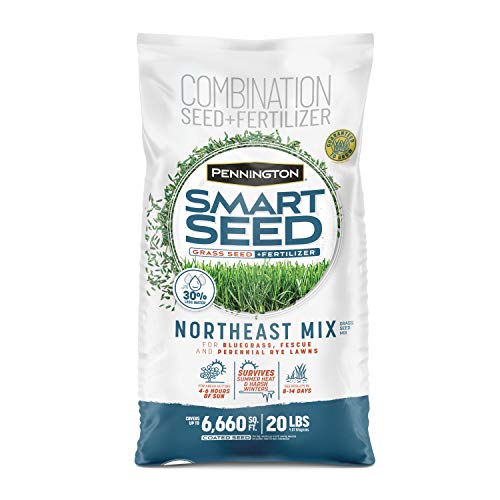
Pennington Smart Seed Northeast Mix (20 lb)
What Each Pick Brings To The Table
Yards tucked under mature maples or hemmed in by neighboring houses usually end up with patchy, thinning turf by midsummer. Jonathan Green’s shade-leaning blend is built around varieties that tolerate limited sunlight, with a 14 to 21 day germination window that gives a reasonable sense of progress without dragging on for a full season.
Compared to the heat-and-drought pick below, this formula prioritizes low-light survival over high-temperature endurance, so it shines in dappled corners rather than the open center of a sunny yard.
Positive Takeaways
- Varieties selected for areas where sunlight barely reaches the soil
- Produces a dark green, dense turf that softens the look of heavy shade
- Germinates in roughly two to three weeks, so progress is visible fast
- Works well around tree lines, north-facing borders, and the shadow side of a garage
- Contains beneficial endophytes, naturally occurring fungi that help grass resist stress
Things To Consider
- Not intended for full-sun areas, where it struggles compared to sun-blend formulas
- The 1 lb bag covers a limited footprint, so larger yards need multiple bags
- Heavy thatch or compacted clay can keep roots shallow, so soil prep still matters
Whose Yard It Belongs On
Homeowners dealing with stubborn shady patches under trees or along the north side of a brick home will get the most from this blend.
Reach For A Different Pick When
Your yard runs mostly open and sunny, where the Jonathan Green Black Beauty Heat & Drought Resistant Grass Seed (3 lb) handles the conditions far better.
Western PA humidity can push summer temperatures into ranges that turn ordinary fescues crispy by July. This blend leans on tall fescue and Texas bluegrass, with a waxy leaf coating that the brand compares to apple skin, helping each blade hold moisture longer when the heat climbs near 100°F.
Where the dense shade pick stays sheltered, this one lives in the open and keeps its color through stretches that leave lighter blends browning out.
Features That Help
- Engineered to perform in full sun to lightly shaded growing conditions
- Leaf coating reduces evaporation during hot, dry stretches
- Heat tolerance up to roughly 100°F for climates that get sharp summer spikes
- Strong cool-season root mass that handles brief drought without going fully dormant
- 3 lb bag suits medium-sized patch jobs and overseeding thin areas
Worth Noting
- Not the right call for deep shade under heavy tree cover
- Texas bluegrass traits may color-shift slightly in shoulder seasons as it establishes
- Newly seeded areas still demand steady early watering until roots anchor
Key Specs
Made For
Homeowners with sun-soaked lawns that bake in midsummer and need a cool-season blend that holds its color under pressure.
Swap It Out When
Your lot is mostly shaded by large trees, in which case the Jonathan Green Black Beauty Dense Shade Grass Seed (1 lb) is the stronger match.
Seeds formulated for Pennsylvania, rather than generic cool-season labels, tend to handle the Keystone State’s clay and freeze-thaw swings with fewer surprises. Keystone PA combines tall fescue, perennial ryegrass, and Kentucky bluegrass, a three-species lineup that adapts to the mix of sun, slope, and moisture that defines local lots.
Where the previous two picks target a single stress (shade or heat), this one tries to cover the typical suburban middle ground, the kind of yard that gets a few hours of sun here, some shade there, and a stubborn clay patch by the driveway.
Noteworthy Benefits
- Three-species blend spreads risk across fescue, rye, and bluegrass traits
- Dark green color holds across a wide range of conditions
- Designed for the temperature and rainfall patterns common across PA
- Good middle ground for yards with both sunny and shaded zones
Honest Caveats
- Best planting window runs mid-August to mid-October, so spring seeding gives mixed results
- Kentucky bluegrass component can take longer to fill in than pure rye or fescue
- Less specialized than blends aimed purely at shade or pure heat tolerance
Right Fit For
Homeowners who want one bag that performs across a typical Western PA yard with mixed sun, partial shade, and clay-leaning soil.
Look Elsewhere When
Your lawn sits in deep shade under mature hardwoods, where the Jonathan Green Black Beauty Dense Shade Grass Seed (1 lb) is the smarter buy.
Starting a lawn from scratch, or salvaging one that has thinned badly, takes more seed than most people expect. The 25 lb Ultra bag covers a meaningful footprint and combines the Black Beauty family of tall fescues, Kentucky bluegrass, and perennial ryegrass, three species that each handle a different kind of stress.
Compared to the smaller 1 lb and 3 lb Jonathan Green bags, this one is sized for whole-yard projects, not patch repairs.
The Upside
- Bulk size cuts down on per-pound cost for new-lawn builds
- Germinates quickly for fast establishment of freshly graded areas
- Fills in bare or thin patches when overseeding across a damaged lawn
- Multi-species makeup gives the lawn backup if one variety struggles
Trade Offs
- Large bag can be overkill for tiny patch jobs or single-area repairs
- Still depends on good soil prep, and skipping that wastes a lot of seed
- Not shade-specialized, so heavily treed lots will need a different product for those corners
Who Should Grab It
Property owners seeding a new lawn from bare soil or reworking a yard that has thinned across most of its area.
A Better Fit Elsewhere
If the goal is targeted patch repair rather than a full overhaul, the Jonathan Green Black Beauty Heat & Drought Resistant Grass Seed (3 lb) is easier to dial in.
Tall fescue’s reputation in the Northeast comes from its deep root system, and this blend leans into that with varieties that can push roots down around four feet when soil allows. The waxy leaf coating does the same moisture-preserving job that the heat-and-drought pick uses, just in a 100% tall fescue package.
It’s a sensible step up from smaller bags for homeowners who want fescue-only traits across a wider area without mixing in bluegrass or rye.
What Earns Its Place
- 100% turf-type tall fescue with a uniform, dark green leaf texture
- Deep root capacity delivers stronger drought tolerance through dry weeks
- Handles both sunny and partially shaded sections in the same yard
- Leaves hold up well to mowing without shredding at the tips
- 15 lb bag balances bulk savings with manageable handling
Points To Note
- Best planting window is mid-August to mid-October, with spring as a secondary option
- Pure fescue turf can clump slightly compared to bluegrass blends
- Compacted soil limits root depth, so aeration improves real-world results
Quick Facts
Best Suited To
Homeowners who want a fescue-forward lawn with deep roots and reliable performance across both sunny and partially shaded zones.
Skip It When
Your lawn needs a three-species safety net for variable conditions, where the Jonathan Green Black Beauty Keystone PA Grass Seed (7 lb) offers broader coverage.
Annual ryegrass earns its place in Western PA as a short-term cover crop rather than a permanent lawn. It germinates in about a week, holds a green color through cool weather, and dies back when summer heat arrives, leaving the underlying permanent grass to take over.
It’s a useful tool rather than a primary turf choice, ideal for overseeding a tired permanent lawn in early fall or for stabilizing bare soil until a longer-term blend establishes.
Practical Advantages
- Fast germination shows visible results in roughly a week
- Provides quick green color for overseeding or temporary cover
- Useful for protecting bare soil from erosion while a permanent lawn fills in
- 10 lb bag covers a sizable patch or overseeding area
Small Caveats
- Annual cycle means it dies back in summer heat, leaving gaps if used alone
- Coarser texture than Kentucky bluegrass or fine fescues
- Not designed for deep shade or high-traffic permanent turf
Who It Suits Best
Homeowners overseeding a thinning cool-season lawn in early fall or stabilizing bare soil between larger renovation steps.
Not Your Match When
You want a long-term permanent lawn, where the Pennington Smart Seed Northeast Mix (20 lb) handles year-round duty better.
Open yards that soak up sun all day need a blend that pushes roots deep before drought stress sets in. Scotts Turf Builder Sunny Mix adds Root-Building Nutrition, a built-in fertilizer component, to help young seedlings anchor quickly in those exposed conditions.
It is the smallest bag in this roundup by weight, which makes it a sensible fit for repairs and small front lawns rather than full-acre projects.
Useful Strengths
- Designed for full sun and light shade
- Built-in nutrition supports deeper root development in young turf
- Medium to high drought resistance once established
- Small 2.4 lb bag fits spot repairs and modest-sized lawns
Room For Improvement
- Bag is small for whole-yard renovations, so multiple purchases add up
- Stumbles in deep shade compared to shade-tuned blends
- Requires consistent watering during the early establishment window
Feature Snapshot
Perfect Match For
Homeowners with small, sun-soaked lawns or those patching bare strips in open, bright areas of an otherwise mixed yard.
Consider Something Else When
Your lot runs large or is heavily shaded, where the Jonathan Green Black Beauty Keystone PA Grass Seed (7 lb) covers more ground and more conditions.
Bermudagrass is a warm-season species, which makes it an unusual pick for Western PA, but improved cold-tolerant varieties have made it a viable option in some transitional yards. Its self-spreading habit and aggressive root system make it exceptionally wear-resistant, and it goes dormant (turns brown) once winter sets in.
For most Pennsylvania lawns, this is a curiosity rather than a primary pick, but it suits specific situations like south-facing slopes or sandy patches where cool-season blends struggle.
What It Does Well
- Self-spreading growth fills in thin or damaged areas on its own
- Built to handle heavy foot traffic, kids, and pets
- Improved cold-tolerant varieties extend its useful range north of traditional zones
- Low-growing habit produces fewer grass clippings during mowing
Practical Considerations
- Goes dormant and turns brown in winter, leaving the yard bare for months
- Not the right call for most Pennsylvania primary lawns with traditional cool-season expectations
- Aggressive growth can crowd out neighboring beds without edging control
Right Fit For
Homeowners with south-facing slopes, sandy patches, or unusually hot microclimates where cool-season blends keep failing.
Not Your Match When
You want a green lawn through Western PA winters, where the Jonathan Green Black Beauty Tall Fescue Grass Seed Blend (15 lb) keeps color year-round.
Kentucky 31 tall fescue has a long history in the Northeast, prized for durability and lower maintenance needs. Scotts blends it with complementary seeds in a mix designed for new lawns and overseeding, a combination that aims to improve on straight Kentucky 31 while keeping its rugged character.
Compared to the Jonathan Green Black Beauty Ultra 25 lb bag, this is a similar bulk option with a different species focus.
A Few Highlights
- Curated blend built around Kentucky 31 tall fescue durability
- Suited for both new lawn builds and overseeding existing turf
- Lower-maintenance profile once established
- 20 lb bag fits mid-sized yard projects without going overboard
Less-Strong Areas
- Kentucky 31 has a coarser blade texture than modern turf-type fescues
- Color is lighter green than some premium fescue-bluegrass blends
- Performance depends heavily on the complementary species included in the mix
Feature Rundown
Who Will Love This
Homeowners building a new lawn who want a tough, low-maintenance tall fescue base rather than a finer-textured bluegrass blend.
Where Another Pick Suits Better
You prefer a finer, darker green texture, where the Jonathan Green Black Beauty Tall Fescue Grass Seed Blend (15 lb) delivers a more refined look.
Pennington’s Northeast Mix combines perennial ryegrass, Kentucky bluegrass, and tall fescue with a measured amount of fertilizer, a one-bag approach that covers seeding and feeding in the same pass. It is built for areas that get around four to six hours of sun, which fits a lot of partly shaded suburban lots in the region.
It serves as a practical alternative to the Keystone PA blend, with a slightly different species ratio and a built-in starter feed.
Key Advantages
- Three-species mix of ryegrass, bluegrass, and tall fescue spreads risk across varieties
- Includes starter fertilizer in the bag, so seeding and feeding happen in one pass
- Formulated to survive both summer heat and harsh Northeast winters
- 20 lb bag handles large overseeding or renovation projects
- Sun requirement of four to six hours fits many partly shaded lots
Potential Drawbacks
- Four to six hour sun range rules out deep shade under heavy tree cover
- Starter fertilizer is mild, so severely depleted soils may still need extra feeding
- Larger bag requires planning for use within a season
Built With In Mind
Homeowners with partly shaded, mid-sized yards who want one bag to handle both seeding and the first round of feeding.
A Better Fit Elsewhere
Your lawn is mostly shaded, where the Jonathan Green Black Beauty Dense Shade Grass Seed (1 lb) is purpose-built for the conditions.
What Matters Most When Choosing Grass Seed For Western PA
Picking seed by region matters more than picking by brand. Cool-season grasses dominate the area because they handle freezing winters and grow actively during mild springs and falls, while warm-season options like Bermudagrass stay brown for half the year. Most successful local lawns rely on a tall fescue base, often paired with Kentucky bluegrass for density or perennial ryegrass for quick cover.
Soil type shapes the decision just as much as climate. Western PA’s clay-heavy ground compacts easily, which limits root depth, so blends that develop aggressive root systems (like the tall fescue options above) tend to outperform shallow-rooting species. A quick soil test before seeding reveals pH and nutrient gaps, and skipping that step is the most common reason new seed struggles.
Sun exposure across the yard determines whether a specialized blend or a multi-species mix is the right call. Yards with mostly open sun, mostly deep shade, or a true mix benefit from matching the seed to the actual light pattern rather than grabbing a one-size-fits-all bag.
Seeding timing is the final piece. Mid-August through mid-October is the strongest window because the soil is warm, the air is cooler, and weeds slow down. Spring seeding works as a backup, but young seedlings face more competition and summer stress in their first months.
Key Considerations Across These Picks
Where Shoppers Go Wrong
The most common mistake is buying a warm-season grass for a cool-season region and expecting year-round green. Bermudagrass goes dormant and turns brown through Western PA winters, which surprises shoppers who skip the species details. Another frequent slip is underestimating how much seed a yard actually needs, then ending up with a thin, patchy result because the bag ran out halfway through. Measure your lawn, check the bag’s coverage rate, and round up.
When Paying More Pays Off
Premium blends cost more because they include improved varieties with stronger drought tolerance, darker color, and better disease resistance. On a small patch repair, the difference is hard to notice, but across a full lawn that faces Pennsylvania’s clay soil and humid summers, the upgrade shows up in fewer bare spots, less watering, and a thicker stand that crowds out weeds. For whole-yard projects, the higher-tier options tend to pay themselves back in lower maintenance over a few seasons.
Frequently Asked Questions
When Is The Best Time To Plant Grass Seed In Western PA?
Mid-August through mid-October is the strongest window, since the soil stays warm enough for fast germination while cooler nights reduce stress on young seedlings.
How Much Seed Does A Typical Western PA Lawn Need?
Most cool-season blends cover roughly 3,000 to 8,000 square feet per bag depending on whether you are seeding new ground or overseeding, so measure your lawn first and buy slightly more than the math suggests.
Can I Mix Different Grass Seed Blends Together?
Mixing is possible but complicated, because each blend is balanced for specific traits, and combining them can shift germination timing and texture across the yard, so most homeowners get cleaner results picking one well-matched bag per zone.
Do I Need To Test My Soil Before Seeding?
A soil test is strongly worth the small effort, because it reveals pH and nutrient gaps that limit germination, and correcting those issues before seeding saves the cost of seed that struggles to establish.
How Long Until A New Lawn Looks Full?
Most cool-season blends germinate in 7 to 21 days, fill in meaningfully over the next 6 to 8 weeks, and reach a fully established stand by the following growing season with proper watering and mowing.
The Takeaway
The right grass seed for a Western PA yard comes down to matching your soil, your sun pattern, and your timing to a blend that was built for those conditions. For most homeowners, a fescue-forward or three-species cool-season blend seeded in early fall delivers the strongest results. Pick the bag that fits your yard’s profile, prep the soil, and stay on top of watering through the first few weeks; the rest mostly takes care of itself.
