

Alabama lawns live a hard life. Long, humid summers, sandy Coastal Plain soils, and clay-heavy backyards up north all push grass to its limit, and choosing a variety that actually thrives in those conditions saves seasons of patching and re-seeding. The picks below cover cool-season bluegrasses for the upper part of the state, tough bahiagrass for the south, and a few ornamental and pet-friendly options that round out a complete yard plan.
A Snapshot Of The Selections

GreenView Pure Grass Seed Kentucky Bluegrass Blend 3 lb

Barenbrug Turf Blue Pro Kentucky Bluegrass Seed 25 lb

Barenbrug USA TVKBG7 7 lb Kentucky Bluegrass
Seeds2Go Kentucky Bluegrass Lawn Seed 1 Pound

Flowerwood Pink Muhly Grass 2.5 Gallon

Barenbrug USA 50201 Kentucky Bluegrass Seed 1 lb
SeedRanch Tifton 9 Bahia Grass Seed 5 lb

Ohio Heirloom Seeds Catgrass 300+ Seeds
The Details Behind The Selections
Northern Alabama leans cool-season, and a Kentucky bluegrass blend that tolerates both full sun and light shade handles the rolling conditions of backyards there. The GreenView mix aims squarely at that middle ground, bringing uncoated seed to homeowners who want a dense, dark-green turf without specialty coatings inflating the cost.
Coverage is generous for a 3 lb bag, opening options for spot repair and full reseeding alike. In our view, it is the kind of bag you keep on the shelf for both the original lawn project and the inevitable patch that shows up the following fall.
Where It Helps
- Curated blend handles full sun and light shade, so mixed-light yards need only one product.
- Provides 1,500 sq. ft. for new seeding and 3,000 sq. ft. for overseeding, giving you flexibility on the same bag.
- Uncoated seed maximizes usable content per pound, which matters for budget-minded homeowners.
- Adapts to common soil types, so you can skip extensive amendments before laying seed down.
Worth Noting
- Bluegrass is a cool-season species, so heat-stressed southern Alabama lawns may see summer thinning.
- Establishment takes patience compared to ryegrass, so you should plan for a longer watering window.
Key Specs
Who It Suits Best
Homeowners in the upper third of Alabama who want one bag that handles both sun and lightly shaded lawn areas.
Skip It When
Your yard sits in Mobile or Baldwin County, where SeedRanch Tifton 9 Bahia Grass Seed handles heat and sand far better.
Bigger yards in Huntsville or the Birmingham suburbs need a bag that covers more ground per trip. The Barenbrug Turf Blue Pro arrives in a 25 lb sack, pairing four elite bluegrass varieties with Barserati genetics bred for stronger drought behavior.
The Yellow Jacket seed coating (a polymer treatment that helps each seed hold moisture during germination) sets this apart from the uncoated GreenView option, which makes establishment more forgiving during dry fall windows. You may find this coating especially useful if you tend to forget a watering or two during the critical first two weeks.
Practical Advantages
- Four-variety blend plus Barserati genetics give the lawn better drought tolerance than most bluegrass mixes.
- Yellow Jacket coating retains moisture around each seed, helping germination through dry spells.
- 25 lb bag covers large yards without forcing a mid-project supply run.
- Barserati line greens up earlier in spring, giving you a visual head start on seasonal maintenance.
Trade Offs
- Premium bag size increases upfront cost for homeowners with small patch jobs.
- Coated seed means fewer pure seeds per pound, so overseeding math needs adjustment.
Made For
Homeowners with multi-thousand-square-foot lawns in northern Alabama who want one bag to handle the entire seeding project.
Consider Something Else When
You only need to fix a few bare spots, in which case the GreenView 3 lb bag or Seeds2Go 1 lb option is a smarter fit.
The True Value 7 lb bag sits in the middle of the bluegrass lineup, lighter than the Turf Blue Pro and heavier than the 3 lb GreenView bag. It delivers 100% Kentucky bluegrass with no fillers, aimed at gardeners who want a single-species stand for that classic dense look.
For a mid-size overseeding project in a north-Alabama subdivision, this size lands in the practical zone. You get enough seed to refresh a tired lawn without the heavier commitment of a 25 lb sack.
Where It Excels
- 100% Kentucky bluegrass for a uniform, traditional turf appearance.
- Coverage stretches to 3,500 sq. ft. for new lawns and 7,000 sq. ft. for overseeding, generous for a 7 lb bag.
- Winter hardy and heat tolerant within the cool-season range, suiting transitional-zone yards.
- Low-growing, high-density habit reduces the frequency of mowing sessions.
Honest Caveats
- Single-species seed has a narrower genetic defense against disease than multi-variety blends.
- Full sun to moderate shade only, so heavily wooded lots may see thin spots.
Feature Snapshot
Right Fit For
Homeowners with mid-size north-Alabama lawns who want pure bluegrass without the multi-variety complexity.
Where A Sibling Pick Shines
The Barenbrug Turf Blue Pro handles drought stress better, so it suits yards with sandy soil or tricky irrigation.
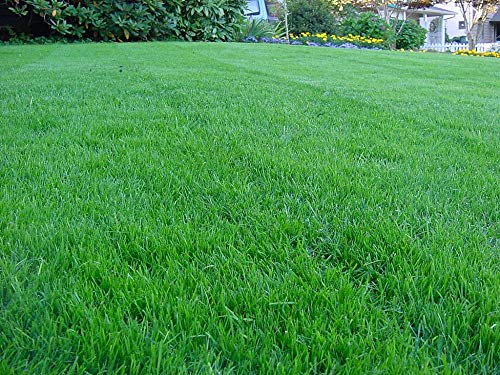
Sometimes the lawn project is just a few bare patches from dog traffic or a harsh summer. The Seeds2Go 1 lb bag gives you a small, no-frills container of Kentucky bluegrass for those targeted repairs without committing to a larger sack you may not finish.
It is also a friendly option for first-timers testing how bluegrass performs in their soil before scaling up. Kentucky bluegrass is a cool-season grass, so growth slows during Alabama summers and picks up in the fall and spring.
Notable Gains
- Compact 1 lb size keeps the price approachable for small repair jobs.
- Cool-season variety suits the fall and spring planting windows in northern Alabama.
- Sod-like density when established, giving small patches a polished look.
Some Limits To Know
- Higher maintenance needs than warm-season options, including steady watering in dry weeks.
- Too small for full-lawn seeding, so you will need a bigger bag for renovation work.
Who Should Grab It
Homeowners patching small worn spots or trialing bluegrass before committing to a full reseed.
Another Choice May Suit
For larger northern-Alabama projects, the Barenbrug USA TVKBG7 7 lb Kentucky Bluegrass covers substantially more area in one bag.
Switching gears from turf to texture, pink muhly grass (Muhlenbergia capillaris) brings a soft, billowing pink display to Alabama landscapes each fall. Shipped as a 2.5 gallon live plant, it skips the seedling gamble and lands in the ground already established.
Unlike the Kentucky bluegrass picks above, this is a warm-season ornamental that thrives across most of the state. It is a low-maintenance option that doubles as a sidewalk border, container accent, or mass planting.
What Pays Off
- Pink plume seed heads appear in late summer, adding a rare color to the typical green landscape.
- Live 2.5 gallon plant skips the slow seedling stage and matures faster than seed-started ornamentals.
- Tolerates a range of soil types and works in full to partial sun, giving you flexible placement.
- Low-maintenance habit suits gardeners who want visual payoff without constant grooming.
Less Ideal Details
- Live plants can suffer transplant shock in extended heat, so spring or early fall planting is safest.
- Not a turf grass, so it fills an accent role rather than replacing a lawn.
Quick Facts
Built With In Mind
Landscape designers and homeowners who want seasonal pink color in a low-fuss ornamental package.
Look Elsewhere When
You are after traditional turfgrass coverage, in which case the Barenbrug Turf Blue Pro or SeedRanch Tifton 9 Bahia fits the brief.
The 50201 is the smallest bag in the Barenbrug USA bluegrass family, and it fills a specific role for shoppers who want brand-name seed without the bulk. At 1 lb, it is a sensible choice for a small starter area or a tight repair zone where the larger Turf Blue Pro would be overkill.
Made in the United States, it pairs nicely with the bigger Barenbrug siblings when you need a patch repair while waiting for a full reseed project.
What Works In Its Favor
- Compact 1 lb size keeps storage simple and waste low for occasional repairs.
- Made in the United States, which matters for shoppers tracking sourcing.
- Kentucky bluegrass species gives a classic, dense turf appearance when established.
Potential Drawbacks
- Limited source detail on coverage rates, so plan to buy multiple bags for larger areas.
- Single-species seed has a narrower disease profile than the multi-variety Barenbrug Turf Blue Pro.
Perfect Match For
Homeowners who want a small, brand-name bag of bluegrass for a starter strip or narrow side yard.
Not Your Match When
You are overseeding a full lawn, where the Barenbrug USA TVKBG7 7 lb bag handles the work in one purchase.
South of Montgomery, the bluegrass picks above start losing ground to heat and sandy soil. Tifton 9 is an improved Pensacola bahiagrass developed by the USDA-ARS and the University of Georgia, bred specifically for the hot, sandy conditions common across southern Alabama.
It produces more vigorous seedlings and longer leaves than common Pensacola, which means faster ground cover in the establishment year. For a coastal or Wiregrass-region yard, this is the dependable warm-season workhorse.
Useful Highlights
- Improved variety with more vigorous seedlings, helping it establish faster than common Pensacola.
- Handles heat, drought, and sandy soils that stress cool-season bluegrass.
- Deep root system supports wear tolerance for yards with regular foot traffic.
Things To Weigh
- Coarser blade texture than bluegrass, so it does not deliver the same fine, manicured look.
- Seed head production in summer may bother homeowners seeking a uniform lawn surface.
Technical Sheet
Best Suited To
Homeowners in southern Alabama who need a tough, heat-tolerant lawn for sandy coastal soils.
Where Another Pick Suits Better
For a finer, cooler-season lawn in the Birmingham area, the Barenbrug Turf Blue Pro is the stronger match.
Stepping away from turf, the catgrass option targets a different audience: indoor cats that benefit from safe roughage. Crested wheat grass (Agropyron cristatum) is the species here, and the small seed count suits a few containers by the window.
It is a useful pick for pet households that want to keep cats away from outdoor lawns that may carry herbicide residue. Grow it in a shallow pot, and you give your cat a safer alternative.
Strong Points
- 300+ seeds cover several indoor pots or a rotation of containers.
- Safe alternative for cats that nibble on outdoor grass treated with chemicals.
- Edible for humans in salads, adding a small kitchen-garden crossover.
Minor Gripes
- Germination takes around 21 days, longer than many quick-sprout herbs.
- Not suited for traditional lawn use, so it does not replace any of the turf picks above.
Who Will Love This
Cat owners who want a safe indoor grazing option and prefer seeds over store-bought pots.
Reach For A Different Pick When
You want outdoor lawn coverage, in which case any of the Barenbrug or Seeds2Go bluegrass bags or the SeedRanch Tifton 9 Bahia fits the project.
What Matters Most Before Choosing Grasses For Alabama
Match the grass to your climate zone
Alabama splits roughly into a cool-season-friendly upper third and a warm-season-dominant southern two-thirds. North Alabama gardeners can lean on Kentucky bluegrass with the understanding that summer stress is normal. South Alabama lawns need warm-season species like bahiagrass that thrive in heat and handle sandy, well-drained soils. Choosing across that line usually ends in frustration and reseeding.
Soil texture changes the answer
Clay-heavy soils in the central region hold moisture but compact easily, while coastal sands drain fast and dry out. Bluegrass blends tolerate a wide soil range but need steady watering, whereas bahiagrass adapts to poor, sandy ground with minimal irrigation. A quick soil test tells you which way to lean before you buy.
Sun and shade patterns on your lot
Map how many hours of direct sun your yard actually gets. Bluegrass blends handle sun and light shade, but dense tree cover pushes you toward more shade-tolerant species. Ornamental grasses like pink muhly need at least six hours of sun for the best bloom, so placement matters as much as species choice.
Maintenance willingness and traffic
Kentucky bluegrass rewards regular watering and mowing with a dense, classic look. Bahiagrass is lower-input but coarser in texture and produces more visible seed heads. High-traffic yards with kids or dogs benefit from blends with wear tolerance, like the Barenbrug Turf Blue Pro.
Key Considerations Across These Picks
Pitfalls Shoppers Hit
Buying cool-season bluegrass for a shaded south-Alabama lawn is the most common miss, since the species simply cannot handle the heat and shade combo. Another trap is underestimating coverage, with shoppers buying 3 lb bags for projects that need 15 or 25. Measure your lawn in square feet before you commit, and double the order if you are overseeding an existing stand.
What The Higher Tier Buys
Moving from a 3 lb uncoated bag to the 25 lb Barenbrug Turf Blue Pro brings multi-variety genetics, drought-tolerant parent lines, and a moisture-retaining coating. For larger or more exposed yards, those upgrades pay back through faster establishment, better summer survival, and fewer reseed cycles. Smaller yards rarely need that level of investment.
Frequently Asked Questions
What is the best time to plant grass seed in Alabama?
Fall is the prime window across most of the state, with cooler soil temperatures and fewer weed competitors. Spring works for warm-season grasses like bahiagrass, while bluegrass performs best with a September to October planting.
Can Kentucky bluegrass survive Alabama summers?
It handles north-Alabama summers with steady irrigation and may go semi-dormant during the hottest weeks. South of Montgomery, the heat and humidity typically thin the stand, so warm-season grasses are a safer long-term bet.
How much seed do I need for a typical yard?
Measure your lawn in square feet and check the coverage rate on the bag, since new lawn and overseeding numbers differ. A 1,500 sq. ft. yard at the new-lawn rate needs roughly 3 lb of most bluegrass products, while overseeding needs about half that amount.
Do I need to test my soil before seeding?
A basic soil test helps you match pH and nutrient levels to the species you plant, and Alabama soils often need lime to reach the slightly acidic range bluegrass prefers. Bahiagrass tolerates a wider pH range, so the test is less critical for warm-season lawns.
Are ornamental grasses like pink muhly deer-resistant?
Pink muhly is generally considered deer-resistant, making it a good fit for rural Alabama properties with browsing pressure. It still benefits from protection during the first growing season while roots establish.
Wrap Up
The right grass for your Alabama yard comes down to a clear-eyed read of your climate zone, soil, and how much time you want to spend on upkeep. Northern homeowners chasing a classic bluegrass lawn will find their match in the GreenView or Barenbrug options, while southern yards lean hard into SeedRanch Tifton 9 for heat survival. Ornamental and pet-friendly picks round out the list, giving you flexibility to build a yard that fits the way you actually use it.
