

Drought doesn’t politely wait until you’re ready. Across the country, summers stretch longer, rain patterns shift, and lawns that looked fine five years ago are now cracking and browning by midsummer. Choosing the right seed, or the right soil-supporting fertilizer, can mean the difference between a lawn that bounces back from a dry stretch and one that doesn’t. This roundup covers ten grasses for drought suited to different regions, sun exposures, and traffic levels, from cool-season tall fescue blends built for transition zones to warm-season Bermudagrass varieties that thrive when the thermometer climbs past 100°F. You’ll also find a liquid lawn booster that helps existing turf draw moisture from deeper in the soil. Pick based on your climate, your soil, and how much foot traffic your yard takes, and you’ll spend far less time watching the forecast and far more time enjoying the grass underfoot.
An Overview Of The Picks

Jonathan Green Black Beauty Sunny Grass Seed – 1 lb

Jonathan Green Black Beauty Heat & Drought Resistant Grass Seed – 3 lb

Jonathan Green Blue Panther Bermudagrass Grass Seed – 4 lb

Jonathan Green Black Beauty Ultra Grass Seed – 50 lb

Scotts Turf Builder Grass Seed Sunny Mix, 2.4 lbs.

Scotts Kentucky 31 Grass Seed Mix, 20 lbs.

Scotts Grass Seed Drought Tolerant Mix, 4 lbs.

Outsidepride Oasis Bermuda Grass Seed – 5 lbs

GreenView Pure Grass Seed Sunny Mixture, 3 lb. Bag
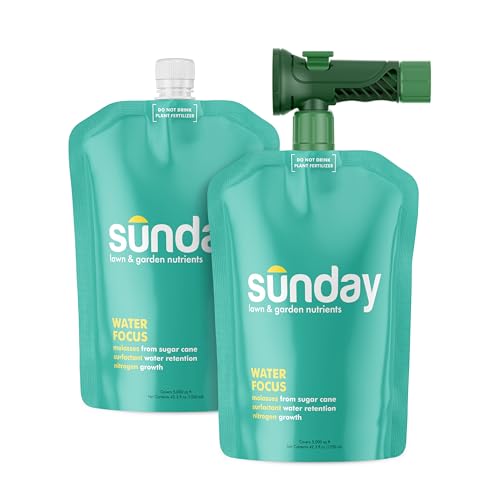
Sunday Liquid Lawn Fertilizer for Drought, Hose-End Sprayer, 2 Pack
Meet The Standout Selections
Starting small? This one-pound pouch of Black Beauty Sunny mix targets tight, sunny patches where moisture slips away fastest. The blend draws from perennial rye, Kentucky bluegrass, and tall fescue, so you get quick cover from the rye, durability from the fescue, and that self-repairing spread from the bluegrass. For most backyards, a single bag handles a few trouble spots without paying for seed you won’t use.
Compared to the larger 50-pound Black Beauty Ultra further down, this is the one to grab when you’re patching dog paths or shaded corners along a south-facing fence. The waxy leaf coating that helps each blade hold moisture is the same trait the bigger bag uses, so the drought tolerance travels with the seed, not the bag size.
Practical Pluses
- Waxy leaf coating limits evaporation between waterings, a real benefit during July dry spells
- Three-species blend fills in fast from rye, then thickens with bluegrass over the following season
- One-pound pouch suits spot repairs, so you avoid leftover seed sitting in a hot garage
- Performs in full sun and tolerates light shade around the edges of a yard
Trade Offs
- One pound covers a small area, so larger renovations will need multiple bags and stacking cost
- Cool-season mix slows growth in southern heat, which matters if you live below the transition zone
- Needs consistent watering during the first few weeks to establish, so a manual sprinkler routine is part of the deal
Made For
Homeowners with a small sunny yard or a few bare patches who want a cool-season mix that handles heat without daily watering.
Consider Something Else When
You live in the Deep South and need a true warm-season turf, where the Outsidepride Oasis Bermuda Grass Seed is a better match.
Where the one-pound Sunny mix leans on a three-species blend, this three-pound bag narrows the recipe to tall fescue and Texas bluegrass, both chosen specifically for high-heat tolerance. Texas bluegrass brings genuine southern genetics into a cool-season-friendly mix, which makes this one of the more interesting options for the transition zone where summers push past 100°F. Three pounds covers a meaningful patch, around 1,000 square feet for new seeding, without jumping to the 50-pound size.
The practical difference versus the smaller Jonathan Green pouch is root depth. This blend is engineered for lawns that go longer between waterings, so you spend less time dragging the sprinkler in August. For most homeowners in zones 6 through 8, the trade-off is straightforward: a more focused species list, and a waxy leaf coating that still preserves moisture the same way the other Black Beauty mixes do.
What It Does Well
- Handles heat up to 100°F thanks to Texas bluegrass, which most fescue-only blends can’t claim
- Waxy cuticle helps each blade hold water between rain events, useful during water restrictions
- Three-pound size suits medium patch jobs without overbuying
- Performs in full sun and tolerates light shade around tree lines
Things To Consider
- Slower to germinate than a perennial rye-heavy mix, so patience through the first three weeks pays off
- Still a cool-season base, so very southern lawns may struggle without overseeding each fall
- New seed benefits from a starter fertilizer at sowing, which adds a step to the project
Right Fit For
Homeowners in transition-zone climates where summers regularly top 100°F and a cool-season look is still the goal.
Look Elsewhere When
You need a warm-season lawn that stays actively green through a southern summer, where the Jonathan Green Blue Panther Bermudagrass fits better.
Step south of the transition zone and the cool-season blends above start to lose their edge. Blue Panther Bermudagrass is built for that exact problem. It’s a warm-season variety with strong vertical and lateral rooting, so the lawn knits together quickly once soil temps climb into the 70s. Compared to traditional Bermudagrass, this one is also bred to reduce the need for winter overseeding, which saves a real weekend of work each year.
Four pounds covers a respectable area, and the aggressive rooting pays off in clay-heavy southern soils where moisture sits shallow. The honest trade-off: Bermudagrass goes dormant and turns tan once nighttime temps drop in fall, so you’ll see a brown lawn for a few months. Most southern homeowners accept that rhythm, but it’s worth knowing before you seed a full yard.
Everyday Perks
- Aggressive vertical and lateral rooting establishes a dense stand faster than common Bermuda
- Reduces the need for annual winter overseeding, which cuts maintenance over time
- Handles southern heat and humidity without constant irrigation
- Durable enough for kids, dogs, and weekend soccer games
Worth Noting
- Goes dormant and brown in winter, so a year-round green look requires overseeding with rye
- Warm-season growth means spring green-up waits until soil warms, which can feel slow after a cool April
- Spreads aggressively into flower beds, so edging matters more than with fescue
Who It Suits Best
Homeowners in the Deep South who want a tough, drought-tolerant lawn and don’t mind a brown winter dormancy period.
A Better Fit Elsewhere
You live in a transition zone and want year-round green color, where the Jonathan Green Black Beauty Heat & Drought Resistant Grass Seed is a smarter pick.
Renovating a whole yard, or starting from dirt on a new build? The 50-pound Black Beauty Ultra is the bulk option in the Jonathan Green family, and it earns its weight by covering up to 10,000 square feet. The species list mirrors the original Sunny mix: tall fescue, Kentucky bluegrass, and perennial rye, with the same waxy leaf coating that limits evaporation. The dark-green color comes from the bluegrass content, which gives the lawn that classic cool-season look once established.
The case for buying in bulk isn’t just about coverage. A single 50-pound bag eliminates the need to match lots from different batches, which matters because seed blends can vary slightly between production runs. For most full-lawn projects, consistency across one bag beats the convenience of smaller pouches.
Strong Points
- Single-bag coverage up to 10,000 square feet suits large yards and new construction
- Three-species blend provides fast rye cover, durable fescue, and self-repairing bluegrass
- Waxy leaf coating reduces moisture loss between watering cycles
- Dark-green color once mature gives a uniform appearance across the property
Some Limits To Know
- Heavy bag is awkward to handle and may require a wheelbarrow for transport
- 50 pounds of seed exceeds what most small yards need, so leftover storage becomes part of the plan
- Best results require a spreader and consistent watering during the establishment window
Best Suited To
Homeowners tackling a full-lawn renovation, a new build, or a large property where buying in bulk simplifies the project.
Reach For A Different Pick When
You only have a few bare patches to repair, where the smaller Jonathan Green Black Beauty Sunny Grass Seed avoids storing extra seed.
Scotts redesigned this Sunny Mix around the same goal as the Jonathan Green blends: grow grass that holds up in direct sun. The twist is Root-Building Nutrition, a fertilizer coating that feeds the seedling during the first critical weeks. The idea is straightforward: deeper roots in year one means better drought tolerance in year two, because the grass can reach moisture further down in the soil profile.
For most DIY homeowners, the coated seed simplifies the project. You skip the separate starter fertilizer step, which is one fewer product to buy and one fewer pass across the yard. The mix handles full sun and tolerates light shade, so it works on yards that get hit by sun from morning to evening, with a few trees softening the edges.
Noteworthy Benefits
- Root-Building Nutrition feeds seedlings during establishment, so the grass hits the ground running
- Combines seed and starter fertilizer in one product, simplifying the project
- 2.4-pound bag covers a typical suburban patch without overshooting your needs
- Medium to high drought resistance once established, per the manufacturer’s framing
Honest Caveats
- Coated seed weighs more per actual seed count, so coverage numbers can confuse first-time seeders
- Designed for sun, so shaded corners may struggle without supplemental seed
Feature Snapshot
Who Should Grab It
DIY homeowners reseeding a sunny suburban yard who want to skip the separate starter fertilizer and get deeper roots in year one.
Skip It When
You want a blend engineered specifically around drought, where the Scotts Grass Seed Drought Tolerant Mix is a more focused pick.
Kentucky 31 tall fescue has been a workhorse for decades, and this Scotts mix curates the variety alongside complementary seeds to deliver a thicker stand than Kentucky 31 alone. The 20-pound bag suits a mid-sized yard, and the durability rating is what sets this pick apart. Fescue’s deep root system handles foot traffic from kids and pets better than bluegrass-heavy blends, which matters if your lawn doubles as a backyard playground.
Compared to the Black Beauty Ultra above, this Scotts mix trades some of the dark-green color for a more rugged, low-maintenance turf. For most homeowners who care more about a lawn that survives than a lawn that wins a photo contest, the trade is fair. Less frequent mowing and lower water needs follow naturally from the fescue base.
The Helpful Details
- Kentucky 31 fescue base handles wear from kids, dogs, and foot traffic
- 20-pound bag suits mid-sized yards without jumping to bulk sizes
- Works for both new seeding and overseeding existing lawns
- Lower maintenance than finer-bladed bluegrass blends, which means fewer inputs over time
Possible Compromises
- Coarser blade texture than bluegrass or rye, which some homeowners find less refined
- Lighter green color than the Black Beauty Ultra, so the lawn may look less lush in early summer
- Establishes more slowly than perennial rye-heavy mixes
Perfect Match For
Family households with active yards, dogs, or kids who need a durable cool-season turf that tolerates drought without constant babysitting.
Swap It Out When
You want a darker, more refined lawn color, where the Jonathan Green Black Beauty Ultra Grass Seed fits the brief better.
This is the most focused drought pick in the roundup, and the details show it. The blend combines tall fescue and Kentucky bluegrass, but the real story is the root depth those two species produce together. Long roots reach moisture deeper in the soil, which means the lawn can sit through a two-week dry stretch without going fully brown. Add the self-repairing habit of Kentucky bluegrass, and the mix fills in bare spots on its own instead of waiting for you to reseed.
The application window matters: spring or fall, when air temps sit between 65°F and 85°F. Owners in the transition zone can plan a fall seeding for cool-season establishment, then let the deep roots carry the lawn through the following summer. Compared to the Scotts Sunny Mix, this is the more targeted choice when drought is the top concern rather than sun exposure.
Real-World Strengths
- Long-rooted fescue and bluegrass reach moisture that shallow-rooted blends can’t access
- Self-repairing habit fills in bare spots without manual reseeding
- 99.99% weed-free seed reduces competition during the establishment window
- Works for both new lawns and overseeding existing turf
Where It May Fall Short
- Narrow application window between 65°F and 85°F limits flexibility on timing
- Still a cool-season base, so very southern heat can stress the lawn in peak August
- 4-pound pack is a 6-pack configuration, so you may end up with more seed than a small yard needs
Whose Shelf It Belongs On
Homeowners in drought-prone regions who want a cool-season seed engineered specifically around water scarcity rather than sun tolerance alone.
Where A Sibling Pick Shines
You live in the South and need a warm-season turf, where the Jonathan Green Blue Panther Bermudagrass handles the climate more naturally.
Where the Jonathan Green Blue Panther offers a single Bermudagrass variety, Outsidepride’s Oasis layers three top-performing Bermuda grasses into a hybrid blend. The point of stacking varieties is adaptability: each cultivar handles stress a little differently, so the lawn as a whole holds up across soil types, sun angles, and weather swings. For southern homeowners, landscapers, or anyone managing sports field-style turf, that genetic diversity is a real asset.
Rapid growth is the second headline feature, and it shows up in both establishment speed and recovery from wear. Five pounds covers a meaningful southern lawn, and the heat-resistant, drought-tolerant, low-maintenance framing matches how Bermudagrass performs in practice once established. The honest read: this is a turf-grass pick, not an ornamental lawn pick, so expect a thick, durable, fast-growing stand rather than a delicate showpiece.
Bright Spots
- Three-variety hybrid blend offers broader adaptability than single-cultivar Bermuda
- Rapid growth establishes a thick stand and recovers quickly from heavy use
- Heat- and drought-tolerant once roots develop, fitting southern summers
- Suits homeowners, commercial properties, and sports field applications
Points To Keep In Mind
- Goes dormant and brown through southern winters, so year-round green requires rye overseeding
- Aggressive spread needs edging to keep it out of beds and walkways
- Bermuda varieties can be slow to green up in spring compared to cool-season grasses
Feature Snapshot
Built With In Mind
Southern homeowners, landscapers, and sports field managers who want a hybrid Bermuda that handles heat, traffic, and drought in one seed.
Not Your Match When
You want a year-round green color without rye overseeding, where the Outsidepride mix’s winter dormancy becomes a real drawback.
GreenView takes a different angle from the coated products above. The seed is uncoated, which means you get more actual seed per pound, and the mix is tested to 99.9% weed-free. For homeowners who already deal with crabgrass or broadleaf weeds in the soil, starting with clean seed cuts down the future competition. The blend is curated for sunny areas, and quick germination within 7 to 12 days gives you visible progress fast.
Once established, the drought- and heat-resistance comes from the deep roots the blend produces rather than a waxy coating. That means results show up in the second growing season more than the first, but the long-term resilience is the real point. For most homeowners starting fresh in a sunny yard, the uncoated seed offers cleaner establishment than coated alternatives.
What Helps Most
- Uncoated seed means more actual seed per pound, useful for accurate seeding rates
- 99.9% weed-free certification reduces early competition from unwanted grasses
- Germinates in 7 to 12 days, so progress is visible quickly
- Drought and heat resistance develop alongside deep roots over the first full season
Factors To Consider
- No fertilizer coating, so a separate starter fertilizer pass helps establishment
- Drought tolerance builds over time rather than appearing in the first dry spell
Feature Snapshot
The Right Fit
Homeowners starting a sunny lawn from scratch who want clean, uncoated seed and are willing to invest in a starter fertilizer for the first season.
Another Choice May Suit
You prefer a coated seed that bundles fertilizer into the same product, where the Scotts Turf Builder Sunny Mix keeps the project to one bag.
Sunday’s Water Focus isn’t a grass seed, but it earns the tenth slot because it solves a different side of the same problem. Existing lawns benefit from a soil-and-root boost before a dry season hits, and this liquid fertilizer is designed to do exactly that. The formulation is built around local soil and climate data, which is a different approach from generic N-P-K blends, and the hose-end sprayer means you attach it to a garden hose and walk the lawn. No spreader, no measuring, no extra equipment.
The two-pack format covers a larger area or splits between front and back yards, depending on your layout. For most homeowners with established turf, the practical use case is a pre-summer application, then a follow-up in late summer if stress shows. It won’t rescue a dead lawn, but it can firm up a thin one before drought arrives.
The Value In It
- Hose-end sprayer attachment removes the need for a spreader or measuring
- Formulation built around soil and climate data targets the right nutrient profile
- Two-pack format covers a typical suburban lot or splits between yard sections
- Improves existing lawn resilience before peak summer stress
Points To Note
- Not a substitute for reseeding a dead or thin lawn, so pairing with seed may be needed
- Liquid format means coverage depends on walking pace and spray pattern
Feature Snapshot
Made For
Homeowners with established turf who want to strengthen roots and soil before a predicted dry season, without investing in a spreader or a full reseeding project.
Where Another Pick Suits Better
You need to start a brand-new lawn from scratch, where the Jonathan Green Black Beauty Ultra Grass Seed is the right starting point instead of a fertilizer.
Choosing Grasses For Drought: What Actually Matters
Match The Seed To Your Climate Zone
The first decision is whether you need a cool-season or warm-season grass. Cool-season blends like the Jonathan Green Black Beauty mixes and the Scotts Turf Builder options handle northern and transition-zone lawns, then go semi-dormant during peak summer heat. Warm-season picks like Bermudagrass thrive in southern summers but go brown in winter. Picking the wrong category is the most common reason a drought-tolerant lawn struggles, so map your USDA zone first, then narrow by species.
Look For Deep Roots Over Waxy Coatings
Two strategies show up across these picks: waxy leaf coatings that limit evaporation (Jonathan Green Black Beauty) and genetically deep root systems that reach soil moisture (Scotts Drought Tolerant Mix, GreenView). Both work, but the root-depth approach tends to build resilience over multiple seasons, while the waxy-coating approach helps in year one. For most homeowners planning to stay in the home long-term, deep-root genetics pay off over a coating that washes off over time.
Account For Foot Traffic And Use
A lawn that hosts kids, dogs, or weekend games needs durability on top of drought tolerance. Tall fescue-based blends like Scotts Kentucky 31 and the Outsidepride Bermuda hybrid both handle wear better than fine-bladed bluegrass or rye mixes. For low-traffic yards, you can prioritize color and texture instead. The pick list above calls out traffic tolerance where the manufacturer specifies it, so match the seed to how the lawn actually gets used.
Time Your Seeding Right
Seeding during a heat wave is the fastest path to wasted seed and a sparse lawn. Cool-season blends establish best in fall when soil is warm but air is cooling, and spring works as a second choice. Warm-season Bermuda waits for soil temps in the 70s before germinating. Plan your seeding window around the species, not around your schedule, and you’ll see dramatically better establishment.
Smart Buying Tips Across These Picks
Common Shopping Slip Ups
The biggest mistake is buying warm-season Bermuda for a northern lawn or cool-season fescue for a southern one. Both look similar in the bag, but each performs only in its climate window. Another common slip is skipping a soil test before seeding: pH below 6.0 locks out nutrients and the grass never establishes properly, regardless of how drought-tolerant the seed is. Finally, ignoring sun exposure and seeding a sun-loving blend in a shaded yard produces thin, leggy growth that needs replacement within a year.
What The Higher Tier Buys
Stepping up to a premium 50-pound bag like the Black Beauty Ultra means consistent seed from a single production batch, which avoids the slight color and texture variation that comes from mixing smaller bags. A higher-tier fertilizer like Sunday’s Water Focus also buys formulation specificity: nutrient ratios tailored to local soil and climate data, rather than a generic N-P-K mix. The upgrade is worth it for full-lawn projects and for homeowners who want deeper roots in year one, but smaller yards don’t need that level of investment.
