

East Tennessee sits in a strange lawn-care sweet spot. Hot, humid summers in the lowlands push past 90°F, while the Smoky Mountain foothills and Cumberland Plateau deal with cooler nights, clay-heavy soil, and the kind of sideways rain that decides whether your seed takes. The grasses that thrive in Knoxville and Chattanooga aren’t always the ones sold as “Southern” in big-box aisles, and a purely Northern mix bakes out by August.
You need seed suited to USDA zones 6a through 7b, blends that handle fescue-friendly winters and Bermuda-friendly summers. Some lawns in this region do best with cool-season fescues overseeded in fall. Others run warm-season Bermudagrass through summer. A few homeowners even patch in centipede along sandy ridge lines. The picks below cover the realistic options for backyards from the Tennessee Valley to the high country, with notes on where each one earns its place and where it doesn’t.
A Quick View Of The Lineup

Jonathan Green Fast Grow Grass Seed – 7 lb

Jonathan Green Black Beauty Heat & Drought Grass Seed – 3 lb

Jonathan Green Black Beauty Ultra Grass Seed – 25 lb

Pennington Annual Ryegrass Grass Seed – 10 lb

Gulf Kist Centipede Grass Seed – 1 lb Coated

Pennington Bermudagrass Grass Seed – 5 lb

Scotts Kentucky 31 Grass Seed Mix – 7 lb
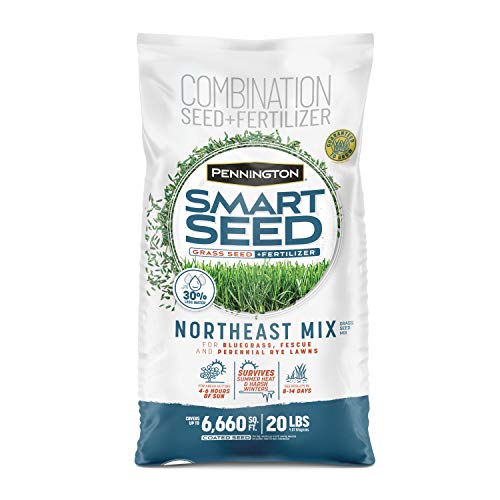
Pennington Smart Seed Northeast Mix – 20 lb

Scotts Grass Seed Drought Tolerant Mix – 4 lb

O.M. Scott & Sons Tall Fescue Blend – 8 lb
A Breakdown Of The Leading Choices
When a thunderstorm tears up a slope or the dog digs a canyon by the back fence, you want seed that sprouts before the next rain washes it away. Jonathan Green’s Fast Grow mix leans on annual ryegrasses blended with tall and fine fescues, hitting germination in roughly a week in the right soil temperature. For Tennessee yards, that speed matters more than long-term pedigree.
Think of it as a bandage rather than a cure. The annual rye component thrives for one season and fades, so you’ll need to overseed with a Black Beauty fescue behind it for a permanent stand. For emergency cover on bare patches, eroded ditches, or pre-listing curb work, this is the bag to grab.
Where It Excels
- Germinates in 7 to 10 days, faster than most fescue-only blends
- Handles full sun through medium shade, fitting mixed Tennessee exposures
- Produces a dark green color during its active season
- Works as a stop-gap while you plan a longer-term seeding strategy
- Spreads reliably across repaired patches without bare striping
Things To Consider
- Annual rye component fades after one season, so follow-up overseeding is required
- Not a stand-alone long-term solution for full-lawn renovation
Who It Suits Best
Homeowners dealing with small repair jobs, eroded spots, or quick curb-appeal fixes during the active growing window.
Consider Something Else When
You want a one-pass full-lawn solution, in which case the Jonathan Green Black Beauty Ultra covers ground more durably for a true renovation.
Mid-summer in Chattanooga regularly tops 95°F, and fescue lawns that aren’t built for the heat simply cook. This Black Beauty blend pairs tall fescue with Texas bluegrass, a cross designed to push the survival ceiling past 100°F. The seed coat also helps lock in moisture during establishment, which shortens the vulnerable window.
The 3-pound size suits smaller lots, side yards, or targeted overseeding. If you live in a sun-baked subdivision where neighbor fescue dies in August, this is one of the more forgiving cool-season options. Compared with the Fast Grow above, this is built for endurance rather than raw speed.
Notable Upsides
- Tolerates heat up to 100°F, useful in Tennessee lowland summers
- Waxy leaf coating reduces moisture loss between waterings
- Performs in full sun to light shade
- Smaller bag size is friendly for partial-lawn refresh projects
Points To Note
- Smaller bag requires multiple purchases for larger yards
- Texas bluegrass component can take longer to fully establish than pure fescue
- Drought resistance is comparative, not unlimited during extended dry spells
Made For
Homeowners with south-facing, low-elevation yards in Knoxville, Cleveland, or the Tennessee Valley where summer heat punishes ordinary fescue.
Look Elsewhere When
You need seed for a much larger property, since the 3-pound bag will not stretch across a half-acre without significant additional purchases.
When you’re tearing out a failed lawn and starting over, bag size and blend quality both matter. The 25-pound Black Beauty Ultra gives you a tall fescue-forward mix that establishes a deep green, dense turf across full-acre or sub-acre projects without running out of seed halfway through. The waxy leaf trait carries over from other Black Beauty lines, helping blades hold moisture through July and August.
For East Tennessee homeowners reseeding after a construction project, a clearing, or a thinning mature lawn, this is the big-bag option worth budgeting around. It pairs well with fall overseeding, the timing most of the region responds to, and it has the density to crowd out common weeds over time.
Useful Touches
- Designed for full new-lawn establishment and full-lawn overseeding
- Dark green color and dense canopy for a finished appearance
- 25-pound size covers substantial square footage per pass
- Cool-season fescue base well-matched to Tennessee’s shoulder seasons
Worth Noting
- Bulky bag requires proper storage if not used in a single project
- Establishment still takes longer than quick-fix ryegrass blends
Quick Facts
Right Fit For
Homeowners planning a complete reseed of a quarter-acre or larger yard in fall, when cool-season fescues establish best across the region.
Swap It Out When
You only need to patch a few small spots, since the smaller Jonathan Green Fast Grow is more cost-appropriate for surgical repairs.
When Bermudagrass goes straw-brown in December, the lawn looks dead until late April. Pennington’s annual ryegrass fills that gap with a bright green cool-season cover that germinates in as little as three days. Across East Tennessee, where Bermuda is common in lower elevations, this overseed strategy keeps the yard looking alive all winter without committing to a permanent rye lawn.
It’s also a useful “triage” seed for erosion control on freshly graded soil through the cool months, since the rye roots knit the topsoil together quickly. Just plan on it dying back when warm weather returns, since annual rye completes its life cycle by early summer.
Where It Delivers
- Sprouts in 3 to 7 days for fast cool-season color
- Bright green tone through winter dormancy of warm-season lawns
- Useful for erosion control on bare soil through winter
- Tolerates 6 to 8 hours of direct sun
Some Limits To Know
- Annual lifecycle means it dies back by early summer
- Not a permanent stand-alone lawn solution
Best Suited To
Homeowners with Bermudagrass or zoysia lawns who want green winter color and erosion protection during the cold months.
Skip It When
You want a permanent cool-season lawn, in which case a tall fescue blend like the Scotts Kentucky 31 or the O.M. Scott & Sons Tall Fescue Blend is a better long-term fit.
Centipede earns its nickname “the lazy man’s grass” for a reason. Once established, it asks for less fertilizer and fewer mowings than most warm-season alternatives, and it thrives in the acidic sandy soils found across the southern Cumberland Plateau and Sequatchie Valley. The Gulf Kist coated seed is one of the more accessible bagged centipede options, with a built-in protective coating to improve germination in less-than-ideal soil conditions.
The trade-off is patience. Centipede establishes slowly and won’t fill in a yard in a single season, so this is a multi-year lawn rather than a one-summer fix. For the right homeowner, the long-term savings on fertilizer and water can be substantial.
Real-World Strengths
- Low fertilizer and maintenance requirements once established
- Adapted to acidic, sandy southeastern soils
- Tolerates full sun and moderate shade
- Coated seed improves germination in challenging soil conditions
Potential Compromises
- Slow to establish, requiring patience across multiple seasons
- Small 1 lb bag covers limited square footage per pass
- Less cold-tolerant than fescue in higher-elevation Tennessee yards
Perfect Match For
Homeowners in lower-elevation, sandy-soil pockets of the southern Cumberland Plateau who want a low-input warm-season lawn they can establish gradually.
Reach For A Different Pick When
You live above 1,500 feet or in heavy clay, where a tall fescue like the O.M. Scott & Sons Tall Fescue Blend handles the climate more reliably.
If your backyard doubles as a soccer field or a dog run, Bermudagrass is hard to argue with. Pennington’s blend uses cold-tolerant improved varieties, which extends the usable range a bit further north than older Bermuda types. The aggressive self-spreading growth habit repairs divots and worn patches without much human intervention, and the deep root system keeps it green during dry stretches.
The honest read on Bermuda in East Tennessee is that it goes fully dormant and turns brown through the cooler months, which is why many homeowners overseed with annual rye (see the Pennington Annual Ryegrass above) for winter color. If you can live with that seasonal shift, Bermuda handles summer abuse better than almost anything else.
The Case For It
- Self-spreading growth repairs wear and bare spots
- Deep root system improves drought resilience
- Low-growing blend reduces mowing frequency
- Cold-tolerant varieties extend the growing zone slightly northward
A Few Limitations
- Dormant brown phase through winter in Tennessee
- Aggressive growth can invade flower beds if not edged
Key Product Details
Whose Shelf It Belongs On
Active households with full-sun yards in lower-elevation East Tennessee who need a lawn that recovers from daily wear without constant reseeding.
Where Another Pick Suits Better
You want a green lawn year-round without overseeding, in which case the Jonathan Green Black Beauty Heat & Drought Resistant Grass Seed stays green through the cold months.
Kentucky 31 is the fescue that built Appalachian lawns for decades, and for good reason. The Scotts mix layers in additional heat-tolerant varieties for a thicker, greener stand than straight K31 alone. Across the Cumberland Plateau and the higher elevations of East Tennessee, this is a familiar, dependable base for a cool-season lawn.
The texture is a touch coarser than modern turf-type fescues, which is worth knowing if you’re aiming for putting-green density. For a low-fuss lawn that handles clay soil and the occasional dry August, this mix is a sensible middle-of-the-road choice.
Notable Gains
- Built around the proven Kentucky 31 tall fescue base
- Includes additional heat-tolerant varieties for a fuller stand
- Lower-maintenance fescue option for typical residential use
- Adapts well to clay-heavy Tennessee soils
Honest Caveats
- Coarser blade texture than modern turf-type fescues
- Color is a lighter green than some newer cultivars
Built With In Mind
Homeowners in traditional Appalachian neighborhoods who want a familiar, durable tall fescue lawn without premium-tier pricing.
A Better Fit Elsewhere
You want a darker green, finer-bladed appearance, in which case the Pennington Smart Seed Northeast Mix delivers a more refined look out of the bag.
New seedings often stall because the starter fertilizer gets applied at the wrong rate or wrong time. Pennington’s Smart Seed Northeast Mix solves that by including a measured amount of fertilizer right in the bag, so the new grass gets what it needs during establishment without guesswork. The mix combines perennial ryegrass, Kentucky bluegrass, and tall fescue, giving you a multi-species lawn with both quick cover and long-term density.
This is a practical choice for mixed-sun Tennessee yards where the front lawn gets baked while the back sits in tree shade. Compared with the Kentucky 31 above, the Smart Seed delivers a darker color and finer texture, though it costs a bit more per pound.
Everyday Wins
- Built-in starter fertilizer takes the timing guesswork out of establishment
- Multi-species blend handles varied light conditions across a yard
- Survives summer heat and harsh winters in transition-zone climates
- 20 lb bag suits substantial overseeding or new-lawn projects
Practical Considerations
- Higher price per pound than single-species fescue bags
- Built-in fertilizer means you skip your normal starter application
Feature Snapshot
Who Should Grab It
Homeowners reseeding a mixed-sun yard in fall who want a one-bag solution that handles starter nutrition without a separate fertilizer purchase.
Not Your Match When
You already have a preferred starter fertilizer program, since the built-in nutrition would conflict with your planned application schedule.
Drought tolerance in grass comes down to root depth, and this Scotts mix leans on tall fescue and Kentucky bluegrass varieties bred for long roots that chase moisture deep in the soil profile. For sloped yards in places like Signal Mountain or the ridges outside Maryville, where runoff pulls water away before shallow roots can drink, that’s a meaningful structural advantage.
You can seed a new lawn or overseed an existing one with this mix, and the 99.99% weed-free seed claim helps reduce the volunteer grasses that often show up in cheap blends. The 4-pound size is a fair match for small-to-medium yards, and you may find the spring or fall seeding window gives the best establishment results.
A Strong Showing
- Deep-rooted varieties improve access to subsurface moisture
- Suitable for both new lawns and overseeding existing turf
- Listed as 99.99% weed-free seed
- Tolerates sun and partial shade conditions
Where It May Fall Short
- Smaller 4 lb bag limits coverage on larger properties
- Requires consistent moisture during the establishment phase
Feature Card
The Right Fit
Homeowners with sloped or well-drained yards in higher-elevation East Tennessee who need grass that chases deep moisture through dry stretches.
Another Choice May Suit
You need broader coverage on a flat suburban lot, where the larger 25-pound Jonathan Green Black Beauty Ultra is a more practical bag size.
O.M. Scott & Sons has been in the lawn business since the 1800s, and their current tall fescue blend reflects that lineage. The mix is built around modern fescue varieties with no added fillers, designed to handle the wide temperature swings that define East Tennessee’s shoulder seasons. The 8-pound bag strikes a useful middle ground for medium yards, larger overseeding jobs, or multi-zone reseeding projects.
This is a sensible alternative to the Kentucky 31 above if you want a slightly more modern, refined fescue without committing to a full Smart Seed or Black Beauty program. It also pairs well with the drought-tolerant approach for yards that see both dry spells and cold snaps.
Bright Spots
- Modern tall fescue variety blend for current performance traits
- Heritage brand with deep category experience
- 8 lb bag suits medium yards or multi-zone overseeding
- Natural ingredient emphasis with no added synthetic coatings
Smaller Caveats
- Mid-size bag may be undersized for full-acre reseeding
- Establishment rate falls between fast ryegrass and slower elite fescue
Who Will Love This
Homeowners with partially shaded foothill lawns who want a refined fescue blend from a heritage brand at a mid-tier size.
Where A Sibling Pick Shines
You want a more budget-friendly option for a single small repair, where the smaller Jonathan Green Fast Grow gets the job done for less.
What Matters Most Before Choosing Grasses For East Tennessee
Reading Your Microclimate First
East Tennessee compresses several climate zones into a small footprint. Knoxville sits around zone 7a, the higher Smoky Mountain communities reach 6a, and lower river valleys like Chattanooga settle into 7b. Soil shifts just as dramatically, from the heavy red clay common around Maryville to the sandy, acidic ground on parts of the Cumberland Plateau. Before picking seed, identify your hardiness zone and your actual soil texture. A tall fescue blend thrives in clay, while centipede prefers sandy and acidic.
Cool-Season vs Warm-Season Decisions
Tall fescue and Kentucky bluegrass dominate as cool-season choices, greening up early in spring and staying green through fall. Bermudagrass and centipede are warm-season, peaking in summer heat and going brown in winter. In much of East Tennessee, fescue remains the most versatile single choice. Homeowners wanting summer toughness on full-sun lots often blend in Bermuda or overseed rye in winter for year-round color.
Matching Seed To Sun And Traffic
Shade under oak canopies in older neighborhoods demands shade-tolerant fescue. Full-sun suburban lots with dogs and kids do better with Bermuda or wear-tolerant fescue blends. Slope and drainage matter too: deep-rooted drought mixes like the Scotts Drought Tolerant hold up better on inclines where water runs off before it soaks in.
Timing The Seeding Window
Fall seeding between mid-August and mid-October gives cool-season grasses the best establishment window in this region, with warm soil and cooling air temperatures. Spring seeding from mid-March through mid-May is a second option, though summer heat arrives fast and young grass struggles. Plan your purchase around the window you can actually use, and avoid mid-summer seeding unless you’re prepared to water twice daily.
Key Considerations Across These Picks
Common Shopping Slip Ups
The most common mistake is buying a generic “Southern” or “Northern” blend without checking the species list, since regional blends often include grasses that don’t suit your microclimate. Another frequent error is underestimating coverage. A 7-pound bag doesn’t cover a quarter acre at overseeding rates, and many homeowners end up buying twice. Finally, skipping a soil test before seeding leads to wasted seed on pH-locked ground that won’t support the grass you’ve bought.
What The Higher Tier Buys
Premium grass seed costs more for reasons that show up over years, not weeks. Higher-tier blends use named cultivars bred for disease resistance, deeper roots, finer texture, and darker color. The 99.99% weed-free seed claim on the Scotts Drought Tolerant mix, for example, means fewer volunteer grasses crowding out what you actually planted. A better genetics package also means less reseeding three years from now, which offsets the upfront cost for most long-term homeowners.
Frequently Asked Questions
When is the best time to seed a lawn in East Tennessee?
The fall window from mid-August through mid-October gives cool-season grasses the most reliable establishment, since soil stays warm while air temperatures cool. Spring seeding from mid-March through mid-May works as a second option, though young grass can struggle once July heat arrives.
Do I need to overseed Bermuda lawns for winter color?
Yes, Bermudagrass goes fully dormant and turns brown in East Tennessee winters, so most homeowners overseed with annual ryegrass in October for green coverage through the cold months. The rye dies back naturally as temperatures rise in late spring.
How much seed do I need for a typical East Tennessee yard?
Coverage depends on the seed type and whether you’re starting fresh or overseeding, but most 7 to 8-pound bags handle roughly 2,000 to 3,000 square feet at overseeding rates. A quarter-acre lawn usually needs multiple bags unless you buy a 20 or 25-pound option.
Is centipede grass a good choice for East Tennessee?
Centipede works in the warmer, lower-elevation pockets with sandy, acidic soil, particularly the southern Cumberland Plateau and parts of the Tennessee Valley. It struggles above 1,500 feet and in heavy clay, where tall fescue remains the safer pick.
Should I get a soil test before buying grass seed?
A soil test is genuinely worth the small cost, since pH and nutrient imbalances are common across the region and limit how well any seed performs. Testing once before seeding and once every few years afterward keeps the lawn foundation in good shape.
Closing Remarks
The right grass for your yard depends less on the brand on the bag and more on your elevation, soil, sun, and how you use the lawn. Tall fescue blends remain the workhorse for most of East Tennessee, while warm-season options fill specific niches in sun and traffic. Match the seed to your actual conditions, seed in the right window, and you’ll spend far less time redoing the work next year.
