

A full-sun yard sounds simple until the July heat rolls in and half your lawn turns tan. The right grass seed for full sun handles direct light, dry spells, and kids on the lawn without complaining. This roundup walks through ten solid options, from cool-season turf mixes to a towering ornamental that doubles as a privacy screen.
The Lineup, Simplified
The Lineup, Simplified

Jonathan Green Black Beauty Heavy Traffic Grass Seed 3 lb

Jonathan Green Black Beauty Sunny Grass Seed 1 lb

Jonathan Green Fast Grow Grass Seed 7 lb

Jonathan Green Black Beauty Heat & Drought Resistant Grass Seed 3 lb

Jonathan Green Blue Panther Bermudagrass Grass Seed 4 lb

Jonathan Green Black Beauty Ultra Grass Seed 7 lb

Pennington Annual Ryegrass 10 Lb

Scotts Turf Builder Grass Seed Sunny Mix 2.4 lb
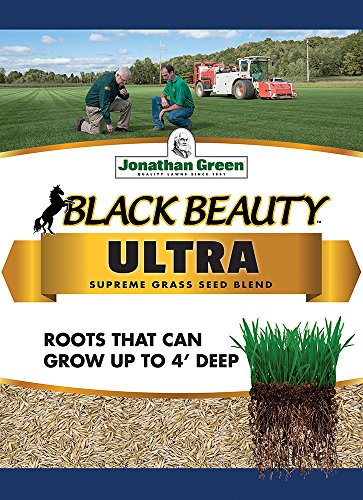
Jonathan Green 40322 Black Beauty Ultra Grass Seed 7 lb

Elephant Grass Seeds 100 Pack Ornamental
What Each Pick Brings To The Table
This cool-season mix leans on tall fescues and perennial rye, the two species known for shrugging off the punishment that comes from soccer games and dog sprints. Compared with the Black Beauty Sunny mix (pick 2), this one trades a little heat polish for raw wear tolerance, which matters more if your lawn doubles as a weekend field.
Homeowners with backyards that host a constant rotation of kids, pets, and neighborhood pickup games tend to land here. It’s a cool-season blend, so the deepest color shows in spring and fall, not always through a brutal August.
Notable Upsides
- Tall fescue and perennial rye base handles repeated foot traffic without thinning out.
- Produces a uniform turf texture that reads well across sports fields and wide backyards.
- Cool-season profile keeps growth active during shoulder seasons when warm-season grass goes dormant.
- Good fit for curb strips and side yards where lawnmower and foot wear pile up.
Worth Noting
- Commonly reported to slow down in midsummer heat, so a steady watering routine helps during July and August.
- 3 lb covers a smaller area than the Ultra bag, so larger yards may need multiple bags or a bigger option.
Who It Suits Best
Homeowners in cooler zones who want a tough lawn for kids, pets, and weekend sports.
Where Another Pick Suits Better
Gardeners in hot southern climates get better results from Jonathan Green Black Beauty Heat & Drought Resistant Grass Seed 3 lb, which is built for higher temperatures.
The mix pairs perennial rye, Kentucky bluegrass, and tall fescue for a lawn that takes direct sun without burning out. A waxy leaf coating, similar to the skin of an apple, helps each blade hold moisture longer between waterings. That makes the Sunny blend a useful step up from the Heavy Traffic pick when sun exposure outweighs raw wear.
The 1 lb bag makes the most sense for patching small sunny spots, not rebuilding a full yard. Larger projects may require several bags, since coverage is limited compared to a 7 lb option.
Points In Its Favor
- Waxy leaf coating limits evaporation, which is a real benefit during dry stretches.
- Three-species blend delivers a denser look than a single-variety mix.
- Tolerates light shade, so partial sun areas still fill in well.
Trade Offs
- Small bag size means it works best for touch-up work, not full reseeding.
- Establishment speed depends on consistent moisture in the first few weeks, a common challenge in dry climates.
Key Product Details
Made For
Homeowners patching sunny spots in a cool-to-moderate climate lawn.
Consider Something Else When
Anyone seeding a full-size lawn will find Jonathan Green 40322 Black Beauty Ultra Grass Seed 7 lb a more practical coverage choice.
Fast Grow is a temporary lawn built on annual ryegrass with tall and fine fescue support, and it germinates in roughly 7 to 10 days. The whole point is speed, so it shines when a wedding is in the backyard or a dog has torn up half the lawn. Think of it as a fast patch rather than a forever lawn.
Best for filling trouble spots or establishing quick cover in new builds. It’s a one-season solution, and you’ll want to overseed with a longer-lasting Black Beauty mix afterward for durability.
A Strong Showing
- Germinates in 7 to 10 days, which feels fast compared to most cool-season blends.
- Handles both full sun and medium shade without losing density.
- Produces a dark green color that looks polished while it’s at peak.
- Works as a stopgap while a slower, more permanent blend establishes.
Points To Note
- Annual ryegrass naturally dies back after one season, so this is a temporary cover, not a permanent lawn.
- Plan on overseeding with a Black Beauty Ultra mix the following season for long-term results.
Best Suited To
Homeowners needing fast cover in problem spots or a quick lawn for a new property.
Not Your Match When
Shoppers wanting a multi-year lawn in one pass should reach for Jonathan Green 40322 Black Beauty Ultra Grass Seed 7 lb instead.
Tall fescue paired with Texas bluegrass gives this blend a real shot at surviving summer temperatures up around 100°F. The same waxy leaf coating found on the Sunny mix shows up here, and it works hard to hold moisture in during peak heat. Compared with the standard Black Beauty Ultra (pick 6), this leans further into climate extremes.
Useful for southern lawns that get fried by the afternoon sun each year. Texas bluegrass is a heat-tolerant relative of Kentucky bluegrass, which gives the blend more summer stamina than a traditional fescue-only mix.
The Helpful Details
- Heat tolerance rated for conditions up to 100°F, which is unusual for a cool-season mix.
- Tall fescue plus Texas bluegrass delivers a darker green blade than a single-species fescue blend.
- Waxy leaf coating reduces moisture loss during dry spells.
Honest Caveats
- Still a cool-season blend at heart, so it slows down during the hottest weeks, even with the heat-tolerant design.
- Establishment can be slower than a ryegrass-heavy mix, so plan on steady watering for the first few weeks.
Feature Snapshot
Right Fit For
Transition-zone and southern homeowners who want a cool-season look with extra heat endurance.
Swap It Out When
Gardeners in true southern heat should consider Jonathan Green Blue Panther Bermudagrass Grass Seed 4 lb, a warm-season option built for those climates.
Bermudagrass is a warm-season species, so it goes into active growth when soil temperatures climb in late spring. Blue Panther is built to reduce the need for winter overseeding compared to traditional Bermudagrass, and it spreads aggressively through both vertical and lateral roots. That’s a real advantage on bare or compacted southern yards.
Best for full sun in southern states, where cool-season blends would simply give up. It browns out in winter like other warm-season grasses, so plan for that seasonal shift.
Strong Points
- Strong vertical and lateral rooting helps it establish quickly on tough southern soils.
- Aggressive growth habit fills in damaged spots without constant reseeding.
- Reduced need for winter overseeding compared to older Bermudagrass varieties.
- Handles foot traffic well once established, which suits active yards.
Worth Bearing In Mind
- Goes dormant and browns out in winter, so year-round green color takes overseeding or accepting the seasonal shift.
- Not suited to shaded areas, since it depends on full sun for dense growth.
Quick Facts
Who Should Grab It
Southern homeowners who want a tough, full-sun warm-season lawn and accept winter dormancy.
Skip It When
Northern gardeners need a cool-season option like Jonathan Green Black Beauty Ultra Grass Seed 7 lb for their shorter, cooler growing season.
Black Beauty Ultra combines tall fescues, Kentucky bluegrass, and perennial ryegrass in a single bag, which gives it a versatile middle-of-the-road profile. The mix germinates quickly and fills in both new lawns and bare patches. It’s the option most people reach for when they want one bag that handles several lawn conditions.
A solid fit for cool-season zones where the yard gets a mix of sun and partial shade. The dark green color reads well even before you’ve put in months of care.
Benefits That Matter
- Three-species diversity supports both quick cover and long-term durability.
- Works for new lawn establishment and patch repair without buying two products.
- Produces a deep, dark green color that holds up through the growing season.
- 7 lb bag covers a meaningful area for a mid-size yard.
Potential Drawbacks
- Not specifically tuned for high-heat southern climates, where the Heat & Drought blend (pick 4) performs better.
- Larger initial bag means a higher upfront spend, even if the per-pound cost looks reasonable.
Perfect Match For
Homeowners seeding a full new cool-season lawn in moderate climates.
Another Choice May Suit
Homeowners with smaller patch jobs may find Jonathan Green Black Beauty Sunny Grass Seed 1 lb more size-appropriate.
Annual ryegrass is a different kind of tool. Pennington’s 10 lb bag germinates in 3 to 7 days and is sized for overseeding southern lawns through winter, or for giving a thin northern lawn a quick color boost during shoulder seasons. It’s not the same category as a permanent turf blend, and the pick list reflects that.
Best for homeowners who want green coverage during the months their main lawn goes dormant. Northern users sometimes rely on it as a temporary fill while a permanent mix establishes.
Everyday Perks
- Visible green coverage in as little as 3 days, much faster than most cool-season blends.
- Useful for overseeding warm-season lawns that brown out in winter.
- 10 lb bag covers a meaningful area, so the per-application cost stays reasonable.
Some Limits To Know
- Annual ryegrass dies off after one season, so this is seasonal coverage rather than a long-term lawn solution.
- Coarse texture compared to perennial rye or bluegrass, which can read rough in a fine-bladed lawn.
Product Snapshot
Whose Shelf It Belongs On
Southern homeowners looking to keep a green lawn through winter, or anyone needing fast temporary cover.
Look Elsewhere When
Shoppers wanting a permanent lawn for years to come should pick Jonathan Green 40322 Black Beauty Ultra Grass Seed 7 lb instead.
Scotts redesigned this mix for direct sun, and the formula includes Root-Building Nutrition, a blend of ingredients meant to push deeper root development. The aim is thicker turf from the ground up, which matters in a sunny yard where shallow roots dry out first. Compared with the Black Beauty options above, Scotts leans into a more packaged, beginner-friendly approach.
Best for first-time seeders who want clear instructions and a forgiving mix. The 2.4 lb bag is sized for small to mid-size patch jobs, not full reseeding on a half-acre.
Bright Spots
- Root-Building Nutrition supports deeper roots, which improves drought resistance over time.
- Designed for full sun with light shade tolerance, covering most open-yard scenarios.
- Mid-range drought tolerance once established, with routine watering.
Where It May Fall Short
- 2.4 lb bag is on the smaller side for any large reseeding project.
- Brand-name convenience sometimes comes at a higher per-pound cost than competitor blends.
Built With In Mind
First-time lawn owners who want a clear, full-sun product with brand-name guidance.
Reach For A Different Pick When
Anyone covering a larger lawn will find Jonathan Green 40322 Black Beauty Ultra Grass Seed 7 lb a better value per square foot.
This 7 lb bag of Black Beauty Ultra covers around 2,800 square feet, which makes it one of the most practical choices for an overseeding project on a mid-size lawn. The same tall fescue, Kentucky bluegrass, and perennial rye blend shows up here, plus the waxy leaf coating that helps the lawn hold moisture between waterings. Compared with the standard 7 lb Black Beauty Ultra (pick 6), this version emphasizes coverage area and pest resistance.
A sensible pick for overseeding an established lawn that has thinned over time. It’s also useful for new lawns where coverage area matters more than brand-name convenience.
Real-World Strengths
- Covers up to 2,800 square feet, which is a meaningful swath for a single bag.
- Three-species diversity (fescue, bluegrass, rye) supports both durability and color.
- Waxy leaf coating preserves moisture through dry spells.
- Commonly reported to show some natural insect resistance in the blend.
Possible Compromises
- Still a cool-season mix, so growth slows during midsummer heat in the hottest zones.
- Establishment speed depends on consistent watering, which can be a chore in dry summers.
Technical Highlights
Who Will Love This
Homeowners with mid-size cool-season lawns who want generous coverage from a single bag.
A Better Fit Elsewhere
Gardeners in deep-southern heat should swap to Jonathan Green Blue Panther Bermudagrass Grass Seed 4 lb for true warm-season performance.
Elephant grass is a different beast from the lawn blends above. It’s an ornamental perennial (a plant that returns year after year) that can grow up to 15 feet tall, and it thrives on 6 to 8 hours of direct sun. The 100-pack gives you enough seed to start a privacy screen, windbreak, or erosion-control planting in a sunny spot.
Useful for gardeners who want a tall, fast-growing screen in the warm-season months. It’s not a turf grass and won’t stand up to foot traffic, so plan placement away from play areas.
A Few Strong Suits
- Grows up to 15 feet tall, which delivers genuine privacy in a single season.
- Heat-tolerant and well-suited to full-sun sites with 6 to 8 hours of direct light.
- Adapts to a wide range of soil types once established, which simplifies site prep.
- 100 seeds per pack gives you room to experiment with spacing and density.
What To Weigh
- Not a turf grass, so it can’t replace lawn seed in any mowed area.
- Needs warm-season growth conditions and may struggle in cooler northern zones.
The Right Fit
Gardeners looking for a tall ornamental screen or windbreak rather than a traditional lawn.
Where A Sibling Pick Shines
Anyone wanting a mowable lawn should go back to Jonathan Green Black Beauty Ultra Grass Seed 7 lb for a classic turf finish.
Picking The Right Full-Sun Grass For Your Yard
A sun-soaked yard sets the rules for what grass will thrive. Start with your climate zone, since cool-season and warm-season blends handle heat in very different ways, and most frustration comes from planting the wrong type for the region. Soil type matters too: sandy lots dry out faster and reward drought-tolerant blends with that waxy leaf coating, while clay-heavy yards benefit from deeper-rooted species.
Think honestly about how the lawn gets used. A backyard hosting weekly soccer games needs the wear tolerance of a tall fescue or perennial rye mix, while a quiet front yard can lean on finer bluegrass blends for a softer look. Sun exposure throughout the day also matters, since a few hours of afternoon shade shifts the choice toward more flexible mixes.
Reading Seed Mix Labels
Most bags list the species inside, and reading those names tells you a lot. Tall fescue brings drought tolerance and deep roots. Kentucky bluegrass spreads through rhizomes (underground stems that send up new shoots) and self-repairs, but it needs more water. Perennial rye germinates fast and handles foot traffic well. Annual rye is a temporary cover, not a permanent lawn. The ratio on the bag is the real story, since a 90% fescue blend behaves very differently from a 50/50 fescue-rye split.
Climate And Region Considerations
Northern and transition-zone gardeners usually do best with cool-season blends like Black Beauty Ultra or the Heavy Traffic mix, while southern yards lean warm-season with Bermudagrass taking the lead. The Heat & Drought Resistant blend fills a useful middle ground for transition zones that swing between extremes.
Sun, Water, And Soil Reality Check
Full sun means at least 6 hours of direct light, and most of these blends want that or more. Watering habits shape the choice too, since drought-tolerant mixes with waxy coatings forgive missed sessions better than bluegrass-heavy blends. Soil prep, including loosening the top layer and adding compost, often matters more than the seed you pick.
Key Considerations Across These Picks
Wrong Turns To Avoid
The most common slip is buying a cool-season blend for a southern yard, then wondering why it thins out every July. Match the seed type to your climate zone first, and treat the brand name as secondary. Another trap is overseeding at the wrong time of year, since cool-season blends establish best in fall or early spring while warm-season blends prefer late spring soil warmth.
When Paying More Pays Off
Higher-tier bags usually cost more because they include more species, better coatings, and longer-lasting genetics. The Heat & Drought Resistant blend earns its premium in transition-zone heat, and Bermudagrass pays off in southern yards where cheap fescue mixes simply fail. The upgrade is worth it when the cheaper bag would mean reseeding within a season or two.
Frequently Asked Questions
How long does full-sun grass seed take to germinate?
Most cool-season blends germinate in 7 to 21 days, while annual ryegrass can sprout in 3 to 7 days. Warm-season Bermudagrass typically needs 10 to 30 days, depending on soil temperature.
Can I plant these seeds in summer?
Cool-season blends establish best in fall or early spring, since summer heat stresses young seedlings. Warm-season Bermudagrass prefers late spring through early summer when soil temperatures are reliably warm.
How often should I water new grass seed?
Light watering once or twice daily keeps the top inch of soil moist until germination, then gradually shift to deeper, less frequent watering as the lawn establishes.
Will these grasses grow in sandy or clay soil?
Tall fescue and Bermudagrass adapt well to sandy soils, while Kentucky bluegrass prefers loam. Clay soils benefit from added organic matter before seeding to improve drainage and root penetration.
How much sun does “full sun” actually mean?
Most grass seed labeled for full sun needs at least 6 hours of direct light daily. Anything less, and you’ll see thinning or slow growth over the season.
Closing Remarks
The right grass seed turns a sunny yard from a constant struggle into a low-maintenance asset. Match the blend to your climate, your soil, and how you actually use the lawn, and the rest of the season takes care of itself. Pick the bag that fits your real situation, and trust the species on the label to do the work.
