

A brown, crispy lawn by midsummer is a familiar sight when temperatures climb and rainfall is scarce. Choosing grasses built for heat and drought turns that pattern around, and the right seed or turf keeps your yard looking alive well into the dog days. This roundup covers ten realistic options for hot, dry climates, from cool-season blends with waxy leaves to warm-season Bermudagrass and a synthetic patch for tricky spots.
Your Options, Compared

Jonathan Green Black Beauty Sunny Grass Seed 1 lb

Jonathan Green Black Beauty Heat & Drought Resistant Grass Seed 3 lb

Jonathan Green Blue Panther Southern Lawn Grass Seed 3 lb

Jonathan Green Blue Panther Bermudagrass Grass Seed 1 lb

Jonathan Green Black Beauty Ultra Grass Seed 25 lb

Scotts Turf Builder Rapid Grass Bermudagrass 1 lb
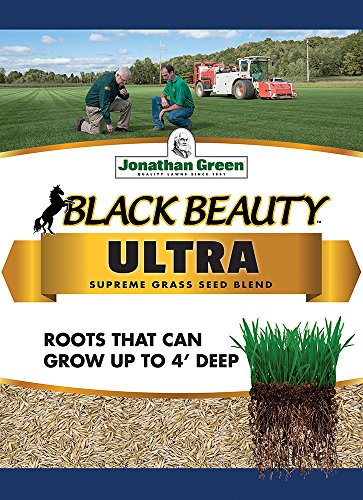
Jonathan Green 40322 Black Beauty Ultra Grass Seed 7 lb

Pennington Bermudagrass Grass Seed 5 lb

Petgrow Realistic Artificial Grass Turf 5FT x 10FT
Outsidepride SPF-30 Hybrid Bluegrass Seeds 5 lbs
Why These Options Stand Out
Picture a north-facing lawn that bakes under afternoon sun most of the summer, and this small bag starts to make sense. Jonathan Green’s Black Beauty Sunny mix is a cool-season blend built from perennial rye, Kentucky bluegrass, and tall fescue, with each variety chosen for its ability to handle heat. The 1 lb pouch is sized for spot repairs rather than full-yard overseeding, so it works as a low-commitment fix for patches that struggle.
Owners who deal with thin, scorched areas along driveways and fence lines will find this a sensible patch-up product. It also serves as a useful trial run before committing to a larger bag from the same line.
Noteworthy Benefits
- Three cool-season species in one bag give you a hedge against weather swings
- Waxy leaf coating helps leaves hold moisture longer between waterings
- Compact 1 lb size is easy to store in a garage through the off-season
- Tolerates lightly shaded corners better than pure sun mixes
Trade Offs
- One pound covers a small area, so a full lawn will need several bags
- Cool-season roots still slow down in extreme heat, so deep watering helps in July and August
Made For
Homeowners with a sunny lawn in the north or transition zone who need to patch small worn areas without buying a large bag.
Skip It When
You are seeding an entire yard, where the Jonathan Green Black Beauty Heat & Drought Resistant Grass Seed 3 lb offers far better coverage per dollar.
The bigger sibling of the 1 lb pouch, this 3 lb bag is built for full sun and serious summer heat. Jonathan Green blends tall fescue with Texas bluegrass, a warm-leaning bluegrass that keeps its color when temperatures climb toward 100°F. The 3 lb size hits a sweet spot for medium lawns, and the same waxy leaf technology shows up here to slow moisture loss.
For most backyards, the move from perennial rye to Texas bluegrass is the meaningful change. You trade some spring green-up speed for far better midsummer stamina.
A Few Strong Suits
- Engineered to hold color in extreme heat, not just survive it
- Texas bluegrass component extends the range into warmer zones
- Waxy leaf coating reduces how often you need to drag the sprinkler out
- Mid-size bag suits the typical suburban lot without leftovers
Worth Noting
- Establishment takes longer than rye-heavy blends, so patience is part of the deal
- Still a cool-season base, so winter dormancy leaves it pale in colder months
Right Fit For
Northern and transition-zone homeowners who want a real cool-season lawn that stays green through hot Julys.
Consider Something Else When
You live in the deep South, where the Jonathan Green Blue Panther Southern Lawn Grass Seed 3 lb is tuned for the heat more honestly.
Move south of the transition zone and the lawn rules change, which is exactly what this bag is designed for. Jonathan Green Blue Panther Southern combines Bermudagrass (a warm-season species that loves prolonged heat), Texas bluegrass, and tall fescue. The result is a mix that rides out long summers and still handles the cool snaps that catch pure Bermuda off guard.
Compared with the all-fescue Black Beauty picks above, this one feels more honest about southern summers. The Bermudagrass component does the heavy lifting in July, while the fescue keeps some green in shoulder seasons.
The Value In It
- Three-species mix copes with both heat waves and cool snaps
- Bermudagrass drives deep roots that find water further down
- Targets transitional climates where a single species often struggles
- Same waxy leaf technology as the Black Beauty line
Points To Note
- Bermudagrass goes dormant and browns out below about 50°F
- Aggressive Bermuda growth means more frequent mowing in peak summer
Best Suited To
Homeowners in the Southeast or transition zone who want a lawn that takes the long, humid summer in stride.
Look Elsewhere When
You want a pure southern Bermuda lawn with no fescue, in which case the Jonathan Green Blue Panther Bermudagrass Grass Seed 1 lb is the cleaner pick.
When the goal is straight Bermudagrass without filler, this 1 lb bag is the focused choice. The Blue Panther Bermudagrass variety is bred for southern lawns and is described as needing less winter overseeding than traditional Bermudagrass, which is a quiet but meaningful benefit. Strong vertical and lateral rooting helps the lawn knit together fast and stand up to foot traffic.
This is a single-species bag, so it behaves predictably. The trade-off versus the 3 lb Southern mix above is that you lose the cool-season safety net, but you gain a more uniform look.
Features That Help
- Pure Bermudagrass delivers the classic dense southern lawn look
- Aggressive vertical and lateral rooting speeds up fill-in
- Reduced winter overseeding requirement compared to standard Bermuda
- Durable turf that handles active family use
Honest Caveats
- Goes fully dormant and turns straw-colored in winter
- Small 1 lb bag means larger lawns need multiple units
Who Should Grab It
Southern homeowners who want a true warm-season lawn and accept the winter brown period as part of the deal.
A Better Fit Elsewhere
You live in a transition zone with real winter cold, where the Jonathan Green Blue Panther Southern Lawn Grass Seed 3 lb keeps more color year-round.
Big yards demand big bags, and the 25 lb Black Beauty Ultra is the bulk option in the Jonathan Green lineup. The Ultra blend combines tall fescues, Kentucky bluegrass, and perennial ryegrass for a dark green, dense turf that germinates quickly and fills in bare patches. For an open, full-sun property that needs a complete reseed, this is the realistic size.
Heavier bags like this also tend to stretch your seed dollar per pound, so the per-square-foot math often works out in your favor on anything over a quarter acre.
What It Does Well
- Covers large sunny properties without forcing multiple smaller purchases
- Quick germination helps close the window for weed invasion
- Multi-species blend adapts to varied sun and soil across one yard
- Dark green color gives a finished look earlier than lighter blends
Some Limits To Know
- 25 lb is a lot to move and store, so a dry spot matters
- Still a cool-season base, so southern summers will push it harder than a Bermuda mix
- Spreading this volume evenly takes a push spreader for the best result
Perfect Match For
Owners of larger sunny lots in cooler or transition zones who want one bag to handle a full reseeding.
Reach For A Different Pick When
You are south of the transition line, where the Jonathan Green Blue Panther Southern Lawn Grass Seed 3 lb is engineered for the climate.
Scotts takes a different angle with this Bermudagrass product, pairing seed with fertilizer in one bag so you skip the separate feeding step. The mix is designed to grow faster than seed alone at the new-lawn rate, which is a real time-saver when you are staring at a bare patch in June. Using a Scotts spreader is the cleanest way to apply it, since the product is calibrated for that flow.
Compared with the Jonathan Green Bermuda pick, the trade-off is dependency on a single brand ecosystem. The upside is fewer passes across the yard.
Where It Delivers
- Combined seed and starter fertilizer cuts a step from the project
- Faster establishment than plain Bermuda seed in many setups
- Built for tough southern conditions where quick cover matters
- Plays well with Scotts spreaders for even coverage
Practical Considerations
- Using a non-Scotts spreader may need calibration to get the rate right
- Only 1 lb, so larger projects need several bags
- Like all Bermudagrass, it browns out in winter dormancy
Who Will Love This
Southern homeowners with small to medium patch jobs who already own a Scotts spreader and want a quick turnaround.
Not Your Match When
You prefer a pure seed without built-in fertilizer, in which case the Pennington Bermudagrass Grass Seed 5 lb is a straightforward alternative.
The 7 lb Black Beauty Ultra bag targets a coverage of roughly 2,800 square feet, which lines up with a typical suburban lot. The same Ultra formula applies: tall fescues, elite Kentucky bluegrass, and perennial ryegrass working together, with the waxy leaf coating that defines the Black Beauty line. That coating helps the lawn hold moisture through dry stretches.
This middle size bridges the gap between patch repair and full-yard reseeding. Owners of mid-size lots often find 7 lb the most practical size because it leaves less waste.
A Strong Showing
- Around 2,800 sq ft coverage matches an average suburban yard
- Multi-species blend handles sun, light shade, and varied soil
- Waxy leaf coating reduces watering frequency in dry spells
- Quick germination helps establish before peak summer heat
Less Ideal Details
- Still a cool-season base, so very southern climates will see summer stress
- 7 lb can be awkward to lift; a wheelbarrow helps at the store
Key Product Details
Built With In Mind
Homeowners with a standard suburban yard in a cooler or transition-zone climate who want one bag to do the job.
Where Another Pick Suits Better
You are stocking up for a large property, where the Jonathan Green Black Beauty Ultra Grass Seed 25 lb saves a return trip.
Pennington’s Bermuda offering leans into toughness, with improved cold-tolerant varieties wrapped around a deep-rooted, wear-resistant core. The blend is also described as low-growing, which translates to fewer clippings piling up in the mower bag during peak growth. For yards that see dogs, kids, or regular weekend football, the wear rating is the headline feature.
Compared with the Jonathan Green Bermuda pick above, Pennington’s bag is bigger and emphasizes cold tolerance. That makes it more useful in upper-South lawns where occasional cold snaps catch pure Bermuda off guard.
The Upside
- Deep root system helps the lawn reach moisture further down
- Wear-resistant turf handles active family use
- Improved cold-tolerant varieties extend the useful range north
- Low-growing habit reduces how often you need to mow
Where It May Fall Short
- Still goes dormant and browns out in winter
- 5 lb covers a meaningful area, so a small patch job wastes seed
- Bermuda spreads aggressively into flower beds if you do not edge
Whose Shelf It Belongs On
Southern or transition-zone households with active yards that need a tough, drought-friendly turf without the high-maintenance look.
Swap It Out When
You want a seed-plus-fertilizer combo for a small repair, where Scotts Turf Builder Rapid Grass Bermudagrass 1 lb is the more focused option.
Some climates are simply too dry to keep real grass looking good year-round, and that is where Petgrow’s synthetic turf comes in. This 5 ft by 10 ft panel stands about 1.38 inches tall, with a four-tone color blend and a thatch layer designed to mimic the look of real grass. The polyethylene construction is meant for both indoor and outdoor projects.
You give up the living ecosystem of a real lawn, but you also give up the watering, mowing, and reseeding. For a small accent strip, a dog run, or a patio that needs a green floor, this is a practical patch rather than a yard replacement.
What Helps Most
- Zero water, zero fertilizer, zero mowing
- Four-tone color blend looks closer to real grass than flat single-tone turf
- Polyethylene build tolerates sun exposure in dry climates
- 50 sq ft panel fits a small defined space without leftover waste
Things To Weigh
- Synthetic turf can heat up in direct summer sun, so a shaded spot is gentler
- Periodic rinsing is needed to clear dust and pet dander
- Limited size means a full yard would need many panels or a custom quote
Who Should Grab It
Homeowners who want a green accent that survives any drought, especially in shaded patios or pet-friendly zones.
Another Choice May Suit
You want a real, living lawn for the whole yard, in which case the Jonathan Green Black Beauty Ultra Grass Seed 25 lb is the right starting point.
Outsidepride takes a hybrid approach with the SPF-30 mix, crossing Texas bluegrass with Kentucky bluegrass to create a strain that handles southern summers while keeping the classic bluegrass look. The OptiGrowth coating helps with establishment, which is often the make-or-break phase for bluegrass. The result is a low-maintenance lawn that needs less water and mowing than standard bluegrass in similar climates.
For southern and transition-zone lawns, the self-repairing habit of the hybrid is the quiet win. You will not chase bare spots the way you would with a single-species bluegrass.
What Works In Its Favor
- Hybrid bluegrass stays greener through southern summers than classic Kentucky
- Self-repairing growth closes small gaps without reseeding
- OptiGrowth coating improves germination in tougher soils
- Lower water and mowing needs compared to standard bluegrass
Potential Compromises
- 5 lb bag is meaningful inventory, so storage matters through the off-season
- Bluegrass still needs more water than Bermuda in extreme heat
- Establishment is slower than ryegrass-based mixes
Best Suited To
Southern homeowners and lawn contractors who want a true bluegrass lawn without giving up summer color or spending hours on upkeep.
Not Your Match When
You prefer the classic Bermuda lawn, in which case the Pennington Bermudagrass Grass Seed 5 lb is a more traditional pick.
What Matters Most When Choosing Grasses For Hot Dry Climate
Match The Grass Type To Your Region
The single biggest decision is whether you want a warm-season or cool-season lawn. Warm-season grasses like Bermudagrass thrive when soil temperatures are high and go dormant in winter, while cool-season grasses like fescue and Kentucky bluegrass keep growing through mild summers but struggle in extended heat. Your USDA hardiness zone and your tolerance for winter dormancy are the two practical filters.
Look For Drought-Tolerant Traits, Not Just Names
The label “drought tolerant” means different things across bags. Genuine drought traits include deep root systems, waxy leaf coatings that slow evaporation, and improved varieties bred from parents that survived heat trials. A blend that lists specific species and traits, like a waxy coating or a deep root claim, usually outperforms a generic “sun and shade” bag in dry conditions.
Weigh Maintenance Against Appearance
Some drought-friendly lawns look like a golf course but need regular feeding and mowing. Others look a little coarser but handle neglect. Be honest about the time you will spend on the lawn each week, and pick a species whose growth habit matches. Low-growing blends produce fewer clippings, while aggressive spreaders self-repair but invade flower beds faster.
Pick A Bag Size That Matches The Yard
A 1 lb pouch works for patching, while a 25 lb bag fits a full reseed on a quarter acre or more. Buying too small means multiple trips and packaging waste. Buying too large means leftover seed that you need to store cool and dry through the next season. Measure your lawn and check the bag’s coverage before you commit.
Key Considerations Across These Picks
Where Shoppers Go Wrong
The most common mistake is buying a cool-season bag for a southern yard, then wondering why it thins out by August. A close second is skipping soil prep: even the best heat-tolerant seed struggles in compacted, nutrient-poor ground. Always match the species to your climate first, then invest in good seed-to-soil contact, watering during germination, and a realistic first-season expectation.
Where The Extra Money Goes
Higher-tier grass seed usually pays for improved varieties, coatings that boost germination, and species diversity within the bag. That extra cost often shows up as faster establishment, deeper roots, and a lawn that needs less water in year two. The upgrade pays off most on larger lawns, where a stronger start saves on reseeding later, and in southern climates where every bit of heat tolerance matters.
Frequently Asked Questions
What Type Of Grass Stays Green In Extreme Heat?
Warm-season grasses like Bermudagrass are the most reliable choice for extreme heat, because they actively grow when soil temperatures climb. Improved hybrids such as Texas bluegrass and Outsidepride’s SPF-30 also hold color in hot summers while keeping a cool-season look. For most southern and transition-zone lawns, these options outperform classic Kentucky bluegrass once daytime temperatures stay above 90°F.
How Often Should You Water New Grass Seed In Hot Weather?
New grass seed needs light, frequent watering to keep the top inch of soil moist, usually two to four short sessions per day until germination. Once blades reach mowing height, shift to deeper, less frequent watering to push roots downward. In peak summer, early morning watering reduces evaporation and helps the lawn survive the hottest part of the day.
Can You Plant Grass Seed In Summer?
You can plant in summer, especially warm-season grasses like Bermudagrass, but the heat adds stress to young seedlings. Plan on more frequent watering and accept that germination may slow. Fall seeding is usually safer for cool-season blends, while late spring through early summer is the natural window for Bermuda and other warm-season options.
How Long Does It Take For Drought-Tolerant Grass To Establish?
Most drought-tolerant blends germinate within 7 to 21 days, depending on species and soil temperature, with full establishment taking a full growing season. Bermudagrass can fill in aggressively within a few months, while bluegrass and fescue blends often need one to two seasons to reach mature density. Patience in year one usually pays off with a tougher lawn in year two.
Is Artificial Grass A Good Option For Hot Climates?
Artificial turf works well in hot, dry climates for small defined areas like pet runs, patios, and accent strips, especially where watering is restricted. The main trade-off is surface temperature, since synthetic turf can heat up under direct sun. Choosing lighter-colored turf, adding shade, or selecting a pet-friendly infill can help manage that heat for everyday use.
Final Verdict
The right grass for a hot, dry yard comes down to your region, your soil, and how much time you want to spend on upkeep. Cool-season blends with waxy leaves and Texas bluegrass components handle northern and transition-zone heat well, while Bermudagrass and hybrid bluegrass own the deep South. For spots where real grass simply will not grow, a synthetic patch keeps the look without the water bill. Match the species to your climate, prep the soil honestly, and the rest follows.
