

Indiana lawns live in a peculiar climate pocket. Hot, humid summers push into the 90s, while winters dip well below freezing, leaving only a narrow band of grass species that handle both ends of the year. Picking the right seed means matching the state’s USDA hardiness zones, mainly 5b through 6b, to a cool-season blend that can take summer stress without going dormant at the first dry spell. The list below sorts through ten options that actually suit Hoosier conditions, from versatile tall fescue mixes to specialty blends for stubborn shaded corners and high-traffic family yards. Each pick comes with a clear read on who it suits and where another option on the list might serve you better.
The Essentials At A Glance

Jonathan Green Black Beauty Sun & Shade Grass Seed (7 lb)

Jonathan Green Black Beauty Heavy Traffic Grass Seed (3 lb)

Jonathan Green Black Beauty Dense Shade Grass Seed (1 lb)

Jonathan Green Black Beauty Heat & Drought Resistant Grass Seed (3 lb)

Jonathan Green Black Beauty Rocky Mountain Grass Seed Mix (7 lb)

Pennington Annual Ryegrass Grass Seed (10 lb)
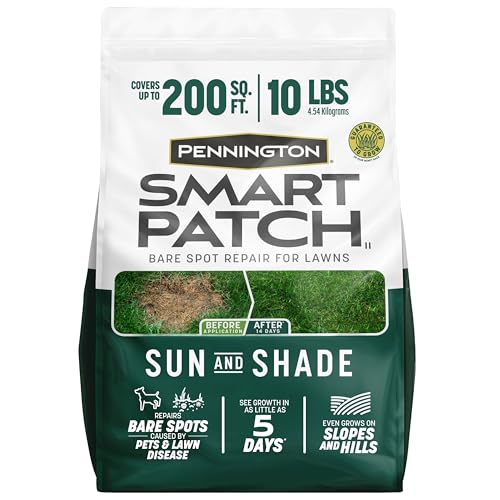
Pennington Smart Patch Sun & Shade Repair Mix (10 lb)

Pennington Bermudagrass Grass Seed (5 lb)

Petgrow Realistic Artificial Grass Turf (5ft x 10ft)

Outsidepride Legacy Fine Fescue Grass Seed Mix (10 lb)
What Each Pick Brings To The Table
Most Indiana lawns rarely get uniform light. Mature maples shade the front, the back opens up to full afternoon sun, and that mix is exactly where this Jonathan Green entry earns its keep. The Sun & Shade mix handles both ends without forcing you to pick separate bags for different zones, which is the headache most first-time seeders hit by midsummer.
For typical suburban lots in Indianapolis, Fort Wayne, or Evansville, the formula’s flexibility covers roughly 2,800 square feet of overseeding per 7-pound bag. It also thickens tired lawns rather than just patching them, which matters in clay-heavy central Indiana soils where bare spots creep back fast.
The Practical Payoff
- One bag covers mixed-light lawns, removing the need to buy separate sun and shade products
- Builds density over time, so thinning patches fill in rather than staying as visible weak spots
- Works for both new seeding and overseeding existing turf, depending on what your yard actually needs
- Dark green color holds through the growing season in most central Indiana conditions
Worth Noting
- Germination can stretch to three weeks in compacted clay, so patience matters early on
- You may find the 7-pound size runs short on larger lots over a half acre
Key Product Details
Who It Suits Best
Homeowners with mixed-light yards who want one bag that handles sunny front strips and shaded side yards without buying two different products.
Where Another Pick Suits Better
Yards dominated by mature tree canopy should look at the Jonathan Green Black Beauty Dense Shade mix instead, since it is purpose-built for low-light conditions.
Backyard football games, dogs sprinting after tennis balls, and kids running through sprinklers all punish turf the same way. The Heavy Traffic blend from Jonathan Green leans on tall fescues and perennial rye (a fast-starting grass that germinates quickly and holds up to wear), giving the lawn the same kind of resilience a soccer field gets. In a state where summer play equals compaction, that combination is the whole point.
The 3-pound size is built for spot-repair and high-wear zones rather than full-lawn renovation, which makes it a smart companion to a sun-shade blend for the rest of the yard.
Strengths Worth Knowing
- Tall fescue and rye mix recovers fast after cleats, paws, and trampling
- Uniform leaf texture keeps the lawn looking consistent across worn and untouched areas
- Performs well along curb strips and paths where mower turns tear up weaker grasses
Trade Offs
- Smaller bag means you will need multiple bags for a full-acre reseeding
- Rye component needs consistent moisture during establishment, so watering plans matter in dry spells
- Not optimized for deep shade, so dense tree-covered zones stay weak
Best Suited To
Active families and pet households whose backyards double as a rec space and need a grass that bounces back from weekly wear.
A Better Fit Elsewhere
Yards with heavy tree shade throughout the day are better served by the Outsidepride Legacy Fine Fescue mix, which is designed for low-light, low-traffic situations.
Few things in lawn care feel more frustrating than seeding a shady strip under a maple and watching it die in two weeks. The Dense Shade blend targets exactly that scenario, where the canopy swallows most direct sun. For Indiana’s older neighborhoods with mature oaks and sycamores, that specificity makes this bag worth more than its weight suggests.
The 1-pound pouch works well as a complement to a larger sun-shade mix, letting you treat the stubborn north-side corners without overspending on full-lawn product.
Real-World Strengths
- Formulated for areas with limited sunlight penetration, including under tree canopies and next to tall structures
- Germinates within roughly 14 to 21 days in suitable conditions, so bare patches fill in within a normal growing season
- Beneficial endophytes (naturally occurring fungi that live inside grass plants) boost insect and disease resistance, which matters in damp shaded zones prone to fungal issues
Points To Keep In Mind
- One-pound size covers a small repair area rather than a full renovation
- Even shade-tolerant grass needs at least dappled light, so total darkness under evergreens will still struggle
Whose Shelf It Belongs On
Homeowners with tree-heavy lots who need a targeted solution for the parts of the yard a sun-shade mix cannot reach.
Skip It When
Large shaded lawns covering several thousand square feet are better served by the Outsidepride Legacy Fine Fescue mix, which offers a larger bag built for full coverage.
Southern Indiana summers can crack the soil by July, and even the best cool-season lawn starts to struggle once daytime highs hold above 90. This Heat & Drought blend pairs tall fescue with Texas bluegrass, a hybrid relative of Kentucky bluegrass known for handling heat up to roughly 100°F. The waxy leaf coating, similar to the skin of an apple, helps the plant hold moisture during dry stretches.
For homeowners in Evansville, Terre Haute, or anywhere near the Ohio River where humidity and heat are relentless, this formula targets the conditions that punish ordinary fescue blends.
Practical Pluses
- Tolerates heat up to 100°F, which fits the worst Indiana summer days
- Waxy leaf coating reduces evaporation, so the lawn holds moisture longer between waterings
- Texas bluegrass component spreads through rhizomes (underground stems that send up new shoots), helping bare patches recover without reseeding
Where It May Fall Short
- Established lawn still benefits from supplemental watering during extended droughts, so drought tolerance is not zero-maintenance
- 3-pound bag covers a modest area, so larger properties need multiple purchases
Made For
Southern Indiana homeowners dealing with hot, exposed lawns that brown out by midsummer under standard cool-season seed.
Look Elsewhere When
Yards with mostly shaded conditions and minimal heat stress are better matched by the Jonathan Green Black Beauty Dense Shade mix, which is tuned for low light instead of high heat.
The name points to Colorado, but the species mix inside is genuinely useful for parts of Indiana too. The blend combines tall fescue, Kentucky bluegrass (Blue Panther variety), and perennial rye, which is the same family of grasses recommended across the Midwest, just tuned for semi-arid and cool conditions. Northern Indiana counties that border Michigan, where winters stay cold and summers stay a touch drier, tend to match this profile well.
The 7-pound bag covers enough ground for a small-lawn reseed, and the cool-season core means it survives Indiana winters without special treatment.
Advantages To Know
- Three-species blend (fescue, bluegrass, rye) gives the lawn multiple recovery pathways
- Handles both full sun and partially shaded growing conditions
- Formulated for cool, semi-arid climates similar to northern Indiana weather
Some Limits To Know
- The marketing targets Rocky Mountain states, so you may need to confirm local adaptation before buying
- Not specialized for hot southern Indiana summers the way the Heat & Drought blend is
Right Fit For
Northern Indiana homeowners near the Michigan border who want a multi-species cool-season mix suited to cooler, drier pockets of the state.
Reach For A Different Pick When
Southern Indiana lawns dealing with intense summer humidity are better served by the Jonathan Green Heat & Drought Resistant mix, which is built for hotter exposure.
Annual ryegrass is not a permanent lawn in Indiana, and treating it as one leads to disappointment. What it does well is fill in fast, often within a week, which makes it the right tool for specific jobs. Northern homeowners overseeding thin spots in fall get quick green color while slower grasses establish. Southern neighbors overseeding warm-season Bermuda get a green winter lawn when Bermuda goes dormant.
The 10-pound bag covers a generous area, which matters when you are seeding large bare patches or doing a full-lawn temporary cover.
A Few Strong Suits
- Germinates in as little as 3 to 7 days under suitable conditions, making it one of the fastest options on this list
- Provides temporary support for thin or worn cool-season lawns during overseeding
- Works as winter color when overseeded onto dormant warm-season lawns in southern Indiana
Things To Weigh
- Annual lifespan means you will reseed every year if you rely on it as the primary lawn
- Does not perform well in shaded areas, so full sun is a practical requirement
Perfect Match For
Homeowners needing a quick seasonal cover, whether for fall overseeding of a thin cool-season lawn or winter color over dormant Bermuda in the southernmost counties.
Another Choice May Suit
Anyone wanting a permanent Indiana lawn should pick the Jonathan Green Sun & Shade mix instead, since ryegrass is a temporary tool, not a long-term foundation.
Pet spots, mower scalp marks, and the patch where the kids’ pool sat all summer are universal lawn problems. Pennington Smart Patch combines seed with starter fertilizer and added microbials (beneficial microorganisms that support root development), so the bag covers roughly 600 square feet of targeted repair rather than full-lawn coverage. The 10-pound size handles a season’s worth of accumulated damage.
It is the right tool when the rest of your lawn is healthy and only specific zones need attention.
What Stands Out
- Microbial additive supports disease resistance during the vulnerable establishment phase
- Designed for dog spot repair, which is a common Indiana lawn issue in suburban yards
- Handles sun in some areas and moderate shade in others, matching typical yard conditions
Points To Note
- Coverage tops out around 600 square feet, so the bag suits repair work more than full reseeding
- Not the right choice for wholesale lawn renovation, where a species-specific blend performs better
Who Should Grab It
Dog owners and parents with a mostly healthy lawn that needs targeted fixes for high-wear zones and pet damage spots.
Not Your Match When
Starting a new lawn from scratch is better handled by the Jonathan Green Sun & Shade mix, which is designed for broader coverage and full establishment.
Bermuda is a warm-season grass (one that thrives in summer heat and goes dormant in winter) and not the default choice for most of Indiana, but improved cold-tolerant varieties have moved the map. Southern Indiana counties sitting along the Ohio River, where winter lows stay milder and summers run hot, fall into a transition zone where Bermuda can work for homeowners who want a tough summer lawn.
For most of the state, however, Bermuda should be approached with eyes open: it browns out from fall through early spring, which feels wrong to anyone used to a year-round cool-season lawn.
Key Advantages
- Aggressive self-spreading habit fills in bare areas without heavy reseeding
- Deep root system boosts drought resilience during hot Indiana summers
- Improved cold-tolerant varieties push the usable range farther north than older Bermuda types
Honest Caveats
- Goes dormant and turns brown through winter, which is a visual trade-off compared to cool-season lawns
- Not well-suited to shaded yards, since Bermuda needs full sun to thrive
- Owners commonly report aggressive spread into garden beds, so edging matters
Built With In Mind
Homeowners in the southernmost Indiana counties who prefer a warm-season lawn’s summer durability and can accept the winter dormancy trade-off.
Swap It Out When
Most of Indiana north of the Ohio River is better served by the Jonathan Green Heat & Drought Resistant cool-season mix, which stays green through more of the year.
For spots where grass simply will not grow, or where maintenance has become a chore, synthetic turf has matured into a real option. The Petgrow turf measures 5 by 10 feet, with a 1.38-inch blade height and a 70-ounce total weight per square yard, putting it in the dense, realistic category rather than the cheap thin stuff. Four-tone coloring and a thatch layer (brown fiber mixed in to mimic dead grass at the base) help it pass for the real thing from a distance.
It is not a lawn replacement for most of an Indiana yard, but it solves specific problems: dog runs, narrow side yards shaded by fences, and high-traffic patches that never recover.
Good Reasons To Consider
- Year-round green appearance with zero mowing, watering, or fertilizing
- High-density polyethylene construction handles foot traffic and pet use without flattening
- Custom sizing available, which helps for irregularly shaped problem zones
Where It Is Less Suited
- Heat retention in direct summer sun can make the surface uncomfortable for pets without shade
- Initial installation requires proper base prep, including compacted sub-base and edging, so DIY planning matters
Who Will Love This
Homeowners with small trouble spots, pet runs, or shaded strips where natural grass has repeatedly failed and low maintenance is the priority.
Where A Sibling Pick Shines
For full-yard grass coverage, the Jonathan Green Sun & Shade mix remains the more natural and cost-effective path.
Fine fescues occupy a different lane than the tall fescue blends common in Indiana lawns. The Legacy mix combines 20% Hard Fescue, 40% Chewings Fescue, and 40% Creeping Red Fescue, creating a fine-textured turf that performs in both dense shade and full sun. The OptiGrowth coating carries zinc, phosphorus, nitrogen, and Elko kelp, supporting faster germination and stronger early development.
For homeowners who want a low-maintenance lawn that does not need constant watering or mowing, the fine fescue approach trades some durability for a softer, slower-growing stand.
What Works In Its Favor
- OptiGrowth coating improves seed-to-soil contact, leading to more uniform germination
- Three-variety fine fescue blend (Hard, Chewings, Creeping Red) handles sun and shade with one product
- Lower maintenance profile once established, with less frequent mowing than tall fescue
Practical Considerations
- Fine fescue does not tolerate heavy foot traffic as well as tall fescue or rye blends
- Establishment depends on good seed-to-soil contact, so bare or compacted spots need prep work
Key Product Details
Right Fit For
Homeowners seeking a low-maintenance, fine-textured lawn for shaded or partially shaded Indiana properties where high traffic is not a daily concern.
Not Your Match When
Active family yards with constant foot traffic are better supported by the Jonathan Green Heavy Traffic blend, which is built for wear recovery.
Matching Grasses To Indiana’s Climate And Your Yard
Indiana’s climate zones create a real decision tree for any homeowner. Most of the state sits in USDA zones 5b to 6b (a USDA zone is a geographic area defined by its average annual minimum winter temperature), which means cool-season grasses are the safe default. Tall fescue leads the pack because of its deep roots and heat tolerance, while Kentucky bluegrass and perennial rye fill supporting roles depending on traffic and shade. Southern Indiana along the Ohio River sits in a transition zone where warm-season Bermuda becomes a viable option for homeowners willing to accept winter dormancy.
Reading Your Lawn Before You Seed
Start with honest observation. Walk the yard at three times of day: morning, midday, and late afternoon. Areas that get less than four hours of direct sun need a shade-tolerant mix like Outsidepride’s fine fescue blend or Jonathan Green’s Dense Shade formula. Open areas that bake in afternoon heat do better with a Heat & Drought Resistant blend, especially in southern counties. Mixed conditions across the same yard are the norm, which is why flexible sun-and-shade products exist.
Traffic Patterns Drive Species Choice
Family yards, dog runs, and paths between the driveway and back door take more punishment than open lawn. Tall fescue and perennial rye blends handle that wear better than fine fescue or pure Kentucky bluegrass. If a large portion of the lawn is high-traffic, lean toward a Heavy Traffic blend for those zones while using a sun-and-shade mix for the rest.
Timing Matters More Than Bag Size
Fall seeding from mid-August through mid-September is the gold standard in Indiana. Soil stays warm enough for germination while air temperatures cool, reducing stress on young grass. Spring seeding works but brings more weed competition, since crabgrass and foxtail germinate alongside new grass. Summer seeding in Indiana is the hardest path and usually only makes sense for spot repairs where irrigation can be guaranteed.
Soil Prep Is The Hidden Variable
Most seeding failures trace back to poor seed-to-soil contact. A light core aeration (a machine that pulls small plugs of soil out to relieve compaction) or even a hard raking to scratch the surface improves germination rates more than any premium seed. Adding a starter fertilizer at seeding time, which Pennington’s Smart Patch already includes, gives young roots the phosphorus they need to push deep.
Key Considerations Across These Picks
Common Shopping Slip Ups
The most frequent mistake is buying a single sun-and-shade blend and assuming it will solve a deeply shaded yard. Cool-season grasses need at least some light, and even the best shade-tolerant mix struggles under dense evergreen canopy. The second common error is seeding at the wrong time of year, often late spring when summer heat arrives before the grass can establish. Finally, eyeballing coverage leads to under-seeding, which produces thin, weak turf that never fills in properly.
What The Higher Tier Buys
The jump from a basic sun-and-shade bag to a premium coated mix like Outsidepride’s OptiGrowth formula or a species-specific heat-tolerant blend brings meaningful upgrades. Coated seeds germinate more uniformly and carry nutrients that support early growth, which shortens the establishment window. Specialty blends with Texas bluegrass or improved Bermuda varieties push the climate range further, letting homeowners in challenging southern Indiana spots grow grass that would otherwise struggle. The trade-off is cost per pound, and whether the upgrade matches the actual conditions of the yard rather than just sounding good on the label.
Frequently Asked Questions
What Is The Best Grass Seed For Indiana Lawns?
Tall fescue-based blends are the most reliable choice across most of Indiana because they handle both cold winters and hot summers, plus they tolerate a range of soil types common in the state. Jonathan Green’s Sun & Shade mix is a strong general-purpose starting point for mixed-light suburban yards.
When Should I Seed My Lawn In Indiana?
Late summer through early fall, roughly mid-August to mid-September, is the best window. Soil stays warm for germination while cooler air reduces stress on young grass, and weeds are less competitive than in spring.
Can I Use Bermuda Grass In Indiana?
Bermuda works in southern Indiana counties along the Ohio River, where winters stay mild and summers run hot. Improved cold-tolerant varieties extend the range, but the lawn goes dormant and turns brown from fall through early spring, which is a real trade-off compared to cool-season options.
How Much Grass Seed Do I Need For An Average Indiana Yard?
Most Indiana suburban lots run between 5,000 and 10,000 square feet of actual lawn area, which takes roughly 7 to 15 pounds of seed for overseeding and more for full renovation. Coverage rates vary by product, so check the bag’s square footage before buying.
Do Coated Grass Seeds Actually Perform Better?
Coated seeds like Outsidepride’s OptiGrowth formula carry nutrients and improve seed-to-soil contact, which generally leads to more uniform germination and stronger early growth. The premium is worth it for difficult soils or when establishment speed matters, but standard uncoated seed works fine in well-prepped ground.
Bottom Line
Indiana lawns reward homeowners who match seed to actual conditions rather than chasing a single perfect product. Mixed-light suburban lots do well with a versatile sun-and-shade blend, while shaded corners and high-traffic zones each call for their own targeted product. Spend a few minutes observing your yard’s light, traffic, and soil before opening a bag, and the rest of the season takes care of itself.
