

Louisiana’s climate asks a lot of a lawn. Long, humid summers, mild winters, sudden downpours, and stretches of drought all test any stand of turf, so picking a grass that actually likes the Gulf Coast is half the battle. The picks below cover warm-season mainstays, transitional cool-season options, ornamental accents, and a couple of niche choices, so you can match seed to soil, sun, and the time you want to spend on upkeep.
A Fast Comparison Of The Options

Jonathan Green Black Beauty Dense Shade Grass Seed

Jonathan Green Black Beauty Heat & Drought Resistant Grass Seed

Pennington Annual Ryegrass Grass Seed

Pennington Bermudagrass Grass Seed
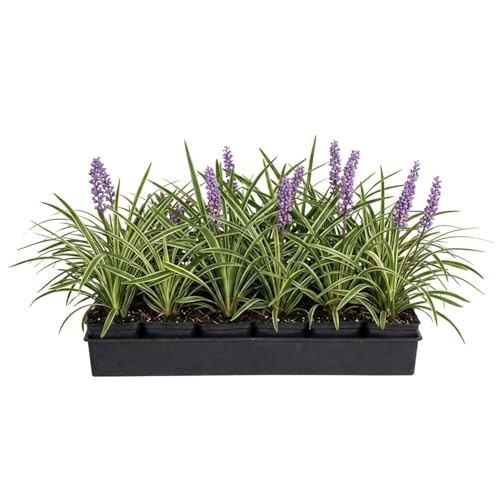
Liriope ‘Variegated’ Grass (18 Pack)

Scotts Kentucky 31 Grass Seed Mix

O.M. Scott & Sons Bermudagrass Grass Seed

Elephant Grass Seeds (1,000 Count)

GreenView Pure Grass Seed Sunny Mixture

SeedRanch Pensacola Bahia Grass Seed
Inside Each Recommended Option
North Louisiana yards under live oaks and pines often struggle where most sun-loving blends simply quit. This Jonathan Green mix leans into that problem, built around grass varieties that stay green with limited light. The 1 lb pack suits smaller patch jobs, so it’s a sensible starting point if you’re testing how a shade-tolerant blend performs before scaling up.
Sprouting typically runs 14 to 21 days, and the resulting turf leans dark green once it fills in, which gives shaded sections a richer look than patchy, thinning sod. Beneficial endophytes (a natural fungus that lives inside the grass and helps deter insects) are part of the mix, which tends to give seedlings a head start against surface pests. For homes with mature tree cover, that combination tends to matter more than raw coverage rate.
Notable Upsides
- Shade-tolerant varieties hold color under trees and beside north-facing walls
- Endophyte-enhanced seed offers natural insect and disease resistance
- Dark green finish gives shaded turf a denser, more uniform look
- Small 1 lb bag works well for testing a section before committing
Worth Noting
- Smaller pack size means higher cost per square foot for larger lawns
- Slower 14 to 21 day window means weeds can compete if you don’t prep the soil first
- Still needs some filtered light, so deep shade under dense canopies may stay thin
Who It Suits Best
Homeowners with mature trees in North Louisiana who need a small, targeted reseed for stubborn shaded patches.
Consider Something Else When
Pennington Bermudagrass fits better for large, sun-baked sections where shade tolerance isn’t a factor.
South and central Louisiana lawns bake under July and August sun, and many cool-season blends simply brown out. This Jonathan Green option is a cool-season mix with a twist, pairing tall fescue and Texas bluegrass (a heat-tolerant bluegrass hybrid) and claiming tolerance up to 100°F. The 3 lb pack fits a mid-sized yard, so you can overseed a meaningful area without buying bulk.
The standout detail is a waxy leaf coating that limits evaporation, the same way an apple’s skin holds moisture. In practice, that means less watering between rains, which matters during the late-summer dry spells common from Baton Rouge west. For yards that see full sun for most of the day, this blend is built to take the heat rather than just survive it.
The Good Stuff
- Handles heat up to 100°F better than typical cool-season blends
- Waxy leaf coating helps grass hold moisture through dry stretches
- Tolerates full sun to light shade, fitting mixed Louisiana exposures
- 3 lb bag covers a useful mid-sized patch without paying for bulk
Trade Offs
- Still a cool-season mix, so growth slows in deep summer even with heat tolerance
- Waxy blades can feel slightly stiffer under bare feet than finer Bermuda turf
Feature Snapshot
Made For
Homeowners in hot, exposed sections of central and southern Louisiana who want a cool-season look that resists browning.
Look Elsewhere When
GreenView Pure Grass Seed Sunny Mixture makes more sense for yards that want an uncoated, weed-tested sunny blend instead.
When Bermuda or St. Augustine goes dormant and turns tan in December, your lawn can look half-dead for months. Pennington’s annual ryegrass solves that by giving you a fast, temporary green cover that sprouts in as little as 3 to 7 days. The 10 lb bag covers generous overseeding, so it suits most suburban lots across southern parishes.
It needs 6 to 8 hours of full sun to perform well, which rules out heavy shade, and it’s annual, meaning it dies back when warm weather returns. Think of it as a seasonal sweater for the lawn, not a permanent fixture. The trade-off is that you reseed each fall, but for many Louisiana homeowners that green-up period is worth the routine.
Noteworthy Benefits
- Sprouts in 3 to 7 days, faster than most lawn seed options
- Provides bright green winter color over dormant warm-season grass
- 10 lb bag handles full-yard overseeding on most suburban lots
- Temporary nature keeps it from competing with permanent grass in spring
Points To Keep In Mind
- Annual variety dies back in spring, so you reseed each fall
- Requires 6 to 8 hours of direct sun, so shaded yards may struggle
- Spring transition can look patchy as ryegrass fades and Bermuda returns
Right Fit For
Homeowners with Bermuda or other warm-season lawns who want green coverage through Louisiana’s mild winters.
Skip It When
SeedRanch Pensacola Bahia Grass Seed works better for full-lawn, year-round coverage without the seasonal reseeding routine.
Across most of Louisiana, Bermuda is the default for sunny, hardworking lawns, and Pennington’s blend leans into that identity. The seed produces a thick, aggressively self-spreading turf, which is a polite way of saying it fills bare patches on its own. The 5 lb pack handles a respectable reseeding area, and improved cold-tolerant varieties help the lawn green up earlier in spring than older Bermuda strains.
It wears well underfoot, so kids, dogs, and weekend football all tend to be fine on a mature stand. The deep root system helps the grass ride out dry spells, though it will still go brown in winter dormancy. For most full-sun Louisiana yards, this is the kind of seed that quietly gets the job done with minimal fuss.
A Few Highlights
- Self-spreading growth fills thin and worn patches over time
- Deep roots improve drought survival during hot, dry stretches
- Improved cold tolerance helps with earlier spring green-up
- Wear-resistant turf handles foot traffic from kids and pets
Less Ideal Details
- Goes dormant and brown in winter, so year-round green color requires overseeding with rye
- Aggressive spread can creep into flower beds without edging
Spec Overview
Who Will Love This
Active families with full-sun yards who want a tough, classic Southern lawn without constant babying.
A Better Fit Elsewhere
O.M. Scott & Sons Bermudagrass suits shoppers who’d rather start with a heritage-blended Bermuda formula than a straightforward common Bermuda.
Not every “grass” in a Louisiana yard has to be turf. Variegated Liriope, also called Variegated Lilyturf, is an evergreen perennial with green-and-white striped leaves that grows 12 to 18 inches tall and forms dense clumps. The 18-pack is sized for edging a walkway, lining a bed, or filling a tough strip where lawn grass keeps failing.
It prefers partial to full shade and moist, well-drained soil, though it tolerates drought once established. In late summer, short spikes of purple flowers add a bonus color window. Across USDA zones 5 through 10, it handles Louisiana’s range of winter lows down to -15°F without flinching, so it’s more cold-hardy than many realize.
Bright Spots
- Striped variegated leaves add year-round visual interest in shaded spots
- Late-summer purple flower spikes offer a secondary color moment
- Hardy across USDA zones 5 to 10, well within Louisiana’s range
- 18-plant pack covers a full border or edging in one go
Honest Caveats
- Overwatering in heavy clay can lead to root rot, so drainage matters
- Not a walk-on lawn substitute, it’s an ornamental, not turf
Best Suited To
Landscapers and homeowners who want low-maintenance edging or ground cover in shaded beds and borders.
Not Your Match When
Pennington Bermudagrass makes more sense for filling a full, sunny lawn area with traditional turf.
Kentucky 31 tall fescue has been a go-to for transition-zone lawns for decades, prized for durability and lower maintenance needs. Scotts’ take layers in additional seed varieties for a thicker, more uniform result than straight K31. The 7 lb bag fits a mid-sized yard, which works well for new lawns and overseeding alike.
It’s a cool-season grass, so it performs best in the upper third of the state where summers are slightly milder, and it’s built to take traffic from regular use. The honest read is that south of I-10 it will struggle in peak summer more than dedicated warm-season options. Where it does fit, though, it tends to outlast trendier blends with less fuss.
Reasons It Performs
- Kentucky 31 tall fescue base delivers proven durability
- Blended varieties aim for thicker coverage than K31 alone
- Lower maintenance needs compared to many premium mixes
- 7 lb bag fits both new lawn and overseeding projects
Practical Considerations
- Cool-season profile struggles in deep south Louisiana summers
- 7 lb bag may fall short for very large properties without buying multiples
Perfect Match For
Homeowners in North and central Louisiana who want a hardy cool-season lawn with a traditional look.
Reach For A Different Pick When
Jonathan Green Black Beauty Heat & Drought Resistant is the better match for hot, full-sun southern exposures.
O.M. Scott has been in the lawn business since the 1800s, and this Bermuda blend leans on that heritage. It’s formulated for the Southern United States and other warm climates, with high heat resistance built into the mix. The 5 lb bag fits comfortably into a coastal or suburban reseeding project, and the brand recognition gives a sense of continuity if you’ve used Scott’s products before.
Like other Bermuda blends, it goes dormant in winter and will turn brown when the temperatures drop, so plan on overseeding or accepting the seasonal shift. For full-sun coastal lawns around Lake Charles, Lafayette, and the Gulf parishes, this blend is built around the conditions you actually live with.
Everyday Advantages
- High heat resistance suits Louisiana’s long, hot summers
- Backed by O.M. Scott’s long-standing lawn care expertise
- Formulated for the Southern United States and warm climates
- 5 lb bag covers a meaningful residential area
Things To Weigh
- Winter dormancy means brown turf for a few months each year
- Specific variety breakdown isn’t published, so blend composition is less transparent
Who Should Grab It
Shoppers in warm, full-sun Louisiana parishes who prefer a heritage-branded Bermuda blend over newer formulations.
Another Choice May Suit
Pennington Bermudagrass fits better for shoppers who want clearly listed traits like cold tolerance and self-spreading growth.
Elephant grass (Miscanthus, also called napier grass) is the tallest grass you’ll realistically grow, and CZ Grain ships roughly 1,000 seeds from Iowa. It’s a warm-season grower, so Louisiana summers are right in its wheelhouse. The most common residential use is a fast privacy barrier, since the stalks can tower well above fence height in a single season.
It will die back or go dormant in colder snaps, then regrow when conditions warm, and in frost-free corners of the state it may hold green leaves longer. The seeds ship from Iowa and are produced in the USA, and 1,000 seeds is enough to start a sizable screen. Just know this isn’t lawn material, it’s a feature planting.
Real Benefits
- Giant growth habit makes an effective natural privacy screen
- Warm-season grower thrives in Louisiana’s summer heat
- 1,000-seed pack is enough to start a meaningful barrier planting
- Seeds produced and shipped within the United States
Where It Is Less Suited
- Dies back in cold snaps, so it isn’t evergreen in most of Louisiana
- Too tall and coarse for any traditional lawn use
Built With In Mind
Property owners wanting a fast, natural privacy screen or a tall ornamental accent in a sunny spot.
Swap It Out When
Liriope ‘Variegated’ is a better pick for shorter ornamental edging and ground cover in shaded beds.
GreenView’s Sunny Mixture is built for lawns that get strong sun and minimal tree cover, which fits a lot of new-build subdivisions across Louisiana. The blend is uncoated and tested to 99.9% weed-free, so you’re putting down actual grass seed rather than a clay-coated filler. The 3 lb bag suits smaller yards and patch repairs.
Once established, the lawn leans on its deep roots to handle drought, heat, insects, and disease, which is a longer wish list than most blends claim. Germination runs 7 to 12 days, so you’ll see green fairly quickly, and the mix tolerates high traffic once mature. For a low-fuss sunny lawn, it’s a clean, straightforward option.
Notable Gains
- Uncoated seed means more actual seed per pound than coated blends
- 99.9% weed-free testing helps prevent off-type grasses in the new stand
- Resists drought, heat, insects, and disease once mature
- 7 to 12 day germination gives quick visible results
Room For Improvement
- Best in full sun, so partial-shade yards will see thinner coverage
- Soil must be weed-free before seeding to take full advantage of the purity claim
Feature Card
Whose Shelf It Belongs On
Homeowners with open, sunny lawns who want a clean, weed-tested seed without coatings or fillers.
Where A Sibling Pick Shines
Jonathan Green Black Beauty Dense Shade is the smarter pick for tree-shaded yards where this mix would thin out.
Pensacola Bahia is a warm-climate grass popular across the rural South, used on everything from roadsides to pastures to home lawns. SeedRanch’s 10 lb bag plants roughly 1,000 square feet of new lawn, which suits larger properties and acreage-style yards that don’t need a manicured finish.
Bahia is drought and disease resistant, tolerates traffic, and establishes quickly with vigorous growth. The honest trade-off is texture: it’s coarser than Bermuda or Zoysia, and seed heads can pop up in summer. For a homeowner who’d rather mow less and water less, that bargain often works out in the lawn’s favor.
Features That Help
- Low maintenance once established, less mowing and watering than finer grasses
- Drought and disease resistance helps in dry, hot stretches
- Good traffic tolerance for rural and family-use yards
- 10 lb bag covers roughly 1,000 square feet of new lawn
Some Limits To Know
- Coarser blade texture and visible seed heads in summer
- Less manicured look than Bermuda or Zoysia turf
The Right Fit
Rural and acreage owners who want a tough, low-input lawn rather than a showcase turf.
Skip It When
Pennington Bermudagrass is the better pick for a finer-textured, manicured family lawn in town.
What To Weigh Before Choosing Grasses For Louisiana
Climate zone shapes everything. Most of Louisiana sits in USDA zones 8 and 9, with the northern tier dipping into zone 7, and that range decides which grasses will thrive. Warm-season grasses like Bermuda, Bahia, and Zoysia handle the long, humid summers across the southern parishes, while tall fescue and Kentucky 31 blends perform better in the cooler north.
Sun exposure matters just as much. A sun-baked lot in Shreveport calls for different seed than a shaded yard under live oaks in Baton Rouge, and most seed bags list a sun requirement. Soil type is the third leg of the stool: Louisiana’s heavy clay holds water, so blends that tolerate wet feet (or that establish a deep root system) tend to outlast shallow-rooted options.
Maintenance appetite should drive the final call. Bahia and Bermuda are forgiving if you skip a weekend, while ryegrass and dense shade blends reward regular attention. For most home lawns, the right answer is the grass that matches the time you actually have, not the one with the prettiest catalog photo.
Key Considerations Across These Picks
Common Shopping Slip Ups
The most common mistake is choosing a cool-season blend for a hot, full-sun southern lawn. Tall fescue and Kentucky 31 look great in spring, then brown out by mid-July in zone 9. Match the grass to your USDA zone and sun exposure first, color and brand second.
Another slip is buying a bag sized for overseeding when you actually need enough for a new lawn. Coverage numbers on the bag assume established turf, so a full reseed often needs two or three times the listed amount. Measure your square footage and round up before ordering.
What The Higher Tier Buys
Premium Bermuda and specialty blends cost more because they include improved cold-tolerant or wear-resistant varieties that aren’t in cheaper mixes. That extra money usually buys earlier spring green-up, denser growth, and longer stand life.
The honest read is that premium matters most for showcase lawns and high-traffic yards. A 1,000-square-foot side yard will look identical with a mid-tier bag, but a front lawn you actually use and see every day is where upgraded seed tends to pay off.
Frequently Asked Questions
What Is The Best Grass For Louisiana Lawns?
Bermuda is the most popular choice for full-sun southern Louisiana because it loves heat and resists drought once established. In shaded spots, St. Augustine or a tall fescue blend often performs better, and ryegrass is a common winter overseed.
When Should I Plant Grass Seed In Louisiana?
Warm-season grasses like Bermuda and Bahia go down best in late spring, once soil temperatures stay above 65°F. Cool-season blends and ryegrass overseeding are best from mid-fall through early winter, giving roots time to set before summer stress.
How Long Does Grass Seed Take To Grow In Louisiana?
Annual ryegrass can sprout in as little as 3 to 7 days, while Bermuda and Bahia typically need 7 to 21 days under good soil moisture. Dense shade blends run 14 to 21 days, so patience matters as much as watering during establishment.
Can I Mix Different Grass Seeds Together?
Mixing is possible but tricky, because different grasses have different sun, water, and mowing needs. For most home lawns, sticking to a single blend that matches your conditions gives a more uniform look than combining seeds.
Do I Need To Water New Grass Seed Every Day In Louisiana?
Light daily watering is usually right during the first two to three weeks, keeping the top inch of soil moist. Once blades reach mowing height, you can back off to deeper, less frequent watering to encourage stronger roots.
Wrap Up
The right grass for your yard comes down to your USDA zone, sun exposure, soil type, and how much time you want to spend maintaining it. Bermuda and Bahia are reliable for warm, sunny lawns, tall fescue blends fit the cooler north, and ryegrass gives you green coverage through mild winters. Match the seed to your conditions, prep the soil, and you’ll spend less time fighting the lawn and more time enjoying it.
