

A patchy lawn under maples, a side yard the sun barely touches, a fence line that stays damp, partial shade is the lawn problem that quietly defeats most seed choices. The trick is matching the species to your actual light hours, foot traffic, and how much babysitting you’re willing to do. These nine picks cover the main paths: shade-tough fescues, quick-establishing ryegrasses, drought-leaning mixes, and a couple of ornamental options for beds and borders.
The Picks In Brief

Pennington Smart Seed Dense Shade Grass Seed, 3 lb

GreenView Pure Grass Seed Perennial Ryegrass Blend, 3 lb

Eretz Creeping Red Fine Fescue Seed (8 oz)

Scotts Grass Seed Drought Tolerant Mix, 4 lb

Outsidepride Chinese Pennisetum Fountain Grass Seeds (100 Pcs)

GreenView Pure Grass Seed Perennial Ryegrass Blend, 20 lb
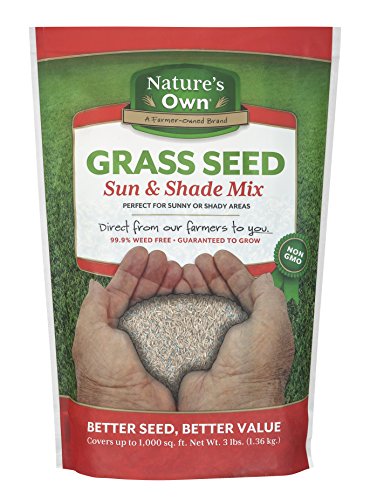
Mountain View Seeds Nature’s Own Sun & Shade Mix, 3 lb
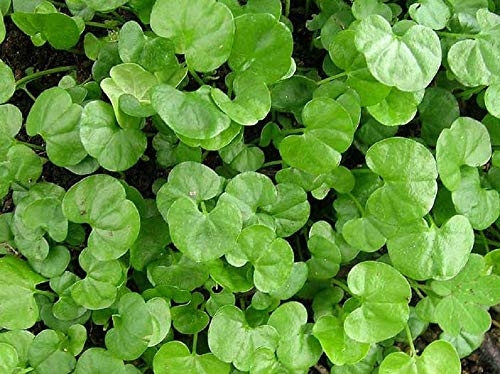
Seeds2Go Dichondra Repens Grass Seeds, 1 lb

Eretz ProTurf Perennial Ryegrass Fine Lawn Seed (8 oz)
A Closer Look At Each Pick
Pennington Smart Seed Dense Shade is built for the awkward middle ground: lawns that catch a few hours of broken light under mature trees or along north-facing walls. The 3-pound bag covers up to about 750 square feet, which is roughly a narrow side yard or a strip behind a fence, so measure twice before you order. Where this mix earns its reputation is in regions where cool-season grasses thrive, so anyone in the transition zone may find it struggling in deep summer heat.
For most homeowners whose shade problem is “not enough sun, too much tree,” this is the practical starting point. The blend is formulated to stay green with as little as two to four hours of filtered light, which is genuinely useful if your maples have swallowed the lawn.
The Value In It
- Formulated for as little as two to four hours of sun per day, the lowest threshold on this list.
- 3 lb bag covers up to 750 square feet, enough for a typical side or backyard shade strip.
- Drought, heat, and disease resistance built in, so weak patches recover instead of dying out.
- Water-conscious formulation cuts outdoor water use by a meaningful margin once established.
Small Caveats
- Cool-season blend, so deep-south lawns can see summer stress during peak heat.
- Coated seed can stick together in the bag if stored in a humid garage or shed.
Feature Snapshot
Built With In Mind
Homeowners with mature trees and a few hours of broken light who want a no-drama cool-season lawn.
Swap It Out When
The Mountain View Seeds Nature’s Own Sun & Shade Mix suits yards that swing between full sun and shade in the same afternoon.
GreenView’s perennial ryegrass blend sits in a different lane from the dense-shade mixes. Perennial ryegrass germinates fast and stands up to foot traffic, which is why you see it on home lawns, school grounds, and even athletic fields. It handles partial shade well enough for most temperate zones, but it really earns its keep where kids, dogs, and bare feet put daily wear on the turf.
The bag ships uncoated and the brand advertises a 99.9% weed-free content, so the seed you pay for is mostly seed rather than inert filler. If your partial shade is also a high-traffic zone, this is the kind of grass you’ll be happier with in the long run.
The Practical Payoff
- Perennial ryegrass germinates faster than most fescues, so bare patches fill in within a week or two.
- Uncoated seed at high purity means you spread actual seed, not clay coating, across the lawn.
- Strong wear tolerance once established, useful for lawns with kids and dogs.
- Deep-rooted plants develop meaningful drought and heat resistance over time.
Points To Keep In Mind
- Less shade-tolerant than the Pennington dense-shade formula, so it struggles in heavy canopy.
- Clumps rather than spreading, so a damaged area needs reseeding, not just patience.
Whose Yard It Belongs On
Busy households with partial sun who want a quick, traffic-ready lawn without waiting on slow fescue blends.
Consider Something Else When
The Pennington Smart Seed Dense Shade is a better match for yards stuck under heavy tree cover with only dappled light.
Eretz’s creeping red fescue is the small-bag specialist of the list. The 8-ounce size is sized for patching, repairing, or overseeding shaded areas rather than rebuilding a full lawn in one go. The seed comes from Oregon’s Willamette Valley, and Eretz advertises a high-purity formula without added weed seed or crop seed.
For homeowners chasing a fine-bladed, slightly wild look that doesn’t need constant mowing, creeping red fescue has a real appeal. It spreads by short rhizomes (underground stems), so thin spots fill in gradually without aggressive thatch buildup.
Strong Points
- High-purity seed with no fillers, so the 8 oz bag covers what it says it covers.
- Creeping growth habit fills gaps gradually without invading nearby beds aggressively.
- Excellent shade performance in cool-season regions, especially under deciduous trees.
Trade-Offs To Consider
- Small bag size, so larger projects need multiple bags and the cost adds up quickly.
- Less drought-tolerant than tall fescue, so dry summers can leave it brown without irrigation.
Quick Facts
Right Fit For
Shade gardeners patching bare patches under trees or naturalizing a low-mow area with fine-bladed fescue.
Look Elsewhere When
Scotts Grass Seed Drought Tolerant Mix suits larger dry, partially shaded lawns that need a tall fescue backbone.
Scotts’ drought-tolerant mix leans on tall fescue and Kentucky bluegrass in roughly an 80/20 split, which is the formula most extension services point to for transitional climates. Tall fescue brings the deep roots that chase water further down, while bluegrass contributes self-repairing rhizomes that knit bare spots back together. The 4-pound bag fits mid-sized reseeding jobs, and the brand labels it for new lawns or overseeding existing turf.
For partial shade combined with dry summers, this is one of the more forgiving options. The roots are doing the real work, and once they’re established the lawn stays green through stretches that fry shallow-rooted mixes.
Well-Handled Touches
- Tall fescue plus Kentucky bluegrass combines deep roots with self-repairing rhizomes.
- Suitable for new lawns or overseeding, so one bag covers both starting and refreshing projects.
- Labeled for spring or fall application when soil temperatures support germination.
- Brand states a near-zero weed-seed content in the bag.
Honest Caveats
- Tall fescue clumps more than spreading grasses, so thin areas can look patchy without overseeding.
- Needs soil temperatures in the 65 to 85°F range to germinate reliably, so timing matters.
Key Product Details
Made For
Homeowners in the transition zone with partial shade and dry summers who want one bag to do new and overseeding work.
A Better Fit Elsewhere
GreenView Pure Grass Seed Perennial Ryegrass Blend handles higher-traffic partial-shade yards more reliably.
This pick breaks the lawn category on purpose. Chinese pennisetum, often called fountain grass, is an ornamental clumping grass, not a turf grass, but it earns a spot on any partial-shade list because it solves a related problem: filling a dim border or low spot where lawn refuses to grow. The smoky purple-black plumes arrive in late summer and hold their color into fall.
Outsidepride’s packet contains about 100 seeds, which is a modest starter for a focal planting rather than a sweep. The species is drought-tolerant once established, so it suits xeriscape beds (gardens designed to need little or no irrigation) and cut-flower gardens where you want plumes for arrangements.
What Helps Most
- Smoky purple-black plumes provide late-season color where lawn grass gives up.
- Drought-tolerant once rooted, so it suits low-water landscape designs.
- Perennial in most temperate zones, returning each year with bigger clumps.
Less Ideal Details
- Not a turf grass, so it cannot fill lawn areas or take foot traffic.
- Packet of 100 seeds is sized for accent plantings, not mass ground cover.
Perfect Match For
Garden designers who want textural contrast and cut-flower material in partial-shade borders.
Not Your Match When
Seeds2Go Dichondra Repens is a better ground-cover alternative for low-traffic shaded areas where lawn grass struggles.
The 20-pound bag is the same GreenView perennial ryegrass formula as the 3-pound version, scaled up for whole-lawn reseeding. Once the deep roots take hold, the lawn develops meaningful resistance to heat, drought, insects, and disease, which is the trait the brand highlights most.
If your partial-shade yard is also a backyard, playset zone, or dog run, buying a single large bag simplifies the project. You avoid the mid-job scramble for more seed, and uncoated seed flows through a broadcast spreader without the clumping you sometimes get with coated products.
What Makes Sense
- Bulk 20 lb bag covers a typical suburban yard in a single purchase.
- Same uncoated, high-purity formula as the smaller bag, just at scale.
- Perennial ryegrass establishes quickly, so the lawn greens up within a couple of weeks.
A Few Limitations
- 20 lb is heavy, so shipping costs and storage space both matter more than with smaller bags.
- Perennial ryegrass prefers cooler summers, so southern lawns can see thinning in peak heat.
Best Suited To
Northern and transition-zone homeowners reseeding a full partial-shade lawn in a single weekend project.
Another Choice May Suit
Mountain View Seeds Nature’s Own Sun & Shade Mix is a stronger pick for yards that swing between full sun and shade in the same day.
Mountain View Seeds’ Nature’s Own Sun and Shade mix is the most flexible blend on this list. The species trio of perennial ryegrass, fine fescue, and Kentucky bluegrass covers a wide range of light conditions, so a yard that bakes in afternoon sun but sits under tree shade by morning doesn’t have to pick a single species. The seed carries a WaterGardQS coating, which the brand says improves soil contact and shortens germination time to roughly 7 to 10 days.
For most homeowners with mixed-light lawns, that flexibility is the real value. You seed once, and the species sort themselves out: ryegrass takes the open spots, fescue settles into shade, bluegrass knits everything together.
Real-World Strengths
- Three-species blend (perennial ryegrass, fine fescue, Kentucky bluegrass) handles mixed-light lawns.
- WaterGardQS coating helps seed establish within 7 to 10 days under good conditions.
- Disease and insect resistance built into the blend for tougher mid-summer weeks.
Where It Is Less Suited
- Coated seed means slightly fewer actual seeds per pound than uncoated blends.
- Kentucky bluegrass can be slow to fill in, so full density takes a full season.
Feature Rundown
Who It Suits Best
Homeowners with lawns that shift between sun and shade across the day, especially in transitional climates.
Skip It When
Pennington Smart Seed Dense Shade is the better tool for yards stuck in nearly full shade under mature tree canopy.
Dichondra repens isn’t a true lawn grass, it’s a perennial ground cover, and Seeds2Go’s 1-pound packet leans into that distinction. The plant forms a dense, carpet-like mat with small round leaves, and it stays short enough that many people skip mowing entirely. It performs as a perennial in USDA zones 7 through 11, where winters stay mild, and keeps its color down to about 25°F.
For partial-shade spots where every turf grass has failed, dichondra reframes the question. You stop trying to grow lawn and start growing a soft, low carpet that happens to look like a lawn from a distance.
Useful Touches
- Grows as a dense, carpet-like mat that rarely needs mowing.
- Perennial in USDA zones 7 to 11, holding color down to roughly 25°F.
- Stays under 2 inches tall, so it’s a genuine no-mow alternative for shaded ground.
Things To Weigh Up
- Soft leaves do not tolerate heavy foot traffic, so it suits display areas, not pathways.
- Limited to warmer USDA zones, so northern lawns see winter dieback.
Who Should Grab It
Southern and coastal homeowners in mild-winter zones who want a low-maintenance carpet instead of a traditional lawn.
Reach For A Different Pick When
Eretz Creeping Red Fine Fescue handles shaded lawns in cooler zones where dichondra would not survive winter.
Eretz ProTurf is the brand’s premium perennial ryegrass, sourced from the same Willamette Valley seed-growing region as their fine fescue. The 8-ounce size is small, but the brand positions it as a high-purity overseeding option for patches, golf-fairway-style lawns, or fine-textured showpieces. Perennial ryegrass at this purity level grows a dark green leaf that sets off the rest of a partial-shade lawn.
Where this earns its place is overseeding an existing partial-shade lawn to thicken it up without buying a full bag. If you’ve already established a base and want to add a darker, finer blade on top, this is the role it fills.
What It Does Well
- High-purity perennial ryegrass delivers a dark green color and fine leaf texture.
- Willamette Valley-grown seed from a region known for cool-season grass production.
- Quick germination, so overseeded patches fill in within a week or two.
Practical Considerations
- Small 8 oz bag, so a full-lawn project needs multiple bags and the budget climbs.
- Perennial ryegrass prefers cooler summers, so deep-south lawns may see summer thinning.
Key Attributes
Made For
Homeowners overseeding a mature partial-shade lawn who want finer texture and a darker color without redoing the whole yard.
Where Another Pick Shines
GreenView Pure Grass Seed Perennial Ryegrass Blend in the 20 lb bag is the better tool for full-lawn reseeding on a budget.
What To Weigh Before You Pick A Shade Seed
Start with how much sun the lawn actually receives, and at what time of day. A spot that gets morning sun and afternoon shade behaves very differently from one that catches evening light only. Most turf-type grasses need a baseline of about three to four hours of direct or filtered light to hold density through summer. Below that, you’re shopping in the fine fescue and dichondra lane rather than the ryegrass lane.
Next, look at traffic. A backyard where kids and dogs run needs perennial ryegrass or tall fescue, both of which tolerate wear. A display lawn under a tree gets away with fine fescue, which spreads more gently and looks softer underfoot but does not love being trampled.
Climate matters more than people think. Cool-season blends (fescues, ryegrasses, bluegrass) handle northern winters but struggle in deep-south summers, where they go dormant and thin out. If you’re in the transition zone, look for tall fescue-based mixes with a Kentucky bluegrass component, since that combination has the deepest root system. In zones 7 to 11, dichondra and warm-season ground covers can replace turf entirely.
Finally, calculate coverage honestly. A 3 lb bag at 750 square feet is roughly a 27-by-27-foot area, which is smaller than most people picture. Measure the lawn, add 10 percent for overseeding overlap, and round up to the next bag size rather than running short mid-project.
What To Watch For In Partial-Shade Lawn Projects
Common Buying Mistakes
The most common slip is matching species to the wrong sun profile. People see “shade” on the bag and assume any shade blend fits, but the Pennington dense-shade formula needs cool-season conditions, while a warm-climate yard may need dichondra or a tall fescue mix instead. Read the species list, not just the marketing label, before you commit.
Another trap is buying coated seed when the bag will sit in a humid garage for a few months. Coatings can fuse in moisture, and clumped seed flows poorly through a spreader. Storage matters more than people realize, and uncoated blends (like the Eretz and GreenView products) hold up better in less-than-ideal conditions.
When Spending Up Actually Pays
The higher-tier picks earn their position through seed purity and source quality. Willamette Valley-grown seed, like the Eretz and Mountain View blends, tends to germinate more uniformly because the region’s climate produces consistent seed lots. If your lawn is the front of the house and you care about a uniform color and texture, that consistency is worth the extra cost per pound.
Bulk bags make sense for full-lawn projects but not for small patch jobs. A 20-pound bag of GreenView ryegrass saves money per pound, but leftover seed loses viability after a season or two, so buying a 3-pound bag for a 200-square-foot patch is the better economic call. Match the bag size to the project, not the other way around.
Frequently Asked Questions
How Many Hours Of Sun Do Partial Shade Grasses Need?
Most turf-type options perform well with three to five hours of direct or filtered light per day. Dense-shade blends like Pennington’s can hold coverage down to two hours, while ryegrass leans toward the higher end of that range.
When Is The Best Time To Seed A Shaded Lawn?
Fall is the strongest window in most climates, because the soil stays warm while the air cools and weed pressure drops. Spring works as a backup, but the summer stress that follows can thin new seedlings before they fully establish.
Will Grass Seed Grow Under Tree Roots And Surface Roots?
Surface tree roots make seeding harder because they steal moisture and physically block seed-to-soil contact. For heavily rooted areas, top-dressing with a thin layer of compost before seeding helps, and fine fescue tends to outperform ryegrass in these tough spots.
How Long Does It Take For Shade Grass Seed To Germinate?
Perennial ryegrass usually shows green within 5 to 10 days. Fescues and bluegrass run closer to 10 to 21 days, and dichondra can take several weeks. Coated blends sometimes germinate faster because the coating holds moisture against the seed.
Do I Need To Water Newly Seeded Shaded Areas Differently?
Shaded areas dry out more slowly than sunny spots, so the watering schedule is usually lighter. The catch is tree roots: they drink the surface water fast, so daily light watering for the first two or three weeks is often more useful than deep, infrequent soaking.
Closing Remarks
Match the species to your actual light hours, traffic level, and climate zone, and the rest of the project gets simpler. The Pennington dense-shade formula covers the deep-shade end, the Mountain View blend handles mixed-light lawns, and the ornamental and ground-cover picks fill the spaces where turf never really wanted to grow anyway. Pick the one that fits your yard, and reseed in the fall for the strongest start.
