

San Diego’s coastal climate throws a lot at a lawn: salt-laden air, mild winters that don’t really go dormant, and stretches of dry weather that punish thirsty grass. The right seed or turf here isn’t about chasing a single “perfect” species; it’s about matching a grass’s tolerance for heat, salt, and irregular watering to your specific yard, whether you live a block from the beach or out in the inland valleys. The picks below lean heavily into drought-friendly options, with a few cool-season blends for shaded lots and one artificial alternative for spaces where real grass simply won’t cooperate.
A Fast Comparison Of The Options

Jonathan Green Black Beauty Sunny Grass Seed

LRWI Emerald Zoysia Grass Seeds (20,000 ct)

Jonathan Green Blue Panther Bermudagrass Seed

Scotts Turf Builder Grass Seed Sunny Mix 2.4 lb
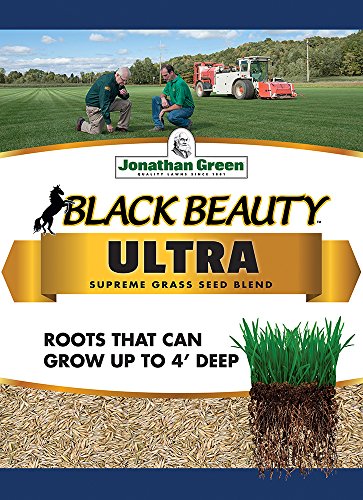
Jonathan Green 40322 Black Beauty Ultra 7 lb

Petgrow Realistic Artificial Grass Turf 5×10 ft

Hirts Haworthia Collection of 3 Plants

Southland Sod Marathon II Grass Seed Mix 1 lb

Outsidepride Perennial Buffalo Grass Seed 2 lb
A Breakdown Of The Leading Choices
Black Beauty Sunny is built for lawns that get a lot of direct light but still want the lush, dark-green look cool-season grass delivers. The blend pulls in perennial rye, Kentucky bluegrass, and tall fescue, which gives the seed a wider comfort zone than a single-species bag. For San Diego lawns within a few miles of the coast, where summer heat stays moderate and morning fog rolls in often, that mix tends to perform well without demanding constant water.
The leaves carry a waxy coating that helps lock in moisture during dry stretches, which is part of why this mix survives conditions that would crisp a standard rye blend. If you overseed into an existing thin lawn rather than starting on bare dirt, the rye and bluegrass components tend to fill gaps within a couple of weeks under proper watering. You may find germination slower on heavy clay or compacted soil, so a light top-dressing helps.
Benefits That Matter
- Three-species blend spreads establishment risk across different grass types
- Waxy leaf coating slows moisture loss during dry weeks
- Tolerates full sun and light shade, useful for partially shaded coastal lots
- Compact 1 lb bag suits small patch repairs and overseeding
Things To Consider
- As a cool-season blend, growth slows noticeably during the warmest inland stretches
- Owners commonly report the 1 lb bag covering less area than the label suggests on bare soil
Quick Facts
Best Suited To
Homeowners within ten miles of the coast with sunny lawns that want a cool-season look without committing to a tall fescue-only stand.
Consider Something Else When
The LRWI Emerald Zoysia Grass Seeds make more sense for inland yards that bake in July and August heat.
Emerald Zoysia is the grass you pick when you want a thick, carpet-like lawn that crowds out weeds on its own. As a warm-season grass, it slows down in winter and greens up fast once soil temperatures climb in spring, which matches San Diego’s rhythm better than many homeowners realize. Inland valleys with hot, dry summers tend to see the strongest performance from this species.
Compared to the Black Beauty blend above, this one trades the cool-season look for a denser, more uniform turf. The seed adapts to a wide range of soil types, so the heavy clay common in older San Diego neighborhoods isn’t a dealbreaker. Germination and early establishment demand steady watering, so you should plan a daily irrigation routine for the first few weeks before dialing back.
Positive Takeaways
- Thick growth habit naturally suppresses weed encroachment
- Performs across USDA Zones 6 through 11, covering all of San Diego County
- Handles full sun and tolerates light shade from trees or fences
- Adapts to a wide range of soil types, including heavier clay
- Lower long-term water needs once the stand is established
Worth Noting
- Zoysia turns straw-colored during San Diego’s coolest winter weeks, which can bother gardeners who want year-round green
- Regular watering is required during the germination window or patchy results follow
- 20,000 seeds cover a modest area; larger yards need multiple packs
Right Fit For
Inland San Diego homeowners willing to accept winter dormancy in exchange for a thick, low-weed warm-season lawn.
Skip It When
You want year-round green color, in which case the Outsidepride Perennial Buffalo Grass Seed deserves a closer look.
Blue Panther is a warm-season bermudagrass built for southern climates, and that description covers a lot of San Diego. Strong vertical and lateral rooting lets the stand fill in quickly, which matters when you’re trying to get coverage before summer stress arrives. The grass is formulated to reduce the need for winter overseeding compared to traditional bermuda, which is a maintenance bonus for anyone tired of that annual ritual.
If you have a yard that gets a full day’s sun, this seed has the engine to handle it. Where it differs from the Zoysia option above is in growth aggressiveness: bermuda spreads faster and recovers quicker from wear, but it also invades flower beds more readily without edging. The trade-off shows up in your weekend edging routine, not in the lawn itself.
Where It Helps
- Strong root system establishes the stand quickly in warm soil
- Reduces the need for annual winter overseeding common with older bermuda varieties
- Tolerates heavy foot traffic from kids and pets
- Matches San Diego’s hot, dry inland summers
Honest Caveats
- Bermuda turns brown during winter dormancy, which reads as “dead” to neighbors used to green winter lawns
- Aggressive lateral growth creeps into adjacent garden beds without a solid edging barrier
- The 1 lb bag is sized for patching or small yards, not full-lawn renovations
Made For
Active households in hot inland neighborhoods who want a tough, fast-spreading lawn for kids and dogs.
Look Elsewhere When
You have narrow planting beds you want to keep tidy, in which case the slower-spreading LRWI Emerald Zoysia Grass Seeds behave better at the border.
Scotts Turf Builder Sunny Mix is the option most people reach for first, and for good reason: the brand is widely stocked, the bag tells you what to do, and the seed is built for lawns that get heavy sun exposure. The mix includes Root-Building Nutrition, which is a fertilizer blend layered into the seed coating to push early root development. For someone overseeding a tired lawn for the first time, that built-in feeding reduces the number of separate products you have to juggle.
It targets full sun with light shade tolerance, and has medium-to-high drought resistance, which is closer to what inland San Diego lawns need than the standard “any-condition” blends. The 2.4 lb bag covers a meaningful chunk of yard, so it works for small-to-medium overseeding without forcing you to buy multiple bags. Compared to the Black Beauty blend reviewed first, this is more of a mainstream grocery-store approach: less species diversity, more brand-name reliability.
Strong Points
- Root-Building Nutrition feeds seedlings without a separate starter fertilizer
- Medium-to-high drought resistance handles missed waterings better than basic blends
- Widely available at most garden retailers and home improvement stores
- Suitable for full sun and light shade, covering common residential layouts
Points To Note
- Less species diversity than the Jonathan Green blends, so a single stress event can thin the stand more visibly
- Owners commonly report the actual coverage falling short of the label’s optimistic estimate
Who It Suits Best
First-time overseeders who want a single-bag solution with feeding included and don’t want to research species composition.
A Better Fit Elsewhere
You want darker color and more species diversity, in which case the Jonathan Green 40322 Black Beauty Ultra Grass Seed delivers a more refined result.
The 7 lb Black Beauty Ultra bag is the same species blend as the smaller Sunny option earlier, scaled up for serious lawn work. The label cites up to 2,800 square feet of coverage, which fits a typical San Diego single-family lot when overseeding, or roughly half that area when starting on bare soil. Species diversity is the selling point: Black Beauty tall fescues, elite Kentucky bluegrass, and perennial rye team up to produce a darker, more uniform look than single-species bags manage.
The naturally insect-resistant grass in the blend helps cut down on grub and surface insect damage, which is a quiet benefit for homeowners tired of treating for pests every summer. The same waxy leaf coating from the smaller bag carries over here, helping the lawn hold moisture during dry stretches. For most backyards, this is the “I want to do the whole thing at once” choice rather than the “patch the bare spot” choice.
The Helpful Details
- Covers up to 2,800 sq ft, suitable for full-lawn overseeding or renovation
- Three-species diversity produces a darker green, more uniform appearance
- Includes naturally insect-resistant grass varieties
- Waxy leaf coating limits moisture loss during heat waves
- Strong heat and drought tolerance for a cool-season mix
Less Ideal Details
- Cool-season composition still means visible slowdown in peak inland summer
- 7 lb bag is heavy to handle and store before use
Feature Snapshot
Perfect Match For
Homeowners planning a full-lawn overseed or renovation who want one bag to cover most of the work.
Another Choice May Suit
You have a smaller yard with no bare spots, in which case the 1 lb Jonathan Green Black Beauty Sunny Grass Seed covers a patch without wasting seed.
Sometimes the right “grass” for a San Diego yard is no grass at all. The Petgrow artificial turf offers year-round green without irrigation, mowing, or seasonal dormancy worries, which matters in a region where water bills climb fast. The polyethylene construction with a 1.38″ pile height gives it a fairly natural look and feel underfoot, especially compared to the cheap, shiny turf of a decade ago.
The 5 by 10 foot size fits a small pet run, a side yard strip that never grows anything, or a shaded area where real grass always struggles. The four-tone color blend and thatch layer help it avoid the “fake carpet” look at a casual glance. Where it diverges from every other pick here is category: this is a surfacing material, not a living plant, so the comparison frame is different.
What Pays Off
- No water, mowing, or fertilizer needed once installed
- Year-round green color regardless of season or drought restrictions
- High-density construction handles pet traffic and rough play
- Four-tone coloring reads more natural than single-shade turf
Trade Offs
- Surface temperature climbs in direct summer sun, which can bother bare feet and paws
- Periodic rinsing is required to control odors, especially with pets
Feature Card
Who Should Grab It
Homeowners with shaded strips, pet runs, or drought-restricted spaces where living grass refuses to cooperate.
Swap It Out When
You want a real, living lawn that supports soil biology, in which case the Outsidepride Perennial Buffalo Grass Seed fits the low-water bill with actual roots.
Haworthias aren’t grass, but they belong in any honest San Diego landscaping conversation because the climate suits them perfectly. The collection arrives as three small succulents in 2″ pots, each roughly 3-4 inches tall, ready to drop into a windowsill, a rock garden, or a drought-tolerant border. The exact varieties vary, which is part of the appeal for anyone who likes the surprise element.
These plants are essentially bulletproof once you resist the urge to overwater them. For homeowners reworking a yard toward xeriscaping, mixing succulents into the plan alongside a true lawn alternative like Outsidepride buffalo grass makes the space feel intentional rather than sparse. Treat them more as landscaping accents than as substitutes for turf, since they cover inches, not square feet.
Everyday Wins
- Three plants per order gives variety without a big commitment
- 2″ pot size slips into small decorative containers and dish gardens
- Hard-to-kill reputation suits forgetful waterers and beginners
- Compact 3-4 inch height works on bright windowsills and shaded patios
Small Caveats
- Variety in each assortment is selected by the grower, not by you
- These are accents, not lawn replacements; don’t expect ground cover
Whose Shelf It Belongs On
Apartment dwellers and homeowners building a drought-tolerant landscape who want low-maintenance plant variety on the side.
Reach For A Different Pick When
You need actual square footage covered, in which case the Petgrow Realistic Artificial Grass Turf covers a 5×10 area without any plants at all.
Marathon II is the grass many San Diegans recognize from neighborhood parks and medians, and this 1 lb bag brings that same refined look to home lawns. The seed is 100% improved tall fescue, which delivers a deeper green color and tighter density than common fescue varieties. It also handles lower mowing heights, so a crisp, manicured appearance is genuinely achievable rather than aspirational.
The slightly narrower leaves and slower winter growth give the lawn a tidier look during the cool months, when many other grasses start to look ragged. If you prefer a clean, formal yard over the more relaxed look of a fescue-bluegrass blend, this single-species approach fits the bill. Compared to the Black Beauty Ultra earlier, the trade-off is less species diversity in exchange for a more uniform, manicured finish.
Noteworthy Benefits
- 100% improved tall fescue produces a deeper green color than common fescue
- Tolerates lower mowing heights for a more formal, manicured look
- Slower winter growth keeps the lawn tidier through cool months
- Greater density helps crowd out weeds naturally
Factors To Consider
- Single-species seed means stress damage shows up more uniformly across the lawn
- Slower winter growth also means slower recovery from any winter damage
Spec Overview
Built With In Mind
Homeowners who want a uniform, manicured fescue lawn in the style of Southland’s commercial sod work.
Not Your Match When
You prefer a more textured, multi-species look, in which case the Jonathan Green 40322 Black Beauty Ultra Grass Seed offers a more relaxed blend.
Buffalo grass takes a fundamentally different approach to lawn care: it expects heat, takes drought in stride, and asks for almost nothing in return. The Sundancer variety in this bag is the most refined buffalo grass available, with faster establishment and a darker green color than older cultivars. For San Diego homeowners rethinking their relationship with irrigation, this seed makes a genuine case for replacing thirsty turf.
The warm-season growth habit means it browns off in winter, which is a real consideration for anyone used to a green winter lawn. The reward is a grass that survives on rainfall alone once established, and that’s not an exaggeration for many California sites. It’s a different aesthetic from the manicured look of Marathon II, leaning more toward a soft, natural meadow than a putting green.
What Helps Most
- Heat and drought tolerance suited to Southern California’s warming climate
- Sundancer variety establishes faster than traditional buffalo grass
- Dense turf naturally limits weed invasion
- Dark green color reads more polished than common buffalo grass
Some Limits To Know
- Goes dormant and turns brown during San Diego’s coolest winter weeks
- Doesn’t tolerate heavy shade; full sun is the sweet spot
- Less refined texture than tall fescue or Kentucky bluegrass for a formal lawn look
Feature Rundown
The Right Fit
Homeowners committed to reducing outdoor water use who can accept winter dormancy as a trade-off for summer resilience.
Where A Sibling Pick Shines
You want year-round green, in which case the Jonathan Green 40322 Black Beauty Ultra Grass Seed holds color through winter at the cost of more water.
What Matters Most Before Choosing Grasses For San Diego
Match The Species To Your Microclimate
San Diego County spans coastal marine layer, inland valleys, and mountain foothills, all within an hour’s drive. A grass that thrives in Point Loma may struggle in El Cajon, and vice versa. The first decision is warm-season versus cool-season, which comes down to how hot your summers actually get. Cool-season blends like Black Beauty hold color year-round near the coast but slow down sharply when inland temperatures spike.
Warm-season options like Zoysia, bermuda, and buffalo grass power through the heat but trade winter color for summer vigor. A quick rule of thumb: within about five miles of the ocean, cool-season blends stay green longer. Past that line, warm-season grasses usually win the long-term contest for survival and water savings.
Sun, Salt, And Soil Compaction
San Diego yards absorb a fair amount of salt spray, especially within a mile or two of the coast. Most turfgrass handles low levels of salt, but persistent exposure narrows the field. Soil compaction is the other quiet killer, particularly in older neighborhoods where construction equipment packed down the native clay decades ago. Top-dressing with compost before seeding, or aerating before overseeding, gives seedlings a much better runway.
Watering Reality And Drought Restrictions
California’s water rules shift, and the right grass is one you can keep alive under realistic irrigation. Tall fescue blends and buffalo grass both have credible drought tolerance claims, but buffalo grass wins the long-term water-use contest by a wide margin. The honest read: pick the grass your watering habits can actually support, not the one with the prettiest catalog photo.
Key Considerations Across These Picks
Pitfalls Shoppers Hit
The most common mistake is buying a cool-season blend for a hot inland lot, then watching it thin out every August. The second is assuming a 1 lb bag covers anywhere near the square footage on the label; bare soil, not overseeding, is what eats seed fast. The third is skipping soil prep entirely and blaming the seed when germination disappoints. A thin compost top-dress and consistent moisture for the first two weeks solves most “bad seed” complaints.
Where The Extra Money Goes
Larger bags like the 7 lb Black Beauty Ultra cost more up front but drop the per-pound cost meaningfully, and they let you overseed the whole yard in one pass instead of piecing it together. Multi-species blends also tend to cost more than single-species bags, but you’re paying for genetic diversity that hedges against any one disease or stress event wiping the stand out. The upgrade payoff shows up two or three years in, when a cheaper single-species lawn thins and a diverse blend keeps filling in.
Frequently Asked Questions
What type of grass stays green year-round in San Diego?
No grass stays perfectly green through every month, but tall fescue blends like the Jonathan Green 40322 Black Beauty Ultra Grass Seed hold color longest in coastal San Diego. Inland homeowners see more winter dormancy with any warm-season option, including Zoysia, bermuda, and buffalo grass.
How often should you water new grass seed in San Diego?
New seed needs light watering two to three times daily for the first two weeks to keep the top inch of soil moist. Once the seedlings reach mowing height, taper back to deeper, less frequent watering to push roots downward.
Is bermuda or fescue better for San Diego lawns?
Bermuda wins in hot inland yards where summer heat punishes fescue, while tall fescue blends perform better in coastal neighborhoods with mild summers. Marathon II fescue is the classic San Diego look, while bermuda like Blue Panther suits the inland valleys.
Can you grow buffalo grass in San Diego?
Yes, buffalo grass handles San Diego’s heat and drought once established, though it goes dormant and brown during the coolest winter weeks. The Outsidepride Sundancer variety is the most refined option for residential use.
When is the best time to plant grass seed in San Diego?
Late spring through early summer is the best window for warm-season grasses like Zoysia, bermuda, and buffalo grass. Cool-season blends like the Jonathan Green Black Beauty and Scotts Turf Builder options establish best with fall overseeding when temperatures drop into the 70s.
Closing Remarks
The best grass for your San Diego yard is the one that fits your block, your watering habits, and your tolerance for winter dormancy. Coastal lots lean toward cool-season blends, inland heat calls for warm-season turf, and shaded or restricted spaces sometimes deserve artificial turf or accent succulents. Pick the species first, then the bag size, and your lawn will spend a lot less time fighting the climate.
