

Grasshoppers can chew through a row of beans in a weekend, and the wrong spray often costs you a harvest without slowing them down. Home growers and small-acreage hobbyists managing anything from a raised bed of lettuce to a few rows of corn need a treatment that fits their scale, their tolerance for synthetics, and the other plants nearby. This lineup compares ten widely stocked options across organic, conventional, contact, and barrier strategies so you can match the right tool to your infestation.
The Lineup, Simplified

Hi-Yield Bug Blaster Lambda Cy 32 oz RTS

Fertilome Caterpillar Killer Spray with Bt 32 oz

AG+ Liquid Garlic Concentrate 1 Gallon

EcoVenger Garden Insect Control 16 oz

Bonide Diatomaceous Earth Crawling Insect Killer 5 lb

ZOECON Gentrol Complete EC3 Insecticide and Growth Regulator

Control Solutions Cyonara Lawn & Garden RTS 32 oz

Tempo SC Ultra by Bayer 240ml

Quality Chemical Demon Max EP Insecticide 1 Pint
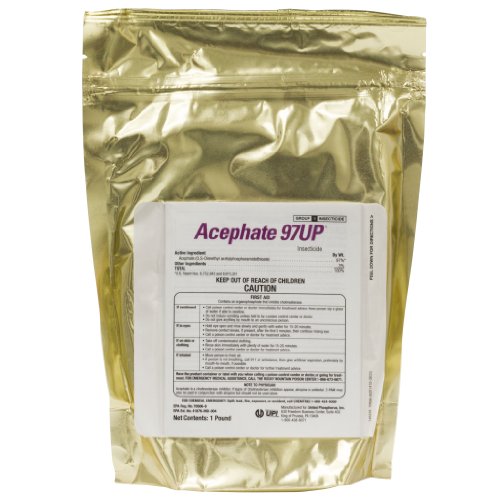
Acephate 97UP 1 lb Bag Insect Killer
More On The Choices That Made The List
The Hi-Yield Bug Blaster arrives as a ready-to-spray bottle, which means you skip measuring and mixing on a Saturday morning when grasshoppers are already airborne. Its active ingredient, a lambda-cyhalothrin formulation (a synthetic pyrethroid, which is a class of insecticide modeled on natural pyrethrins found in chrysanthemums), delivers a one-two punch: a quick contact kill and a residual barrier that holds for roughly two months in outdoor conditions. For most home gardeners juggling vegetables, ornamentals, and a few fruit trees, that mix is exactly the profile you want without juggling two separate products.
That said, the label covers over 130 insects, so the bottle is genuinely useful beyond grasshoppers. Stink bugs, squash bugs, and Japanese beetles all show up on the same list, and the formula is built to spare plant tissue on edibles and ornamentals alike when used as directed.
The Case For It
- Contact kill plus roughly two months of residual outdoor protection, so you treat once and move on
- Covers grasshoppers alongside 130-plus other listed insects on the same label
- Ready-to-spray format cuts out measuring, mixing, and extra equipment
- Safe on vegetables, fruits, roses, shrubs, trees, and ornamentals when label directions are followed
Things To Consider
- As a synthetic pyrethroid, you should keep it well away from ponds, streams, and bee foraging windows
- Spray coverage works best on dry foliage, so timing around rain and dew matters
Best Suited To
Home gardeners running a mixed vegetable-and-ornamental yard who want one bottle to handle grasshoppers and a long list of other chewing pests.
Look Elsewhere When
Certified-organic growers should reach for the Fertilome Caterpillar Killer Spray with Bt instead, since its OMRI listing keeps it compliant with organic standards.
The Fertilome Caterpillar Killer uses Bacillus thuringiensis, or Bt, a naturally occurring soil bacterium that becomes toxic only after a leaf-chewing larva eats treated foliage. The targeting is unusually narrow, so pollinators, predatory wasps, and most beneficial insects pass through unharmed, which matters enormously on a flowering vegetable bed. The 32-ounce ready-to-use bottle is a practical match for backyard plots where mixing concentrates feels like overkill.
OMRI listing means this is a spray you can rotate through an organic program without losing certification, and the human-and-pet-safe profile removes the mental load of reentry intervals on a family yard.
Useful Touches
- Selective mode of action leaves non-leaf-eating insects, including pollinators, largely alone
- OMRI listing fits organic production, handling, and processing programs
- Built for vegetables, fruits, ornamentals, and shade trees without separate formulations
- Ready-to-use bottle removes the need for a dedicated sprayer
Honest Caveats
- Bt works only when pests actually consume treated leaves, so timing on early instar stages matters more than coverage volume
- UV and rain break it down quickly, so reapplication on a tight schedule is normal
Whose Garden It Belongs In
Organic-certified vegetable growers and parents who want effective caterpillar and worm control without synthetic residues anywhere near the kitchen door.
Skip It When
Growers facing heavy grasshopper pressure from adult jumpers should reach for Hi-Yield Bug Blaster Lambda Cy, since Bt targets leaf-chewing larvae rather than mature grasshoppers.
AG+ Liquid Garlic Concentrate is built for acreage, not window boxes. The one-gallon jug dilutes with water and goes through any standard sprayer, making it a sensible choice for orchards, berry rows, greenhouses, and hobby farms where you need to cover meaningful ground on a routine schedule. Rather than killing on contact, the garlic extract works as a repellent, deterring aphids, beetles, mites, thrips, and a long list of sap-sucking and chewing pests before they settle in.
The same scent that discourages insects has a useful side benefit: growers also report it helps deter birds from pecking ripening fruit on cherries, blueberries, and similar crops.
Key Advantages
- One gallon dilutes to cover substantial planting areas depending on crop and method
- Repels aphids, beetles, caterpillars, mites, thrips, whiteflies, leafhoppers, and similar pests
- Suitable for orchards, row crops, greenhouses, and indoor growing setups alike
- Often doubles as a bird deterrent on ripening fruit
Points To Note
- Repellent action is gentler than a knockdown insecticide, so heavily established infestations may need a stronger partner product
- Garlic odor is noticeable during and shortly after application, which can be a real consideration in close-neighbor yards
Made For
Small-acreage growers, orchardists, and greenhouse operators who want a low-toxicity deterrent that scales across a large planting footprint.
Reach For A Different Pick When
Homeowners with a few raised beds will find the Tempo SC Ultra by Bayer easier to measure and apply at the small-garden scale.
EcoVenger leans on plant-based essential oils rather than synthetic chemistries, which makes it a comfortable fit for indoor houseplants, herb shelves, and patios where curious pets and toddlers are part of the picture. The 16-ounce spray targets aphids, mealybugs, spider mites, and fungus gnats on contact, and the formula also goes after eggs to slow the next generation. It is one of the few products on the list that you can comfortably reach for in a living room without changing shoes first.
Dilution is allowed for tender new growth, so the same bottle can flex from a heavy kitchen-window herb garden to delicate seedlings in a propagation tray.
The Helpful Details
- Plant-derived active ingredients suited to households with children and pets
- Targets adults on contact and goes after eggs to interrupt the next generation
- Works for both indoor houseplants and outdoor garden settings
Worth Noting
- Soft formulation often means more frequent reapplication than a synthetic concentrate
- Coverage on a large outdoor vegetable patch will run through a 16-ounce bottle quickly
Who Will Love This
Apartment dwellers, houseplant collectors, and small-balcony gardeners who want a forgiving, family-friendly spray for everyday pest flare-ups.
Not Your Match When
Growers managing half an acre of row crops should reach for the AG+ Liquid Garlic Concentrate, which dilutes out to a much lower per-acre cost.
Bonide’s diatomaceous earth works mechanically rather than chemically. The fine powder is made from fossilized diatoms, and on a microscopic level each particle is sharp enough to damage the waxy outer coating of an insect’s exoskeleton, causing dehydration. That mechanical mode of action means pests cannot develop resistance to it, and the same five-pound pail covers grasshoppers, ants, cockroaches, earwigs, slugs, fleas, and bedbugs on the same label.
You can dust it directly, mix it into a slurry for spraying, or apply it to barns, stables, and garden borders, which makes the pail earn its keep across more than one part of the property.
Strengths Worth Knowing
- Mechanical action means insects cannot develop immunity over time
- Crawling insects from ants and roaches to slugs and centipedes share the same label
- Application options include dry dusting, slurry mixing, or perimeter bands
- Safe to apply around crops, livestock, and stored grain following label directions
Trade Offs
- Loose powder needs reapplication after rain or irrigation, which adds upkeep on outdoor beds
- Dry dust can drift on breezy days, so applicator dust-mask protection is a sensible habit
Right Fit For
Rural homeowners and small-farm operators who want one product that crosses between garden, coop, barn, and basement without a chemistry shift.
Where Another Pick Suits Better
Vegetable gardeners strictly maintaining organic certification may prefer the Fertilome Caterpillar Killer Spray with Bt, since this DE product’s status for organic programs depends on the certifying body.
Gentrol Complete EC3 takes a different angle by combining a contact-kill adulticide with an insect growth regulator called (S)-hydroprene. The IGR keeps exposed juveniles from maturing into reproducing adults, which over time collapses the rebound cycle that makes many infestations feel like whack-a-mole. The emulsified concentrate format means you dilute and apply with a standard pump or hand sprayer, and the multi-rate formulation lets you match the dose to the size of the problem.
It is purpose-built for food-handling environments, so it is a natural fit for kitchens, pantries, and commercial prep areas where crawling insects keep finding their way back in.
Everyday Wins
- Insect growth regulator breaks the life cycle, so populations do not just bounce back
- Emulsified concentrate kills adults on contact during the same application
- Multi-rate formulation scales from light sightings to heavy infestations
- Designed for use in food-handling establishments when label directions are followed
Less Ideal Details
- Growth regulators take weeks to fully play out, so the visible payoff is slower than a knockdown spray
- Primarily a kitchen and indoor product rather than an outdoor garden solution
Perfect Match For
Restaurant operators, facility managers, and homeowners fighting persistent German roach or drain-fly problems in kitchens and pantries.
Swap It Out When
Outdoor vegetable growers dealing with grasshoppers in the soil and foliage should reach for the Hi-Yield Bug Blaster Lambda Cy, which is formulated for yard-and-garden use.
The Cyonara RTS bottle threads onto a standard garden hose and turns the product into a wide-coverage treatment for lawns, fence lines, and the perimeter strips where grasshoppers tend to congregate. The 32-ounce ready-to-spray format suits homeowners who want to walk the yard once and treat a meaningful area without hauling out a pump sprayer or mixing concentrate in a bucket. It targets mosquitoes and a list of other lawn-and-garden insects, which is useful in the same season you are likely to be fighting grasshoppers.
For suburban lots with a lot of turf and not a lot of food crops, the hose-end delivery is genuinely the right scale of tool.
The Practical Payoff
- Hose-end sprayer covers lawn and perimeter in a single pass
- 32-ounce size suits mid-size suburban yards
- Targets grasshoppers alongside mosquitoes and other listed lawn insects
Practical Considerations
- Hose-end delivery is less precise than a pump sprayer, so edible beds may need a different product
- Coverage dries best on calm, dry days, so timing around wind and rain is part of the routine
Built With In Mind
Suburban homeowners with broad turf areas and ornamental beds who want fast coverage without setting up a separate sprayer.
Consider Something Else When
Vegetable gardeners with tightly planted food crops should reach for the Hi-Yield Bug Blaster Lambda Cy, which gives more targeted coverage on edible plants.
Tempo SC Ultra carries 11.8% beta-cyfluthrin, a fast-acting pyrethroid that delivers visible knockdown within hours and then settles into a residual that keeps working for weeks. The liquid suspension concentrate is easier to handle than the powder it replaced: less dust, less agitation in the tank, and a more even dispersion through the sprayer. The 240-milliliter bottle is also sold in a larger 900-milliliter size for heavier commercial use.
Coverage extends to more than 100 nuisance pests, from ants and roaches to spiders and silverfish, and the label also covers stored-grain pests like Indian meal moths and rice weevils, so the same bottle covers a lot of territory.
Real-World Strengths
- Beta-cyfluthrin gives both quick knockdown and long residual control from a single application
- Liquid SC formulation is easier to mix, less messy, and disperses more evenly than powders
- Covers more than 100 listed pests plus stored-grain insects on the same label
- Low use rate means a small bottle treats a lot of square footage
Where It May Fall Short
- Lower use rates demand accurate measuring, so a dedicated sprayer with markings is helpful
- Pyrethroid chemistry means bee and aquatic caution are part of responsible application
The Right Fit
Experienced applicators managing severe multi-pest outbreaks across larger outdoor or commercial spaces who want a single broad-spectrum bottle to anchor their rotation.
A Better Fit Elsewhere
Casual weekend gardeners with a small vegetable bed will find the ready-to-use Hi-Yield Bug Blaster Lambda Cy easier to handle without a measuring step.
Demon Max EP is a 25.3% cypermethrin concentrate, and a single pint dilutes to roughly 32 gallons of finished spray, which puts it firmly in commercial and professional territory. The label targets ants, spiders, wasps, bees, cockroaches, silverfish, ticks, beetles, and a long list of other crawling insects, and it is also approved for above-ground and subterranean termite work when applied as directed.
This is a concentrate for applicators who already own calibrated equipment, understand label-driven rates, and need the cost-per-gallon math to work on a larger property.
Advantages To Know
- One pint yields roughly 32 gallons of finished spray for cost-efficient coverage
- Concentrated cypermethrin handles residual and contact control in a single active
- Label covers crawling insects plus above-ground and subterranean termite work
Some Limits To Know
- Concentrate strength and label restrictions put it outside casual homeowner use
- Calibrated spray equipment is essentially required to hit the right rate safely
- Storing a pint of concentrate demands a cool, dry, secured spot away from children and pets
Who Should Grab It
Licensed applicators, pest-management professionals, and very experienced property owners running larger or recurring treatment programs.
Not Your Match When
Home gardeners who only need a single seasonal treatment will get a more forgiving experience from the Bonide Diatomaceous Earth Crawling Insect Killer, which requires no measuring at all.
Acephate 97UP is a water-dispersible dry formulation that delivers a systemic insecticide, meaning the active ingredient is absorbed by plant roots and foliage and moves through the plant’s vascular system. Insects that feed on treated tissue are controlled as they ingest it, which is a different mechanic than a contact-only spray. The label spans a wide spectrum of sucking and chewing insects across cotton, soybeans, peanuts, tobacco, vegetables, cranberries, and dry beans, in both crop and non-crop settings.
The one-pound bag and the dry formulation suit growers who already mix from powders and want shelf-stable storage without liquid concentrate handling.
Where It Delivers
- Systemic action means the plant itself becomes the delivery system for feeding insects
- Water-dispersible powder stores well on the shelf without the liquid-handling concerns of a concentrate
- Covers a long list of sucking and chewing insects across field and vegetable crops
Honest Caveats
- Systemic mode of action requires a different mental model than a contact spray, and label directions are strict
- Not a fit for ornamental-only yards or settings where pollinators are the priority
- Powder mixing demands accurate measuring and good dust-control habits
Who Will Love This
Field-crop growers, large-vegetable producers, and serious hobby farmers who already work with systemic insecticides and want a stable, cost-efficient dry formulation.
Swap It Out When
Backyard vegetable gardeners should reach for the Hi-Yield Bug Blaster Lambda Cy, which gives similar grasshopper coverage without the systemic precautions.
What Matters Most When Choosing Grasshopper Insecticides
Mode Of Action And How It Shapes Results
The most important split in this category is between contact insecticides, which kill on the spray, and systemic or growth-regulator products, which work after the pest feeds. Contact formulas like the Hi-Yield Bug Blaster Lambda Cy and Tempo SC Ultra work fast and give visible results within hours, which feels reassuring during an active outbreak. Systemic and growth-regulator options like Acephate 97UP and ZOECON Gentrol Complete EC3 take longer to play out but break the cycle of rebound that frustrates so many home growers.
For a small backyard with a single grasshopper generation per season, a contact residual spray often covers the whole problem. For chronic infestations or commercial-scale plantings, a systemic or IGR product earns its complexity.
Scale, Equipment, And Storage Realities
The size of the job changes which bottle belongs in your shed. Ready-to-spray formats like Cyonara and Hi-Yield Bug Blaster cut out measuring and extra equipment, which is the right scale for a suburban yard. Concentrates like Demon Max EP and Tempo SC Ultra reward applicators who already own a calibrated pump sprayer and understand dilution math. Storage matters too: liquid concentrates and dry powders both want a cool, dry, secured spot, and powder formulations generally outlast liquids on the shelf.
Pets, Pollinators, And Neighbors
Households with children, pets, or nearby flowering plants deserve an extra look at the label. Plant-based options like EcoVenger fit that profile, and the OMRI-listed Fertilome Caterpillar Killer is the right call for organic programs where certification matters. Garlic concentrates are gentle on beneficials but noticeable on the nose for a day or two, which can shape your application timing in close-quarter neighborhoods.
Key Considerations Across These Picks
Common Shopping Slip Ups
The most common mistake is reaching for the strongest concentrate when a ready-to-spray bottle would have done the job. Overpowered products raise storage and exposure risks without improving results, and they often cost more per finished gallon. Another trap is buying by active ingredient without checking the pest list, since a grasshopper label and a fire ant label are not always the same product. Reading the actual insect list on the back of the bottle before checking out saves returns and wasted treatment.
What The Higher Tier Buys
Stepping up to a product like Tempo SC Ultra or Demon Max EP buys you concentration, dilution flexibility, and broader label coverage, which matters when you are treating large or recurring outbreaks. The trade-off is equipment and skill: a calibrated sprayer, accurate measurement, and disciplined storage become part of the deal. For most home growers treating a single season’s worth of grasshoppers, that upgrade rarely pays for itself. For commercial applicators and serious hobby farmers, the math flips the other way, and the concentrate becomes the more cost-efficient choice per acre.
