

Picking a floor for a greenhouse means balancing drainage, weight, and the constant wet-dry cycle of a humid growing environment. A muddy, slippery base will undermine every other upgrade you make, from benches to irrigation, so the surface underfoot deserves real thought. This roundup focuses on practical flooring options, from permeable pavers built for serious load to soft drainage tiles that keep walkways safe, plus a landscape fabric that does quiet work beneath it all. Whether you keep a small cold frame or run a 200-square-foot growing tunnel, there’s a fit here worth your time.
A Closer Look At The Lineup

Vodaland Permeable HexPave Grass & Gravel Pavers (22 Pack, 1″)
TRUEGRID PRO LITE Permeable Paver (Pack of 18, 72 sq ft)

VEVOR Modular Interlocking Drainage Mats (50 Pack, Gray)

VEVOR Interlocking Drainage Floor Tiles (55 Pack, Black)
Goovilla Plastic Interlocking Deck Tiles (9 Pack, Dark Grey)
Pterying Weed Barrier Landscape Fabric (2.6ft x 100ft)

Grandroad auto 8×20 FT Garage Floor Mat (Black, 2.8mm)

Grandroad auto 8×20 FT Garage Floor Mat (Gray, 2.8mm)
When a greenhouse shares ground with a driveway or sits at the edge of a working yard, the floor has to put up with cart wheels, soil bags, and the occasional dropped pallet. The Vodaland HexPave system answers that call with hex-shaped grids made from recycled PPE plastic, the same family of dense, impact-resistant polymers used in industrial containers. Each unit measures roughly 22.9 by 19.9 inches with a 1.1-inch profile, and 22 panels cover around 65 square feet once snapped together.
You can backfill these with gravel for a clean, load-bearing pad or with soil and seed for a grass-finished patio. The open-cell design lets rainwater move straight through, which keeps puddles from forming in low spots. For most greenhouses, that means less standing water, fewer mosquitoes, and a floor that dries quickly between waterings.
Good Reasons To Consider
- 27,000-pound load class means wheelbarrows, mowers, and small utility trailers stay put.
- 100 percent recycled PPE plastic holds up to UV and freeze-thaw cycles better than thin resin tiles.
- Permeable open-cell layout reduces runoff and helps groundwater recharge naturally.
- Grass or gravel fill options let you match the look of the rest of the garden.
- Light enough to ship and carry, yet rigid enough to span soft spots once installed.
Honest Caveats
- Site prep is real work. You need a leveled, compacted base before the grids will sit flat.
- Gravel fill can migrate over time, so edging along open sides is worth planning for.
Key Product Details
Right Fit For
Backyard growers who need a load-bearing, gravel-ready pad for a medium-to-large greenhouse, especially where carts and equipment roll in and out daily.
Look Elsewhere When
You’d rather have a soft, cushioned work surface under bare feet; the VEVOR Modular Interlocking Cushion (pick 3) handles that role better.
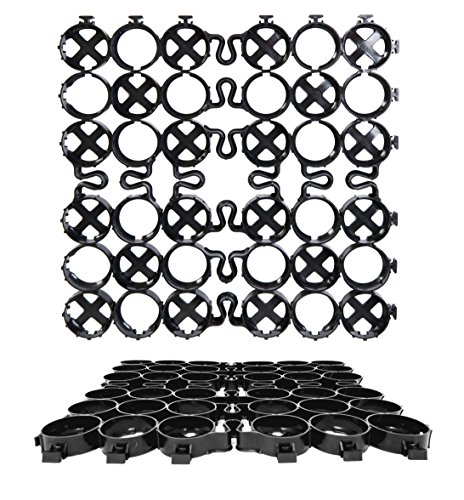
The PRO LITE sits in a slightly different weight class than the Vodaland grids, with a 120,000-pound load rating that makes it a common sight under RV pads and commercial driveways. For greenhouse work, that headroom translates into a floor that won’t shift when you roll in a loaded wheelbarrow or park a small tiller inside. Eighteen panels cover around 72 square feet, enough to lay down a full pad in an afternoon for most hobby setups.
Made in the USA from post-consumer recycled HDPE (high-density polyethylene, a rigid, moisture-resistant plastic), the panels snap together without special tools and drain instantly through their open cells. In most regions, the grid handles freeze-thaw cycles, snow plowing, and heavy summer rain without losing shape. Compare that to poured concrete, which cracks when the ground heaves.
The Value In It
- 120,000-pound load class is overkill for greenhouses, and that’s the point.
- Recycled HDPE build holds up to all climates, including snow and standing water.
- 100 percent permeability eliminates puddles and reduces mud tracked into work areas.
- Snow-plow friendly surface for growers in northern climates.
- DIY-friendly install with no special fasteners or adhesives.
Trade-Offs To Consider
- Larger per-panel footprint means more cutting around curved greenhouse bases.
- Without proper base prep, panels can settle unevenly on soft clay soils.
- Grass fill takes several weeks of growth before it can handle regular foot traffic.
Whose Shelf It Belongs On
Greenhouse owners outfitting a full pad or runway who want a long-service-life base and don’t mind spending a Saturday on base prep.
Where Another Pick Suits Better
Smaller hobby structures may not need this much load capacity, in which case the Vodaland HexPave (pick 1) is a sensible step down in size and effort.
Inside a working greenhouse, the floor that matters most is often the one under your boots during a long day of transplanting. The VEVOR interlocking drainage mats are 12-inch soft PVC squares with raised support pins underneath, creating an air gap that lets water drain through rather than pool on top. Fifty tiles cover roughly 50 square feet, which works well as a defined walkway in front of a bench or a stand-alone pad near the potting station.
The non-slip surface holds up to wet conditions, and the soft PVC cushions feet better than rigid pavers. For most growers who spend hours repotting, that ergonomic difference shows up fast in lower back and knee fatigue. Compared to the hard grid systems earlier in this list, these tiles trade load capacity for comfort and quick water clearance.
Reasons It Performs
- 0.6-inch support pins lift the surface off the floor, so water drains fast and the mat dries quickly.
- Soft PVC flexes underfoot, easing fatigue during long sessions at the bench.
- Modular 12-inch squares click together with no tools, so layouts adjust as your space evolves.
- Non-slip texture keeps footing secure even when wet from misting or spills.
Small Caveats
- Soft PVC can dent under sharp loads like wheelbarrow legs or heavy clay pots.
- Direct, prolonged sun on the tiles can shorten service life; a shaded interior helps.
Made For
Greenhouse owners who want a defined, cushioned work zone for transplanting and don’t need to roll heavy equipment across it.
Skip It When
You need full-coverage vehicle access; the TRUEGRID PRO LITE (pick 2) is built for that job.
The black 55-pack version of VEVOR’s drainage tile shares the same 12-inch soft PVC construction as the gray 50-pack but trades a slightly larger coverage area for a darker finish. For most greenhouses, that darker tone hides soil stains and water spots better than light gray, which means the floor looks cleaner between deep cleans. Five extra tiles also give you more flexibility for irregular layouts around benches and irrigation lines.
The raised support pins underneath create the same drainage channel system, so puddles drain off the walking surface quickly. The non-slip top holds traction in misty conditions, a real plus when you’re moving between humid zones. In our view, this is the tile to reach for when appearance matters as much as function.
Where It Excels
- Darker color masks soil and algae staining common in growing environments.
- 55-tile count covers more ground per purchase than the smaller gray pack.
- Raised pin design channels water away from the surface fast.
- Modular format allows custom shapes around fixed greenhouse features.
Factors To Consider
- Black absorbs more heat in sun-exposed greenhouse corners, which may stress nearby plants.
- Soft PVC tiles still won’t take heavy rolling loads the way rigid pavers will.
Right Fit For
Greenhouse owners who want a clean, dark-toned work floor and need a larger coverage area for a wide central aisle.
Swap It Out When
You’d rather have a lighter, more cushioned mat; the VEVOR Modular Interlocking Cushion (pick 3) leans toward comfort over coverage.
Not every greenhouse needs a permanent poured or paver base, especially for first-year growers testing a layout. The Goovilla plastic deck tiles are 12-inch squares that click together with a basic snap-fit, which is fast enough that nine tiles (9 square feet) goes down in minutes. The high-density plastic handles rain, snow, and direct sun without warping the way cheaper resin tiles sometimes do.
For most small hobby greenhouses, this kind of floor works as a portable base that can be moved or expanded next season. The dark grey finish pairs well with both wood and metal frames, and the surface is comfortable enough to kneel on for short tasks. Compared to the heavier grid systems, these tiles sacrifice load capacity for portability and ease of install.
The Good Stuff
- Lightweight plastic makes layout and repositioning a one-person job.
- Snap-together design needs no tools, fasteners, or adhesives.
- Better waterproofing than wood tiles, so it handles greenhouse humidity well.
- Stable under direct sun, heavy rain, and freeze-thaw cycles.
Honest Caveats
- Nine tiles only cover about 9 square feet, so larger spaces need multiple packs.
- Plastic top can be slippery when freshly wet; a textured mat on top helps in work zones.
Made For
New greenhouse owners starting small who want a flexible, low-commitment floor that can grow with their setup.
A Better Fit Elsewhere
You need full-coverage weed suppression under gravel; the Pterying Weed Barrier (pick 6) is purpose-built for that job.
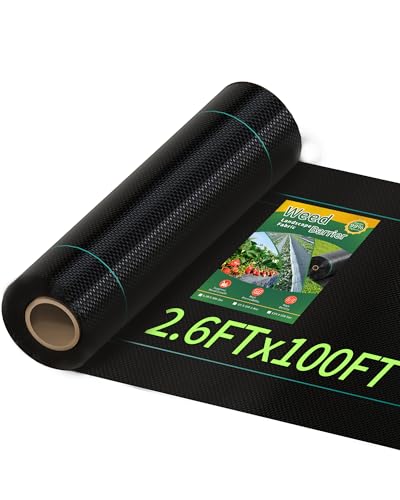
A geotextile (a tough, woven fabric designed to separate soil layers while letting water pass) doesn’t sit on top of a greenhouse floor; it sits underneath it. The Pterying weed barrier is woven polypropylene rated at 2.4 ounces per square yard, which puts it in the heavy-duty range for landscape use. The 2.6 by 100-foot roll lays out in long strips beneath gravel, pavers, or hard-packed surfaces to block weeds from pushing up through.
You may find that pairing this fabric with one of the paver systems above gives you the best of both worlds: a load-bearing surface on top and a quiet weed barrier below. The UV-stabilized weave resists breaking down in sunlight during the install phase, and the tight construction keeps aggressive roots from punching through. For most greenhouse floors built on bare soil, this layer is what separates a five-year install from a ten-year one.
Useful Highlights
- Woven polypropylene physically blocks sunlight, stopping weed seed germination without herbicides.
- UV-stabilized construction extends service life across multiple growing seasons.
- High tensile strength resists tearing during install and under foot traffic.
- Water still passes through, so drainage isn’t compromised.
Practical Considerations
- Fabric alone isn’t a finished floor; it must be covered with gravel, pavers, or another walking surface.
- 2.6-foot width requires overlapping seams on wider greenhouse footprints.
Right Fit For
Greenhouse owners building a soil-base floor who want long-term weed control beneath their gravel or paver surface.
Reach For A Different Pick When
You want a finished walking surface rather than a hidden underlayer; the Vodaland HexPave (pick 1) or Goovilla deck tiles (pick 5) are better standalone choices.
Most greenhouse floors are about drainage, but some growing spaces double as workshops, especially in colder zones where you repair tools indoors during the off-season. The Grandroad auto garage mat is an 8 by 20-foot roll of 2.8mm-thick PVC rubber with a diamond plate pattern on top, sized to fit a single-car bay or a wide greenhouse center aisle. The 20 included adhesive tapes hold the edges in place once unrolled.
The diamond plate texture grips muddy boots and resists slipping when the surface is wet from rain tracked in. For most growers, the appeal is protection: spills, dropped tools, and oil drips stay on the mat rather than soaking into the ground beneath. The manufacturer notes that low temperatures affect how flat the mat lays, so indoor installation in a climate-controlled space gives the cleanest result.
What Helps Most
- 2.8mm thickness cushions dropped tools and resists tearing under rolling loads.
- Diamond plate top provides traction in wet and muddy conditions.
- Large 8×20-foot coverage suits spacious greenhouse interiors.
- PVC rubber wipes clean with basic soap and water.
Less Ideal Details
- Cold weather can leave slight bulges; a warm indoor space helps the mat lay flat.
- Solid rubber sheet, not perforated, so standing water needs to be squeegeed off rather than drained through.
- Black shows dust and lint more visibly than the gray variant.
Right Fit For
Greenhouse owners who also use the space as a repair or potting area and want spill protection over an existing surface.
Where A Sibling Pick Shines
You prefer a lighter color that hides dust better; the Grandroad gray version (pick 8) is identical in build with a different finish.
The gray version of the Grandroad mat shares the same 2.8mm PVC construction and 8 by 20-foot dimensions as its black sibling, but the lighter finish changes how the surface reads day to day. In a potting shed or propagation area, where dust, perlite, and dry soil land constantly, gray hides the powdery mess that makes black mats look permanently dirty. For most home growers, that’s a meaningful difference over a full season.
The diamond plate top still grips wet boots, and the 20 included adhesive tapes hold the perimeter in place. Where this mat really earns its place is in shared spaces that serve as both a greenhouse floor and a work surface, since spills wipe up without leaving the obvious stain black shows. Assuming standard indoor conditions during install, the mat lays flat and stays put.
A Strong Showing
- Light gray finish hides dust and perlite better than dark alternatives.
- Same thick PVC build delivers spill protection and tool-drop cushioning.
- Diamond plate texture maintains traction in wet conditions.
- Spacious 8×20-foot coverage matches larger greenhouse footprints.
Points To Keep In Mind
- Not a drainage surface; standing water sits on top rather than flowing through.
- Low temperatures affect how flat the roll lays, so warm install conditions help.
Right Fit For
Greenhouse owners running a dust-prone potting or propagation area who want a cleanable, light-toned work floor.
Consider Something Else When
You actually need a permeable, drain-through surface; the VEVOR drainage tiles (pick 3 or 4) are designed for that specific need.
Picking the Right Greenhouse Floor for Your Setup
A greenhouse floor has to do three things at once: move water away, support the loads you bring in, and stay cleanable. Drainage comes first, because standing water breeds algae, fungus gnats, and slippery surfaces. Permeable pavers and drainage tiles both clear water fast, while solid rubber mats need a slight slope or a squeegee routine to stay dry.
Load capacity matters more than most beginners expect. Soil bags, cinder blocks, and bench legs all add up, and a floor that flexes under that weight develops low spots that collect water. Rigid grid systems like the Vodaland and TRUEGRID pavers handle rolling weight, while soft PVC tiles suit lighter work zones.
Material choice rounds out the decision. Recycled plastic grids last outdoors for years. Soft PVC mats wear faster under sun and heavy loads, but they cushion feet during long sessions. Woven geotextile does its job out of sight, blocking weeds beneath whatever surface you build above it.
Key Considerations Across These Picks
Common Buying Slip-Ups
First-time greenhouse owners often buy a floor before deciding on benches, irrigation, and traffic patterns, then realize the layout doesn’t fit. Lay out your benches, water lines, and door swings on paper first, then measure the floor footprint against that plan. Another trap is skipping base prep: even the best paver grid settles unevenly on soft soil without a compacted gravel base underneath.
Where the Extra Money Goes
Higher-tier flooring costs more for thicker material, larger coverage, and load ratings that exceed typical home use. The TRUEGRID PRO LITE, for example, carries a 120,000-pound load class that hobby growers will never approach, but that headroom means the panels stay rigid under any realistic condition. Spending up makes sense when you want a one-time install that won’t need replacing in five years, especially in climates with harsh winters. For a small hobby greenhouse, a mid-range paver or drainage mat delivers most of the benefit at a friendlier entry point.
Frequently Asked Questions
What is the best flooring for a wet greenhouse?
Permeable options like the TRUEGRID PRO LITE or VEVOR drainage tiles move water off the surface fast, which reduces algae and slip hazards. For most growers, permeability beats solid surfaces because greenhouses stay humid year-round.
Can I use outdoor pavers inside a greenhouse?
Yes, as long as the base is properly leveled and compacted. The Vodaland HexPave and TRUEGRID PRO LITE are both rated for outdoor use and handle greenhouse humidity well.
Do greenhouse floors need weed barriers?
A woven geotextile like the Pterying fabric is worth adding beneath any soil-based floor. It blocks weeds without trapping water, extending the life of gravel or paver surfaces above it.
How thick should a greenhouse floor mat be?
For walkways and work zones, 2.5mm or thicker holds up to boot traffic and dropped tools. The Grandroad 2.8mm mats are a common thickness for this kind of use.
Can I mix two flooring types in one greenhouse?
Absolutely. Many growers pair a rigid paver base with a cushioned drainage mat in front of the main bench. The combination handles equipment at the door and comfort at the workstation.
Wrap Up
The right greenhouse floor depends on how you actually use the space, not just how it looks in a catalog. Heavy equipment demands rigid pavers, long work sessions call for cushioned tiles, and any soil-based base benefits from a geotextile underneath. Match the material to the workload, prep the site properly, and the floor will quietly do its job for years. Pick the option that fits your footprint and your routine, and the rest of the greenhouse will fall into place around it.
