

A backyard greenhouse pays for itself in seed-starting confidence alone, turning March into a viable growing month and stretching fresh greens well into late fall. The right structure depends on your square footage, your climate, and whether you want a weekend project or something you can pop open in an afternoon. Nine options sit below, ranging from a quick-deploy tent to a walk-in wooden build, and the notes ahead cover what each one genuinely offers, where it falls short, and who should grab it.
The Main Contenders
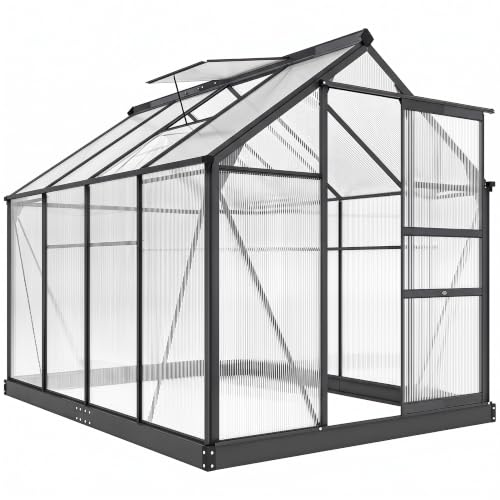
Outsunny 6′ x 8′ Polycarbonate Greenhouse with Rain Gutter

CROWN SHADES 8×6 Pop Up Greenhouse (White)
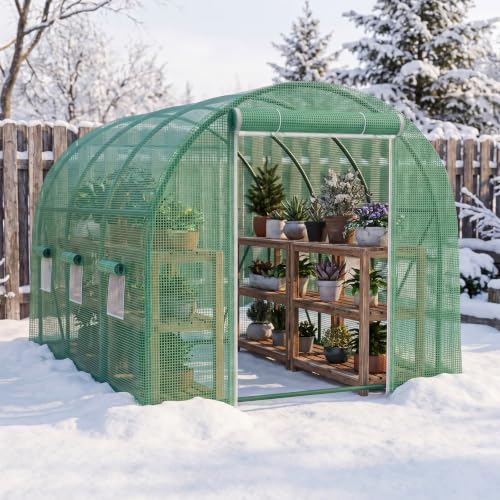
gaildon 10x7x7 FT Heavy Duty Walk-in Greenhouse

Outsunny 20′ x 10′ x 7′ Walk-in Tunnel Greenhouse

EASYHAWK 6×8 FT Wooden Greenhouse with Polycarbonate Panel

Outsunny 15′ x 6′ x 7′ Walk-in Tunnel Greenhouse

Garvee 6×8 FT Wooden Greenhouse (Spruce Frame)
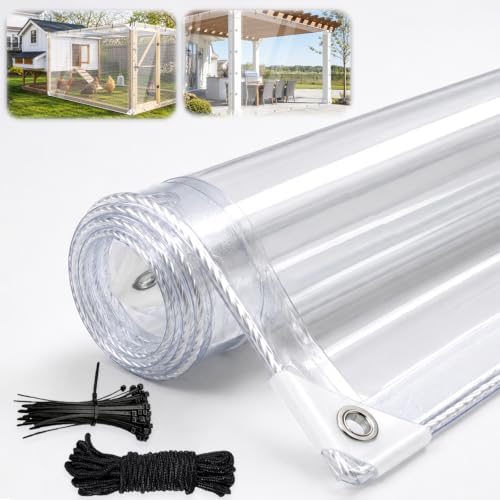
LC&QS Clear PVC Tarp 8′ x 10′ with Grommets
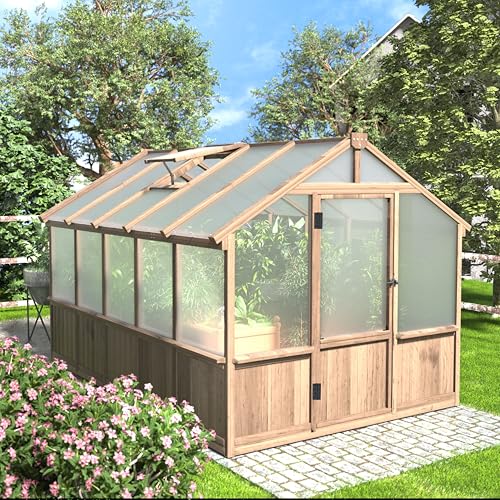
Yardenaler 8×10 FT Wooden Greenhouse with Adjustable Roof Vent
Why These Options Stand Out
The Outsunny 6′ x 8′ walk-in sits at the comfortable middle of the category: rigid enough to leave up year-round, compact enough to fit against a fence. The twin-wall polycarbonate panels hold humidity well and insulate seedlings during spring cold snaps, which is the scenario most backyard growers actually care about. For anyone who wants a single structure that handles tomatoes in summer and trays of starts in March, this is a sensible anchor build.
It does a lot of things without specializing, and that is precisely the appeal. Unlike the pop-up option coming up next, this is a true semi-permanent install with a real door and a sloped rain gutter for water capture.
What Helps Most
- Twin-wall polycarbonate balances light transmission with insulation, so tender starts get sun without cooking
- Integrated rain gutter gives you a free barrel-fed water source for the rest of the garden
- Walk-in height lets most adults stand and work comfortably, which matters during long transplant sessions
- Gray aluminum frame blends into modern backyards better than green tubing
Things To Consider
- Anchoring to a level base is essentially required; skipping it leads to warped panels within a season
- Ventilation is limited, so leaving the door cracked on hot days is standard practice
Quick Technical Notes
Whose Patch This Suits
Hobbyists with a flat patio or prepared base who want a real walk-in that survives winter without daily fussing.
Consider Something Else When
You want a structure you can fold and store; the CROWN SHADES pop-up greenhouse is the better fit for renters and seasonal users.
The CROWN SHADES pop-up trades permanence for pure convenience. A one-push center lock means you can have the whole thing standing in your driveway within a minute, no tools, no sweat. For someone who rents, stores tools in a small shed, or simply wants to test whether a greenhouse fits their routine, that single feature outweighs almost every other consideration.
It is a real walk-in footprint at 8 by 6, so you can stage trays of seedlings, pot up tomatoes, or shelter peppers during a cold snap. Compared to the rigid Outsunny above, the trade-off is wind tolerance: this needs to be staked down hard or it will travel across the yard.
A Few Highlights
- Patented one-push center lock, no assembly or tools required
- Internal support pole under the hub adds meaningful frame rigidity
- Generous 8×6 walk-in space, roomy enough for shelves on each side
- Folds back into a flat disc for off-season storage in a closet or garage
Worth Noting
- Fabric cover, not rigid panels, so it does not insulate as well as polycarbonate in deep cold
- Staking and weight bags become mandatory once the wind picks up
- UV exposure shortens cover life; expect a few seasons of heavy use before the fabric thins
Best Suited To
Apartment dwellers and renters who need a portable growing space they can take to the next place without leaving a concrete anchor behind.
Where Another Pick Suits Better
You garden in a windy open lot, where the gaildon galvanized tunnel greenhouse stays put when this one would not.
The gaildon 10x7x7 is the muscle-bound option in this lineup, with a galvanized steel frame and four diagonal bracing bars that are clearly designed to keep the structure planted in real weather. Six mesh windows plus a roll-up door give you control over airflow, which is the part most cheap tunnels get wrong. Anyone gardening in a windy region or a backyard with no fence line will appreciate the extra metal in the bones.
The PE cover is heavier than entry-level plastic, which helps with both insulation and UV protection, though it still cannot match rigid panels. Compared to the Outsunny 6×8 polycarbonate, this is roomier and more ventilated, but lets in less light per square foot.
Benefits That Matter
- Galvanized steel frame resists rust through repeated wet seasons
- Cross bars and four diagonal braces meaningfully improve wind tolerance
- Six mesh windows let you tune airflow without propping doors open
- Roll-up zippered door gives a wide opening for moving bags of soil and flats of starts
Trade Offs
- PE cover is replaceable but not as long-lived as polycarbonate panels
- 10-foot footprint demands a flat, roomy spot, and assembly is a longer afternoon than smaller kits
Feature Snapshot
Right Fit For
Backyard growers in coastal or prairie climates where spring storms would shred a lighter structure.
Look Elsewhere When
Your priority is curb appeal, since the EASYHAWK wooden greenhouse reads as architecture rather than a garden tent.
The 20-foot Outsunny tunnel is the answer when a backyard greenhouse is the entire gardening plan, not a supplement to in-ground beds. With 200 square feet of covered space, you can run a real rotation: tomatoes along one wall, propagation shelves along the other, and a center aisle wide enough for a wheelbarrow. For families or serious hobby growers, that scale changes what is possible.
It carries the same galvanized frame philosophy as the gaildon above, but stretched out. The honest read is that this is overkill for a few herb pots, and it really shines for someone who already knows they want to push production through the shoulder seasons.
Useful Highlights
- 200 sq ft footprint swallows a serious collection of containers and raised beds
- Galvanized steel construction with slant bracing and a front cross bar for stability
- Zippered roll-up door doubles as a wide opening for moving larger plants in and out
- Green PE cover blends with surrounding foliage so it recedes visually in a leafy yard
Honest Caveats
- Requires a level, prepared base; do not try to set this up on sloped lawn
- Footprint is large enough that a building permit may apply in some municipalities, so check locally
- PE cover is a wear item; owners commonly report replacing it within several seasons
Core Details
Made For
Families or heavy users who treat the greenhouse as a four-season production space, not a season extender.
Skip It When
You only want to start a few trays of annuals; the smaller Outsunny 15′ x 6′ tunnel below delivers similar feel for a fraction of the footprint.
The EASYHAWK wooden greenhouse doubles as garden architecture. Where every other pick in this roundup is essentially a fabric tent or aluminum frame, this is a stained timber structure with rigid polycarbonate panels and metal reinforcement brackets at the joints. For a backyard where the greenhouse sits within view of the kitchen window, the visual difference matters.
Parts arrive pre-cut and pre-drilled, which is the part that determines whether the build is a weekend project or a frustration marathon. Against the Outsunny aluminum unit earlier, the tradeoff is weight and assembly time in exchange for a piece that actually looks intentional.
Practical Advantages
- Natural wood frame adds warmth that metal greenhouses rarely achieve
- Pre-cut and pre-drilled parts reduce guesswork during the build
- Polycarbonate panels diffuse light, so tender starts do not scorch on south-facing benches
- Metal brackets at the joints stiffen the structure beyond what a basic wood frame offers
Points To Keep In Mind
- Wood requires occasional resealing or staining to keep its appearance through wet seasons
- Two adults and a clear afternoon are realistic expectations for setup
Perfect Match For
Homeowners who treat the garden as an extension of the home and want a structure that looks curated, not improvised.
Reach For A Different Pick When
You want a lighter wood build that ships with assembly videos; the Garvee spruce frame greenhouse below is friendlier for first-time wood-kit owners.
The 15-foot Outsunny tunnel is the middle child that actually fits most yards. Its narrow 6-foot width slips alongside a fence, a hedge, or a garage wall, which is the kind of real estate a lot of homeowners actually have available. Compared to its 20-foot sibling earlier, this one trades a third of the floor space for a footprint you can stage without reshaping the whole garden.
The PE cover carries a reinforcement grid through the middle layer, which is a small detail that meaningfully extends cover life. You also get a roll-up zippered entry, similar to the larger tunnel, so airflow stays manageable through July.
The Good Stuff
- 15 ft x 6 ft footprint fits narrow side yards where wider tunnels will not go
- Two-layer 140 GSM PE cover with internal reinforcement grid adds tear resistance
- Allows about 85 percent of sunlight through, enough for fruiting crops
- Walk-in ceiling height keeps the work comfortable for most adults
Soft Spots
- Single-aisle design means you walk through your work zone to reach the back
- PE cover will need replacement eventually; budget for it as a maintenance line item
Built With In Mind
Suburban homeowners with a narrow side strip between the house and a fence who want a real growing space, not a starter cold frame.
A Better Fit Elsewhere
You need genuinely rigid panels for winter; the Outsunny polycarbonate 6×8 holds heat more reliably than this PE-covered tunnel.
The Garvee 6×8 is the friendliest wood-kit entry point in this roundup. The brand ships detailed assembly videos alongside the manual, and the polycarbonate panels are notably lightweight, so you are not wrestling heavy sheets over your head during the build. For someone who has never built a wood-framed structure before, that hand-holding is the deciding factor.
The spruce frame looks similar to the EASYHAWK above, but the user experience is tuned differently. Where EASYHAWK leans into architectural finish, Garvee prioritizes a build that does not require prior project experience.
Well-Handled Touches
- Assembly video included, which de-risks the first-time wood-kit build
- Shatter-resistant polycarbonate panels are lighter and safer to install than glass
- Spruce frame has a clean, light appearance that suits smaller backyards
- 6×8 footprint is the standard backyard-friendly size
A Few Limitations
- Spare hardware is not always included, so keep a small parts bin handy
- Wood will need sealing if you want the natural color to last beyond a few seasons
Who Should Grab It
First-time greenhouse owners who want a wood structure without committing to a heavy architectural build.
Swap It Out When
Climate control matters more than build ease; the Yardenaler 8×10 with an adjustable roof vent is the better pick for growers who actively manage airflow.
This pick is the odd one out, and that is the point. The LC&QS clear PVC tarp is not a greenhouse by itself, but it is the cover material most DIY cold frames and lean-to builds rely on. For someone who already has a wooden frame, a cattle panel hoop, or a salvaged window structure, a heavy clear tarp with grommets finishes the project cleanly. The 14-mil thickness is genuinely heavy for the category.
Compared to the ready-made kits in the rest of this roundup, this is the part you buy when you want to build something custom. It also doubles as a winter cover for patio furniture or a chicken run, so the cost gets amortized beyond a single project.
Strong Points
- Transparent PVC lets full light through, so it functions like glass for plant growth
- Grommets and included ropes simplify tying it down to a frame
- 14-mil thickness handles wind and weather without tearing at the seams
- Multipurpose enough to also cover outdoor seating, wood piles, or workbenches
Points To Note
- Requires a frame; this is a component, not a complete greenhouse
- Clear vinyl can cloud over time in strong sun, which reduces light transmission over the years
The Right Fit
DIYers building a custom cold frame or hoop house who need a clear, heavy cover and already have the frame figured out.
Not Your Match When
You want a turnkey structure; the CROWN SHADES pop-up greenhouse ships ready to deploy without a build plan.
The Yardenaler 8×10 is the most climate-aware greenhouse in this roundup. The adjustable roof vent opens up to 45 degrees, so you can actively control temperature and humidity rather than just propping a door. Paired with 6mm twin-wall polycarbonate panels, the structure is built for growers who think about airflow as a tool, not a nuisance.
The light mocha finish reads warmer than raw wood, and the lockable door adds a layer of practical security if you store tools or seedling lights inside. Against the Garvee entry above, this is the upgrade pick: similar footprint family, better ventilation engineering, more refined finish.
Everyday Perks
- Adjustable roof vent, opening up to 45 degrees, lets you manage heat without leaving the door cracked
- 6mm thick polycarbonate panels are stiffer and longer-lasting than thinner sheets
- Lockable door protects trays, lights, and tools from casual theft
- Light mocha wood finish blends with most home exterior palettes
Room For Improvement
- Heavier than pop-up or PE options, so plan for a build day rather than an hour
- 8×10 footprint is generous, so this is not the choice for tight side yards
Feature Card
Who It Suits Best
Growers in regions with hot summers and cool shoulder seasons who want to ventilate actively rather than passively.
Where A Sibling Pick Shines
You need something you can fold away; the CROWN SHADES pop-up unit handles the off-season without taking up yard space.
Picking The Right Greenhouse For Your Yard
The first decision is footprint, since it dictates everything else. Measure the spot you have in mind, then subtract two feet on every side for access and airflow. A 6×8 unit feels compact until you try to walk a wheelbarrow past it, and a 20-foot tunnel sounds generous until you realize it eats half the lawn. For most backyard gardeners, the 6×8 to 8×10 range is the sweet spot, big enough to stage trays and a few containers, small enough to leave the rest of the garden alone.
The second decision is glazing. Polycarbonate panels, the rigid plastic sheets used in the Outsunny aluminum, EASYHAWK, Garvee, and Yardenaler builds, insulate well and diffuse light, which is exactly what seedlings want. PE covers, the fabric-like material on the gaildon and Outsunny tunnels, are cheaper and easier to replace but offer less winter protection. PVC tarps, like the LC&QS option, are a DIY component rather than a finished cover. Match the material to your climate: cold winters reward rigid panels, mild shoulder seasons get by with reinforced PE.
Frame material matters more than people expect. Aluminum and galvanized steel both resist rust, but aluminum is lighter to ship and easier to level. Wood, used in the EASYHAWK, Garvee, and Yardenaler builds, brings warmth and architectural presence, though it asks for occasional sealing to keep its finish. Pop-up frames, like the CROWN SHADES, prioritize portability over longevity, and that is the right trade in the right situation.
Ventilation is the feature most beginners undervalue. A greenhouse that cannot release heat will cook your tomatoes by July. Roof vents, mesh windows, and roll-up doors are not luxury features; they are the difference between a productive space and a solar oven. The Yardenaler adjustable roof vent and the gaildon’s six mesh windows are both solid answers to this problem.
Finally, think honestly about how permanent you want the build to be. Renters, frequent movers, and seasonal gardeners benefit enormously from a pop-up that folds flat. Homeowners with a stable yard get more value from a rigid structure that stays up year after year. There is no wrong answer, only the answer that matches how you actually live.
Key Considerations Across These Picks
Pitfalls Shoppers Hit
The most common error is buying a greenhouse that is one size too small. Once you add a propagation shelf, a couple of tomato towers, and a bag of soil, a 6×8 fills up fast. The second most common error is anchoring casually, or skipping it entirely, which turns a windy weekend into a hunt across the neighbor’s yard. The third is underestimating the importance of ventilation, so the structure cooks the first warm week and the gardener quietly abandons it.
Where The Extra Money Goes
Higher-tier models earn their price through glazing thickness, frame reinforcement, and active ventilation. A 6mm polycarbonate panel, like the Yardenaler’s, insulates noticeably better than the 4mm sheets common on entry-level kits. Galvanized steel frames with diagonal bracing handle real weather, while lighter pop-up frames do not. Adjustable roof vents and lockable doors add genuine function, not just appearance. For growers who plan to use the space weekly, those upgrades pay for themselves in plant survival alone.
Frequently Asked Questions
What size greenhouse works for a small backyard?
A 6×8 footprint is the most common starting point, and it offers enough room for a propagation shelf and a few containers without dominating the yard. Measure your space first, then subtract two feet of clearance on every side.
How do I keep a greenhouse from blowing away?
Anchoring matters more than frame thickness. Ground stakes, weighted bags, or a base attached to a wooden frame all work. Pop-up tents need extra weight, while rigid structures stay put with basic staking.
Do I need a permit for a backyard greenhouse?
In many municipalities, small temporary structures fall outside permit requirements, while permanent builds above a certain size do. Local rules vary, so check with your city or county before installing anything larger than 10×10.
How long does a PE cover last compared to polycarbonate?
Reinforced PE covers typically last several seasons before needing replacement, while polycarbonate panels routinely last a decade or more with minimal upkeep. The tradeoff is upfront cost against long-term maintenance.
Can I use a greenhouse year-round?
Year-round use is realistic in mild climates with rigid, insulated panels and active ventilation. In colder regions, a small heater paired with twin-wall polycarbonate extends the season significantly, though deep winter growing still depends on supplemental light and heat.
Final Verdict
The right greenhouse is the one that matches the yard you actually have, the climate you actually live in, and the gardening you actually plan to do. Walk-in pop-ups make sense for renters and small patios, galvanized tunnels reward exposed lots, and wood-framed builds bring presence and longevity to a settled backyard. Match the structure to the situation, anchor it properly, and the growing season stretches further than you expected.
