

Rain has a way of undoing the work you put into a slope. One good downpour and seed washes downhill, mulch floats, and that newly leveled garden bed looks like it never happened. The right ground cover acts like a quiet anchor, holding soil, seed, and mulch in place while roots get a chance to do their work.
The list below mixes woven polypropylene fabrics, excelsior blankets, and biodegradable jute or straw mats. Each one handles a different kind of job, from flat flower beds under control to steep slopes after construction. Read for the scale of your project, the steepness of your terrain, and how long you want the cover to last, then match a product to the situation.
The Lineup, Simplified
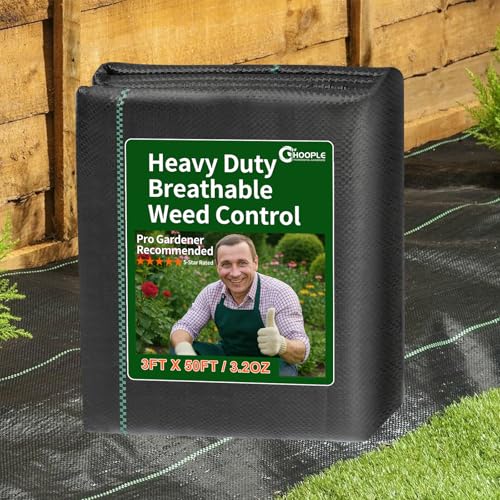
HOOPLE 3FT x 50FT Heavy-Duty Weed Barrier Fabric
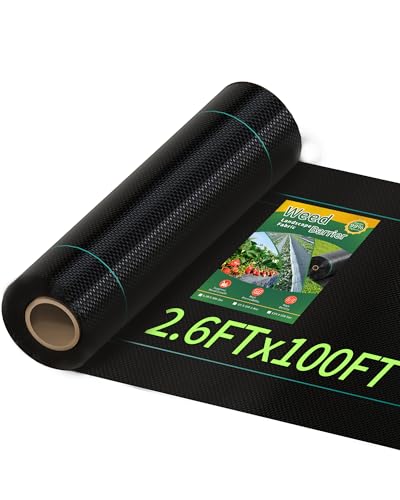
Pterying Weed Barrier Landscape Fabric 2.6ftx100ft
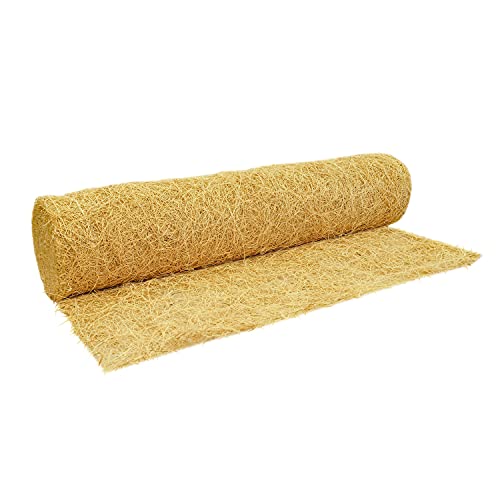
American Excelsior QuickGrass Pro Erosion Control Blanket 2.5’x50′

Sunocity 6ft x 300ft Black Weed Barrier 3.5oz
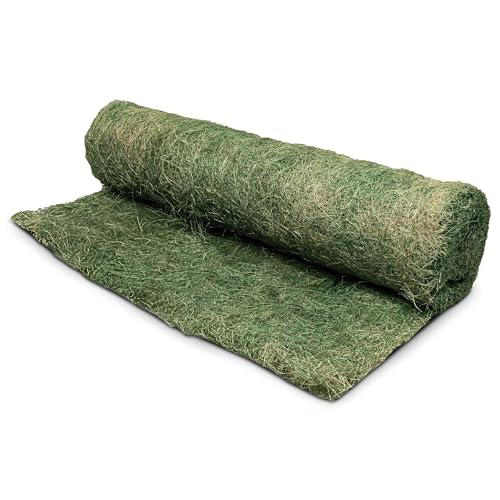
DeWitt Single Net Excelsior Erosion Control Blanket 4×112.5ft

Farm Plastic Supply 48in Jute Netting 225ft Roll
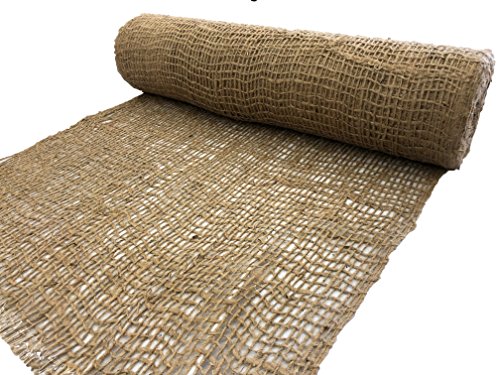
AK Trading Co. Jute Erosion Control Mesh Blanket 48in x 60ft

Farm Plastic Supply Straw Erosion Control Blanket 7.5ft x 112.5ft

American Excelsior QuickGrass Pro 4ft x 50ft Green Blanket
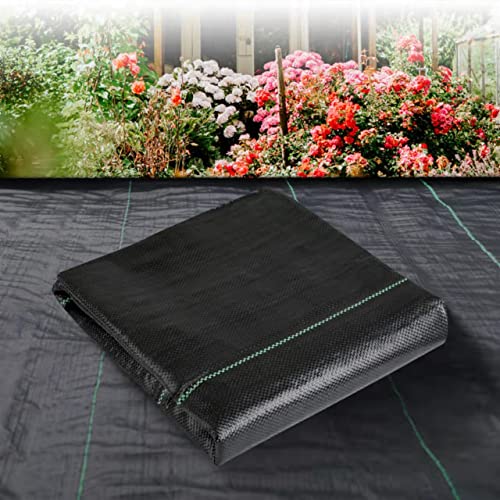
LGJIAOJIAO 3ft x 50ft Heavy-Duty Weed Barrier Fabric
The Strengths Of Each Pick
The HOOPLE 3FT x 50FT Heavy-Duty Weed Barrier Fabric is a woven polypropylene sheet built for the most common landscaping situation: a flat to gently sloped bed where weeds are the main headache, and erosion is a slow concern rather than a sudden one. The tight weave physically blocks sunlight from reaching weed seeds, so they don’t germinate, while the material itself still allows water to pass through into the soil below.
For most backyard flower beds, this 3-foot width is easy to handle solo. You can roll it out, cut it with a utility knife, and pin it down without recruiting help. It’s the kind of basic that pairs well with mulch on top, giving you a tidy bed that needs less hands-on weeding through the season.
Notable Upsides
- Woven polypropylene construction that physically blocks weed germination
- Permeable design lets rain and irrigation reach plant roots
- 3-foot width makes it manageable for solo installation
- Functions as light underlayment beneath gravel paths and small driveways
Worth Noting
- Not designed for steep slopes where concentrated water flow is the main concern
- Fabric exposed to direct sun breaks down faster than buried sections
- 50-foot length means joining seams on larger projects, which adds labor
Made For
Homeowners laying out flat to gently sloped flower beds, vegetable gardens, and gravel pathways who want a low-effort weed barrier that still breathes.
Skip It When
You need true slope protection, where the American Excelsior QuickGrass Pro Erosion Control Blanket 2.5’x50′ is the better tool for the job.
The Pterying Weed Barrier Landscape Fabric stretches 100 feet from a single roll, which matters more than it sounds when you’re covering a long vegetable garden or a fresh landscape bed without seams. The 2.6-foot width is narrower than most, so it suits long, narrow strips better than wide open beds. The woven polypropylene carries UV-stabilized construction, which slows the breakdown that plagues cheaper fabrics left in direct sun.
Heads up, in our view: this is fundamentally a weed and light erosion fabric, not a true slope blanket. If your site has serious grade or concentrated runoff, you’ll want to step up to a dedicated erosion control blanket later in this list.
Useful Touches
- 100-foot length covers long beds without splicing
- UV-stabilized woven polypropylene extends outdoor service life
- Heavy-duty 2.4 oz weight balances strength and lay-flat handling
- Resists tearing and fraying at edges during install
Trade Offs
- 2.6-foot width means more seams on wide installations
- Not a substitute for true slope blankets on steep grades
- Lighter than the heaviest geotextiles used under driveways
Feature Snapshot
Whose Shelf It Belongs On
Gardeners managing long rows of vegetables, berries, or hedges who want fewer seams and a fabric that won’t fall apart after a single season of sun.
Where Another Pick Suits Better
The Sunocity 6ft x 300ft Black Weed Barrier is the smarter pick when you need a wide roll to cover a whole yard without joining strips.
The American Excelsior QuickGrass Pro Erosion Control Blanket is the first pick on this list that is genuinely built for slopes. Unlike the woven fabrics above, this is a wood excelsior blanket, meaning a thick mat of curled wood fibers stitched together to form a single protective layer. The fibers cling to soil and to each other, which is what holds seed and topsoil in place while vegetation establishes.
It’s the right call after a hillside is graded, reseeded, or otherwise disturbed. The 2.5-foot width keeps rolls light and easy to carry down a slope, and installation is straightforward: roll it out, stake it down, water, and walk away. Most owners see germination happen underneath the blanket rather than getting washed away on top of it.
The Good Stuff
- Wood excelsior fibers hold seed and soil on slopes and embankments
- Complies with most stormwater management regulations for job sites
- Shades seeds from birds and direct sun during germination
- Degrades naturally once vegetation takes over
Small Caveats
- Contains no grass seed, so you supply and sow seed separately
- 2.5-foot width means more seams on wider slopes
- Heavier than woven fabric, so solo handling on long runs can be tiring
Right Fit For
Homeowners and contractors reseeding a hillside, drainage swale, or recently graded slope who need a blanket that holds up under heavy rain and concentrated flow.
Consider Something Else When
You’re working a shallow, low-risk slope and would prefer a fully biodegradable jute mat, where the Farm Plastic Supply 48in Jute Netting 225ft Roll fits more naturally.
The Sunocity 6ft x 300ft Black Weed Barrier is the heavyweight woven option on this list, with 3.5 oz fabric covering a 6 by 300 foot footprint. That single roll covers 1,800 square feet, which is the difference between a Saturday project and a multi-day one. The width alone means most backyard beds can be covered with a single pass, no joining required.
The 3.5 oz weight is on the heavy side for residential weed fabric, leaning toward true geotextile territory. That makes it a credible option for stabilizing the ground beneath gravel driveways or under pavers, not just suppressing weeds in flower beds.
Practical Pluses
- 3.5 oz weight gives genuine geotextile strength under driveways
- 6-foot width covers most backyard beds in a single pass
- UV-resistant woven polypropylene for multi-season use
- Permeable weave still allows water to drain through
Points To Note
- Large roll is awkward to maneuver without a helper or truck bed
- Heavier weight adds shipping and handling considerations
- Black color absorbs heat, which can stress shallow-rooted plants on hot days
Best Suited To
Property owners prepping a whole yard, a long driveway base, or a large garden footprint who want to cover the area in one or two roll-outs rather than splicing smaller fabrics together.
Not Your Match When
You’re working a small flower bed or raised garden, where the LGJIAOJIAO 3ft x 50ft Heavy-Duty Weed Barrier Fabric is a friendlier size.
The DeWitt Single Net Excelsior Erosion Control Blanket uses curled aspen wood fibers, which are notably longer and tougher than the typical wood wool in competing blankets. The result is a mat that grips disturbed soil aggressively, which is what you want on embankments, ditch bottoms, and roadside drainage areas where failure is not an option.
A single photodegradable net stitched across the top holds the fibers in place during the critical early months, then breaks down as vegetation takes over. The 4-foot width is wide enough for most residential slopes without leaving excessive seams.
Key Advantages
- Long aspen fibers provide serious grip on disturbed soil
- Single net top layer holds fibers in place through heavy rain
- Suited to embankments, ditches, and grading sites
- Photodegradable net disappears once vegetation establishes
Honest Caveats
- Single net design is lighter than double-net blankets on the most extreme slopes
- Heavier roll, weighing more per linear foot than jute options
- Green dye may be visible until the blanket fully degrades
Feature Snapshot
Perfect Match For
Contractors and serious DIYers stabilizing roadside drainage, ditch bottoms, and freshly graded embankments where soil retention is the priority over weed suppression.
Look Elsewhere When
You’re laying straw-based cover over a large seeded area, where the Farm Plastic Supply Straw Erosion Control Blanket 7.5ft x 112.5ft is built for that scale.
The Farm Plastic Supply 48in Jute Netting 225ft Roll covers 900 square feet of natural jute mesh, which is the most eco-friendly option on this list. Jute is a plant fiber that breaks down completely on its own timeline, so there’s no synthetic material left behind after the slope stabilizes. For gardeners and landowners who want their erosion control to disappear once the job is done, this is the cleanest answer.
The mesh is also widely used as a tree wrap protector for young saplings, doubling its usefulness on a property with new plantings. The 225-foot length gives you serious coverage in a single roll, depending on your soil, you may find jute breaks down faster than synthetics in wet climates, which is part of the trade-off for going biodegradable.
Benefits That Matter
- 100% biodegradable jute breaks down naturally over time
- 900 square feet of coverage from a single roll
- Doubles as tree wrap protector for new plantings
- Open mesh design holds seed, soil, and mulch in place
A Few Limitations
- Not suited to high-flow channels with concentrated runoff
- Biodegradable lifespan means it won’t last multiple growing seasons
- Wet or shaded installations may accelerate breakdown
Who Will Love This
Organic gardeners, permaculture practitioners, and homeowners reseeding shallow slopes or planting young trees who want their erosion control to fully decompose on its own.
Reach For A Different Pick When
You need a biodegradable option in a smaller, more manageable size, where the AK Trading Co. Jute Erosion Control Mesh Blanket 48in x 60ft fits a tighter project.
The AK Trading Co. Jute Erosion Control Mesh Blanket is a smaller, more approachable version of the jute option above. The 60-foot length covers about 240 square feet, which is a manageable size for a first-time erosion control project on a single garden bed or short slope. The mesh is the same natural jute material, so the eco-friendly profile carries over.
For most homeowners, this size is easier to handle, easier to store, and easier on the budget. You don’t need to commit to a 225-foot roll if your project is a single problem patch.
Strengths Worth Knowing
- 240 square foot size fits small to mid-sized garden projects
- Natural jute construction is fully biodegradable
- Open mesh holds seed and soil in place through establishment
- Manageable roll weight for solo installation
Points To Keep In Mind
- Smaller coverage means joining multiple rolls on bigger slopes
- Not intended for high-flow drainage channels
- Breaks down faster than synthetic blankets in damp conditions
Who Should Grab It
First-time users tackling a small garden slope, a reseeded patch, or a single problem area who want biodegradable protection without buying more roll than they need.
A Better Fit Elsewhere
You need slope protection that lasts through multiple seasons, where the DeWitt Single Net Excelsior Erosion Control Blanket 4×112.5ft is the more durable answer.
The Farm Plastic Supply Straw Erosion Control Blanket covers an enormous 7.5 by 112.5 foot area, which is roughly 844 square feet from a single roll. This is the choice for large post-construction reseeding projects, highway embankments, and big rural properties where lots of bare soil needs protection at once. The straw fibers are stitched into a blanket that holds moisture against the soil, which speeds germination under the cover.
The trade-off is size and weight. Depending on your soil, you may find this roll genuinely difficult to maneuver without equipment or a second person. The reward is covering a meaningful area of slope in a single, durable pass.
The Practical Payoff
- 7.5-foot width covers wide slopes in a single pass
- Straw fibers retain moisture against the soil for faster germination
- Reduces rainfall impact and sheet flow erosion
- Appropriate for stormwater and revegetation projects
Where It Is Less Suited
- Large roll weight makes solo handling difficult
- More material than most residential projects require
- Straw fibers break down within a season or two, requiring reseeding underneath
Built With In Mind
Contractors and large-property owners reseeding after major grading, roadwork, or stormwater projects where the priority is covering ground quickly with biodegradable straw.
Swap It Out When
You’re working a smaller residential slope, where the American Excelsior QuickGrass Pro 4ft x 50ft Green Blanket fits a more typical yard project.
The American Excelsior QuickGrass Pro 4ft x 50ft Green Blanket is the wider, greener sibling of the QuickGrass Pro 2.5’x50′ reviewed earlier. The 4-foot width handles typical residential slopes with fewer seams, and the green color blends in better with surrounding turf than natural-toned blankets. The excelsior construction is the same proven material that holds seed and soil in place through heavy rain.
Owners commonly report that germination happens faster under this blanket than on bare soil, because the mat holds moisture against the seed bed. The weed-free composition also means you’re not introducing any unwanted plant material into your slope.
Real-World Strengths
- 4-foot width covers more slope with each pass
- Vibrant green color blends with established lawn areas
- Holds moisture against seed for faster germination
- Weed seed free composition won’t introduce invasive plants
Possible Compromises
- Still contains no grass seed, so you supply and sow separately
- Green dye fades over the first growing season
- Heavier than synthetic fabrics, so plan help for long runs
Feature Snapshot
Made For
Homeowners reseeding a residential slope who want a wider, greener blanket that looks intentional during the establishment period and helps seed germinate faster.
Consider Something Else When
You’re stabilizing a much larger area, where the Farm Plastic Supply Straw Erosion Control Blanket 7.5ft x 112.5ft covers roughly four times the ground per roll.
The LGJIAOJIAO 3ft x 50ft Heavy-Duty Weed Barrier Fabric rounds out this list as a straightforward 3.2 oz woven geotextile option, sized for smaller residential projects. The 3.2 oz weight is genuinely heavy-duty for a weed fabric, putting it in the same conversation as the Sunocity option earlier for use under driveways and gravel. The 3-foot width keeps the roll manageable, and the material cuts cleanly with a utility knife for fitting around existing plants and curves.
This is the kind of fabric you reach for when you need more strength than a basic weed barrier but don’t need a 6-foot wide industrial roll. It’s also a useful commercial driveway fabric where pavers or gravel will sit on top.
The Value In It
- 3.2 oz weight provides genuine geotextile strength
- Woven polypropylene construction resists tearing during install
- Works under gravel driveways and paver bases
- Compact 3-foot roll is easy to transport and store
Some Limits To Know
- Smaller coverage than the wider rolls earlier in the list
- Not designed for steep slope stabilization
- Exposed sections degrade faster than covered ones
Who Will Love This
Homeowners laying out a small driveway, a paver patio base, or a residential flower bed who want heavier weed fabric than a basic option without oversizing the roll.
Look Elsewhere When
You’re covering a long, narrow garden strip, where the Pterying Weed Barrier Landscape Fabric 2.6ftx100ft gives you more length without seams.
Choosing The Right Material For Your Slope
The single biggest decision is whether you need woven synthetic fabric, a wood-fiber blanket, or a biodegradable natural mat. Each handles a different problem, and mixing them up leads to wasted effort.
Match The Material To The Terrain
Woven polypropylene fabrics, like the HOOPLE, Pterying, Sunocity, and LGJIAOJIAO options above, are primarily weed control tools that double as light erosion control. They work on flat to gently sloped ground where the main concern is keeping weeds down and the soil reasonably stable. The trade-off shows up on steep slopes, where water can run between the fabric and the soil and undercut it. Synthetic woven fabrics also don’t break down, which is a feature in some cases and a problem in others.
Wood excelsior blankets, like the QuickGrass Pro and DeWitt options, are purpose-built for slope stabilization. The curled wood fibers create a thick, felt-like mat that grips the soil and holds seed in place through heavy rain. They are designed to degrade naturally once vegetation takes over, which is the right behavior for a re-vegetation project.
Jute and straw blankets, like the Farm Plastic Supply jute, AK Trading jute, and Farm Plastic Supply straw options, are fully biodegradable and best suited to projects where you want the cover to disappear on its own. Jute handles shallow slopes and gentle channels. Straw handles large reseeding projects. Neither is the right pick where you need multi-season weed suppression.
Pay Attention To Weight, Width, And Length
Fabric weight, measured in ounces per square yard, is the cleanest shorthand for strength. Anything around 1.5 to 2 oz is light-duty weed control, while 3 oz and up starts to count as a true geotextile suitable for driveways. For most residential slopes with vegetation, weight matters less than fiber type, since excelsior and straw do their work through mass and grip rather than tensile strength.
Width and length determine how many seams you create during installation. A 6-foot roll on a 5-foot wide bed means one pass with no seam. A 2.6-foot roll on the same bed means two passes and one seam that water can exploit. For slopes especially, fewer seams is reliably better, so err toward the widest roll your project can practically use.
Think About Lifespan And Cleanup
Synthetic woven fabrics will be there for years, which is great under a gravel driveway and less great when you want to rework the bed. Biodegradable options do their work and then become part of the soil, which means no cleanup but also no second-season protection. The honest read is that the right lifespan depends entirely on whether you want a permanent underlayer or a temporary establishment aid.
Things To Watch When Buying
Common Shopping Slip Ups
The most frequent mistake is buying a woven weed fabric for a steep slope, then watching it lift and channel water exactly where you didn’t want it. Woven fabric is a weed control tool that does some erosion work, not a slope stabilization tool. The reverse mistake, picking an excelsior blanket for a flat weed-suppression job, means paying for a more expensive product than you need. Match the material to the terrain, not the other way around.
A second slip is underestimating how much roll you actually need. Slopes are measured in square feet of slope, not square feet of horizontal projection, so a 30-degree slope covers more fabric than a flat measurement suggests. Order more than you think you need, and check whether seams need overlap, which is the standard practice for slope blankets.
Where The Extra Money Goes
Higher-priced options on this list earn their cost through weight, fiber length, and roll size. The DeWitt excelsior blanket, for example, uses longer aspen fibers that grip soil more aggressively than the chopped wood in cheaper blankets. The Sunocity 3.5 oz fabric costs more than a basic 1.5 oz weed barrier, and the extra weight shows up in durability under gravel and pavers. The American Excelsior products are made in the USA, which factors into pricing for some shoppers.
Whether the upgrade is worth it depends on the slope. A residential garden bed doesn’t need premium fabric. A roadside embankment, a drainage swale, or a slope above a structure does. Pay for heavier construction where failure has real consequences, and save on lighter options where the only job is keeping weeds out of a flower bed.
Frequently Asked Questions
What is the best material for steep slopes?
Wood excelsior blankets, like the QuickGrass Pro and DeWitt options above, are the most reliable choice for steep slopes because their fibers physically grip the soil and hold seed in place. Woven fabrics can work on gentle slopes, but on steep grades, water tends to channel under them.
How long do biodegradable erosion blankets last?
Most jute and straw blankets break down within one to three growing seasons, depending on rainfall, sun exposure, and microbial activity in the soil. By the time they have degraded, vegetation is usually established and doing the work on its own.
Can I use weed barrier fabric instead of an erosion blanket?
On flat to gently sloped ground, yes. Weed barrier fabric handles light erosion while blocking weeds. On slopes steeper than roughly 3-to-1 grade, or anywhere water concentrates, the fabric can lift and channel runoff, which makes the problem worse. A dedicated erosion blanket is the right tool there.
Do I need to remove erosion blankets later?
Biodegradable jute, straw, and excelsior blankets break down on their own and don’t require removal. Synthetic woven fabrics are typically left in place permanently, since removing them disturbs the soil you worked to stabilize.
How do I anchor a blanket on a slope?
Staples or pins designed for erosion control, usually 6 to 12 inches long depending on soil softness, hold the blanket in place. Most manufacturers recommend placing staples every few feet along seams and edges, and adding more staples in concentrated-flow areas.
The Takeaway
The right ground cover depends on what you are really fighting. Flat beds and gentle slopes are weed problems at heart, so a woven polypropylene fabric, like the HOOPLE or Pterying options, does the job cleanly. Steep slopes and post-construction reseeding are erosion problems, and they call for a fiber blanket, like the QuickGrass Pro or DeWitt excelsior, that grips the soil and holds seed through heavy rain.
Match the material to the terrain, the roll size to the project, and the lifespan to your tolerance for cleanup. Do that, and the next rain just becomes weather instead of a setback.
