

Spending time under high-intensity grow lights without proper eyewear is a fast track to headaches, eye fatigue, and long-term retinal stress. Indoor horticulturists working with HPS, MH, or full-spectrum LED setups need lenses that filter harmful wavelengths while letting enough visible light through to actually inspect plant health. The right pair of grow room glasses turns a tiring chore into a comfortable routine, and the wrong pair either distorts the colors you’re trying to read or fails to block the UV your eyes can’t see coming. The picks below cover everything from budget basics to premium color-correcting options, organized around how each grower actually works.
Your Options, Compared

AC Infinity Grow Room Glasses for Indoor LED

Method Seven Cultivator HPS Grow Room Glasses

Method Seven Cultivator Blurple LED Glasses

VIVOSUN 2-Pack Grow Glasses with Pruning Snips

Method Seven Resistance HPS Grow Light Glasses
Humboldts Secret Indoor LED Grow Room Glasses
FreeMascot Indoor Hydro LED Safety Glasses

Grow1 UV Eye Protection Safety Glasses

Method Seven Coup HPS Transition Lens Glasses
Indoor Hydroponics Grow Room Glasses with UV Protection
Taking A Closer Look At The Options
AC Infinity built its reputation on environmental controls for indoor gardens, so a pair of LED-focused glasses from the brand slots neatly into a tent or sealed room where full-spectrum panels dominate. The lenses target the bright blue and red spikes common to modern quantum-board and COB setups, which is where most eye fatigue originates during routine inspections.
For a hobbyist running a single 4×4 tent with one or two LED fixtures, this pair handles daily checks without the bulk of a wraparound goggle. Compared to the Method Seven Cultivator HPS Grow Room Glasses that follow, this is a more generalist take built for LED spectrums rather than sodium-vapor correction.
Strong Points
- LED-specific lens tinting reduces the harsh blue spike from quantum boards
- Lightweight frame suited to long inspection sessions in warm tents
- Works well alongside AC Infinity controllers in matched grow ecosystems
- Comfortable enough for routine daily checks without pressure points
Points To Keep In Mind
- Not color-corrected, so spotting subtle leaf discoloration takes practice
- Lens coating tends to need microfiber cleaning after dusty filter swaps
Key Specs
Best Suited To
LED tent growers running a single sealed room who want simple, no-fuss eye protection.
Skip It When
The Method Seven Cultivator HPS Grow Room Glasses suit you better if you run high-pressure sodium and need true color rendering.
Method Seven designs for cultivators who actually need to read plant health under HPS glare, not just survive it. The Cultivator HPS uses polycarbonate lenses with a Flash Silver exterior coating and full UV blocking, and the asymmetric (decentered) lens geometry cuts the optical distortion that cheap wraparounds tend to introduce at the edges.
Walking into a flowering room under a 1000-watt HPS, you see true greens and yellows instead of an orange wash, which makes spotting calcium deficiency or pest damage far easier. It is a step up from the AC Infinity pair reviewed first, which filters without correcting color.
The Good Stuff
- Decentered lenses eliminate edge distortion during long inspections
- 100% UV protection blocks the invisible hazard under sodium bulbs
- Flash Silver coating helps reduce surface glare in bright rooms
- Color correction makes deficiency diagnosis genuinely easier
- Polycarbonate build holds up to routine cleaning and handling
Honest Caveats
- Premium pricing puts it out of reach for casual hobbyists
- Lens tinting is purpose-built for HPS, so LED rooms look dim
Who Should Grab It
Serious HPS cultivators diagnosing plant health under sodium lighting who want color-true vision.
Look Elsewhere When
The Humboldts Secret Indoor LED Grow Room Glasses fit better if you run a full-spectrum LED room and want interchangeable lenses.
The magenta glow of older blurple LED panels is genuinely disorienting without the right optics, and Method Seven engineered this pair specifically for that challenge. Lenses are tuned to balance the red and blue peaks that make plant inspection nearly impossible in standard sunglasses.
Where the Cultivator HPS addresses sodium lighting, this sibling targets the blue-red LED spectrum that still dominates mid-tier home setups. Most growers who switch to it describe the same “first time seeing real colors” moment, and that difference matters when you’re trying to read leaf fade or subtle stress.
The Practical Payoff
- Tuned for the magenta and pink output of blurple panels
- Full UV protection under high-intensity LED arrays
- Color correction restores natural greens for accurate plant reading
Worth Noting
- Lens tinting looks odd in normal daylight if you forget to remove them
- Premium tier pricing, similar to the HPS sibling
- Not ideal for full-spectrum white LED rooms, where color rendering differs
Made For
Growers running legacy blurple LED setups who need accurate color reading under red-blue light.
Swap It Out When
The AC Infinity Grow Room Glasses for Indoor LED are the better call for modern full-spectrum white panels.
VIVOSUN pairs a set of protective grow glasses with a 6.5-inch hand pruner, giving new growers a starter bundle that covers the two most-used tools in any small tent. The glasses use a nine-base wraparound lens that sits close to the face for broad coverage, and they filter UVA and UVB while reducing the glare that causes eye strain during pruning work.
You won’t get the color correction of the Method Seven pairs reviewed above, but the bundle format keeps the cost down for someone still building out a basic setup. The included snips handle the trimming side of routine maintenance without a separate purchase.
Everyday Advantages
- Two-pair format means you can stage glasses at multiple tents
- Wraparound nine-base lens offers close facial coverage
- Glare reduction helps during long trimming sessions
- Stainless steel snips included for routine defoliation
Trade Offs
- No real color correction, so diagnosing subtle issues stays harder
- Bundle pricing makes individual replacement parts harder to source
The Right Fit
First-time growers assembling a starter kit who want eye protection and a trimmer in one purchase.
Not Your Match When
The Method Seven Cultivator HPS Grow Room Glasses suit experienced HPS growers who need accurate color rendering for diagnosis.
The Resistance sits at the rugged end of the Method Seven HPS lineup, built for growers who treat their gear roughly. The frame is designed to handle drops and daily abuse better than the standard Cultivator, which matters in a commercial room where glasses get knocked off benches or sat on.
Lens performance is similar to the Cultivator HPS reviewed earlier, so the value here is durability rather than optical upgrade. For a home grower, the premium over the Cultivator is harder to justify, but in a busy commercial environment it pays back quickly.
Bright Spots
- Reinforced frame survives drops and rough handling
- Full UV protection under high-pressure sodium lighting
- Color correction tuned specifically for HPS spectrums
Possible Compromises
- Heavier frame can feel bulky during long inspection sessions
- Premium pricing for a feature set similar to lighter siblings
- Not designed for LED rooms, where the tinting works against you
Right Fit For
Commercial cultivators running HPS rooms where glasses see daily rough handling.
Consider Something Else When
The Humboldts Secret Indoor LED Grow Room Glasses make more sense for mixed-spectrum or LED-forward operations.
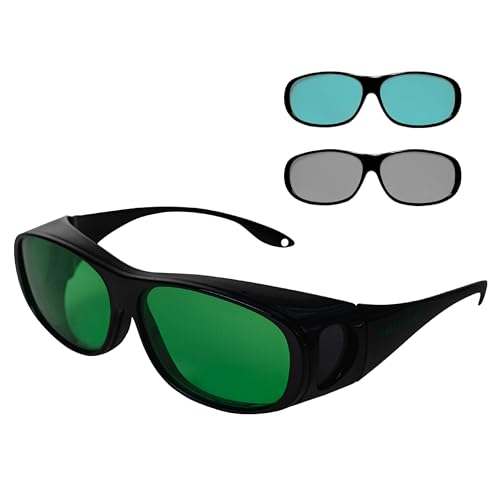
Humboldts Secret leans into versatility with a magnetic interchangeable lens system, letting you swap tints depending on whether you’re working under full-spectrum white LEDs, red-blue arrays, or warmer yellow-leaning panels. UVA and UVB blocking is built in, so the safety baseline is solid regardless of which lens is mounted.
It is a flexible alternative to the single-purpose Method Seven pairs reviewed earlier, and the magnetic mount makes switching faster than screw-in systems. Most growers running a mixed room appreciate having one frame that handles multiple fixtures.
The Upside
- Magnetic lens swaps take seconds between fixtures
- UVA and UVB blocking across all included lenses
- Works across full-spectrum, red/blue, and yellow LED panels
- One frame replaces multiple single-purpose pairs
Details To Watch
- Magnetic lenses can come loose if knocked during close work
- Color correction is less precise than dedicated HPS or blurple optics
Quick Facts
Perfect Match For
Mixed-spectrum growers who switch between LED types and want one frame that adapts.
Another Choice May Suit
The Method Seven Cultivator HPS Grow Room Glasses fit HPS-only rooms where dedicated color accuracy matters more than flexibility.
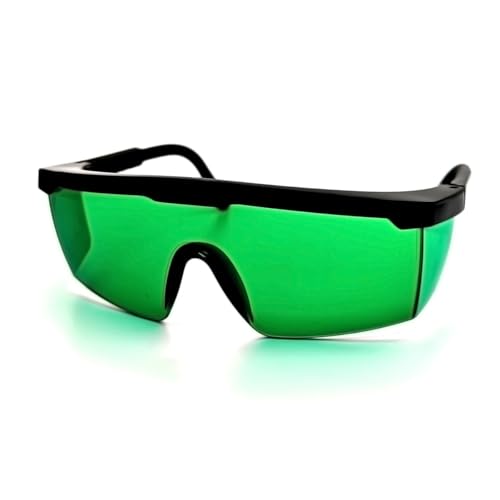
FreeMascot targets the entry-level grower who needs decent protection without the cost of a Method Seven. The lens filters UV and tames the brightness of high-output LED panels, making it tolerable to spend ten or fifteen minutes under a quantum board without walking out with sore eyes.
It is a workable starter option for someone setting up a first 2×4 or 4×4 tent, though the optical quality won’t compete with the premium pairs. Compared to the VIVOSUN bundle, this is glasses-only at a friendlier price point.
What It Does Well
- Affordable entry point for first-time growers
- UV filtering reduces eye fatigue under bright LEDs
- Simple wraparound design fits over most prescription frames
Points To Note
- No meaningful color correction for plant diagnosis
- Build quality reflects the price tier, so handle with care
Whose Shelf It Belongs On
Casual home growers running small LED tents who want basic eye protection on a budget.
Where Another Pick Suits Better
The Humboldts Secret Indoor LED Grow Room Glasses are worth the extra cost if you need interchangeable lenses for mixed setups.
Grow1 covers the traditional HPS and MH spectrums with a straightforward safety frame, making it a sensible pick for older greenhouse operations still running metal halide alongside sodium fixtures. UV protection is the main job here, blocking the invisible output of high-intensity discharge lamps during close-proximity work.
It is a workhorse alternative to the Method Seven Cultivator HPS, trading color correction for a more accessible price. You won’t see true leaf color, but you will protect your eyes from the UV that causes cumulative damage over years of daily exposure.
Useful Highlights
- UV filtering suited to HPS and metal halide fixtures
- Simple wraparound frame works in greenhouse environments
- Lower price than premium color-correcting options
Things To Consider
- No color correction means diagnostic work stays guesswork
- Not optimized for modern LED spectrums
Built With In Mind
Greenhouse operators running mixed HPS and MH lamps who need straightforward UV protection.
Reach For A Different Pick When
The Method Seven Cultivator HPS Grow Room Glasses serve you better if accurate color reading under HPS is a daily requirement.
The Coup takes Method Seven’s HPS color-balancing technology and adds a photochromic transition (transition lenses darken automatically when exposed to UV light) that shifts from the signature indoor blue tint to a darker grey when you step into direct sunlight. The Italian-made frame looks more like fashion eyewear than a workshop tool, which matters if you don’t want to swap glasses every time you walk outside.
It is the most lifestyle-oriented option in this roundup, aimed at growers who bounce between their tent and outdoor errands without a dedicated pair of sunglasses. The indoor optical performance matches the Cultivator HPS reviewed second, with the bonus of outdoor usability.
Useful Touches
- Photochromic transition works for both grow room and outdoor sun
- HPS color correction matches the Cultivator lineup
- Italian-made frame offers a more fashion-forward look
- Polycarbonate lens keeps weight down for all-day wear
Where It Is Less Suited
- Transition lens is slower to adjust than dedicated sunglasses
- Premium pricing for a feature most indoor-only growers won’t use
Who Will Love This
Growers who split time between indoor tents and outdoor garden runs and want one pair that handles both.
Where A Sibling Pick Shines
The Method Seven Cultivator HPS Grow Room Glasses are the better value for someone who never wears them outside.
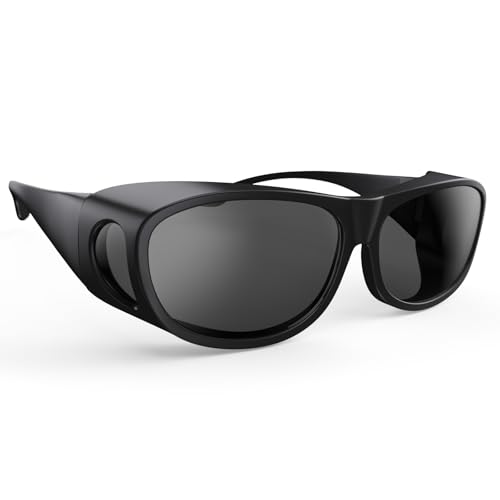
This generalist pair covers HPS, MH, and LED spectrums in one frame, with curved anti-slip temples and elastic construction that adapts to different face shapes. The fit-focused design is the main selling point for growers who bounce between rooms or share glasses with family members.
It is a budget-friendly alternative to the Humboldts Secret system, trading interchangeable lenses for a single flexible fit. For someone running one room with mixed lamps, it covers the bases without specialized optics.
Features That Help
- Elastic frame adapts to a range of face shapes
- Curved temples prevent slipping during overhead work
- UV protection spans HPS, MH, and LED spectrums
Less-Strong Areas
- No spectrum-specific color correction for accurate diagnosis
- Build quality is functional rather than premium
Who It Suits Best
Multi-lamp home growers who share gear or change setups often and want a flexible, no-fuss fit.
A Better Fit Elsewhere
The Humboldts Secret Indoor LED Grow Room Glasses serve mixed-spectrum growers better if lens-swapping matters to you.
What To Weigh Before Buying Grow Room Glasses
Match The Lens To Your Light Type
HPS, MH, and LED fixtures each emit different spectral signatures, and a lens tuned for one can perform poorly under another. Sodium lights pump out heavy yellow and orange wavelengths that distort greens, while blurple LEDs flood the room with red and blue peaks that make plant assessment nearly impossible without correction. Full-spectrum white LEDs sit closer to natural daylight but still produce enough blue intensity to cause fatigue. Color-correcting lenses like the Method Seven pairs reviewed above address specific spectrums, while generalist options like the Indoor Hydroponics Grow Room Glasses with UV Protection handle multiple types at the cost of precise correction.
Decide How Much Color Accuracy You Need
Casual growers who just want to water and check trichomes can get by with basic UV protection, since the goal is preventing eye damage rather than diagnosing subtle deficiencies. Serious cultivators reading leaf color for early signs of calcium, magnesium, or pH problems need lenses that render true greens, yellows, and purples. The jump from a budget safety frame to a color-correcting pair pays off the moment you start relying on visual cues for nutrient management.
Consider Frame Comfort And Fit
Glasses that pinch your temples or slide down your nose come off within minutes, and the best optics in the world do nothing if the glasses end up on your forehead. Wraparound designs with flexible temples suit growers who lean into the canopy for close inspection, while adjustable nose bridges help those who wear them for extended sessions. Trying on a frame matters more than spec sheets suggest, especially for anyone wearing prescription lenses underneath.
Think About Durability And Daily Handling
A drop onto a concrete tent floor is inevitable, and frames that survive one fall tend to survive years of routine use. Reinforced builds like the Method Seven Resistance HPS Grow Light Glasses justify their premium in commercial rooms where glasses are shared among staff and treated roughly. For a quiet home tent, lighter frames are usually fine as long as you store them in a case when not in use.
Smart Considerations For Grow Room Eyewear
Common Buying Slip Ups
The most frequent mistake is grabbing a generic pair of yellow-tinted “HPS glasses” that filter brightness without correcting color, leaving you unable to read subtle leaf symptoms. Another pitfall is assuming sunglasses offer enough protection; standard sunglasses are not rated for the UV output of high-intensity grow lamps and can even dilate your pupils behind dark lenses, increasing retinal exposure. Buyers also tend to overlook fit, ordering based on price alone only to find the frames slide off during overhead work. Matching the lens to your actual fixture type, not the cheapest listing that mentions “grow room,” saves both money and eye strain in the long run.
Where The Extra Money Goes
Premium pairs like the Method Seven Cultivator series invest in decentered optical-grade polycarbonate, photochromic coatings, and color science backed by actual lens manufacturers. That translates to distortion-free viewing at the lens edges, accurate color rendering across the visible spectrum, and build quality that survives years of daily handling. For a hobbyist with a single tent, mid-tier options handle the job well, but commercial growers and serious diagnosticians benefit from the optical precision that justifies the higher spend.
Frequently Asked Questions
Do Grow Room Glasses Really Make A Difference?
Yes, they block UV wavelengths your eyes cannot see but that still cause cumulative damage over years of exposure. Quality pairs also reduce visible glare and, in the case of color-correcting models, restore natural hues for accurate plant assessment.
Can I Just Wear Regular Sunglasses Instead?
Standard sunglasses are not designed for the specific UV and intensity output of grow lights, and many actually make things worse by darkening visible light while leaving UV transmission unchanged. Purpose-built grow room glasses are rated for horticultural lighting and offer proper protection.
Are Color-Correcting Lenses Worth The Higher Cost?
Color correction is worth it the moment you start diagnosing plant health by sight, since accurate greens and yellows make deficiencies visible. For growers who only need to water and inspect trichomes, basic UV-filtering frames do the job at a lower price.
How Do I Clean Grow Room Glasses Without Damaging The Coating?
Use a microfiber cloth and lukewarm water, avoiding paper towels, household cleaners, or ammonia-based products that strip anti-reflective coatings. Store the glasses in a soft case when not in use to prevent scratches that distort vision under bright lights.
Do These Glasses Work For Both Vegetative And Flowering Stages?
Yes, the protection and color correction do not change with growth phase, though flowering rooms under HPS produce more visible glare and benefit more from color-correcting lenses. Vegetative rooms under lower-intensity LEDs often work fine with generalist UV-filtering frames.
Closing Thoughts
The right grow room glasses come down to your fixture type, your diagnostic needs, and how long you spend under the lights each week. Casual LED growers can rely on generalist UV-filtering pairs, while serious HPS and blurple cultivators get the most from color-correcting optics. Match the lens to the spectrum, prioritize a frame that fits comfortably, and your eyes will thank you across many harvests.
