

Pulling chicks through their first eighteen weeks shapes the kind of layer or backyard bird they become, and the feed you choose during that window matters more than almost any other husbandry decision. Starter and grower rations carry a different protein and mineral profile than layer feed, and the wrong mash can leave pullets feathered out late or slow on the transition to laying. This roundup narrows the field to nine grower-stage options that span small-flock hobby coops, certified-organic programs, medicated coccidiosis prevention, and a couple of larger bag sizes for bigger broods. Use it as a starting point for matching feed format, certification, and protein level to the way you actually raise birds.
A Snapshot Of The Selections

Scratch and Peck Feeds Grower Mash 10 lb Pouch

Scratch and Peck Feeds Grower Mash 25 lb Bag
Scratch and Peck Feeds Grower Mash 40 lb Bag

Scratch and Peck Feeds Grower Mash 50 lb Bag
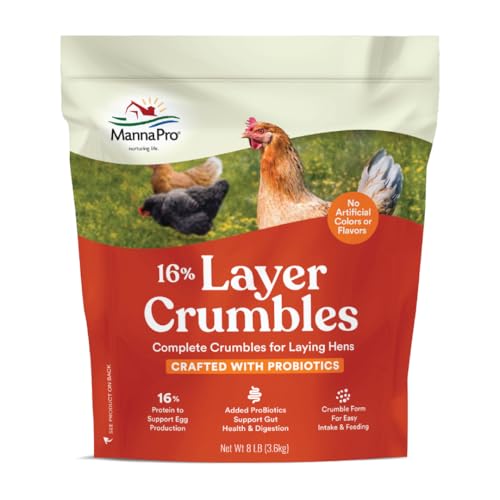
Manna Pro Layer Crumbles Chicken Feed 8 lb Bag
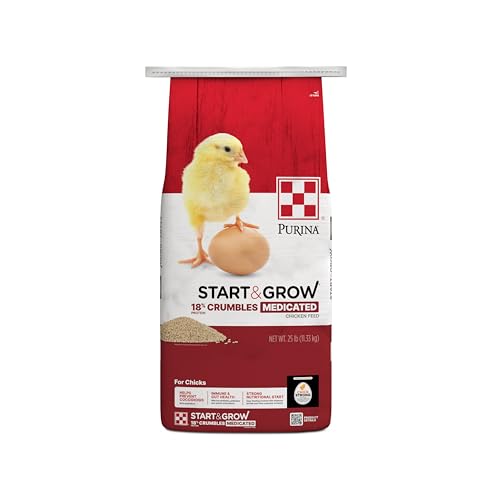
Purina Start & Grow Medicated Chick Feed Crumbles 25 lb

Purina Start and Grow Non-Medicated Chick Feed Crumbles 25 lb

Purina Start and Grow Non-Medicated Chick Feed Crumbles 5 lb

Prairie’s Choice Non-GMO Backyard Chicken Feed 25 lb
What Each Pick Brings To The Table
Trying an organic mash for the first time feels like a leap, and the 10-pound pouch from Scratch and Peck keeps that commitment small. You get the same 17% protein whole-grain formulation as the larger bags, with the same corn-free and soy-free recipe, just in a volume that suits a brooding pen of ten or twelve chicks. For urban and suburban coops where coop space and storage are tight, this format avoids the staleness that often hits an opened 40 or 50-pound sack.
Owners running mixed flocks of ducks and chickens also reach for this pouch because the formula covers both species during the grower window. The resealable packaging helps with the slower consumption rate of a small group, and you won’t be tossing stale feed after a few months the way you might with a larger bag.
Practical Pluses
- Whole-grain mash with 17% protein supports steady frame and feather development
- Corn-free and soy-free recipe suits birds with common ingredient sensitivities
- Fermentable format lets you soak portions for better nutrient uptake
- Compact 10 lb size fits apartment-scale storage and small brooders
Points To Note
- Cost per pound runs higher than the 25, 40, or 50 lb siblings, so the value disappears as your flock grows
- Mash texture can clog in standard gravity feeders; many owners switch to trough or crumble-style dispensers
Who Should Grab It
First-time keepers running a small starter flock who want to trial an organic program before committing to a larger bag.
Look Elsewhere When
You keep a larger laying flock and want a lower per-pound cost, in which case the Scratch and Peck 50 lb Bag is the more efficient size.
The 25-pound bag often becomes the practical sweet spot for an established backyard program. Same organic whole-grain blend and 17% protein target as the 10-pound pouch, just in a volume that lasts a typical hobby flock of eight to fifteen pullets through a few weeks of the grower stage. Compared to the smaller pouch above, you shave a meaningful amount off the per-pound cost without committing to a sack that takes half a season to finish.
Versatility is the bigger story here, since you can feed it dry straight from the bag or ferment a portion to reduce selective pecking in flocks where dominant birds tend to sort through whole grains. The mix also tolerates duck and goose additions to the brooder, so mixed-waterfowl households aren’t juggling two open bags at once.
Where It Delivers
- Balanced protein supports both hybrid production breeds and slower-maturing heritage lines
- Organic certification appeals to keepers who avoid synthetic additives in the ration
- Dual feeding modes, dry or fermented, give you flexibility during weather or behavior changes
Small Caveats
- Storage in a cool, dry bin is recommended; humid sheds can shorten the bag’s usable life once opened
- Whole-grain mash produces more fines in the bottom of the bag, so you may find yourself sifting the last servings
Built With In Mind
Hobby keepers with a small to mid-size flock who want a true organic grower ration without the bulk of a 50-pound order.
Swap It Out When
You raise more than twenty birds at a time, where the Scratch and Peck 40 lb Bag reduces the number of reorder trips during peak growth weeks.
Stepping up to the 40-pound bag means committing to a steady organic feed program through the full grower stage, often eight to ten weeks for a typical hatch. Where the 25-pound version above runs out mid-cycle, the 40 keeps a household from juggling two partial bags at once. It still carries the same whole-grain, corn-free, soy-free formulation, just packaged for keepers who are already confident in the brand.
Storage becomes the operational question, and owners commonly dedicate a metal bin with a tight lid to keep mice and moisture out. For mixed-flock households that include ducks, the bag covers waterfowl through the same window without requiring a separate ration.
Everyday Perks
- Lower per-pound cost than the 10 and 25 lb sizes, which adds up across a season
- Fermentable mash supports better nutrient absorption during peak growth weeks
- Whole-grain texture promotes natural foraging behavior in the brooder and run
Where It May Fall Short
- Heavier bag is harder to handle for keepers with limited strength or mobility
- Open bags past eight weeks can lose aroma and palatability, depending on humidity
Feature Snapshot
The Right Fit
Mid-size backyard flocks that burn through a 25-pound bag faster than storage allows and want a steadier supply.
Reach For A Different Pick When
You want a crumble rather than a mash for cleaner feeders, in which case the Purina Start and Grow Non-Medicated Crumbles suit that preference better.
The 50-pounder is the volume play for breeding operations, classroom hatch projects, or small farms that rotate groups of pullets through the grower stage on a predictable schedule. Same Scratch and Peck whole-grain recipe with the 17% protein target, just in a bag that brings the per-pound cost down meaningfully. Compared to the 40-pound version above, you’re essentially adding another week of coverage without another ordering event.
Note that this listing ships as a non-returnable food product, so once it leaves the warehouse, you’re committing to use or gift the contents. Most established keepers plan around that by timing delivery for the day the brooder is cleaned and ready.
Features That Help
- Best per-pound value across the Scratch and Peck grower line
- Whole-grain mash is suitable for both dry feeding and fermentation routines
- Single ration covers chickens and ducks in mixed-flock programs
Practical Considerations
- Non-returnable food safety policy means damaged bags require a photo-based refund request through your order history
- Requires a dedicated, rodent-proof storage container to keep the larger volume usable to the last scoop
- Bag weight is awkward to lift without a hand truck or feed scoop on hand
Whose Shelf It Belongs On
Breeders, small farms, and serious hobbyists who keep a steady pipeline of pullets moving through the grower stage.
Not Your Match When
You only brood a few birds per year and can’t reliably use 50 pounds before the next cycle, where the 10 lb Pouch keeps things fresher.
Manna Pro’s layer crumble lives a step past the grower stage and earns a spot in this roundup because the transition from a starter-grower ration to layer feed is its own decision point. Pullets at roughly 18 to 20 weeks, when the first eggs arrive, often move onto a crumble like this one. The 16% protein profile and added calcium suit birds that have moved into active laying, and the crumble format cuts down on the sorting behavior that whole-grain rations sometimes encourage.
For small flocks that finish the Scratch and Peck grower program and need a short bridge into layer feed, an 8-pound bag keeps the changeover clean and avoids committing to a full layer sack before you know how the birds take to it.
A Few Strong Suits
- Crumble format reduces waste compared to mash in standard feeders
- Enriched with calcium and key minerals for shell quality at first lay
- Compact bag works for keepers testing the layer transition before scaling up
Worth Bearing In Mind
- Higher calcium isn’t appropriate for young pullets still in the growth stage, so this isn’t a substitute for a starter-grower ration
- Lower protein than typical grower feeds, which can show up as slower weight gain if used too early
Made For
Pullets crossing into their first laying weeks and small flocks finishing a grower program.
Where Another Pick Suits Better
Birds still in the early feather-out stage need a higher-protein starter-grower like the Purina Start and Grow Non-Medicated Crumbles for proper development.
Coccidiosis is the parasite issue that most often derails a brooding season, and Purina’s medicated Start & Grow tackles it head-on by including amprolium, a coccidiostat (a drug added in low doses to interrupt the parasite’s life cycle) that is not an antibiotic. For high-density brooders, day-old mail-order chicks from mixed-source hatcheries, or flocks reintroduced to ground that has hosted previous birds, the medicated format is the conservative choice. The 18% protein supports steady frame growth, and the crumble texture keeps young chicks from picking through fines.
Compare this to the non-medicated Purina option further down: it’s the same nutritional profile with one extra layer of parasite defense. Layer hens in the same household still need a separate layer ration once the pullets cross 18 weeks.
Benefits That Matter
- Amprolium helps prevent coccidiosis outbreaks in crowded or high-risk brooders
- 18% protein supports muscle and feather development during peak growth
- Enriched with lysine and methionine, two amino acids that drive skeletal and muscle growth
- Marigold extract promotes bright beak and shank color as birds mature
Less Ideal Details
- Medicated feed shouldn’t be fed to layers or to birds destined for meat withdrawal windows
- Stronger ammonia-like smell than non-medicated crumbles, which can be off-putting in indoor brooders
Quick Facts
Best Suited To
Brooding large batches of chicks, mixed-source hatchery orders, or flocks on previously used ground where coccidiosis pressure is high.
Consider Something Else When
You prefer to keep the ration free of medications, in which case the Purina Start and Grow Non-Medicated Crumbles is the cleaner option.
The non-medicated twin of the previous pick earns its place for keepers who prefer to manage coccidiosis through brooder hygiene and ground rotation rather than feed medication. The nutritional base is the same, with 18% protein, added lysine and methionine, and the full vitamin profile of vitamins A, B, D, E, and K. Crumble format keeps chicks from raking feed out of the feeder in pursuit of their favorite pieces.
For first-time chicken keepers, this is often the easiest entry point, since you skip the medication question entirely and focus on the basics of clean bedding, fresh water, and dry feed. The marigold extract doubles as a subtle quality cue, since it carries through to richer yellow yolk color once the pullets begin laying.
Positive Points
- Complete nutrition without coccidiostat, suitable for keepers who avoid medication
- Crumble texture minimizes waste and sorting at the feeder
- Full vitamin and amino acid profile supports steady frame development
Honest Caveats
- Without amprolium, you lean more heavily on clean brooder conditions to prevent coccidiosis
- Bag is best used within a few weeks of opening, since crumble loses aroma faster than pellet formats
Perfect Match For
General-purpose chick rearing in clean, well-managed brooders where medication isn’t the preferred strategy.
A Better Fit Elsewhere
High-density brooding operations with coccidiosis history, where the Purina Start & Grow Medicated version is the safer call.
Classroom hatch projects and small first-time broods don’t need a 25-pound bag, and the 5-pound Purina is sized for exactly that scenario. You get the same crumble format, the same non-medicated formula with the full vitamin package, and a much lower commitment for a dozen or fewer chicks. The smaller bag also disappears before the aroma fades, which matters once the bag is opened in a garage or mudroom.
Compared to the 25-pound version above, you’re trading volume for convenience and freshness. For brooders that finish their chick stage in two to three weeks, the 5-pounder often lines up with the actual consumption curve.
What Pays Off
- Right-sized for small hatches, classroom projects, and trial runs
- Non-medicated formula keeps the brooder routine simple
- Vitamin A and E fortification supports immune development in young chicks
Possible Compromises
- Per-pound cost is higher than the 25 lb Purina sibling
- Limited to small flocks since larger broods will burn through the bag mid-cycle
Who It Suits Best
First-time chick keepers, 4H-style classroom projects, and brooders raising fewer than a dozen birds at a time.
Skip It When
You keep a standing hatch rotation through the season, where the Purina Start and Grow Non-Medicated 25 lb saves on per-pound cost.
Prairie’s Choice rounds out the roundup as a US-grown, non-GMO starter-grower option targeted squarely at backyard pullet flocks. The 18% protein lands right in the middle of the growth-window target, and the formula runs through birds up to about 18 weeks before a transition to layer feed. Domestic sourcing shows up in the ingredient panel, and many keepers who value traceability reach for this brand on that basis alone.
Where Purina leans on widespread availability and Scratch and Peck leans on certification, Prairie’s Choice sits in the middle as a balance of cost, non-GMO sourcing, and a familiar starter-grower format. It’s worth a closer look for keepers who want US-milled feed without paying the premium attached to fully certified-organic programs.
Positive Takeaways
- Non-GMO ingredient sourcing appeals to keepers focused on feed origins
- 18% protein suits pullets through the full 8 to 18 week window
- Grown, milled, and packaged domestically for traceable sourcing
Some Limits To Know
- Non-GMO is not the same as certified organic, so the ingredient list still allows conventional crop treatments in the field
- Brand availability can be patchy in some regions, which may require planning ahead for reorders
Who Will Love This
Backyard keepers who want non-GMO sourcing and domestic milling without stepping up to a fully certified-organic program.
Where A Sibling Pick Shines
You want full USDA Organic certification along with non-GMO, in which case the Scratch and Peck 25 lb Bag delivers both.
Matching Your Flock To The Right Grower Ration
Picking a grower-stage feed comes down to three intersecting decisions. First, decide on protein level and format, since crumbles suit messy young chicks while whole-grain mashes offer more flexibility for keepers who ferment or mix rations. Most starter-grower feeds fall between 17% and 18% protein, which matches the rapid frame and feather growth window through about 18 weeks. Once pullets hit first lay, the protein target drops and calcium climbs, which is why dedicated layer feeds like the Manna Pro option above exist as a separate stage rather than a substitute.
Second, weigh medication and certification. Medicated crumbles with amprolium make sense in high-density brooders and on reused ground where coccidiosis pressure runs high. Non-medicated options, including the Purina and Prairie’s Choice entries above, fit cleaner brooder routines and keepers who prefer to keep the ration drug-free. On the certification side, USDA Organic carries the strictest sourcing rules, while non-GMO is a step lighter and easier on the budget.
Third, match bag size to flock size and storage. A 5-pound bag suits a classroom or trial brood, 25 pounds covers most backyard hobby flocks, and 40 to 50 pounds fits established breeders with rodent-proof storage. Buying the largest bag is only a savings if the contents will be used before the aroma and palatability fade. Mixed-species households with ducks alongside chickens can simplify by choosing a ration that covers both, as the Scratch and Peck line does throughout its size range.
What To Watch For Across These Options
Where Shoppers Go Wrong
A common slip is grabbing a layer crumble too early, since higher calcium levels can interfere with bone development in pullets that are still growing. The opposite mistake, sticking with a high-protein starter past week 18, can stress kidneys that aren’t built for the extra nitrogen. Matching the ration to the actual growth stage matters more than the brand on the bag.
Another trap is buying a 40 or 50 pound bag to chase per-pound value when storage isn’t ready. Once opened, large mash and crumble bags lose freshness fast in humid sheds, and you end up tossing more than you save. Right-size the bag to the flock and the storage you actually have.
What The Higher Tier Buys
Stepping up to USDA Organic rations like the Scratch and Peck line brings traceable sourcing, no synthetic additives, and corn-free and soy-free recipes that help with ingredient-sensitive birds. The trade-off is per-pound cost and the need for dry, sealed storage to keep a large bag from going stale. For keepers running heritage breeds, mixed-species flocks, or any program where ingredient origin matters, the premium tier earns its keep over a season.
Frequently Asked Questions
How long should chicks stay on a grower feed?
Most pullets remain on a starter-grower ration from hatch through roughly 18 weeks, then transition to a layer feed once the first eggs arrive. Some heritage breeds mature slower and benefit from the grower ration a few weeks longer. Watch for egg production and comb development as the practical signal to switch.
Is medicated chick feed necessary?
Medicated crumbles with amprolium help prevent coccidiosis in crowded brooders, mixed-source hatchery orders, and flocks on previously used ground. For small, clean brooders in a controlled environment, non-medicated feed plus good hygiene often performs just as well. The choice depends on your risk level and brooding setup.
Can ducks eat the same grower feed as chicks?
Several grower feeds on this list, including the Scratch and Peck line, are formulated for both chickens and ducks during the growth stage. Always confirm species coverage on the label, since some chick feeds contain additives that aren’t appropriate for waterfowl. Layer feeds with higher calcium should not be fed to growing ducklings.
What’s the difference between mash, crumble, and pellet?
Mash is the finest grind, crumble is a coarser textured particle that holds together, and pellets are compressed cylinders. Chicks tend to do best on crumble, since mash can clog feeders and small beaks struggle to pick it up cleanly. Pellets often suit mature birds better than young ones.
How should grower feed be stored?
Keep bags in a cool, dry, rodent-proof container with a tight lid. Direct sunlight and humidity shorten shelf life, and opened bags lose aroma within a few weeks in many sheds. A metal bin with a secure top is a common solution for both bags and scooped feed.
Closing Remarks
The right grower feed depends as much on your brooder setup and storage capacity as it does on the birds themselves. Small hatches and tight storage pair naturally with the 5 and 10 pound bags, while established programs and mixed-species flocks often justify the larger organic sacks. Whichever direction you go, matching protein level, medication, and certification to the actual growth stage and risk level will get pullets through to a healthy first lay without the trial-and-error that derails a lot of first seasons.
