

A serious backyard greenhouse is less about garden decor and more about giving plants a stable, year-round home. The right frame and panels keep seedlings alive through surprise cold snaps, while a flimsy cover can shred in the first big wind. This lineup covers eight heavy duty greenhouse kits for 2026, ranging from wide walk-in tunnels to compact cedar builds, so you can match structure to space, climate, and growing ambition.
The Lineup, Simplified

VEVOR Walk-in Tunnel Greenhouse 29.2×9.7×6.5 ft

Sylviera 8×10 ft Greenhouse with Hygrometer
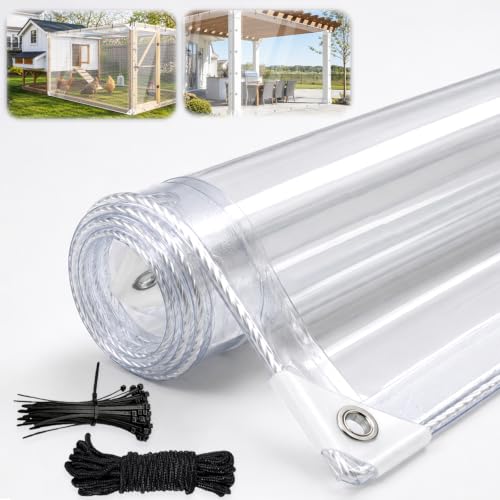
LC&QS Clear Heavy Duty PVC Tarp 8×10 ft

Backyard Discovery Willow 9×6 Cedar Greenhouse
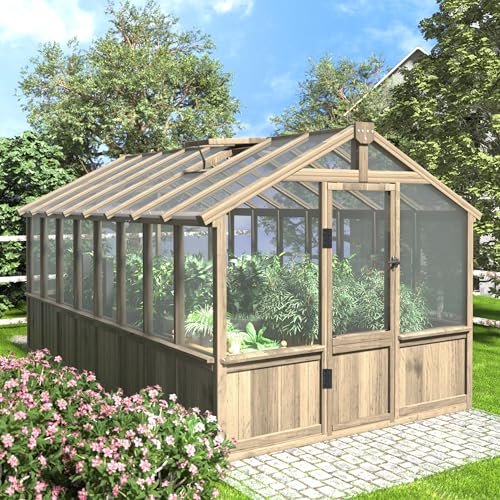
Yardenaler 8×16 ft Polycarbonate Wooden Greenhouse

Quictent 25x10x6.6 ft Premium Greenhouse

Backyard Discovery Bellerose XL 13×11 Greenhouse

Jocisland 16x12x9.5 ft Polycarbonate Greenhouse
Inside Each Recommended Option
The VEVOR Walk-in Tunnel Greenhouse stretches nearly 30 feet long, which is unusual at this category level and instantly changes how you plan beds inside. A galvanized steel frame with 1-inch poles anchors the whole run, while twelve roll-up windows along the sidewalls let cross-breezes do real work during summer afternoons. Compared with the smaller Sylviera pick that follows, this one trades compact convenience for raw square footage.
For anyone running serious row crops or starter vegetables, the tunnel layout makes drip lines and central walkways easy to lay out. Owners commonly anchor the frame with the included ground stakes, then add a perimeter weight or sandbags along the base skirt for extra wind hold. Daily entry through the roll-up zip door feels more like a barn than a closet, which is the whole point for big plots.
Real-World Strengths
- Length handles multi-row planting without crowding pathways.
- Twelve side windows provide genuine cross-ventilation on hot days.
- Galvanized (zinc-coated for rust resistance) frame resists corrosion through wet seasons.
- Roll-up zip door allows wide tool access, including wheelbarrows.
Things To Consider
- The PE (polyethylene) cover may need re-tensioning after strong storms.
- Long footprint demands a level site, which can mean ground prep before setup.
Feature Snapshot
Who Will Love This
Row-crop growers with a wide, flat backyard and the patience to anchor a long frame properly.
Look Elsewhere When
You have a tight patio footprint and want something the Backyard Discovery Willow 9×6 handles better.
The Sylviera 8×10 ft Greenhouse is built around a reinforced aluminum alloy frame, which keeps total weight low enough for two people to position without equipment. Polycarbonate panels (rigid, twin-wall plastic that insulates while letting light through) form the walls, and a built-in hygrometer (humidity gauge) helps first-timers dial in conditions without guessing. Compared with the long VEVOR tunnel, this is a tidy box you can actually read at a glance.
Entry-level growers benefit from the included thermometer setup, since humidity control is where most rookie greenhouses fail. You can stand inside comfortably and stage flats on simple shelving, which makes seed starting genuinely pleasant. The compact footprint suits side yards and rental properties where a permanent foundation would be overkill.
Key Advantages
- Light aluminum frame is manageable during assembly.
- Built-in hygrometer removes one mystery for new growers.
- Polycarbonate panels insulate better than thin film covers.
Worth Noting
- Panel gaps may need silicone sealing (not included) for storm-heavy climates.
- Compact interior limits how many tall plants you can overwinter.
Made For
First-time growers who want helpful monitoring and a low-effort aluminum build in a smaller yard.
Where Another Pick Suits Better
You need a much larger structure, in which case the Jocisland 16x12x9.5 ft Polycarbonate Greenhouse offers serious volume.
The LC&QS Clear PVC Tarp is a different category of answer, since it gives you a transparent cover to wrap a custom frame you have already built. Clear PVC lets light pour through while keeping rain and dust off plants, and the 8×10 ft size works for small hoop houses or patio enclosures. Where every other pick in this roundup ships as a kit, this one hands you the skin and trusts you to handle the bones.
DIYers running PVC, wood, or metal frames appreciate the grommeted edges for tie-downs and ropes. Cleaning is straightforward, a wet cloth usually does the job, and you can swap it out seasonally without dismantling the structure. For someone with a leftover carport frame, this tarp turns dead space into a working greenhouse in an afternoon.
What Makes Sense
- Transparent cover maximizes light transmission for seedlings.
- Grommets and included ropes simplify tying to a custom frame.
- Replaces worn film on existing structures without buying new hardware.
Honest Caveats
- Requires a frame you supply, this is not a complete greenhouse.
- Clear PVC can stretch in sustained heat, so periodic re-tying is wise.
Right Fit For
DIY builders and tinkerers who already have a frame and just need a heavy skin.
Swap It Out When
You would rather have a complete kit with panels, in which case the Quictent 25x10x6.6 ft Premium Greenhouse ships ready to assemble.
The Backyard Discovery Willow 9×6 pairs natural cedar with commercial-grade 4-wall polycarbonate panels, and that combination looks more like garden architecture than utility kit. An integrated exhaust fan, two openable windows, and a PowerPort outlet for accessories turn this into a year-round hobby room rather than a seasonal shelter. It is a clear step up from the Sylviera aluminum box in both finish and integrated features.
The 9×6 footprint fits a suburban backyard without dominating it, and staging shelves give you real workspace for potted herbs or seedling trays. The hose hook-ups save you from running a separate line every time you water. For growers in mixed climates, the exhaust fan handles the worst summer heat spikes without you needing to babysit vents.
Everyday Perks
- Cedar frame weathers gracefully and adds visual warmth.
- 4-wall polycarbonate diffuses light gently, reducing leaf scorch.
- Built-in exhaust fan automates summer cooling.
- PowerPort lets you run fans or small heaters without extension cords through the wall.
Room For Improvement
- Wood frame demands occasional sealing to stay tidy in wet zones.
- Smaller footprint limits how many large containers you can shelter.
Quick Facts
Best Suited To
Hobby gardeners who want a beautiful year-round structure with smart climate controls built in.
Another Choice May Suit
You want similar cedar styling with much more room, in which case the Backyard Discovery Bellerose XL 13×11 Greenhouse is the larger sibling.
The Yardenaler 8×16 ft greenhouse combines a wood frame with 6mm twin-wall polycarbonate panels, and the result feels closer to a sunroom than a basic kit. Adjustable roof vents open up to roughly 45 degrees, giving you meaningful airflow without propping anything manually. Compared with the Backyard Discovery Willow, this is a longer and more horizontal layout that suits raised beds along the back wall.
A lockable door adds a small but useful layer of security if curious critters or neighborhood kids wander through. The light mocha brown finish blends into landscaped backyards more naturally than white aluminum frames. For growers who want a structure that doubles as a garden feature, the styling does real work.
Where It Excels
- 6mm twin-wall panels insulate well through cool nights.
- Adjustable roof vents let you control heat without a fan.
- Lockable handle adds peace of mind in shared outdoor spaces.
Points To Note
- Long shape needs careful site leveling to seat panels cleanly.
- Wood frame benefits from a yearly protective coat in damp climates.
Perfect Match For
Backyard gardeners staging raised beds who want wood styling and serious panel thickness in one structure.
Consider Something Else When
You need a walk-in length that exceeds 16 feet, in which case the Quictent 25x10x6.6 ft Premium Greenhouse runs longer with dual doors.
The Quictent 25x10x6.6 ft Premium Greenhouse runs longer than most backyard kits, which makes it a serious proposition for raised bed or in-ground row planting. Two swing-door frames replace the usual zipper entry, opening a full 180 degrees for wheelbarrow access and improved airflow. It is a step beyond the LC&QS PVC tarp approach, since the frame and cover ship as one complete unit.
The dual doors mean you can stage tools and trays at one end while entering through the other, a small but underrated convenience during busy transplant days. The structure suits growers with a long, narrow strip of yard that other square kits would waste. For community gardeners or small-scale food growers, the 25-foot length opens real planning flexibility.
Positive Points
- Dual swing doors allow full-width access for carts and tools.
- 25-foot length supports long raised beds or row planting.
- Rigid door frames add structural stability versus zippered entries.
Some Limits To Know
- Long footprint demands anchor points along the full base.
- Cover may need periodic re-tensioning after heavy snow loads.
Key Product Details
Whose Shelf It Belongs On
Long-yard growers and small-scale food producers who need walk-in length and dual access points.
Reach For A Different Pick When
You would rather have wood-and-polycarbonate styling, which the Yardenaler 8×16 ft Polycarbonate Wooden Greenhouse delivers in a tighter footprint.
The Backyard Discovery Bellerose XL 13×11 is the largest of the cedar options in this roundup, with a built-in pergola, exhaust fan, and a workstation featuring five fixed staging shelves. Eight moveable plant hooks add flexibility for hanging baskets or trellised crops. For growers stepping up from the Backyard Discovery Willow, this is the same design language scaled to serious production.
The hose hook-ups and PowerPort let you run misters or small heaters without running cords through doorways. Two easy-open windows keep airflow steady, while the pergola adds a structural anchor point for shade cloth in summer. It reads more like an outdoor room than a kit, which matters if the greenhouse sits near a patio or entertaining area.
What Pays Off
- Five fixed shelves plus eight moveable hooks for versatile staging.
- Pergola design supports shade cloth and visual character.
- Cedar and polycarbonate construction handles four-season use.
Worth Bearing In Mind
- Large footprint requires significant yard space and a level base.
- Premium build means longer assembly time than simpler kits.
Spec Overview
Right Fit For
Dedicated hobby growers who want a feature-rich cedar structure that doubles as a backyard centerpiece.
Skip It When
You only need a smaller starter setup, since the Backyard Discovery Willow 9×6 covers that need at a friendlier scale.
The Jocisland 16x12x9.5 ft Polycarbonate Greenhouse closes the roundup with serious volume, offering 6 ft wall height and a tall central ridge that comfortably fits mature tomato vines and small trees. 6mm twin-wall translucent panels (rigid plastic sheets with air channels for insulation) manage heat while letting light diffuse across the interior. The included roof ventilation supports airflow, and the spear-like top discourages birds from perching on the ridge.
For families who want a shared gardening space, the interior volume is large enough to host multiple work zones without crowding. The recommended 17×13 ft foundation gives you a clear plan for site prep, and the rigid panel construction handles wind better than film-covered kits. It is the most generous polycarbonate build in this lineup and a natural upgrade from the Sylviera aluminum box.
Positive Takeaways
- 6 ft wall height suits tall crops and standing work comfortably.
- 6mm twin-wall panels insulate well across shoulder seasons.
- Spacious interior supports family-scale or community gardening.
Trade-Offs To Consider
- Requires a proper foundation, which adds setup time and materials.
- Large panel count means careful handling during assembly.
Feature Facts
Who Should Grab It
Families and tall-crop growers with room to pour a foundation and the patience to assemble a large panel kit.
A Better Fit Elsewhere
You prefer wood framing and a smaller footprint, in which case the Yardenaler 8×16 ft Polycarbonate Wooden Greenhouse is a tighter alternative.
What To Weigh Before Choosing Heavy Duty Greenhouse Kits
Frame material is the first real decision. Galvanized steel and aluminum are both strong, but steel handles wind and snow loads better while aluminum resists rust with almost no maintenance. Cedar looks more residential and insulates naturally, though it benefits from an annual protective coat in damp climates.
Panel choice shapes the daily experience inside. Polycarbonate panels insulate well, diffuse light gently, and handle impacts far better than thin polyethylene film, which is cheaper but tends to stretch and tear after a few seasons. If you overwinter plants, panel insulation pays for itself in stable temperatures.
Size and site prep matter more than most shoppers expect. Long kits like the VEVOR 29.2×9.7×6.5 ft or the Quictent 25x10x6.6 ft demand a level base, and the Jocisland 16x12x9.5 ft recommends a full foundation. Measure your space, check sun exposure, and plan anchor points before choosing a footprint.
Ventilation and climate control are the difference between thriving plants and cooked seedlings. Built-in exhaust fans and adjustable roof vents handle summer spikes automatically, while zip doors and roll-up windows require daily attention. If you travel or work long hours, automated airflow is worth prioritizing.
Key Considerations Across These Picks
Mistakes Worth Dodging
Underestimating your site is the most common slip. A level, well-drained base with anchor points matters as much as the frame itself, and skipping that step usually means re-doing work after the first storm. Another trap is choosing a cover purely on initial feel; thin film covers save money up front but often need replacing after a couple of seasons, while polycarbonate panels outlast them.
Where The Extra Money Goes
Premium builds like the Backyard Discovery Bellerose XL 13×11 spend the budget on cedar frames, integrated fans, and staging shelves that turn the structure into a working garden room. Mid-tier kits like the Yardenaler 8×16 ft Polycarbonate Wooden Greenhouse focus on thicker panels and adjustable roof vents, which is where most of the climate stability comes from. Entry-level picks such as the Sylviera 8×10 ft Greenhouse deliver aluminum frames and basic polycarbonate, which suit mild climates and starter gardens well.
Frequently Asked Questions
How big should a heavy duty greenhouse kit be?
A walk-in kit in the 8×10 to 10×12 ft range fits most backyard growers with raised beds. Larger structures like the Jocisland 16x12x9.5 ft suit family or community-scale growing, while long tunnels like the VEVOR 29.2×9.7×6.5 ft are best for row crops.
Are polycarbonate panels better than polyethylene covers?
Polycarbonate panels insulate better, resist impact, and last several seasons longer, which is why they appear on most premium kits. Polyethylene covers are lighter and cheaper, but they tend to stretch and tear more quickly in strong sun or wind.
Do I need a foundation for a heavy duty greenhouse?
Permanent foundations are recommended for the largest kits, especially the Jocisland 16x12x9.5 ft. Smaller kits can sit on leveled soil or gravel, though anchoring the base always improves wind performance.
How do I ventilate a greenhouse in summer?
Look for adjustable roof vents, roll-up side windows, or a built-in exhaust fan. The Backyard Discovery Willow 9×6 and Bellerose XL 13×11 both include fans, while tunnel kits like the VEVOR rely on multiple roll-up windows for cross-breezes.
Can I leave a heavy duty greenhouse up year-round?
Cedar-and-polycarbonate kits like the Yardenaler 8×16 ft and the Backyard Discovery models are designed for year-round use. Tunnel-style kits with PE covers typically last longest when the cover is removed or replaced before severe winter weather.
Closing Remarks
Choosing the right heavy duty greenhouse kit comes down to honest answers about your yard, your climate, and how much daily attention you can give to vents and watering. Match the structure to the space, plan for anchoring, and pick the panel and frame combo that fits the seasons you actually garden in. The right kit will pay you back in healthier plants and a longer growing calendar year after year.
