

Whether you’re filling a sunny kitchen window, reclaiming a patch of bare lawn, or building a home apothecary from scratch, the right seed packet shapes what grows. This roundup sorts eight kits by what each one actually delivers, so the choice between a culinary starter pack and a 39-variety heirloom sampler stops feeling like a guessing game.
A Quick View Of The Lineup

PLANTMEW Creeping Thyme Ground Cover Seeds 10g

Survival Garden Seeds Medicinal Tea Herb Seeds 9 Varieties

Gardeners Basics 35 Medicinal Herb Seeds Variety Pack
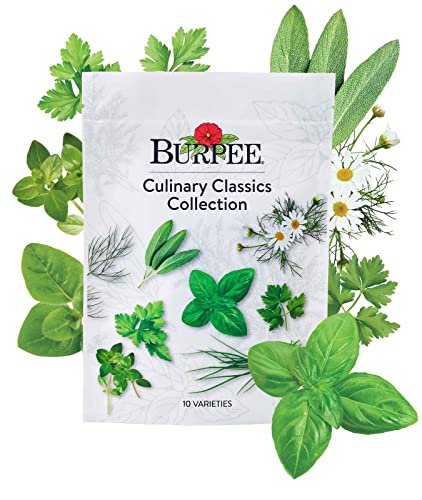
Burpee Culinary Classics Garden Collection 10 Packets

PLANTMEW 10 Herb Seeds Variety Pack 7,000+ Heirloom Seeds

PLANTMEW Herb Seeds 15-Pack 4,500+ Heirloom Seeds

Gardeners Basics Italian Herb Seeds 5 Variety Pack

Vimtoba Medicinal Herb Tea Seeds 39 Variety Gift Kit
More Details On Our Top Picks
Creeping thyme, botanically Thymus serpyllum, behaves less like an herb packet and more like a landscaping material. The 10-gram pack carries around 20,000 seeds, enough to carpet a meaningful stretch of path or fill the awkward gap between stepping stones where grass refuses to stay put.
Unlike the culinary packs further along in this list, this one is grown for scent, texture, and pollinator traffic rather than for the kitchen. You broadcast the seed across prepared soil, keep it damp during germination, and let the low mat do the work once established. For most backyards, that means a fragrant, walkable green layer that shrugs off poor soil and shrugs at full sun.
Key Advantages
- Approximately 20,000 seeds per 10g pack, plenty for broad coverage projects.
- Forms a dense, walkable mat that releases fragrance when stepped on.
- Attracts bees and butterflies, supporting pollination in nearby beds.
- Tolerates poor soil and full sun, removing most site-prep headaches.
- Doubles as a lawn alternative where traditional turf struggles to establish.
Things To Consider
- Grows slowly at first; you’ll likely wait a full season before seeing solid coverage.
- Not designed for culinary harvest, so this sits outside a kitchen-garden plan.
- Surface must stay consistently moist during germination or seedlings fail to take.
Key Specs
Who It Suits Best
Homeowners replacing a patch of lawn, designing fragrant pathways, or building pollinator-friendly beds benefit most from this pack.
Where Another Pick Suits Better
For someone stocking a windowsill kitchen garden, the Burpee Culinary Classics Garden Collection covers daily cooking needs far better.
This 9-variety kit is built around one clear purpose: turning a corner of the garden into a working tea and remedy station. Chamomile, lavender, echinacea, catnip, lemon balm, marigold, sage, peppermint, and yarrow cover the most common soothing infusions without overwhelming you with options you may never use.
It contrasts with the broader Gardeners Basics 35-pack covered further down by trimming out the culinary redundancy. Instead, you get a focused selection where each variety pulls weight in the teapot or the home apothecary. New growers get a manageable learning curve, and the heirloom, open-pollinated stock means you can save seed at season’s end.
What Works In Its Favor
- Nine varieties chosen specifically for teas and traditional remedies.
- Heirloom, open-pollinated seeds let you save stock from mature plants.
- Tight scope reduces overwhelm for first-time medicinal gardeners.
- Mix of perennials and annuals gives the bed multi-season structure.
Minor Gripes
- Limited culinary overlap, so kitchen gardeners may need a second pack.
- Some species like valerian are missing that larger kits include.
- Peppermint spreads aggressively and needs containment in shared beds.
Who Should Grab It
Beginner tea gardeners and home-apothecary starters who want a focused, manageable list rather than a sprawling seed library will find this the right starting point.
Not Your Match When
If breadth matters more than focus, the Vimtoba Medicinal Herb Tea Seeds 39 Variety Gift Kit offers a much wider catalog to explore.
Thirty-five individually labeled paper packets sit inside this collection, each tied to a wooden marker, and together they total roughly 19,000 seeds. That scale turns the kit from a sampler into something closer to a full planting program: one packet per bed, kitchen drawer, or windowsill cluster.
Compared to Survival Garden Seeds’ tighter 9-variety medicinal selection, this one crosses the line into culinary territory while still dedicating real space to tea and remedy staples. Heirloom, non-hybrid, and open-pollinated across the board means you can save seed reliably. For most gardeners planning a multi-bed apothecary, the breadth here is hard to match without buying multiple smaller kits.
Where It Delivers
- 35 labeled paper packets with matching plant markers included.
- Approximately 19,000 seeds cover several seasons of sowing.
- Heirloom, non-GMO, open-pollinated stock for seed-saving.
- Built-in growing guides on every packet ease the planning step.
Softer Spots
- 35 packets can overwhelm gardeners who only want a handful of staples.
- Some species need stratification (a cold period to trigger germination) that beginners may not anticipate.
- Storage of 35 paper packets in humid climates demands an airtight bin.
Key Specs
Right Fit For
Garden planners building a multi-bed medicinal and culinary setup, who want labeled organization and enough seed for several seasons, get the most value here.
Look Elsewhere When
Small-space growers with just a windowsill will find the Gardeners Basics Italian Herb Seeds 5 Variety Pack a more proportional fit.
Burpee has spent decades earning a name in home vegetable seeds, and this Culinary Classics collection leans directly into that legacy. Ten packets cover the herbs you actually reach for during weeknight cooking: chives, cilantro, basil, sage, thyme, dill, parsley, chamomile, marjoram, and oregano.
Unlike the PLANTMEW packs further along, this one targets the everyday cook rather than the gardener stocking an apothecary. Each packet is non-GMO and sized for repeated harvests through the growing season. For most kitchens, the variety list alone justifies the buy, because there’s no filler variety sitting unused at the back of the drawer.
Useful Strengths
- Ten culinary staples cover virtually every common weeknight recipe.
- Burpee’s long-standing seed program offers trusted germination standards.
- Non-GMO across every packet, no surprises in the selection.
- Compatible with both indoor windowsills and outdoor beds.
Points To Note
- Lacks true medicinal-heavy species like echinacea or yarrow.
- Some herbs like cilantro bolt quickly in summer heat.
- No plant markers included, unlike the Gardeners Basics 35-pack.
Feature Snapshot
Whose Shelf It Belongs On
Everyday home cooks who want a reliable lineup of culinary staples without sorting through dozens of medicinal packets will appreciate the focused list.
Reach For A Different Pick When
Those building an apothecary bed will get more value from Survival Garden Seeds Medicinal Tea Herb Seeds, which leans into tea and remedy use.
The 10-variety PLANTMEW pack keeps the count familiar while pushing the seed count above 7,000, which is plenty for succession sowing across a small kitchen garden. Genovese and Thai basil sit alongside cilantro, lavender, parsley, dill, thyme, chives, oregano, and sage.
Versus the Burpee kit covered above, this one trades a long-established brand name for a noticeably higher seed count and the inclusion of lavender for fragrance. The heirloom, open-pollinated stock gives experienced growers a path to saving their own seed. For most beginners, the breadth hits the sweet spot between too narrow and too sprawling.
Everyday Perks
- Over 7,000 seeds support multiple sowings through the season.
- Includes both Genovese and Thai basil, covering two recipe styles.
- Lavender adds fragrance beyond the kitchen-staple list.
- Heirloom, open-pollinated stock for seed-saving.
A Few Limitations
- Brand recognition is newer compared to heritage names like Burpee.
- Packet organization may not match the labeled-marker system of Gardeners Basics kits.
- Thai basil is great for cooks who already use it; less useful otherwise.
Best Suited To
New gardeners seeding a first kitchen garden who want a generous seed count and broad culinary coverage without wading into medicinal territory.
Consider Something Else When
Anyone committed to Italian cooking specifically will find the Gardeners Basics Italian Herb Seeds 5 Variety Pack more tightly curated.
Fifteen varieties bridge the gap between the smaller 10-packs and the sprawling 35-count kits. Roughly 4,500 heirloom seeds land in this collection, mixing culinary staples like rosemary, thyme, and sage with room for ornamental and fragrant options.
Unlike the pure culinary Burpee lineup covered earlier, this one explicitly markets both medicinal and culinary roles, making it a natural fit for gardeners straddling those worlds. The dual indoor-outdoor positioning means the same packets feed a windowsill in winter and a raised bed in summer. Depending on your climate, you’ll likely find at least twelve of the fifteen varieties germinate reliably.
What Stands Out
- 15 varieties span medicinal, culinary, and ornamental roles.
- Marketed for both indoor and outdoor sowing, year-round flexibility.
- Heirloom seed stock supports future seed-saving.
- Mid-range size avoids the overwhelm of 35-packet kits.
Honest Caveats
- Fewer seeds per variety than smaller kits, which may matter for large beds.
- Some varieties like rosemary germinate slowly and need patience.
- Dual-scope marketing means neither category gets the deepest possible coverage.
Quick Facts
Perfect Match For
Gardeners who want both cooking herbs and tea/remedy options in one mid-sized collection, especially those splitting time between indoor and outdoor growing.
Swap It Out When
Pure-culinary cooks will find the Burpee Culinary Classics Garden Collection tighter and more kitchen-focused for daily meal prep.
Italian flat leaf parsley, sage, Italian oregano, thyme, and Genovese basil make up the entirety of this focused five-pack. Each one anchors classic Italian cooking, and together they handle nearly every sauce, roast, and braise you might tackle on a Sunday afternoon.
Where the broader PLANTMEW 15-pack tries to be everything to everyone, this Gardeners Basics kit commits fully to one cuisine. The packet also markets hydroponics compatibility, which matters for apartment growers running countertop systems. For most cooks committed to Mediterranean flavors, the trimmed selection keeps things simple without skimping on the essentials.
Positive Takeaways
- Five tightly chosen Italian staples cover the cuisine’s foundation.
- Heirloom seed type supports seed-saving from mature plants.
- Hydroponics-compatible marketing fits indoor growers and apartments.
- Smaller pack size avoids unused packets cluttering the drawer.
Worth Bearing In Mind
- Limited variety count means no room for culinary experimentation.
- No medicinal-heavy species included.
- Italian oregano can outgrow a small container quickly without trimming.
Made For
Apartment dwellers with hydroponics setups and home cooks loyal to Italian cuisine, who want curated essentials rather than a sprawling mix.
A Better Fit Elsewhere
Adventurous cooks building a varied global kitchen will get more mileage from the PLANTMEW 10 Herb Seeds Variety Pack’s wider species list.
The Vimtoba kit spans 39 heirloom varieties packaged in a burlap gift bag, positioning it somewhere between a serious seed library and a presentation-ready gift. Chamomile, echinacea, lavender, and valerian sit alongside dozens of other medicinal and aromatic species aimed at home apothecaries.
Compared to the Gardeners Basics 35-pack covered earlier, this one stretches the species count slightly higher while leaning harder into the gift format. The burlap packaging makes it a natural pick for housewarmings or holiday gifting. For most gardeners building a long-term apothecary bed, the breadth here means you can plant a new focal species each season without buying more packets.
Real-World Strengths
- 39 heirloom varieties give the widest catalog in this roundup.
- Burlap gift-bag packaging suits gifting occasions.
- Includes less common species like valerian for advanced apothecary work.
- Made in USA packaging adds traceability for concerned gardeners.
Trade-Offs To Consider
- 39 varieties can feel like overkill for a single small bed.
- Less common species may demand research before sowing successfully.
- Gift-bag presentation trades some labeling clarity for visual appeal.
Who Will Love This
Serious home-apothecary builders and gift-givers shopping for someone passionate about medicinal gardening will find the breadth and presentation hard to beat.
Skip It When
Kitchen-focused cooks who only need weeknight staples will get a more usable lineup from the Burpee Culinary Classics Garden Collection.
Factors To Consider When Choosing Herb Seeds
Start with the climate you actually garden in. Full-sun beds across USDA zones 5 through 9 support nearly everything on this list, but growers in shorter seasons should focus on annuals that mature fast rather than Mediterranean perennials that need years to settle in. Hardiness zone dictates whether rosemary survives winter outdoors or becomes a windowsill resident.
Seed count versus variety count is the next trade-off worth weighing. The PLANTMEW 10-pack and the Gardeners Basics 35-pack share a brand overlap, yet one favors sowing the same varieties repeatedly while the other encourages breadth. Beginners often benefit from more varieties to discover preferences; experienced growers sometimes want heavier packets of proven favorites.
Heirloom and open-pollinated seeds matter for anyone planning to save seed at season’s end. These varieties produce offspring true to the parent plant, unlike hybrid seeds that may revert or fail to germinate reliably from saved stock. Most kits on this list qualify, which simplifies long-term planning.
Indoor versus outdoor placement shapes the practical decision next. Hydroponics-friendly options like the Gardeners Basics Italian pack fit apartment growers running countertop systems. Garden beds and patio containers open up every kit in this roundup, including the dense creeping thyme option for ground-cover projects.
Key Considerations Across These Picks
Pitfalls Shoppers Hit
Overbuying variety is the most common trap. Thirty-five packets sound exciting until you realize you only cook with six herbs regularly. Match the packet count to your real kitchen habits, not your aspirational ones. Ignoring germination requirements catches beginners off guard too: lavender and rosemary need patience and specific conditions that basil does not.
Where The Extra Money Goes
Larger kits like the Vimtoba 39-variety collection charge a premium for breadth and presentation, including the burlap gift bag and less common species. The upgrade makes sense for serious apothecary builders and gift-givers. Casual cooks rarely recoup the difference compared to a focused 10-pack from PLANTMEW or Burpee.
Frequently Asked Questions
How long do herb seeds stay viable? Most herb seeds remain viable for two to four years when stored in a cool, dry, dark location, though germination rates drop gradually each season.
Can I grow these indoors year-round? Yes, varieties like basil, chives, parsley, and thyme grow well on a sunny windowsill, while Mediterranean herbs like rosemary benefit from cooler winter rest periods.
Do I need to start seeds indoors before transplanting? Warm-season herbs like basil benefit from an indoor head start, but cold-tolerant options like cilantro, dill, and chamomile germinate fine when direct-sown after frost.
How much sun do herb gardens need? Most culinary and medicinal herbs require at least six hours of direct sunlight daily, with partial shade acceptable for mint-family species during peak summer heat.
Are heirloom seeds better than hybrid seeds? Heirloom seeds produce plants true to the parent and allow seed saving, while hybrid seeds often offer hybrid vigor but won’t reproduce reliably from saved stock.
Closing Remarks
The right seed kit depends less on which brand has the longest species list and more on what you’ll actually plant, harvest, and use. Match the variety count to your space, your cooking, and your climate, and the rest of the season tends to take care of itself.
