

A patchy Bermuda lawn full of crabgrass and oxalis feels like a losing battle. The right herbicide can flip that script, but the wrong one scorches the very grass you’re trying to grow. Choosing carefully matters more than spraying often, especially in warm southern summers where Bermuda thrives and weeds multiply fast.
This roundup covers eight products worth knowing about, from selective sprays that spare Bermuda while wiping out broadleaves, to pre-emergent options that stop crabgrass before it germinates. Each pick fits a different lawn size, weed pressure, and treatment style, so you can match the bottle to the job instead of guessing.
The Lineup, Simplified
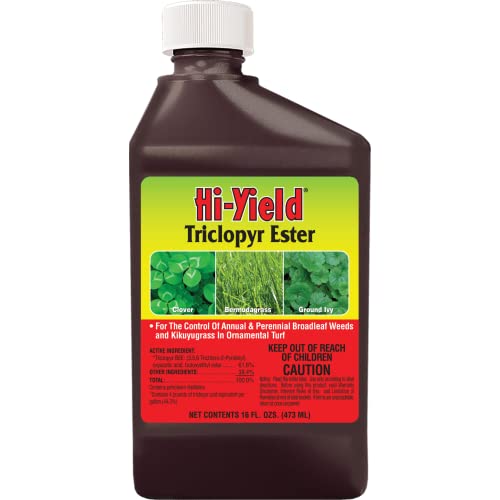
Hi-Yield (35262) Triclopyr Ester, 16 oz

Hi-Yield (35261) Triclopyr Ester, 8 oz
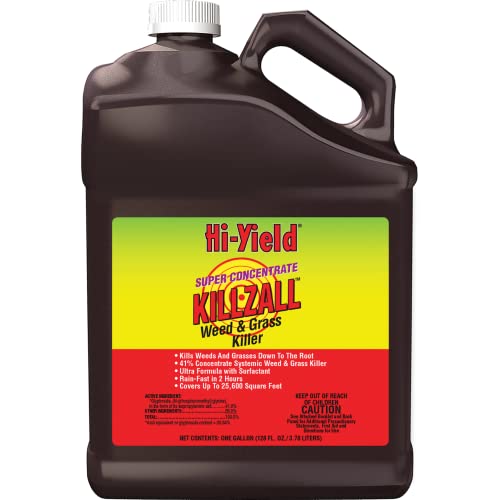
Hi-Yield (33693) Killzall Weed & Grass Killer, 1 gal

Hi-Yield (31134) Grass Killer Postemergence Herbicide, 8 oz

Fertilome (11254) Weed-Out Nutsedge Control, 16 oz
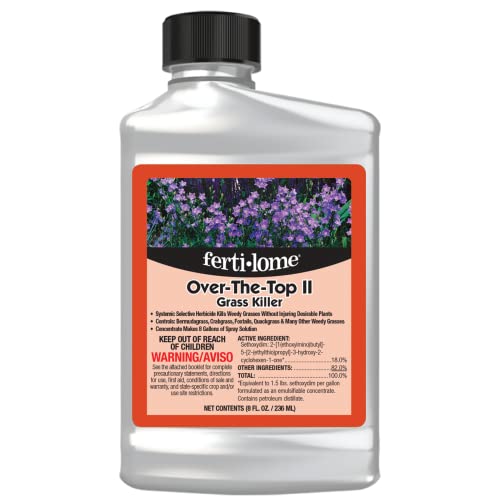
Fertilome 8 Oz Over The Top Grass Killer

Prodiamine 65 WDG Pre-Emergent Herbicide 5 lb

Pennington Bermudagrass Grass Seed, 5 lb
More On The Choices That Made The List
This concentrate aims at actively growing annual and perennial broadleaf weeds such as Oxalis and Wild Violet, the kinds of intruders that creep through Bermuda turf and steal its uniformity. The 16 oz bottle gives you enough liquid to work through a mid-size yard over several treatments rather than running dry midseason.
It’s formulated for cool-season lawns like perennial bluegrass, perennial ryegrass, and tall fescue ornamental turf, and doubles as a bluegrass suppressor. For Bermuda owners specifically, the label explicitly excludes application on Bermudagrass, which makes this a non-starter for direct lawn use but a useful option for surrounding cool-season patches or transitional zones.
Real-World Strengths
- Larger 16 oz volume supports repeat applications across multiple treatment windows
- Targets stubborn broadleaves like Oxalis and Wild Violet that hand-pulling rarely solves
- Liquid concentrate format mixes easily into standard pump sprayers
- Useful as a bluegrass suppressor for cool-season renovation work
Worth Noting
- Label excludes direct application on Bermudagrass, Centipedegrass, St. Augustine, and Zoysiagrass
- Concentrates require careful measurement and protective gear during mixing
- Effectiveness varies with weed maturity and growing conditions
Right Fit For
Homeowners managing cool-season patches beside Bermuda, or those targeting bluegrass encroachment in ornamental turf.
A Better Fit Elsewhere
If you need broadleaf control directly in a Bermuda lawn, the Fertilome Weed-Out Nutsedge Control is purpose-built for warm-season turf.
The smaller sibling to the 16 oz bottle, this 8 oz version delivers the same active ingredient in a more manageable size. For spot treatments and small properties, that smaller footprint keeps storage simple and reduces the chance of leftover concentrate aging in a hot garage.
Like its larger counterpart, it handles actively growing broadleaf weeds including Oxalis and Wild Violet in cool-season turf. The label also bars use on Bermudagrass and several other warm-season grasses, so it works best for adjacent lawn types rather than the Bermuda itself.
Why It Works Well
- Compact 8 oz bottle stores easily on a shelf or in a small shed
- Same broadleaf-targeting chemistry as the 16 oz option
- Lower upfront cost suits first-time users testing a new product
Some Limits To Know
- Not labeled for use on Bermudagrass, Bahiagrass, Centipedegrass, St. Augustine, or Zoysiagrass
- Smaller volume may run short on multi-treatment programs for larger yards
- Requires the same protective handling as any ester-based concentrate
Feature Snapshot
Best Suited To
First-timers with cool-season lawns who want a smaller, less intimidating bottle to learn from.
Skip It When
You actually need broadleaf control inside a Bermuda lawn, since the Quali-Pro Prodiamine or Fertilome Nutsedge Control will serve you far better.
Killzall is the sledgehammer in the line: a non-selective herbicide designed for total vegetation reset. It tackles grasses, broadleaf weeds, and woody brush, with one gallon covering a substantial area for properties that need a clean slate.
The label is explicit about not using it on lawns you want to keep, which makes it a renovation tool rather than a maintenance spray. For Bermuda owners prepping a reseed, clearing fence lines, or reclaiming overgrown edges, the wide coverage and fast-drying surfactant formulation earn it a place on the bench.
Strong Points
- One gallon covers a very large footprint, reducing refill trips
- Handles grasses, broadleaves, and woody brush in a single product
- Dries quickly on plant surfaces to start working without long wait times
- Liquid concentrate stretches further than ready-to-use sprays
Practical Considerations
- Not for use on any lawn you intend to preserve, including Bermuda
- Drift control demands careful application on windy days
- One-gallon size adds weight and storage demands
Quick Facts
Whose Shelf It Belongs On
Homeowners preparing a full lawn renovation or reclaiming overgrown areas before reseeding.
Where Another Pick Suits Better
For selective control without harming Bermuda, the Hi-Yield Triclopyr Ester options or the Fertilome Nutsedge Control are smarter picks.
This selective post-emergent herbicide targets unwanted grass growth without harming nearby vegetables, gardens, trees, shrubs, or ornamentals. That selectivity is the real selling point for anyone whose Bermuda keeps creeping into flower beds or veggie rows.
The 8 oz concentrate mixes into a generous amount of finished spray, and grass growth typically stops within about two days of application. Compared to the broader-spectrum Killzall reviewed earlier, this formula stays in its lane, killing grasses only, which makes it safer around desired plantings.
Practical Pluses
- Selective action protects ornamentals, shrubs, and edible crops nearby
- Fast visible results, with grass growth halting within roughly two days
- One bottle makes several gallons of finished spray solution
- Liquid concentrate format suits standard pump sprayers
Things To Consider
- Targets grass only, so broadleaf weeds require a different product
- Application rate varies by area size and method, requiring label attention
- Concentrate handling calls for gloves and eye protection during mixing
Feature Rundown
Built With In Mind
Vegetable gardeners and flower bed owners who need to remove grass without harming the plants they actually want.
Another Choice May Suit
For whole-lawn weed control on Bermuda turf itself, the Fertilome Nutsedge Control is the more relevant choice.
Of every product in this roundup, this one fits Bermuda grass the most directly. It’s labeled for use on both warm and cool season grasses, including Bermuda, Bahia, Bluegrass, and Fescue. That compatibility alone sets it apart from several of the Hi-Yield Triclopyr options, which exclude Bermuda.
The active ingredients target a broad spread of nuisance plants: Clover, Dandelion, Crabgrass, Ground Ivy, Nutsedge, and Spurge among them. Sixteen ounces of concentrate covers a sizable area, making it a practical choice for homeowners dealing with mixed weed pressure across a full lawn.
Everyday Perks
- Labeled for direct application on Bermuda and other warm-season turf
- Handles tough weeds like Nutsedge and Ground Ivy that resist generic sprays
- Covers a large footprint from a single 16 oz bottle
- Useful on both warm and cool-season grasses for mixed-lawn properties
Honest Caveats
- Pre-emergent activity means timing matters, so application windows are narrower than post-emergent products
- Not all weeds respond equally; label review helps confirm coverage for your specific problem
Perfect Match For
Homeowners with established Bermuda lawns fighting nutsedge, crabgrass, and broadleaf invaders in a single program.
Reach For A Different Pick When
You need broad pre-emergent coverage across very large properties, in which case the Quali-Pro Prodiamine fits better.
Functionally similar to the Hi-Yield Grass Killer covered earlier, this Fertilome option targets both annual and perennial grass weeds in areas where you want to preserve broadleaf ornamentals. Vegetable gardens, flower borders, and tree rings are its natural habitat.
The 8 oz concentrate mixes into eight gallons of finished spray, and grass growth typically halts within about two days of treatment. If Bermuda stolons are invading a prized rose bed or your tomato patch, this gives you a targeted way to remove them without tearing out the whole bed.
Everyday Wins
- Selectivity protects vegetables, ornamentals, and shrubs from damage
- Targets both annual and perennial grass weeds, broadening its usefulness
- Compact 8 oz bottle suits casual gardeners with modest storage space
- Visible results within roughly two days speed up follow-up decisions
Points To Keep In Mind
- Grass-only selectivity means broadleaf weeds need a separate treatment
- Application rate varies by area, so label reading is essential
- Mixing concentrate still requires basic protective handling
Product Snapshot
Who Should Grab It
Gardeners reclaiming flower beds, vegetable rows, or shrub borders from encroaching Bermuda.
Look Elsewhere When
You want to treat weeds in the lawn itself, where the Fertilome Weed-Out Nutsedge Control belongs instead.
Prodiamine takes the opposite approach from the post-emergent sprays in this roundup. Instead of killing weeds you can see, it forms a barrier in the soil that stops crabgrass and many broadleaf weeds before they germinate. For Bermuda owners, that means applying ahead of spring green-up and again in early fall for season-long coverage.
The 5 lb container of water-dispersible granules suits larger properties, and flexible timing allows both spring and fall applications. Compared to selective post-emergent options like the Fertilome Nutsedge Control, this one’s strength is prevention rather than rescue.
What Stands Out
- Pre-emergent barrier stops crabgrass before seedlings emerge
- Flexible timing for both spring and fall application windows
- 5 lb size handles large properties without frequent refills
- Generic Barricade alternative lowers cost for professional-grade chemistry
Trade Offs
- Won’t help with weeds already growing, so timing matters more than with post-emergent products
- Water-dispersible granules require thorough mixing in the spray tank
- Label review essential for accurate application rate by turf type
Made For
Homeowners running an annual pre-emergent program to stop crabgrass and broadleaf weeds before they appear.
A Better Fit Elsewhere
If you already see weeds actively growing, the Fertilome Weed-Out Nutsedge Control handles existing infestations more directly.
The only grass seed in this roundup earns its spot for a different reason. After you’ve cleared weeds with the products above, bare patches need filling, and Pennington’s Bermuda blend produces a thick, aggressively self-spreading turf that fills in quickly.
The seed contains improved cold-tolerant varieties, which extends the green season further than older Bermuda types. Its wear resistance suits high-traffic yards, and the low-growth habit reduces mowing frequency compared to traditional Bermuda.
Where It Delivers
- Self-spreading growth habit fills bare patches without heavy reseeding
- Wear-resistant turf handles foot traffic from kids and pets
- Low-growth blend produces fewer grass clippings during peak season
- 5 lb bag covers a meaningful reseeding area for most home lawns
Honest Caveats
- Warm-season grass goes dormant and turns brown in winter months
- Seed requires warm soil and proper timing for reliable germination
- Not a herbicide, so it pairs with the products above rather than replacing them
Who It Suits Best
Homeowners recovering from heavy weed damage or filling in thin, worn areas in an existing Bermuda lawn.
Where Another Pick Suits Better
For stopping weeds before they appear, the Quali-Pro Prodiamine offers more direct control than seed alone.
What Matters Most Before Choosing Herbicides For Bermuda Grass
Bermuda-Safe Labeling Comes First
Several herbicides in this category exclude Bermudagrass entirely, including the Hi-Yield Triclopyr Ester options. Always read the label before purchase to confirm the product is approved for your specific turf type, since an off-label application can damage or kill the lawn you’re trying to protect.
For Bermuda owners, the Fertilome Weed-Out Nutsedge Control stands out for explicit warm-season compatibility, while the Hi-Yield Grass Killer and Fertilome Over The Top Grass Killer handle Bermuda only when it’s the unwanted invader in beds and borders.
Pre-Emergent vs. Post-Emergent Timing
Pre-emergent herbicides, like Prodiamine, work by forming a soil barrier that stops weed seeds before they germinate. Apply them in early spring and early fall for season-long crabgrass and broadleaf prevention. They won’t help with weeds already growing.
Post-emergent products target weeds you can already see. Selective post-emergents like the Fertilome Nutsedge Control spare Bermuda while killing weeds, and non-selective options like Killzall are reserved for full renovation projects where no desirable grass survives.
Spray Capacity and Coverage
Concentrate size directly affects how many treatments one bottle supports. A 16 oz bottle covers a mid-size yard across multiple applications, while a 1 gallon jug suits large properties or total vegetation resets. Smaller 8 oz bottles suit spot treatments and compact storage.
Key Considerations Across These Picks
Wrong Turns To Avoid
The most common mistake is assuming any weed killer is safe for Bermuda. Several effective broadleaf herbicides, including the Hi-Yield Triclopyr Ester formulations, exclude Bermudagrass on the label and will damage your lawn if applied directly.
Another frequent slip is skipping pre-emergent timing. Prodiamine and similar products must be applied before weeds germinate, which means late winter to early spring depending on your zone, not after the crabgrass is already visible.
The Upgrade Payoff
Paying more typically buys larger container sizes, broader weed spectrums, or professional-grade active ingredients. A 5 lb jug of Prodiamine costs more upfront than an 8 oz spot spray, but covers a far larger area and lasts across multiple seasons when stored properly.
The honest read is that higher-tier picks earn their place when you have a large property, persistent weed pressure, or want season-long prevention in one purchase. Smaller bottles suit casual gardeners with modest needs.
Frequently Asked Questions
What herbicide is safe to use on Bermuda grass?
Selective herbicides labeled for warm-season turf, like Fertilome Weed-Out Nutsedge Control, are explicitly approved for Bermuda. Always confirm the label lists Bermudagrass before applying any product to your lawn.
Can I use a pre-emergent on an established Bermuda lawn?
Yes. Prodiamine and similar pre-emergents are commonly used on established Bermuda to prevent crabgrass and broadleaf weeds before they appear. Apply in early spring and again in early fall for the best results.
How do I kill Bermuda grass in flower beds?
Selective grass killers like Hi-Yield Grass Killer Postemergence Herbicide or Fertilome Over The Top Grass Killer target grass without harming ornamentals and vegetables nearby.
When is the best time to spray herbicides on Bermuda?
Post-emergent sprays work best when weeds are actively growing, typically during warm spring and summer months. Pre-emergent products must be applied before germination, usually late winter to early spring.
Can I reseed Bermuda after using a herbicide?
Most selective herbicides allow reseeding after a short waiting period listed on the label. Non-selective products like Killzall require longer intervals before planting new grass seed.
Bottom Line
The right herbicide for Bermuda depends entirely on what you’re fighting and where. Selective post-emergents like Fertilome Weed-Out Nutsedge Control handle existing weeds directly in the lawn, while Prodiamine stops crabgrass before it starts. For Bermuda invading garden beds, the selective grass killers keep ornamentals safe. Match the product to the job, read the label, and your lawn has a real shot at staying ahead of the weeds this season.
