

Broadleaf weeds creep into nearly every yard eventually, choking out turfgrass, ruining curb appeal, and frustrating anyone who takes pride in a tidy lawn. The right herbicide makes the difference between a season-long battle and a clean, green stand of grass. This list covers selective formulas for lawns, pasture-friendly options, and even an aquatic solution for pond owners, so you can match the product to your specific situation.
The Leading Options At A Glance
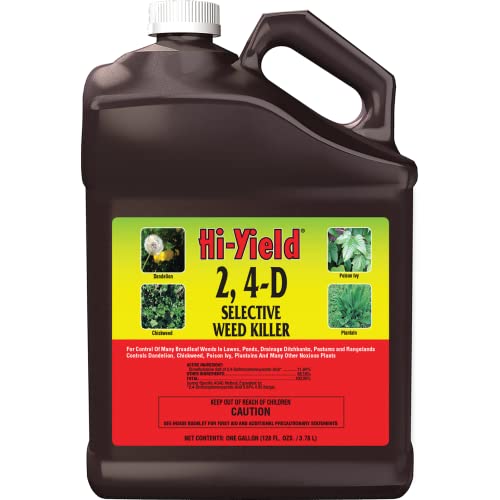
Hi-Yield 2,4-D Selective Weed Killer (1 gal)
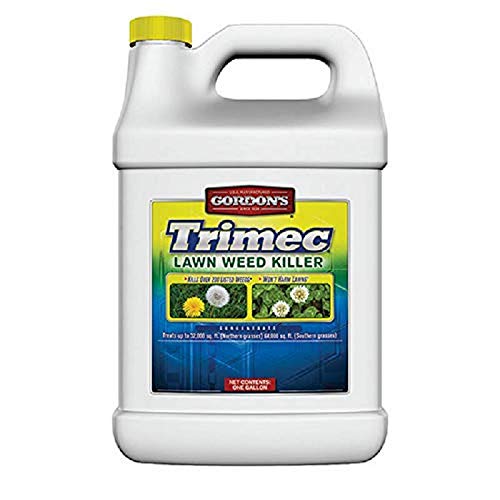
PBI/Gordon Trimec Lawn Weed Killer (1 gal)

Tsunami DQ Aquatic Herbicide (1 gal)
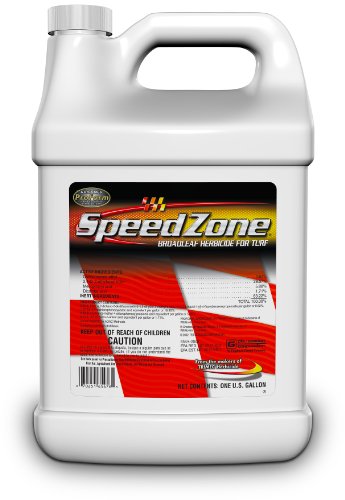
PBI Gordon SpeedZone EW Herbicide (128 oz)

Spectracide Large Plot Weed Stop (1 gal)
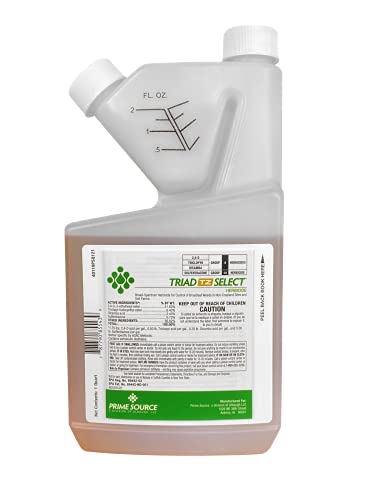
Select Source Triad TZ Herbicide (Quart)

PBI/Gordon SpeedZone EW Lawn Weed Killer
What Each Pick Brings To The Table
Homeowners with acreage often need something that handles more than a manicured lawn, and the Hi-Yield 2,4-D Selective Weed Killer fits that wider brief. It’s labeled for lawns, drainage ditches, ponds, pastures, and rangelands, giving you one jug for several jobs around the property. The active ingredient, 2,4-D (a synthetic auxin that mimics plant growth hormones and causes broadleaf plants to twist and die), has decades of field use behind it.
Compared to the PBI/Gordon Trimec reviewed next, which is tuned for cool-season turf, this one trades lawn refinement for land flexibility. Pasture owners with scattered thistles, dandelions, and arrowhead will appreciate that scope. Owners commonly pair it with a surfactant to improve leaf coverage and absorption.
What Works In Its Favor
- Selective formula targets broadleaf weeds while leaving most grasses intact
- Approved for pastures, rangelands, ponds, and drainage ditches beyond standard lawns
- Effective against stubborn species like dandelion, arrowhead, buckhorn, and aster
- Gallon size suits properties with multiple treatment zones
Things To Consider
- Mixing ratios and application rates vary by use site, so the label deserves a careful read
- Storage in a shaded, ventilated space is widely recommended for concentrate stability
- Less specialized than turf-only formulas for fine residential lawns
Who It Suits Best
Property managers, small-acreage owners, and pasture keepers who need one product for mixed land types rather than a lawn-only specialist.
Consider Something Else When
The PBI/Gordon Trimec Lawn Weed Killer is a stronger match for cool-season grass lawns where ornamental turf quality matters more than pasture versatility.
Northern homeowners dealing with persistent lawn invaders gravitate toward the PBI/Gordon Trimec because it’s tuned for cool-season turf. It’s formulated for Kentucky bluegrass, perennial ryegrass, fescues, and similar grasses that dominate northern yards. A single gallon covers a meaningful footprint, which matters when you’re treating more than a small patch.
The blend targets a long list of broadleaf weeds, well over 200 species, which is why it keeps showing up on professional lawn care routes. Where the Hi-Yield jug leans toward rural land, this one stays focused on the residential lawn. Expect a multi-ingredient formula that hits weeds from several angles at once.
Real-World Strengths
- Engineered specifically for cool-season turf species common in northern climates
- Targets an extensive range of broadleaf species in a single application pass
- Generous coverage from each gallon reduces refill frequency on bigger lawns
- Trusted blend commonly used by professional lawn applicators
Honest Caveats
- Not intended for warm-season grasses like St. Augustine or centipede
- Application timing around temperature swings affects results and turf stress
- Mixing accuracy matters more than with ready-to-spray products
Best Suited To
Homeowners in transition zone and northern climates with cool-season turf who want a single jug that handles dozens of broadleaf weeds at once.
Look Elsewhere When
Warm-climate yards with Bermuda or St. Augustine grass should consider the Spectracide Large Plot Weed Stop, which lists southern grass tolerance.
Pond owners face a completely different weed problem, and lawn herbicides won’t touch duckweed or pondweed without harming aquatic life. The Tsunami DQ Aquatic Herbicide is built specifically for water bodies, using diquat dibromide (a contact herbicide that disrupts plant cell membranes on direct contact) as its active ingredient. That distinction matters for anyone managing a farm pond, decorative water feature, or small lake.
Unlike the turf-focused picks on this list, this one tackles submerged, floating, and emerged weeds in the same jug. Note that it isn’t shipped to several states due to aquatic-use regulations, so verifying availability is step one. When used as directed, the formula is designed to spare fish and wildlife, which is the whole point of an aquatic-specific blend.
Why It Works Well
- Diquat-based contact action delivers quick visible results on water plants
- Handles submerged, floating, and emerged aquatic weeds in one product
- Designed to protect fish and aquatic organisms when applied per the label
- Concentrate format suits larger ponds and water bodies
Points To Note
- Not available for sale in several states due to aquatic pesticide regulations
- Requires careful dosing by water surface area and depth for safety
- Wrong application timing can stress pond ecosystems temporarily
Made For
Pond and small-lake owners, including farm properties and rural homesteads, who need aquatic weed control without harming fish populations.
A Better Fit Elsewhere
Suburban homeowners fighting dandelions in bluegrass should skip this entirely and reach for the PBI/Gordon Trimec Lawn Weed Killer instead.
Speed matters when broadleaf weeds are visibly choking out a client’s turf, and the SpeedZone EW earns its name with rapid visible decline after application. The emulsion-in-water formulation (a water-based carrier that suspends active ingredients without petroleum solvents) is engineered for thorough coverage of leaf surfaces, which is where the herbicide enters the plant. That chemistry also keeps the odor profile lower than older ester-based formulas.
This 128-ounce bottle is positioned toward turf managers and serious homeowners rather than casual users. Compared to the Select Source Triad TZ later in this list, the SpeedZone EW emphasizes knockdown speed while keeping a refined application feel. It also reaches grassy weeds like goosegrass and nimblewill, which broadleaf-only formulas leave behind.
A Strong Showing
- Fast-acting formulation shows visible weed decline within days
- Emulsion-in-water carrier reduces odor compared to older solvent blends
- Covers 90-plus broadleaf weeds plus certain grassy invaders
- Low-VOC profile suits residential use closer to neighbors
Less Ideal Details
- Professional-grade pricing reflects its turf-manager positioning
- Mixing accuracy affects both efficacy and turf safety
- Storage in moderate temperatures preserves emulsion stability
Who Will Love This
Lawn care professionals and dedicated homeowners managing higher-end turf who prioritize visible speed and reduced odor during application.
Swap It Out When
Budget-focused homeowners with smaller yards may find the Spectracide Large Plot Weed Stop more approachable for typical residential use.
Big residential lawns need volume, and the Spectracide Large Plot Weed Stop is built to cover them without constant refilling. A single gallon handles meaningful square footage depending on grass type, which makes it attractive for owners of half-acre and larger yards. It’s formulated to kill more than 200 listed weeds, including dandelion and chickweed, while preserving lawn grass when applied correctly.
Where the PBI/Gordon SpeedZone EW leans professional, this concentrate aims at the DIY homeowner who wants strong results from a recognizable brand. The trade-off is application discipline, since concentrate means measuring and mixing rather than hooking up a ready-to-spray bottle. For most large suburban lots, that extra step pays off in coverage.
Positive Points
- High coverage area per gallon suits properties well beyond a typical city lot
- Targets 200-plus listed weed species with root-killing action
- Listed for both northern and southern grass types, widening its fit
- Recognizable brand with broad retail availability
Practical Considerations
- Concentrate format requires accurate measuring and sprayer setup
- Warm-season grass owners should still confirm compatibility with their specific turf
- Bottle storage away from children and pets is essential between treatments
Right Fit For
Homeowners with sizable lawns who want one concentrated jug that handles a long weed list without frequent refilling trips.
Reach For A Different Pick When
Smaller yard owners who prefer ready-to-spray convenience might prefer a simpler hose-end product, while turf perfectionists may still favor the SpeedZone EW.
When a single mode of action isn’t enough to clean up a stubborn lawn, a four-ingredient post-emergent formula like Triad TZ steps in. Combining multiple active ingredients with two distinct modes of action (the biological pathways each ingredient uses to kill weeds) reduces the chance that resistant or tolerant species survive a treatment pass. Growth typically halts within hours, with full death following over one to four weeks.
The quart size here is a departure from the gallon jugs earlier in this list, which suits homeowners treating targeted zones rather than full lawns. Compared to the Select Source option, PBI/Gordon’s SpeedZone EW uses a similar multi-ingredient philosophy but leans toward rapid knockdown. Triad TZ is positioned as a dependable alternative to higher-priced professional blends.
The Value In It
- Four active ingredients deliver overlapping modes of action against resistant weeds
- Post-emergent design treats existing weeds rather than preventing new ones
- Quart size fits spot treatments and smaller lawns without waste
- Positioned as a cost-conscious alternative to branded professional blends
Some Limits To Know
- Quart volume means more frequent mixing for properties over a few thousand square feet
- Full weed death takes one to four weeks, requiring patience
- Turf-type compatibility should still be confirmed before broad use
Perfect Match For
Homeowners battling resistant or persistent broadleaf weeds in mid-sized lawns who want multi-ingredient chemistry without paying top-tier professional pricing.
Where Another Pick Suits Better
Owners treating large acreage with mixed land types may find the Hi-Yield 2,4-D Selective Weed Killer more versatile across pastures and lawns alike.
The SpeedZone EW Lawn Weed Killer rounds out this list by addressing what many homeowners wrestle with: mixed turfgrass yards. It’s labeled for both cool- and warm-season species, which makes it useful in transition zones where lawn type isn’t always uniform. The four-active-ingredient blend controls more than 90 broadleaf species along with grassy invaders like goosegrass.
Where the PBI/Gordon SpeedZone EW Broadleaf Herbicide reviewed earlier emphasizes rapid visible decline, this version leans into established turfgrass tolerance. That distinction matters if your lawn has been established for years and you prioritize not stressing it. It also picks up dandelion, clover, dollarweed, and spurge, which covers the most common homeowner complaints.
Benefits That Matter
- Compatible with both cool- and warm-season turf in the same jug
- Four active ingredients handle over 90 broadleaf weed species
- Reaches grassy weeds like goosegrass and nimblewill alongside broadleaf targets
- Designed for established turf with minimal stress when applied per label
Room For Improvement
- Concentrate format still requires measuring and sprayer calibration
- Results vary depending on application timing and weed maturity
- Application during turf stress windows can amplify discoloration risk
Whose Shelf It Belongs On
Homeowners in transition zones or with mixed turf types who want one jug that handles both grass families without buying separate products.
Not Your Match When
Pasture and rangeland owners needing non-lawn use sites should default to the Hi-Yield 2,4-D Selective Weed Killer for its broader land labeling.
Choosing The Right Formula For Your Situation
Picking a herbicide starts with identifying what you’re actually trying to control and where it’s growing. Lawn weeds, pasture weeds, and pond weeds are three different worlds, and the wrong product can damage desirable plants or violate regulations.
Match The Product To The Site
A selective broadleaf herbicide (one designed to kill broadleaf plants while leaving narrow-leaf grasses largely unharmed) is the right category for most homeowners. Cool-season blends like Trimec are tuned for northern grasses, while warm-season lawns need southern-compatible formulas. Pond and aquatic weeds require products specifically registered for water use, like Tsunami DQ.
Understand Selective Vs. Non-Selective
Selective herbicides spare turfgrass while targeting broadleaf invaders, which is what most lawn owners want. Non-selective formulas kill almost any green plant they contact, including your lawn. Reserve those for driveways, fence lines, or spot work where no desirable growth exists nearby.
Read The Label Thoroughly
Application rates, protective equipment, and restricted-use sites vary widely between products. Pasture-safe herbicides may still have livestock grazing intervals, and aquatic products often carry state-specific shipping restrictions. A ten-minute label read prevents costly misapplications and protects surrounding plants and animals.
Key Considerations Across These Picks
Pitfalls Shoppers Hit
The most common mistake is choosing a lawn product for a pond, or vice versa, since the chemistry and registrations differ entirely. Another frequent slip is ignoring grass-type compatibility, which leads to scorched St. Augustine or yellowed Bermuda. Buying a gallon jug for a small yard is also wasteful, since concentrate has a limited shelf life once opened.
Where The Extra Money Goes
Premium blends like the SpeedZone EW line use multi-ingredient formulas with faster knockdown and lower odor profiles, which matter on high-visitor lawns or properties close to neighbors. The emulsion-in-water chemistry and broader turf tolerance cost more to produce. For typical residential lawns, mid-tier concentrates often strike the right balance between price and performance.
Frequently Asked Questions
When Is The Best Time To Apply Broadleaf Herbicides?
The best window is during active weed growth in spring or fall, when temperatures sit between 60 and 85 degrees Fahrenheit. Avoid applying during drought stress or right before heavy rain.
How Long Does It Take To See Results?
Most selective broadleaf herbicides show visible curling or yellowing within a few days, with full weed death taking two to four weeks. Faster-acting blends like SpeedZone EW often show decline within 24 to 48 hours.
Can Herbicides Harm Pets Or Children?
When applied as directed and allowed to dry, most lawn herbicides pose minimal risk to pets and kids. Keeping people and animals off treated areas until dry is the standard precaution, and product labels list any required re-entry intervals.
Do I Need A Surfactant Or Spreader Sticker?
A surfactant (a wetting agent that helps herbicide stick to and penetrate waxy leaf surfaces) improves coverage on hard-to-wet weeds and is recommended for some products like the Hi-Yield 2,4-D. Many modern formulas already include surfactants, so check the label before adding more.
What About Weed Resistance?
Repeated use of a single herbicide mode of action (the biological mechanism a herbicide uses to kill plants) can lead to resistant weed populations over time. Rotating products with different modes of action, like a multi-ingredient blend one season and a single-ingredient formula the next, helps prevent resistance from establishing.
Closing Remarks
The right herbicide depends entirely on your site, your grass type, and the weeds you’re fighting. Cool-season lawns, warm-season lawns, pastures, and ponds each call for different chemistry, and matching the product to the situation makes the difference between clean turf and ongoing frustration. Start with your use site, confirm grass compatibility, and pick a jug sized to the area you’re actually treating.
