

Cattails turn a clean shoreline into a thick green wall surprisingly fast, and once their rhizomes (underground stems that send up new shoots) settle in, manual pulling barely makes a dent. Homeowners with farm ponds, lake cabins, drainage ditches, or soggy back acreage all hit the same wall: the plants keep coming back. Choosing the right herbicide for cattails means matching the active ingredient to your water type, your grass nearby, and how permanent you want the control to be. The eight options below cover shorelines, food plots, pastures, and general lawn encroachment, so you can match chemistry to your specific mess.
A Fast Comparison Of The Options
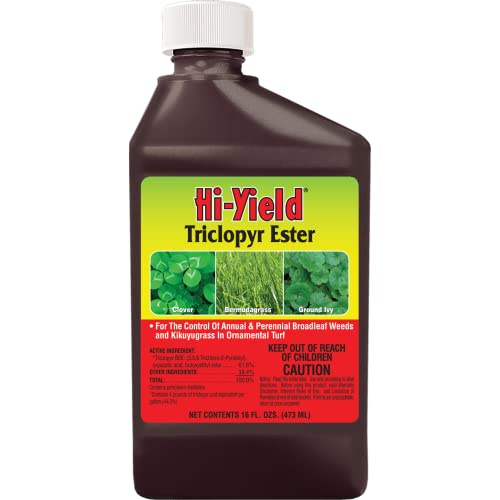
Hi-Yield 35262 Triclopyr Ester, 16 oz

Hi-Yield 33700 Killzall Aquatic Herbicide, 32 oz
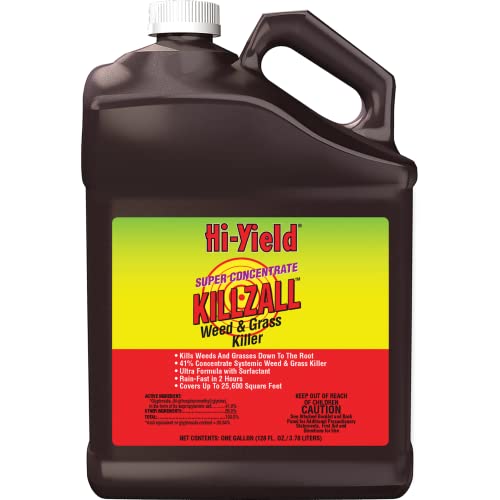
Hi-Yield 33693 Super Concentrate Killzall, 1 gal

Tsunami DQ Aquatic Herbicide, Quart

Target 6 Plus MSMA Turf Herbicide, 2.5 Gallon
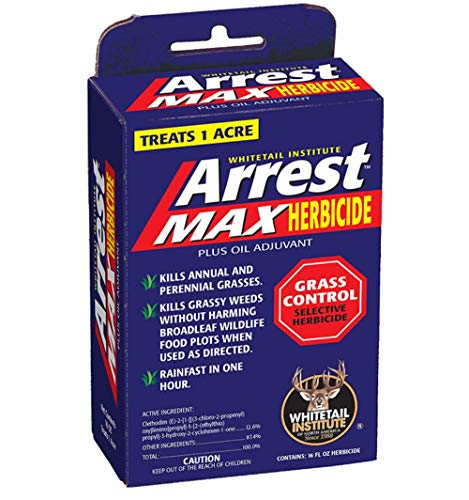
Whitetail Institute Arrest Max Grass Control, 8 oz
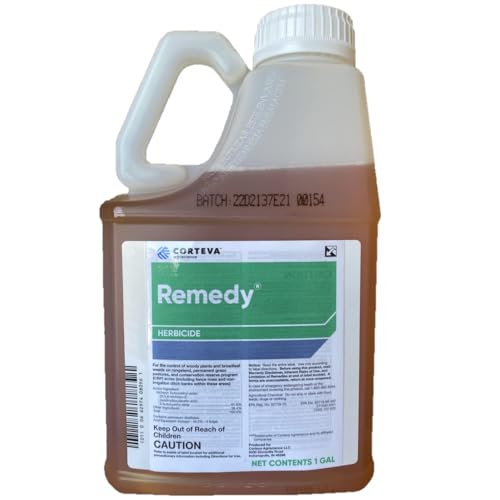
Remedy Specialty Herbicide Brush Control, 1 Gallon

Airmax Shoreline Defense Emergent Weed Control, 1 Quart
Taking A Closer Look At The Options
Triclopyr is a synthetic auxin herbicide, meaning it mimics plant growth hormones and essentially makes broadleaf weeds grow themselves to death. The Hi-Yield 35262 ships as a 16 oz liquid concentrate that you dilute with water and spray onto actively growing weeds, so a single bottle covers a meaningful patch of turf before you need a refill.
This formula targets broadleaf weeds like Oxalis and Wild Violet in lawns, but it also doubles as a bluegrass suppressor for homeowners trying to push out coarse perennial grass. Compare that to the Killzall options below, which kill everything green rather than selecting broadleaves, and the role here becomes clearer: a tidy, surgical tool, not a scorched-earth approach.
What Earns Its Place
- Concentrated format keeps shelf life long and shipping weight low
- Targets stubborn broadleaves without harming most cool-season turf grasses
- Useful dual purpose as a bluegrass suppressor in ornamental beds
- Liquid concentrate mixes easily with standard pump sprayers
Trade Offs
- Cannot be used on Bahiagrass, Bentgrass, Bermudagrass, Centipedegrass, St. Augustine, or Zoysiagrass
- Not labeled for aquatic sites, so it is not a cattail tool on its own
- Small 16 oz size means frequent refills for properties over a half acre
Feature Snapshot
Who Should Grab It
Cool-season lawn owners dealing with broadleaf weeds and willing to follow label rates carefully will find this concentrate fits a normal pump sprayer.
Skip It When
Homeowners managing warm-season turf like St. Augustine or anyone needing real aquatic labeling should reach for the Airmax Shoreline Defense reviewed below.
Killzall Aquatic is the version you reach for when weeds meet water. Unlike the lawn-focused Triclopyr above, this 32 oz concentrate is labeled for use in and around aquatic sites, including wildlife habitat restoration areas, which makes it relevant for pond edges, ditch banks, and wetland margins where cattails thrive.
The active ingredient is glyphosate, a non-selective herbicide that kills any green plant it touches, so careful spot spraying matters. Coverage stretches up to roughly one acre per bottle when diluted, which is plenty for most backyard ponds and small lake frontages.
Notable Upsides
- Aquatic labeling opens up shoreline and pond-edge use cases
- One bottle treats up to about one acre of mixed vegetation
- Broad-spectrum control of thistles, pigweed, ragweed, and similar pests
Points To Keep In Mind
- Non-selective, so overspray will damage nearby lawn grass and ornamentals
- Requires careful mixing and calibration to avoid wasting concentrate
- Glyphosate formulations perform best on warm, actively growing foliage
Quick Facts
Made For
Homeowners with small ponds, ditch rights-of-way, or wetland margins who want one bottle to handle a season of mixed brush.
Reach For A Different Pick When
Cattails dominate the shoreline and you specifically want a product formulated for emergent weeds; the Airmax Shoreline Defense reviewed later is a tighter fit.
Same Killzall chemistry, much bigger jug. The 1 gallon concentrate covers up to roughly 25,600 square feet of non-lawn area, which puts it in acreage territory rather than backyard territory. The double-surfactant formulation helps the spray stick to waxy leaves and start working quickly on grasses, broadleaf weeds, and woody brush.
Compared to the 32 oz aquatic-labeled version, this one targets non-crop land and is not intended for lawn use. Think fence lines, gravel driveways, food plot edges, and brushy lots where total vegetation control is the goal.
Points In Its Favor
- Gallon size keeps cost per treated square foot low
- Covers brushy and grassy species in one pass
- Double-surfactant mix clings to foliage for faster uptake
Room For Improvement
- Not for use on lawns, so accidental overspray ruins desired turf
- Heavy jug is awkward to ship and store in small sheds
- Requires careful reading of label since mix ratios vary by target weed
Best Suited To
Landowners clearing large fence lines, driveways, or food plot borders where total vegetation knockdown is the goal for the season.
Consider Something Else When
You only need to treat a quarter-acre pond edge; the 32 oz Killzall Aquatic above is easier to handle and properly labeled for water.
Diquat dibromide, the active ingredient here, is a contact herbicide, meaning it kills only the plant tissue it directly touches rather than moving through the root system. That makes Tsunami DQ a fast-acting option for submerged weeds like pondweed, floating mats like duckweed and watermeal, and emergent growth like curly leaf pondweed.
The quart bottle concentrates at 37.3 percent diquat, so a little goes a long way in a spray rig or boat-mounted tank. The catch is state availability, since this product is restricted in several states including California, New York, and Washington, so confirm local rules before adding it to your shed.
Real-World Strengths
- Rapid visible results on contact make it useful for quick turnarounds
- Targets submerged, floating, and emergent species in one product
- Concentrated formula keeps the bottle compact for boat or ATV storage
Honest Caveats
- Cannot ship to AZ, CA, CT, ME, MN, NH, NJ, NY, OR, VT, and WA
- Contact action means regrowth can occur from untreated roots
- Restricted-use nature may require certification in some localities
Spec Overview
Who Will Love This
Pond and lake owners in allowed states who need to clear floating and submerged mats before the swimming or fishing season kicks off.
A Better Fit Elsewhere
Cattails are your primary target; Airmax Shoreline Defense below is formulated specifically for emergent weeds and cattails.
MSMA, or monosodium methanearsonate, is a selective post-emergent herbicide, meaning it kills weeds that have already sprouted while leaving certain turfgrasses unharmed. Target 6 Plus ships as a 2.5 gallon jug of 48.2 percent MSMA concentrate, which is sized for golf courses, sod farms, and highway rights-of-way rather than a backyard shed.
The general mix rate is around 2 ounces per gallon of water, though specific weeds call for specific ratios. Compared to the broad-spectrum Killzall options above, MSMA targets grassy weeds and sedges like crabgrass, dallisgrass, and nutsedge while sparing desirable turf, which is a very different job.
A Few Strong Suits
- Selective action preserves labeled turfgrasses while removing weeds
- Handles notoriously tough grassy and sedge species
- 2.5 gallon size keeps large properties supplied all season
Practical Considerations
- Arsenic-based chemistry demands strict PPE and label discipline
- Restricted or banned for residential lawn use in some states
- Heavy jugs need a utility vehicle or cart to move around
Right Fit For
Turf professionals managing golf greens, sod production, or highway medians where labeled turf needs protection from invading grasses.
Look Elsewhere When
Cattails in a pond are the problem; Airmax Shoreline Defense or Hi-Yield Killzall Aquatic are built for that work.
Arrest Max is built for one job: clearing volunteer grasses out of deer food plots without harming clover, alfalfa, or chicory. The 8 oz bottle of selective grass herbicide is sized for a few acres of plot work, paired with a crop oil surfactant for better leaf uptake.
Compare that to the broad-spectrum Killzall picks above; this herbicide is selective, so the forage you planted survives while invading grasses die back. For hunters and land managers, that selectivity is the whole point.
Strengths Worth Knowing
- Selective action protects clover, alfalfa, and chicory stands
- Compact 8 oz bottle fits in a backpack or truck console
- Designed specifically for perennial food plot maintenance
- Pairs with crop oil for boosted performance on tough grasses
Worth Bearing In Mind
- Niche purpose means limited use outside food plot settings
- Small bottle requires multiple purchases for larger properties
- Crop oil surfactant is sold separately for best results
Perfect Match For
Hunters and habitat managers who plant clover or alfalfa blends and need to knock back grass competition without harming the forage.
Swap It Out When
Cattails along a pond edge are the target; the Airmax Shoreline Defense reviewed below is formulated for that exact scenario.
Remedy is a triclopyr-based concentrate aimed squarely at rangeland, pasture, and fence line work. The low-odor profile is a real perk when you are spraying near livestock or homes, and the chemistry moves through both roots and top growth for a longer-lasting kill on brush and mid-size trees.
This gallon concentrate can be used alone or tank-mixed (combined in the same spray tank) with broadleaf herbicides like GrazonNext or ForeFront HL, giving pasture managers flexibility depending on the weed spectrum. Compared to the lawn triclopyr reviewed first, this one is built for acres, not square feet.
Noteworthy Benefits
- Low-odor formula makes it easier to live with near livestock
- Systemic action (absorbed and moved throughout the plant) reaches roots for full plant kill
- Tank-mix compatible with common rangeland partners
- Long-lasting control reduces repeat trips to the back forty
Softer Spots
- Gallon size is overkill for small residential lots
- Restricted-use classification may require applicator credentials
- Tank-mix results vary, so jar testing (mixing a small sample first) is wise before full-scale spraying
Quick Technical Notes
Built With In Mind
Ranchers and acreage owners reclaiming pasture from cedar, locust, and other encroaching brush along fence rows and field borders.
Where A Sibling Pick Shines
Cattails, not brush, are the main target; the Airmax Shoreline Defense below is labeled for emergent aquatic weeds specifically.
Shoreline Defense is the only product in this roundup whose label calls out cattails by name. It is a broad-spectrum liquid aquatic herbicide formulated for emergent weeds, meaning plants rooted in shallow water with foliage above the surface, which is exactly where cattails, phragmites, and waterside grasses live.
The quart bottle is approved for fresh and brackish water (a mix of fresh and salt water, common in coastal estuaries), so coastal pond owners are covered alongside inland lake folks. The goal is root kill, not just top burn, so regrowth is slower than with contact options like Tsunami DQ reviewed earlier.
Reasons It Performs
- Specifically labeled for cattails, phragmites, and shoreline grasses
- Approved for fresh and brackish water sites
- Targets roots to slow regrowth compared to contact herbicides
Some Limits To Know
- Quart size means multiple bottles for large lake frontages
- Aquatic use requires careful reading of state and local rules
- Reclamation projects often need repeat seasons of treatment
Whose Shelf It Belongs On
Pond and lake owners fighting a real cattail invasion who want a product labeled for the job and willing to plan for multi-season treatment.
Not Your Match When
Submerged weeds like pondweed or floating mats like duckweed dominate your water; Tsunami DQ handles those categories more directly.
Picking The Right Herbicide For Your Waterway
Active ingredient drives everything in this category. Triclopyr-based products like the Hi-Yield concentrate and Remedy work on broadleaf weeds and woody brush without poisoning the soil for months, while glyphosate-based Killzall sprays kill any green plant but break down quickly. Diquat is a fast contact killer best for submerged and floating weeds, and MSMA handles grassy weeds in labeled turf. Matching the active ingredient to the weed type and site (lawn, pasture, shoreline, or open water) is the single biggest decision you will make.
Cattails are emergent plants, so a product labeled for emergent weeds in aquatic sites is the cleanest fit. If your shoreline is the problem, Airmax Shoreline Defense or Hi-Yield Killzall Aquatic both apply, with Shoreline Defense being the more targeted pick. For ponds choked with floating mats, Tsunami DQ works faster on contact. For brush and pasture encroachment, Remedy covers acres with lasting results.
State rules matter as much as chemistry here. Diquat products like Tsunami DQ cannot ship to several states, and MSMA is restricted in others. Always check the current label and your state department of agriculture before ordering, because the chemistry that works perfectly in Texas may not be legal to apply in New York. Storage is also worth thinking through: liquid concentrates need a cool, dry spot away from pets and kids, and the gallon jugs demand a sturdy shelf.
Key Considerations Across These Picks
Mistakes Worth Dodging
The most common slip in this category is grabbing a broad-spectrum herbicide for a lawn you want to keep. Killzall products will char any grass they touch, so using one near desired turf means dead patches you did not plan. Always match selectivity to your goal: selective for lawns and food plots, non-selective for total clearing.
Another pitfall is ignoring water depth and site labeling. Treating a pond edge with a non-aquatic herbicide can harm fish and violate state rules. Read the label for the words “aquatic use” or “non-crop” and confirm your site matches before spraying.
When Paying More Pays Off
Higher-tier options in this category cost more because they carry aquatic labeling, broader weed spectrums, or larger container sizes that lower your cost per acre. Airmax Shoreline Defense costs more than a generic glyphosate, but the cattail-specific labeling and root-kill action save you from repeat seasons of frustration. Remedy’s gallon price looks steep until you spread it over a full pasture, where the per-acre cost often beats smaller concentrates.
Frequently Asked Questions
What is the best time of year to spray cattails?
Late summer through early fall is widely considered the most effective window, because the plants are moving energy down into their rhizomes for winter. Spraying then carries the herbicide deeper into the root system and improves long-term control.
Can cattail herbicides harm fish?
Properly labeled aquatic herbicides like Airmax Shoreline Defense and Hi-Yield Killzall Aquatic are designed to be used at concentrations that do not harm fish when applied according to the label. Products without aquatic labeling should never be applied directly to water, since they can damage aquatic life.
Do I need a license to apply aquatic herbicides?
In many states, any commercial application requires a pesticide applicator license, while private homeowners applying to their own property are often exempt. Check your state’s department of agriculture website for current rules, since restricted-use products like MSMA and Remedy may still require credentials regardless of who applies them.
How long does it take to see results?
Contact herbicides like diquat can yellow foliage within days, while systemic options like glyphosate and triclopyr typically take one to three weeks to fully translocate (move through the plant’s vascular system) into the roots. Cattail regrowth is common in the first season, so plan on repeat treatments for thick infestations.
Can I mix two herbicides together?
Only when both labels explicitly allow it. Remedy, for example, lists compatible tank-mix partners like GrazonNext and ForeFront HL. Random mixing can cause chemical incompatibility, reduced performance, or unintended damage to non-target plants, so always jar test first.
Final Verdict
Cattails rarely surrender to a single spray, so the right herbicide depends on your site and your patience. For shoreline-focused work, Airmax Shoreline Defense is the most directly targeted option in this roundup. For broader acreage or pasture reclamation, Remedy and the Killzall concentrates handle the heavy lifting. Match the chemistry to your specific mess, follow the label closely, and plan on a second pass next season if the rhizome bank runs deep.
