

Chickweed is one of those small, low-growing weeds that quietly takes over thin spots in your lawn before you notice. It thrives in cool, moist conditions and spreads by seed fast, which is why most homeowners notice patches blooming white in early spring. A targeted herbicide saves your lawn’s grass while wiping out the intruder, but the wrong formula can scorch everything green in sight.
The picks below cover the range of chickweed situations: ready-to-spray convenience for spot treatments, concentrates for whole-lawn coverage, and surfactant boosters that make whatever you spray stick harder. Match the option to your grass type and the size of the job, and chickweed stops being a recurring spring chore.
The Leading Options At A Glance
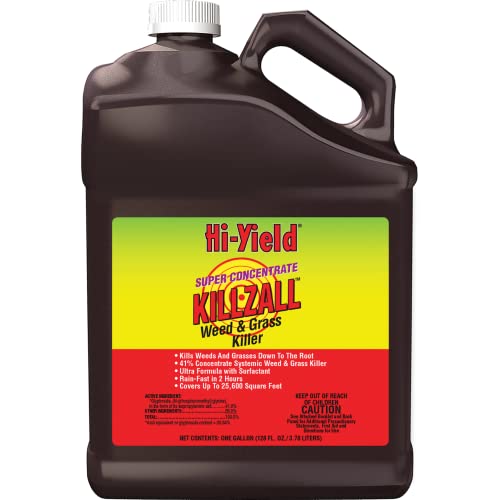
Hi-Yield Super Concentrate Killzall Weed & Grass Killer 1 gal

Fertilome Weed-Out Lawn Weed Killer RTS 32 oz
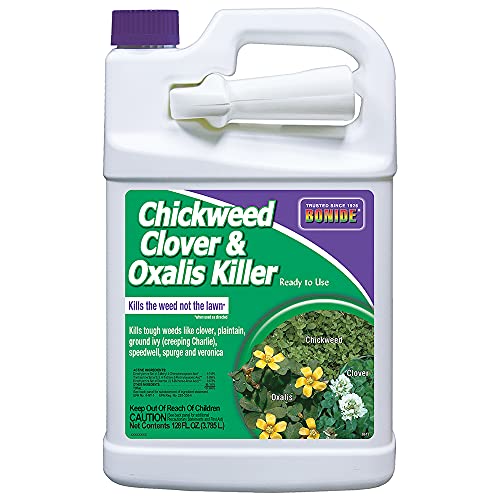
Bonide Chickweed, Clover & Oxalis Killer RTU 128 oz

Target 6 Plus MSMA Turf Herbicide 2.5 Gallon

Ortho WeedClear Lawn Weed Killer RTU with Comfort Wand 1 gal
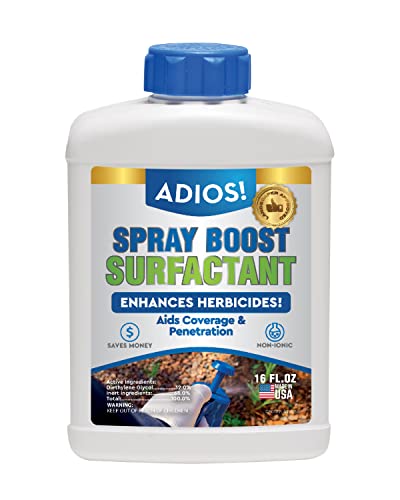
ADIOS! Non-Ionic Herbicide Surfactant 16 oz (50 gal)

Spectracide Large Plot Weed Stop for Lawns 1 Gal
More On The Choices That Made The List
Killzall is a non-selective herbicide, meaning it takes down any green plant it touches, including the chickweed and the lawn next to it. That makes it the right tool for hardscape work where grass has crept into patio cracks, gravel driveways, or fence lines. One gallon of concentrate treats roughly 25,600 square feet, which covers a long stretch of walkway or a sizeable bare-soil border without refilling mid-project.
A double-surfactant formula helps the spray spread and cling to leaf surfaces, so coverage looks more even on hairy chickweed leaves. Gardeners with a backpack sprayer will find this bottle goes a long way per fill, though you do need a dedicated sprayer since residue lingers. For a lawn-friendly chickweed fix instead, the Fertilome Weed-Out covered below is a smarter match.
Where It Delivers
- Concentrate economy: one gallon mixes to cover very large bare-soil or hardscape zones, lowering the per-square-foot cost on bigger jobs.
- Non-selective power: useful against chickweed plus tough grassy intruders like Bermuda runners and broadleaf invaders in one pass.
- Double-surfactant wetting: helps the active ingredient coat fuzzy or waxy chickweed leaves that resist plain water-based sprays.
Things To Consider
- Will kill desirable grass, so a shielded sprayer or careful spot-painting matters near lawn edges.
- Requires mixing and a clean sprayer, which adds setup time versus the ready-to-use picks on this list.
Built With In Mind
Homeowners clearing chickweed out of gravel paths, patio seams, and fence rows where you want everything brown by the weekend.
Skip It When
You’re trying to save your lawn grass, since Fertilome Weed-Out Lawn Weed Killer is labeled for use on turf and won’t wipe out the lawn around the chickweed.
This is a selective post-emergent herbicide, a formula that targets broadleaf weeds like chickweed while leaving established turfgrass unharmed when used as directed. The label lists Bahia, Bermuda, Zoysia, Kentucky Bluegrass, and Fescue among the compatible grasses, which covers a wide share of home lawns in both northern and southern climates. At 32 ounces of ready-to-spray liquid, one bottle covers up to 8,000 square feet.
Chickweed is one of more than 200 broadleaf species the formula targets, so dandelions, clover, and plantain usually clear up in the same pass. The trade-off is that timing matters: small, actively growing weeds in spring or fall take up the herbicide better than mature, straggly plants. Compared with Killzall above, this one lets you keep your lawn and still win the chickweed fight.
Everyday Advantages
- Lawn-safe on common turf types: no need to reseed or resod the patches where chickweed was growing.
- Multi-weed coverage: handles chickweed alongside dandelions and clover in a single spring application.
- Ready-to-spray bottle: hook it to a garden hose and walk the lawn without pre-mixing.
Honest Caveats
- Won’t help on bare ground or hardscape, where the Hi-Yield Killzall is the better match.
- Coverage tops out around 8,000 square feet, so very large lawns may need a concentrate like the Spectracide covered later.
The Right Fit
Homeowners with a typical cool-season or warm-season turf who want a single bottle that handles chickweed along with the rest of the spring broadleaf crew.
Look Elsewhere When
You’re spraying anywhere grass shouldn’t survive, like driveway cracks, since the Ortho WeedClear RTU is built for lawn-safe spot work while the Hi-Yield Killzall handles kill-everything zones.
Bonide’s formula is built for residential turf and explicitly lists chickweed, clover, dandelions, ground ivy, oxalis, and wild violet on the target list, plus a hundred-odd extras. The systemic action, meaning the plant absorbs the herbicide and carries it down to the roots, helps prevent regrowth from the same plant. It’s formulated for use on home lawns, so the grass around the weed stays put.
The 128-ounce ready-to-use bottle skips the measuring cup entirely. Just point, squeeze, and walk on, which is a real plus if you’ve never sprayed herbicides before. Results begin overnight and the formula is rainproof within hours, so an unexpected shower doesn’t wash the active ingredient off the leaves before it works. It’s a nice stepping-stone between Fertilome’s hose-end bottle and a heavier concentrate.
Notable Gains
- No mixing required: take the bottle out, hook up the trigger, and start spraying, which keeps beginners out of the measuring-pour zone.
- Root-killing systemic action: chickweed that just got pulled last year tends not to come back from the same taproot.
- Fast overnight results and rainfastness within hours, helpful if spring storms are rolling through.
Points To Note
- A gallon of ready-to-use weighs more than a concentrate, so carrying it around a large lawn gets tiring fast.
- Storage in a garage or shed through the off-season should keep the bottle from freezing, since freezing can change how ready-to-use formulas spray.
Best Suited To
First-time sprayers tackling small lawns with patchy chickweed outbreaks who would rather point and shoot than measure and mix.
Consider Something Else When
You need to cover more than a modest lawn affordably, in which case the Spectracide Large Plot concentrate stretches further per ounce than this ready-to-use jug.
Target 6 Plus is built around MSMA, the shorthand for monosodium acid methanearsonate, an active ingredient long used on golf courses, sod farms, and highway rights-of-way for selective post-emergent grass and broadleaf control. The 48.2 percent concentration sits in a different weight class than the consumer bottles above. Mix rates typically run around 2 ounces per gallon of water for general use, so a 2.5-gallon jug lasts across many spray sessions.
It’s labeled to handle crabgrass, dallisgrass, johnsongrass, nutsedge, pigweed, and chickweed in one spray program, which is why turf managers reach for it. The catch is that MSMA carries real handling weight: PPE, label reading, and keeping it off sensitive turf all matter. For homeowners with a back acre of weeds, the Ortho WeedClear or Spectracide entries make more sense than wrestling with this jug.
A Favorable Mix
- Selective grass-and-broadleaf control: one product covers chickweed alongside crabgrass, dallisgrass, and sedges that most consumer sprays leave behind.
- Concentrated jug for repeat use: a 2.5-gallon container stretches across multiple tank fills at the standard mix rate.
- Turf-proven track record on golf and sod applications, lending authority beyond ordinary residential brands.
Trade-Offs To Consider
- Restricted-use handling: MSMA demands careful label reading, protective gear, and respect for buffer rules near desirable plants.
- Overkill for typical home lawns, where the ready-to-use picks on this list deliver what most people need without the learning curve.
Key Product Details
Whose Shelf It Belongs On
Sod-farm operators, golf-course crews, and serious turf managers who already know how to handle selective herbicides safely.
Not Your Match When
You’re a homeowner with a half-acre lawn, since Bonide Chickweed, Clover & Oxalis Killer RTU handles a typical backyard chickweed problem without MSMA’s handling demands.
Ortho WeedClear is a ready-to-use lawn weed killer that ships with its own comfort wand, a battery-assisted trigger that delivers a steady stream without hand-pumping a pump sprayer. The label names dollarweed, dandelion, chickweed, clover, spurge, knotweed, oxalis, henbit, and a long list of other broadleaf weeds. Results show in hours rather than days, which is helpful when the HOA sends a friendly reminder about the lawn.
The gallon bottle is geared toward southern lawns in particular, which often host dollarweed and chickweed at the same time. The wand gives precise droplet control, so it’s easier to wet a single chickweed mat without drenching the St. Augustine or Bermuda around it. Compared with the Bonide RTU, this wand reduces hand fatigue across larger yards.
A Few Highlights
- Comfort wand reduces trigger fatigue: a helpful touch for anyone spraying more than a small patch.
- Hour-scale visible results mean chickweed curling and yellowing show up the same day you spray.
- Targets a long broadleaf list, so chickweed, clover, and dollarweed typically clear up in one round.
Some Limits To Know
- Formulated primarily with southern turf in mind, so homeowners with northern grasses should verify compatibility for their specific turf type.
- The battery in the comfort wand will need replacement over the life of the bottle, which is one more thing to maintain.
Made For
Southern-lawn owners who want a comfortable, hose-free spray session and the speed of same-day visible results.
Reach For A Different Pick When
You want a concentrate that stretches across a larger lawn, since Spectracide Large Plot covers a much bigger footprint from a single bottle.
A surfactant, in plain terms, is a wetting agent that helps spray droplets spread across and stick to leaf surfaces instead of beading up and rolling off. ADIOS! is a non-ionic surfactant, meaning it carries no electrical charge that could react with the herbicide active ingredient. The 16-ounce bottle is sized to enhance up to 50 gallons of mixed spray, so a small bottle stretches a long way across the season.
Chickweed leaves are slightly hairy and waxy, which makes them a tougher target than smooth grass blades. Adding a surfactant to whatever chickweed herbicide you’re already using improves coverage and reduces the chance of missing the underside of the mat. It also works with fungicides and pesticides, so the bottle earns its keep across multiple garden chores through the year.
Positive Points
- Multi-product compatibility: tank-mix it with chickweed herbicides, fungicides, and pesticides alike.
- One bottle spans 50 gallons of mixed spray, so a single purchase supports an entire season of applications.
- Improves leaf coverage on hairy or waxy weeds, which is exactly the surface type chickweed presents.
Worth Bearing In Mind
- It’s an additive, not a herbicide on its own, so it has to be paired with one of the other picks above to actually kill chickweed.
- Mix ratios vary by product, so reading the herbicide label matters before pouring surfactant in.
Who It Suits Best
Anyone already spraying a chickweed herbicide who wants better leaf coverage, fewer re-treatments, and more value from each tank fill.
A Better Fit Elsewhere
Shoppers who haven’t picked a base herbicide yet should start with Fertilome Weed-Out or Bonide Chickweed, Clover & Oxalis Killer before adding a surfactant to the routine.
Spectracide’s concentrate covers up to 32,000 square feet on northern grasses or 42,500 square feet on southern grasses, which puts it in the large-lot category. The label lists dandelion, chickweed, clover, and more than 200 broadleaf weeds as targets. Results typically show overnight, and the active ingredient travels down to the roots so the same plant doesn’t return next month.
It’s a concentrate, so you’ll need a pump or backpack sprayer to apply it. The bottle still costs less per square foot than a ready-to-use jug once you cross a certain lawn size. For a smaller patch, the Bonide or Ortho RTUs covered above are friendlier. If your yard stretches past a quarter acre, though, this concentrate earns its place on the shelf.
Features That Help
- Coverage scale: one bottle spans 32,000 to 42,500 square feet depending on grass type, useful for half-acre-plus lawns.
- Root-kill action through the systemic formula, which reduces repeat visits to the same patch.
- Broad-spectrum target list covers chickweed alongside dandelion and clover in one pass.
Trade Offs
- Requires a sprayer and basic mixing, which is more setup than a hose-end or ready-to-use bottle.
- For very small lawns, the leftover concentrate can sit in storage across multiple seasons, which means sealing the jug well.
Quick Technical Notes
Perfect Match For
Homeowners with quarter-acre-or-bigger lawns who don’t mind a quick mix-and-spray routine in exchange for lower per-square-foot cost.
Where Another Pick Suits Better
Tiny city lawns where coverage scale doesn’t matter, since Fertilome SeedOut RTS or Bonide Chickweed, Clover & Oxalis Killer handles a small yard with less setup.
Matching A Herbicide To Your Lawn And Your Chickweed
Start with grass type. Cool-season turfs like Kentucky Bluegrass and Fescue play nicely with most broadleaf selective herbicides, while warm-season grasses like Bermuda and St. Augustine narrow the safe list. A label that lists your specific grass is worth more than one that just says “lawn safe.”
Then look at the infestation. Spotty patches in a backyard point to a ready-to-use bottle like Bonide or Ortho, while a full-lawn carpet of chickweed calls for a concentrate such as Fertilome Weed-Out or Spectracide Large Plot. Hardscape-only outbreaks, where chickweed has crept into patio cracks and gravel, belong to a non-selective herbicide like Hi-Yield Killzall.
Finally, weigh timing. Chickweed is easiest to kill when small and actively growing in cool weather, so spring and fall sprays hit harder than summer treatments on mature plants. A surfactant like ADIOS! helps whatever you spray coat the waxy leaves more evenly, which matters most on mature plants that have had time to build tougher foliage.
What The Adjacent Field Looks Like
Mistakes Worth Dodging
The most common misstep in this category is grabbing a non-selective herbicide when you meant to spray a lawn, then watching the grass yellow alongside the chickweed. The fix is reading the label’s grass-tolerance list before opening the bottle, and keeping a dedicated sprayer for non-selective work to avoid residue carryover. Another trap is spraying on a windy day and watching herbicide drift onto flower beds, which is why a calm morning and a coarse droplet setting both matter.
Where The Extra Money Goes
Higher-tier concentrates like Spectracide Large Plot and the MSMA-based Target 6 Plus cost more up front because they cover more square footage and, in the turf manager’s case, handle weed species that consumer bottles leave behind. You pay for concentration, larger jugs, and active ingredients with stricter handling profiles. The upgrade makes sense when you’re covering a big lawn or chasing weeds the cheaper bottles can’t touch, but a small backyard doesn’t need that horsepower to clear chickweed.
Frequently Asked Questions
When is the best time to spray chickweed?
Spring and fall, when chickweed is small and growing fast, give the herbicide the best uptake window.
Can I spray chickweed without killing my grass?
Yes, selective broadleaf herbicides like Fertilome Weed-Out, Bonide Chickweed, Clover & Oxalis Killer, and Ortho WeedClear target broadleaf weeds while leaving labeled turfgrasses alone.
Do I need a surfactant with chickweed herbicide?
A non-ionic surfactant like ADIOS! helps spray droplets coat the slightly hairy chickweed leaves, which improves coverage and reduces the chance of a re-spray.
How long does it take for chickweed to die after spraying?
Visible wilting and yellowing usually show within hours to a couple of days, with root-kill taking a little longer depending on the product and conditions.
Should I mow before or after spraying chickweed?
Mow a day or two before spraying so the weed leaves have plenty of surface area to absorb the spray, then wait several days after spraying before mowing again.
The Takeaway
Pick the herbicide that matches your grass type and the size of the chickweed problem, then time the spray for cool, calm weather when the weeds are actively growing. Spotty outbreaks in a small lawn rarely need anything fancier than a ready-to-use jug, while larger yards and turf-scale jobs earn their keep with concentrates. A little label-reading up front saves both your grass and your weekend.
