

Grass invaders are relentless, whether they show up as crabgrass choking a lawn or unwanted grasses sneaking into vegetable beds and food plots. The right herbicide hinges on what you’re trying to kill and what you’re trying to keep, since selective and non-selective formulas behave very differently. Pick the wrong one and you can damage ornamentals, burn a beloved food plot, or simply waste money on a formula that misses your target species.
This roundup covers eight solid options for distinct scenarios: broad-acre clearing, selective grass control around ornamentals, lawn-safe crabgrass killing, deer food plot maintenance, and shoreline management. Each pick below lists its strengths, honest trade-offs, and the reader profile it suits, so you can match the formula to the job without guesswork.
The Lineup, Simplified
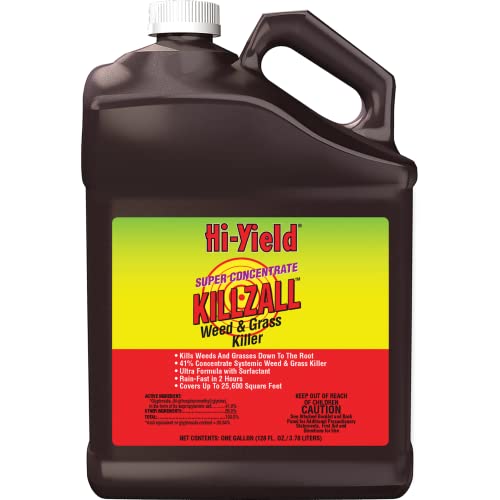
Hi-Yield (33693) Super Concentrate Killzall Weed & Grass Killer

Hi-Yield (31134) Grass Killer Postemergence Herbicide, 8 oz

Spectracide Weed Stop For Lawns Plus Crabgrass Killer 32 oz
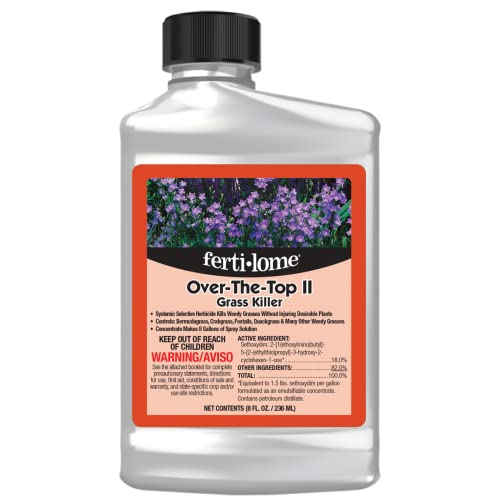
Fertilome 8 Oz Over The Top Grass Killer
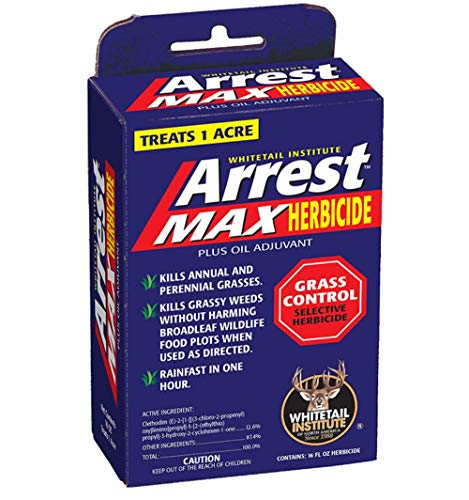
Whitetail Institute Arrest Max Selective Grass Control 8 oz

Airmax Shoreline Defense Emergent Weed Control, 1 Quart
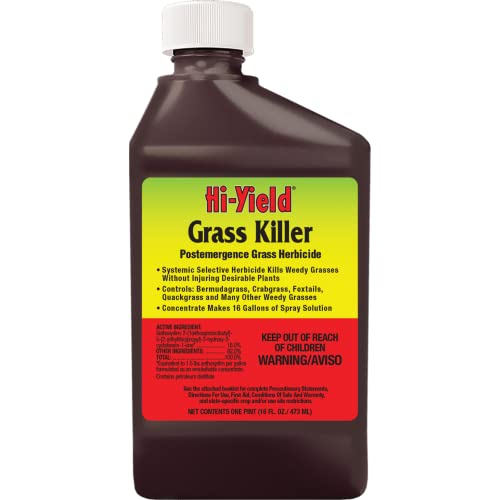
Hi Yield 16 Oz Grass Killer
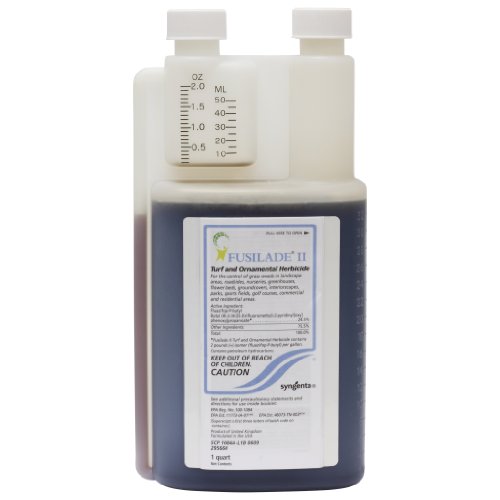
Fusilade Selective Herbicide II 73215
What Each Pick Brings To The Table
When you need to clear a large patch of mixed growth and don’t care what comes back in its place, this gallon jug from Hi-Yield is built for acreage. It targets grasses, broadleaf weeds, and woody brush species, which makes it a common choice for fence rows, gravel driveways, and neglected corners of a property.
Unlike the selective formulas later in this list, Killzall is non-selective, so anything it touches is at risk. That makes it a poor match for anyone hoping to preserve a lawn, but a strong match for total clearing jobs where bare ground is the goal.
Standout Benefits
- Large coverage from a single one-gallon container, which reduces mixing trips across big lots.
- A double-surfactant formulation (surfactants help the liquid spread and stick to leaves) so it dries on plant surfaces quickly.
- Broad-spectrum activity that handles grasses, broadleaf weeds, and woody brush in one pass.
- Concentrate format keeps shelf weight lower than ready-to-use sprays for the same coverage.
Things To Consider
- It will damage or kill any desirable plant it contacts, including lawn grasses, so spray discipline matters.
- Mixing ratios vary by target species, and misreading the label is the most commonly reported cause of poor results.
- Storage of a full gallon jug takes some shed space and benefits from a cool, dry spot.
Key Product Details
Made For
Homeowners with acreage, gravel drives, or fence lines who need total vegetation control and accept that nothing green survives the application.
Consider Something Else When
Your goal is grass control around ornamentals, in which case the Hi-Yield 31134 selective 8 oz formula offers a much safer fit.
Where the Killzall jug is built for open-ground clearing, this little 8 oz bottle does the opposite. It’s a selective post-emergent (meaning it works on weeds that have already sprouted, not pre-emergent prevention) designed to kill unwanted grass while leaving flowers, shrubs, and vegetables alone.
For a backyard veggie plot where crabgrass has crept in along the rows, this is the kind of measured control that protects your harvest. Small bottle, deliberate application, no collateral damage.
What It Does Well
- Targets grass growth without harming listed ornamentals, vegetables, trees, or shrubs.
- Small 8 oz bottle is easy to store on a shelf and measure precisely for spot jobs.
- Concentrate format makes up to 8 gallons of spray solution for repeated treatments.
- Post-emergent action handles weeds that have already sprouted rather than requiring early-season prevention.
Worth Noting
- Application rate varies by area and method, so reading the label closely is part of the job.
- Small bottle means larger plots may require multiple purchases for full coverage.
- Effectiveness depends on timing, and grass that is already mature can take longer to show results.
Right Fit For
Garden keepers with modest beds who want grass weeds gone without sacrificing nearby tomatoes, peppers, or flowering plants.
A Better Fit Elsewhere
If your plot is a managed clover or alfalfa food plot rather than vegetables, the Whitetail Institute Arrest Max formula is tuned specifically for that scenario.
Most of the herbicides in this list exist to kill grass. Spectracide Weed Stop is the inverse: it kills broadleaf weeds and crabgrass while keeping your established lawn grass alive. It’s a concentrate designed to spread across home-lawn-size areas.
For someone whose problem is crabgrass creeping into a fescue or bluegrass yard, this is a far more appropriate tool than the broad-spectrum picks above. The trade-off is that it does nothing to suppress grass species themselves.
Bright Spots
- Formulated for use on home lawns without killing the desired turf grasses.
- Targets crabgrass alongside common broadleaf weeds in a single product.
- 32 oz concentrate bottles mix into a workable spray volume for typical yard sizes.
Small Caveats
- It will not address grass-type weeds like Bermuda invading a fescue lawn, since it spares turf grasses.
- Spot coverage and broadcast rates vary, so application calibration takes a careful read.
- Timing matters, and crabgrass that has already gone to seed tends to be harder to suppress.
Quick Facts
Best Suited To
Homeowners focused on reclaiming a lawn overrun by crabgrass and broadleaf weeds without re-sodding.
Look Elsewhere When
You actually want to kill grass, not protect it, since the Hi-Yield Killzall jug is the opposite solution for that job.
The Fertilome Over The Top formula targets both annual and perennial grass weeds, which gives it more reach than formulas aimed only at young sprouts. It’s intended for use around vegetables, gardens, trees, shrubs, and ornamentals, so it earns a place next to the Hi-Yield 31134.
For tight spaces where you need grass control and you cannot risk herbicide drift onto a prized plant, the concentrated format and selective chemistry make this a sensible pick.
Where It Helps
- Covers both annual and perennial grass weeds, broadening which species respond.
- Selective enough for use around listed vegetables, gardens, trees, and ornamentals.
- 8 oz bottle concentrates into up to 8 gallons of finished spray.
- Suits spot applications where a small bottle is more practical than a gallon jug.
Honest Caveats
- Application rate depends on the area and the target species, so plan to read the label carefully.
- Not every ornamental is on the safe list, and overlooking that detail is the most common mistake.
- It is still an herbicide, so protective gear during mixing and spraying is a sensible habit.
Who Should Grab It
Garden growers with mixed plantings who need grass control without harming the flowers and food crops nearby.
Reach For A Different Pick When
You are managing a deer food plot of clover or alfalfa, where the Whitetail Institute Arrest Max formula is a tighter fit.
Arrest Max sits in a different niche from every other pick on this list. It is a selective grass herbicide developed specifically for deer food plots, where the goal is to keep clover, alfalfa, chicory, and other perennials healthy while removing competing grasses.
For a hobbyist land manager trying to keep a half-acre plot productive, that specificity is the entire point. A general-purpose grass killer risks wiping out the legumes you planted for deer.
The Case For It
- Formulated for food plot perennials, sparing clover, alfalfa, and chicory that you actually planted.
- Controls most common grass weeds that crowd out young plot forbs.
- Small 8 oz bottle keeps cost low for hobby-sized plots.
- Pairs with crop oil additives for stronger performance where label directions allow.
Trade-Offs To Consider
- Highly specific use case, so it has limited value outside a deer food plot scenario.
- Mixing with an additive is sometimes recommended, which adds a step and an extra product.
- Results depend on grass stage, so timing the application is part of the plan.
Whose Shelf It Belongs On
Deer hunters and food plot managers who want to keep perennial legumes thriving through grass competition.
Skip It When
You are clearing a vegetable bed or a fence line, since the Hi-Yield Killzall gallon is more appropriate for those scenarios.
Most grass-killing products assume dry land. Airmax Shoreline Defense assumes the opposite, with a broad-spectrum aquatic herbicide label for emergent weeds growing up out of shallow water. It targets cattails, phragmites, grasses, weeds, and brush along pond edges.
For lakefront property owners or pond managers dealing with shoreline takeover, this is a different tool from anything else on this list. The use case is narrow, but the people who need it really need it.
What Makes Sense
- Labeled for use in fresh and brackish water, opening up pond and shoreline projects.
- Targets emergent weeds at the root for longer-lasting shoreline clearing.
- Handles cattails, phragmites, brush, and grass weeds in one product.
Points To Note
- Aquatic use requires familiarity with local regulations and any water-use restrictions downstream.
- Application timing relative to water level and weed stage affects outcomes.
- Not appropriate for ordinary lawn or garden scenarios, so this is a specialized pick.
At A Glance
Perfect Match For
Pond owners and lakefront property managers who want to reclaim docks, beaches, and shorelines from emergent weeds.
Swap It Out When
Your project is a backyard lawn or food plot, where the Spectracide or Whitetail Institute picks suit the scenario far better.
This 16 oz bottle sits between the smaller 8 oz concentrates and the heavy one-gallon options, giving mid-size projects a workable volume without the storage footprint of a jug. It is a selective post-emergent for grassy weeds around vegetables, gardens, trees, shrubs, and ornamentals.
For someone who has graduated from a single flower bed to several landscape beds at once, this format reduces the number of refill trips.
Why It Works Well
- Mid-size 16 oz concentrate suits several landscape beds without committing to a gallon.
- Makes up to 16 gallons of spray solution for repeated or larger treatments.
- Selective formulation protects listed ornamentals, shrubs, and vegetables nearby.
- Post-emergent action tackles grass weeds after they sprout rather than requiring pre-season planning.
Practical Considerations
- Application rate still depends on area and method, so a careful label read is part of the work.
- Storage is straightforward but it should stay sealed and out of reach of children and pets.
- Larger properties will outgrow this bottle quickly and may need the gallon-sized alternative.
Built With In Mind
Homeowners managing multiple landscape beds with mixed ornamentals who want more spray volume than a small bottle without buying a full gallon.
Where A Sibling Pick Shines
For very small spot jobs, the Hi-Yield 8 oz version reduces waste and cost per use.
Fusilade II closes the list as a higher-tier selective herbicide for perennial and annual grass weeds in turf and landscaped areas. Landscapers and turf managers tend to reach for it because it can be applied as a spot treatment or as an over-the-top spray on ornamentals without causing damage.
For home users with small flower beds, this may be more horsepower than necessary, but for professional maintenance accounts it offers the precision and rainfastness (resistance to being washed off by rain) that justify the premium positioning.
Practical Pluses
- Targets both annual and perennial grass weeds across turf and landscape settings.
- Spot treatment and over-the-top application modes add flexibility for different job shapes.
- Designed to leave ornamental plants unharmed when applied per the label.
- Often favored by professional landscapers for managed-account reliability.
Less Ideal Details
- Premium positioning may be overkill for casual home garden use.
- Performance depends on grass species and growth stage, so expectations should stay realistic.
- Requires disciplined mixing and application discipline for the rainfastness window to matter.
Who Will Love This
Professional landscapers, turf managers, and serious home growers who want selective grass control over ornamentals and are willing to pay for the premium tier.
Not Your Match When
You simply need an 8 oz selective formula for a backyard vegetable bed, where the Hi-Yield 31134 is a more measured choice.
Picking The Right Herbicide For Your Situation
Selective Versus Non-Selective Chemistry
Selective herbicides target specific plant types, typically grasses, while leaving broadleaf plants (or vice versa) untouched. Non-selective herbicides kill almost any vegetation they contact. Pick selective when you want to protect a lawn, ornamentals, or food plot legumes. Pick non-selective when your goal is bare ground along a fence row or driveway.
Match The Formula To The Target Species
Different grass species respond to different active ingredients. Annual grasses like crabgrass, perennial grasses like Bermuda, and aquatic species like phragmites each call for different chemistries. Reading the label’s target species list before you buy saves money and avoids repeat trips.
Timing And Growth Stage
Most of the products on this list are post-emergents, meaning they work on grass that has already sprouted. Younger, actively growing weeds tend to respond faster. Treating mature or dormant grass often means slower visible results and sometimes a second application.
Container Size And Coverage
Smaller 8 oz concentrates suit spot jobs and a few beds. Mid-size 16 oz bottles cover multiple landscape areas. One-gallon jugs make sense for acreage clearing. Buying the smallest effective size reduces waste from leftover mixed solution that cannot be stored indefinitely.
Mistakes Worth Dodging And Where The Upgrade Pays Off
Wrong Turns To Avoid
Treating a lawn with a non-selective product is the most expensive mistake, since you end up reseeding or resodding what you just killed. Applying selective grass herbicides on windy days is another common slip, since drift onto ornamentals shows up as scorched leaves a day later. Skipping the label’s compatibility list for nearby plants is the third trap, because not every desirable species is on the safe list.
Where The Extra Money Goes
Premium selective herbicides like Fusilade II earn their cost through broader grass species coverage, rainfastness, and ornamental safety margins. For a small home garden the basic 8 oz concentrates do the job. For a landscaper managing dozens of accounts, that extra reliability per application adds up across a season and reduces callbacks.
Frequently Asked Questions
What Is The Difference Between Selective And Non-Selective Herbicides?
Selective herbicides target specific plant types like grasses while leaving other plants unharmed, and non-selective herbicides kill almost any vegetation they contact. The choice depends on whether you want to protect surrounding plants.
Can I Use These Herbicides On My Lawn?
Only selective formulas designed for lawn use, such as the Spectracide Weed Stop pick in this list, are safe on established turf. Non-selective options will damage or kill desirable lawn grasses.
How Long Does It Take To See Results?
Most post-emergent grass herbicides show visible effects within a few days to two weeks, depending on the species, growth stage, and weather. Cooler temperatures and mature weeds slow the visible response.
Are These Products Safe Around Vegetables And Ornamentals?
Selective formulas labeled for use around vegetables and ornamentals, including the Hi-Yield 31134 and Fertilome picks, are designed for that scenario. Always confirm the specific plant list on the label before spraying.
Do I Need To Add A Surfactant Or Crop Oil?
Some selective herbicides recommend adding a surfactant or crop oil to improve leaf coverage and absorption. Check the label of the specific product you choose before mixing in anything extra.
The Takeaway
The right herbicide for grass depends entirely on what you want to keep. A non-selective gallon makes sense for clearing acreage, a small selective concentrate fits a backyard vegetable bed, and a food plot formula is purpose-built for clover and alfalfa plots. Match the product to the scenario, read the label for the target species and the safe plant list, and the rest of the job is mostly timing and patience.
