

Grassy weeds have a stubborn way of turning a tidy lawn into a patchwork of unwanted clumps. The right herbicide depends on where the problem shows up, whether you want to keep your turf intact, and how much coverage the job actually demands. This list walks through eight options built for very different scenarios, from dock-side aquatics to deer food plots and broad-acre brush control.
A Side-By-Side Look
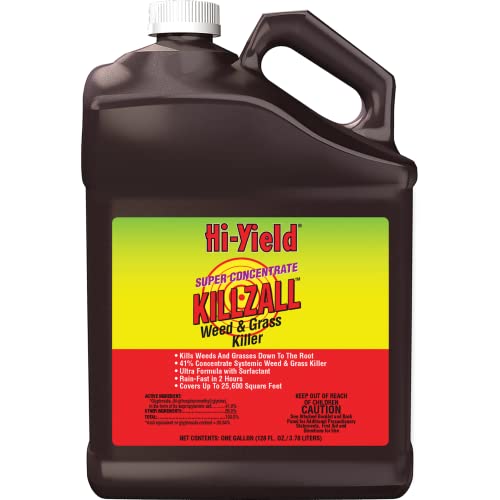
Hi-Yield Super Concentrate Killzall Weed & Grass Killer, 1 gal

Roundup Dual Action 365 Weed & Grass Killer + 12 Month Preventer, 1.33 gal

Spectracide Weed Stop For Lawns Plus Crabgrass Killer Concentrate, 32 oz
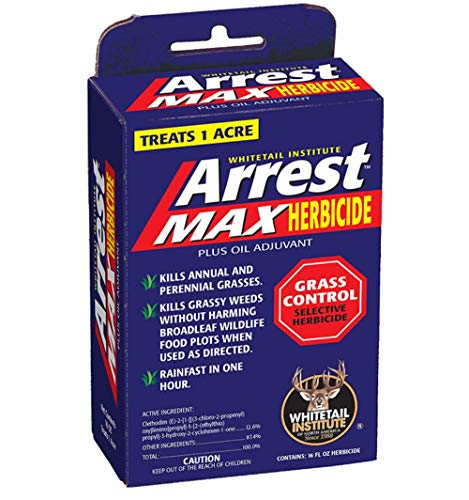
Whitetail Institute Arrest Max Selective Grass Control, 8 oz

Airmax Shoreline Defense Emergent Weed Control Herbicide, 1 Quart

Roundup for Lawns Crabgrass Destroyer2, 64 fl. oz.

Agrisel GrassOut Max Weed Killer, Pet Safe, 16 Ounces

Agrisel GrassOut Max Weed Killer, Pet Safe, 32 Ounces
A Deeper Look At The Lineup
This one-gallon jug from Hi-Yield is built for big, open jobs where you want every bit of green gone. The label targets grasses, broadleaf intruders, and woody brush alike, which makes it the kind of bottle a landowner reaches for along fence rows, gravel driveways, and the edges of outbuildings. Coverage lands around 25,600 square feet per gallon when mixed down, so a single jug clears a serious stretch before you need a refill.
The double-surfactant blend helps the spray cling and absorb fast, and you may notice browning kick in within days on sunny days. The trade-off is that this is a total-kill formula, so spraying near a lawn you want to keep will damage the turf. Pair it with a dedicated fan nozzle or a pump sprayer for even coverage on rough terrain.
Positive Takeaways
- Triple-action formula tackles grasses, broadleaf weeds, and woody brush in one pass.
- Covers roughly 25,600 square feet per gallon, which fits large rural properties and acreage.
- Double-surfactant mix helps the spray stick to leaves and start working quickly.
- Concentrate format keeps shelf cost low per treated acre compared with ready-to-use jugs.
- Works in driveways, fence lines, and around sheds where no desirable plants exist.
Things To Consider
- Not safe for lawns; overspray or drift onto turf will kill the grass along with the weeds.
- Owners commonly report needing a surfactant additive in hard water for the strongest results.
- Storage in a detached shed is wise because the jug carries a strong chemical odor before mixing.
Key Specs
Who It Suits Best
Rural property owners clearing brush along fence rows, gravel driveways, and outbuilding perimeters where total vegetation control is the goal.
Consider Something Else When
Homeowners protecting established turf should look at Spectracide Weed Stop For Lawns Plus Crabgrass Killer Concentrate for a lawn-safe formula.
Roundup’s Dual Action 365 takes a different approach than the Killzall jug above by adding a 12-month preventer layer on top of the kill chemistry. The label lists tough targets like clover, dandelion, crabgrass, and poison ivy, so it doubles as a brush-and-grass killer for the messy border zones around a yard. The Pump ‘N Go 2 Sprayer on the bottle means you carry it out and start spraying without a separate pump.
Rainfast timing lands around 30 minutes in good conditions, which is helpful for anyone tired of watching a sudden shower wash a fresh application away. For folks with a recurring crabgrass cycle, the preventer half is where this pick earns its keep. The catch is that preventer chemistry can stain concrete, so be careful near pavers and stepping stones.
Useful Highlights
- Doubles as a kill-and-prevent product, cutting down on repeat seasonal spraying.
- Targets crabgrass, dandelion, clover, poison ivy, and brush in one formulation.
- Built-in Pump ‘N Go 2 Sprayer cuts out the need for a separate pump sprayer.
- Rainproof in roughly 30 minutes under typical daytime conditions.
- 1.33-gallon volume covers a sizeable driveway or patio border in a single fill.
Worth Noting
- Preventer chemistry may stain concrete, pavers, and other hardscape surfaces.
- Not labeled for use on lawns you want to keep, similar to other total-kill formulas.
Right Fit For
Homeowners who battle the same weeds every season and want a single application that both kills existing growth and blocks regrowth for the rest of the year.
Swap It Out When
Turf-focused yards should pick Roundup for Lawns Crabgrass Destroyer2, which is formulated to spare grass while clearing grassy weeds.
Spectracide’s Weed Stop formula flips the script on the two picks above by treating the lawn as something to preserve. The 32-ounce concentrate mixes with water and covers a respectable residential yard without wiping out the turf around the crabgrass. It also handles common broadleaf intruders, which makes it a workhorse for the patchy, mixed-weed problems most suburban lawns actually face.
Concentrate format keeps the per-application cost down, but you’ll need a tank sprayer to apply it properly. In our view, this is the everyday option for someone who wants a clean lawn without rebuilding it after each treatment. The trade-off is that you won’t get the brush or woody-plant control the heavy-duty jugs deliver.
Everyday Advantages
- Targets crabgrass while sparing the surrounding lawn grass when mixed per label.
- Concentrate bottle stretches across multiple applications for a typical yard.
- Handles broadleaf weeds alongside crabgrass in the same pass.
- Smaller 32-ounce bottle is easier to store than gallon concentrates.
Trade Offs
- Not designed for brush, vines, or total vegetation cleanup along fence lines.
- Requires a separate pump sprayer, adding a small upfront cost for new users.
Feature Snapshot
Best Suited To
Suburban homeowners dealing with a mixed lawn of crabgrass and broadleaf weeds who want to keep the surrounding turf intact.
Where Another Pick Suits Better
Anyone clearing brush along a fence line will find Hi-Yield Super Concentrate Killzall a stronger match for non-lawn zones.
Arrest Max sits in its own corner of the lineup because it’s a selective herbicide built specifically for deer food plots. The 8-ounce bottle treats most common grass weeds while leaving clover, alfalfa, and chicory untouched, which is the exact combination hunters and food plot managers need. Pairing it with a surfactant like Surefire Crop Oil Plus typically improves how well the spray coats waxy grass blades.
For most food plot owners, the narrow 8-ounce bottle handles an acre or so, depending on the weed pressure. The trade-off shows up if you’re hoping to use it on a home lawn, because it isn’t labeled for turf settings. Storage is straightforward: a cool, dry shed shelf keeps the concentrate viable across multiple seasons.
What Earns Its Place
- Targets grasses without harming clover, alfalfa, or chicory in the same plot.
- Selective formula reduces the risk of wiping out the perennial crop you planted.
- Small 8-ounce bottle is easy to ship, store, and carry into remote plots.
- Designed from the ground up for deer food plot maintenance cycles.
- Plays nicely with crop oil additives for improved leaf coverage.
Honest Caveats
- Limited to food plot use; not labeled for residential lawn applications.
- Performance climbs noticeably with a compatible surfactant added to the tank mix.
Quick Facts
Made For
Landowners managing perennial clover or alfalfa food plots who need to suppress grass weeds without sacrificing the forage crop underneath.
Skip It When
Suburban homeowners tackling a lawn should pick Spectracide Weed Stop For Lawns Plus Crabgrass Killer Concentrate for a turf-friendly approach.
Airmax Shoreline Defense tackles the grassy weeds nobody else on this list covers, namely the ones growing in and around ponds and lakes. The 1-quart bottle is labeled for both fresh and brackish water, which opens it up to coastal ponds as well as inland lakes. Targets include cattails, phragmites, and shoreline brush that crowd out usable waterfront.
Application calls for spraying at the water’s edge where emergent plants meet the surface, then letting the chemistry work down into the root zone. For most shoreline properties, one quart treats a meaningful stretch of waterfront. The catch is that this is a specialized aquatic product; using it anywhere outside its labeled environment isn’t appropriate.
Noteworthy Benefits
- Labeled for fresh and brackish water, covering most residential pond settings.
- Targets cattails, phragmites, brush, and shoreline grasses in one formulation.
- Quart-size bottle is manageable for spot-treating problem stretches of shoreline.
- Designed to kill roots, not just top growth, which slows regrowth.
Points To Keep In Mind
- Specialized aquatic label means it’s not interchangeable with lawn or landscape products.
- Owners commonly report needing repeat treatments on phragmites and other tough rhizome grasses.
Whose Shelf It Belongs On
Pond and lake owners looking to reclaim shoreline for swimming, fishing, or dock access where cattails and phragmites have taken over.
Reach For A Different Pick When
Land-based properties will get more value from Hi-Yield Super Concentrate Killzall, which targets brush and grass away from the waterline.
Roundup for Lawns Crabgrass Destroyer2 earns its spot because it goes after a wider roster of grassy intruders than the Spectracide option above. The label covers crabgrass, barnyardgrass, foxtail, goosegrass, johnsongrass, panicum, millet, and shattercane, so a single jug handles most of the seasonal grassy-weed headaches in warm- and cool-season lawns. The 64-ounce concentrate mixes into a typical pump sprayer without hassle.
One practical perk is that the label allows application before seeding, including the day of seeding for listed turf types, which opens the door to renovation timing that older crabgrass products restrict. You may find that flexibility useful if you’re planning a fall overseed. The trade-off is that the formula isn’t designed for brush, fences, or hardscape edges, where the heavier Killzall jug shines.
Standout Benefits
- Targets a long list of grassy weeds beyond crabgrass, including foxtail and goosegrass.
- Labeled for use before seeding, including on the day of seeding for listed turf types.
- Suitable for many common warm- and cool-season lawn grasses when mixed per label.
- 64-ounce concentrate bridges the gap between small 32-ounce and one-gallon formats.
Room For Improvement
- Not labeled for non-lawn zones like driveways, fence lines, or hardscape cracks.
- Mixing ratios are tighter than total-kill formulas, so careful measuring matters.
Perfect Match For
Homeowners renovating or overseeding a lawn who want to wipe out grassy weeds ahead of new seed without losing the seeding window.
Where A Sibling Pick Shines
Anyone clearing brush along fence lines should reach for Hi-Yield Super Concentrate Killzall, which is built for total vegetation control.
Agrisel’s 16-ounce GrassOut Max is a selective formula aimed at flower beds and shrub borders where grassy weeds elbow out desirable plants. The bottle singles out more than 50 grassy weed types while leaving broadleaf ornamentals alone, which makes it a smart pick for landscaped beds around homes with curious pets. The Tip and Pour bottle simplifies spot treatments without dragging out a pump sprayer.
Application rates run between 1.1 and 2.3 ounces per 1,000 square feet, so a 16-ounce bottle covers a modest yard’s worth of bed edges. The trade-off is that this product still kills grass, so a misdirected spray onto a lawn strip will leave a brown spot. For most pet households, the application discipline pays off in clean, weed-free beds.
Why It Works Well
- Targets more than 50 grassy weeds while sparing broadleaf flowers and shrubs.
- Tip and Pour bottle cuts down on mixing and pump-sprayer cleanup.
- Selective formula fits landscaped beds near paths, patios, and play areas.
- Low application rate of 1.1 to 2.3 oz per 1,000 sq ft stretches a small bottle.
Points To Note
- Still kills desirable lawn grass on contact, so accuracy matters during application.
- 16-ounce bottle is best for spot treatments rather than full-yard coverage.
Who Should Grab It
Pet households and landscaped-bed gardeners who want to clear grassy weeds from around flowers and shrubs without harming the ornamentals.
A Better Fit Elsewhere
Treating a full lawn of crabgrass is a better job for Roundup for Lawns Crabgrass Destroyer2, which is designed to spare turf grass.
The 32-ounce Agrisel GrassOut Max steps up the coverage of the 16-ounce version above while keeping the same selective, broadleaf-safe chemistry. For mid-size ornamental beds or properties with multiple garden borders, the larger bottle means fewer refill trips to the shed. It also handles more than 40 broadleaf weed types alongside the grassy weed list, which broadens its usefulness across a typical yard.
The Tip and Pour format carries over from the smaller bottle, so there’s no learning curve if you’ve handled the 16-ounce version before. You may find the bigger size more efficient when treating established beds with thicker weed pressure. The honest read is that anything beyond a large landscaped property will benefit more from the heavier Killzall jug, but for selective bed work, this 32-ounce jug is the right scale.
What Works In Its Favor
- Doubles the coverage of the 16-ounce version for larger bed projects.
- Selectively targets grassy weeds around flowers, shrubs, and ornamentals.
- Also handles more than 40 broadleaf weeds in the same pass.
- Tip and Pour bottle removes the need for a separate pump sprayer on small jobs.
- Same low application rate of 1.1 to 2.3 oz per 1,000 sq ft as the smaller bottle.
Smaller Limitations
- Still kills lawn grass on contact, so spray discipline near turf edges matters.
- Less economical per treated acre than total-kill concentrates for non-lawn zones.
Built With In Mind
Gardeners maintaining mid-size ornamental beds and shrub borders who need a longer-lasting supply of selective, flower-safe herbicide.
Not Your Match When
Brush and fence-line cleanup is a stronger fit for Hi-Yield Super Concentrate Killzall, which handles larger non-lawn areas at lower cost per acre.
Matching The Formula To Your Weed Problem
Choosing an herbicide comes down to three honest questions: where the weeds grow, whether you want to keep the surrounding plants alive, and how much area you’re treating. Selective formulas like the Agrisel GrassOut Max bottles and Whitetail Institute Arrest Max spare specific plants, so they’re the right call wherever desirable species share space with the weeds. Non-selective concentrates like Hi-Yield Killzall and the Roundup Dual Action 365 jug make sense in driveways, gravel paths, and fence rows where every bit of growth is unwanted.
Lawn-safe products like Spectracide Weed Stop and Roundup for Lawns Crabgrass Destroyer2 treat turf as the asset and the weeds as the problem, which is the framing most homeowners need. Specialty picks like Airmax Shoreline Defense fit entirely different environments and shouldn’t be considered for any land-based application. The label is always the final word: mix rates, plant restrictions, and environmental settings vary enough that guessing can damage a lawn, a food plot, or a shoreline.
Concentrate vs. ready-to-use is the other practical fork. Concentrates cost less per treated area and give you control over mixing strength, but they require a pump sprayer and accurate measurement. Ready-to-use formats cost more up front but eliminate the mixing step, which helps anyone tackling a one-time spot treatment rather than an annual routine.
Getting The Most From These Picks
Pitfalls Shoppers Hit
The most common mistake is reaching for a total-kill concentrate on a lawn you actually want to keep, since drift and runoff onto turf will leave lasting brown patches. Selective formulas look similar on the shelf, but their target lists and crop-tolerance profiles differ enough to read the label before spraying. Aquatic products also carry specific use-site language; using them outside their labeled environment isn’t appropriate for the surrounding plants or waterway.
Why Top Tier Costs More
Bigger jugs and dual-action formulas cost more because they bundle surfactant chemistry, preventer layers, or specialized aquatic labeling into a single container. For most homeowners, the upgrade pays off when the same bottle covers both killing existing weeds and stopping regrowth across a full year. The case for spending up is strongest on larger lots, shoreline properties, or food plots where the savings in repeat trips outweigh the higher upfront cost.
Frequently Asked Questions
What is the safest herbicide for grassy weeds in a lawn?
Selective formulas like Spectracide Weed Stop For Lawns and Roundup for Lawns Crabgrass Destroyer2 are designed to target grassy weeds while sparing common turf grasses when mixed per label. Always confirm the specific grass type on your lawn before applying, since not every lawn grass tolerates every herbicide.
How long does it take for grassy weed herbicides to work?
Most contact-based concentrates show visible browning within a few days in warm, sunny weather, while full kill and root-down effects can take a couple of weeks. Preventer layers, like the one in Roundup Dual Action 365, work by blocking new growth rather than burning existing weeds.
Can I spray herbicides near ponds or waterways?
Only products specifically labeled for aquatic use, such as Airmax Shoreline Defense, should be applied in or near ponds and lakes. Most lawn and brush herbicides are not labeled for water use and can harm fish, amphibians, and downstream vegetation.
Do I need a surfactant with liquid concentrate herbicides?
Many concentrates already include surfactants, but tougher weeds and waxy grasses often respond better when a compatible crop oil or surfactant is added to the tank mix. Check the product label for compatible additives before measuring anything in.
When is the best time of year to treat grassy weeds?
Young, actively growing weeds respond best, so spring and early fall are the typical windows for cool-season lawns. Warm-season weeds often peak in late spring through summer, depending on your region and the specific weed species you’re fighting.
Closing Remarks
The right herbicide is the one matched to your setting, your tolerance for collateral damage to nearby plants, and the scale of the job in front of you. Walk the yard, identify whether the weeds sit in the lawn, the beds, or the border zones, and let that answer drive the bottle you reach for.
