
A stubborn tree sending up shoots along the fence line, a cluster of saplings crowding a pasture corner, or an old stump that keeps throwing suckers: at some point the shovel isn’t enough. The right herbicide turns a long, frustrating season of regrowth into a single treatment, and picking the wrong one wastes money and risks collateral damage to grass or nearby ornamentals. This roundup compares eight widely available concentrates built for woody brush, stumps, and tree kill, so you can match the chemistry to your exact situation.
A Quick View Of The Lineup
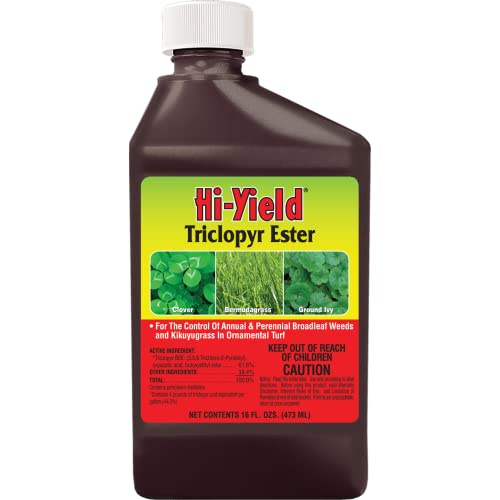
Hi-Yield 35262 Triclopyr Ester, 16 oz
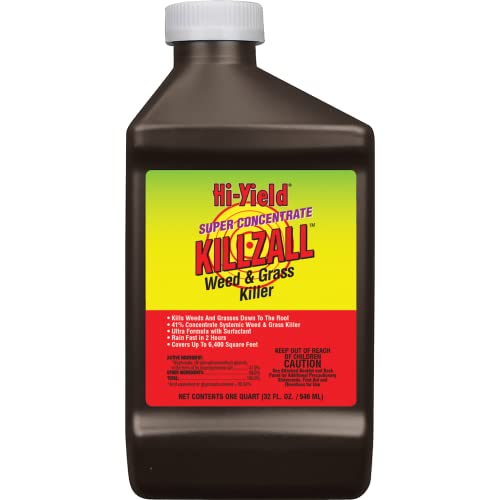
Hi-Yield 33692 Killzall Weed & Grass Killer, 32 oz
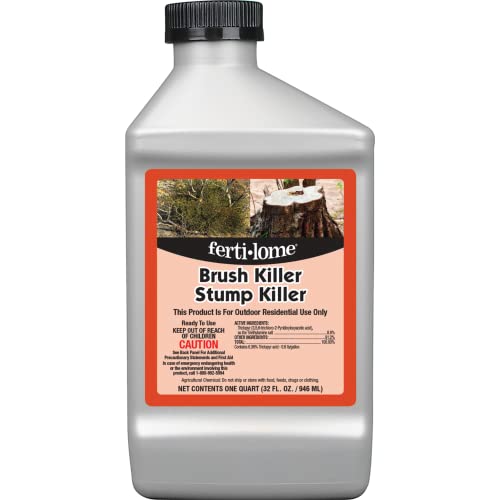
Fertilome 11485 Brush & Stump Killer, 32 oz

Southern AG 01113 Brush Weed Killer, 1 Quart

Roundup Poison Ivy Plus Tough Brush Killer2, 32 oz
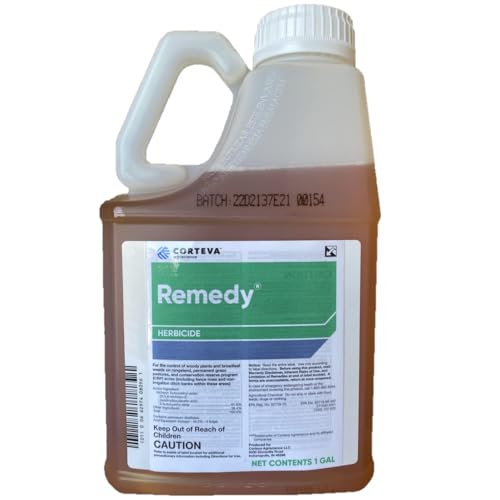
Remedy Ultra Specialty Herbicide, 1 Gallon
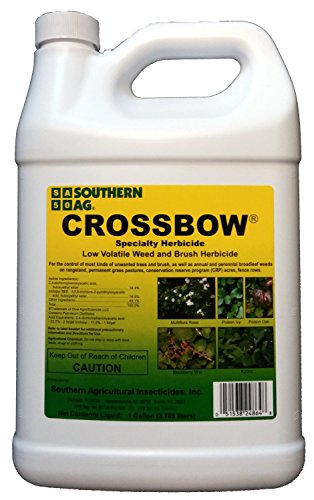
Southern Ag Crossbow Specialty Herbicide, 1 Gallon
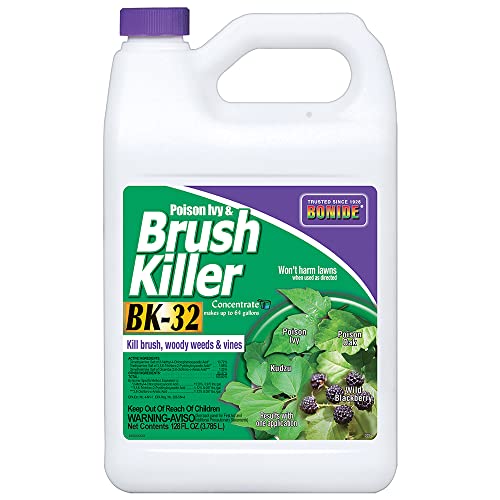
Bonide 332 Poison Ivy & Brush Killer BK-32, 1 Gallon
A Deeper Look At The Lineup
A small 16 oz bottle of triclopyr ester concentrate, the Hi-Yield 35262 fits the kind of spot treatment most homeowners actually face: a few saplings along a back fence, or a stubborn broadleaf patch in a cool-season lawn. Triclopyr is the workhorse active ingredient behind many brush killers, and the ester formulation is oil-soluble, so it penetrates waxy leaf surfaces more readily than water-based salt versions on woody plants.
You can use it on perennial bluegrass, perennial ryegrass, and tall fescue ornamental turf to suppress broadleaf weeds and selectively slow bluegrass spread, which makes it a flexible lawn-side tool rather than a one-job stump killer. If your project is a single tree seedling or a tight patch of brush, this bottle covers it without committing you to a gallon jug.
What Earns Its Place
- Triclopyr ester formulation penetrates waxy woody leaves faster than salt-based versions.
- Works as both a broadleaf herbicide and a bluegrass suppressor in cool-season turf.
- Compact 16 oz size suits small lots, single trees, and fence-line touch-ups.
- Compatible with perennial ryegrass and tall fescue lawns when used as directed.
Things To Consider
- Not suitable for Bahiagrass, Bentgrass, Bermudagrass, Centipedegrass, St. Augustine, or Zoysiagrass, so warm-season lawns are off the table.
- Small bottle means frequent refills on properties with heavy brush pressure.
- Storage life depends on keeping the concentrate sealed and out of temperature swings.
Feature Snapshot
Built With In Mind
Cool-season homeowners with a handful of saplings or broadleaf weeds mixed into bluegrass, rye, or fescue turf.
Consider Something Else When
Warm-season lawn owners should look at Bonide 332 Poison Ivy & Brush Killer BK-32, which is rated for Bermuda, Bahia, and Zoysia.
Killzall is the brute-force option in this lineup, a non-selective herbicide that takes down grasses, broadleaf weeds, and woody brush on contact, then keeps working through the root system. The double-surfactant formula helps the spray dry quickly onto the leaf, which is a small detail that matters in shoulder seasons when mornings stay damp.
You will not want to spray this anywhere near a lawn you want to keep. It is built for bare-ground projects: clearing a fence row before reseeding, prepping a gravel drive, or wiping out invasive tree seedlings before they take hold. At 32 oz the bottle covers substantial territory, which is why it tends to find a home on rural lots rather than city strips.
Notable Upsides
- Non-selective control across grasses, broadleaves, and woody brush species.
- Double-surfactant blend improves leaf adhesion and speeds visible activity.
- 32 oz concentrate treats large non-lawn areas in a single jug.
- Useful for site prep before reseeding or hardscape installation.
Worth Noting
- Will kill any desirable grass it contacts, so spray shields and calm wind are essential.
- Replant intervals depend on soil residual behavior, so check the label before reseeding ornamentals.
- Concentrate requires careful measuring and dedicated sprayer labeling to avoid cross-contamination.
Whose Shelf It Belongs On
Rural homeowners and small-acreage managers clearing fence lines, gravel drives, or bare-ground renovation zones.
Look Elsewhere When
Anyone wanting grass-safe brush control should turn to Fertilome 11485 Brush & Stump Killer or Bonide 332 Poison Ivy & Brush Killer BK-32 instead.
The Fertilome 11485 is one of the few bottles on this list designed with both a foliage spray and a cut-stump treatment in the same jug. For homeowners who just felled a small tree or chopped back a hedge of honeysuckle, that dual purpose is what makes it land in the cart. You brush the undiluted concentrate onto freshly cut stumps, or mix 8 oz per gallon for a foliar spray on actively growing brush.
The cut-stump timing matters. The label calls for application within 45 minutes of cutting, which is the window before the sap seals the wound and the chemical can’t travel down to the roots. Treat it like a project tool rather than a casual weekend spray, and you’ll get clean kills without the regrowth that ruins a Saturday afternoon.
Real-World Strengths
- One bottle covers both foliar brush sprays and undiluted cut-stump treatments.
- Targets woody vines, brush, and weeds that softer herbicides often leave behind.
- 32 oz size is manageable for a homeowner doing one or two trees per season.
- Paintbrush application on stumps keeps the chemical exactly where you want it.
Trade Offs
- Brush for cut-stump application is not included, so plan to keep a cheap disposable brush on hand.
- Strict 45-minute post-cut window requires coordination between saw and sprayer.
- Not a broadcast lawn product, so it sits unused between stump jobs.
Best Suited To
Homeowners clearing a single removed tree, a row of invasive saplings, or a tangle of woody vines with planned cut-and-treat work.
Skip It When
You need to treat standing brush over many acres, where Southern Ag Crossbow Specialty Herbicide makes more sense.
Southern AG’s brush killer shares its active ingredient with the well-known Garlon brand, which gives it a familiar chemistry profile in a smaller quart bottle. With 8.8 percent triclopyr, it is calibrated for non-crop land: rangeland, pasture edges, fence rows, and rights-of-way where you cannot reach with a mower and need a real woody-plant killer.
At a typical 4 to 8 ounces per gallon foliar mix, one quart stretches across a meaningful section of fence line. It also doubles as a stump treatment to prevent sprouting, which is useful when invasive species like Brazilian pepper push up new shoots from old root systems after you cut them back.
Points In Its Favor
- Same active ingredient as Garlon at a more accessible household size.
- Rated for non-crop land including rangeland, pasture, and fence rows.
- Foliar spray plus stump sprout prevention in one product.
- Targets tough brush species like Brazilian pepper and woody vines.
Soft Spots
- Not labeled for ornamental lawns, so accidental overspray damages turfgrass.
- Mix ratios vary by target species, requiring close reading of the label.
- Quart size may run short on properties with heavy fence-line brush.
Feature Snapshot
Perfect Match For
Small acreage owners managing fence-line brush, pasture regrowth, or rights-of-way with mixed woody species.
A Better Fit Elsewhere
Large pasture restoration projects benefit from the gallon-sized Remedy Ultra Specialty Herbicide for fewer mix cycles.
Roundup’s Tough Brush Killer2 sits at the convenient middle of the brush-killer category, fast-acting where it counts and labeled for the species homeowners actually fear: poison ivy, poison oak, poison sumac, wild blackberry, and kudzu. For most backyards that means one bottle replaces a stack of single-target products.
The rainproof window and short time-to-results are the practical wins here. A surprise shower an hour after treatment won’t undo your work, and you’ll see damage in hours rather than weeks, which makes planning easier. You can replant treated areas within a reasonable window, depending on what you’re planting and how the soil warms.
Notable Gains
- Targets the most common tough species: poison ivy, poison sumac, wild blackberry, kudzu.
- Rainproof in as little as 30 minutes after application.
- Visible results in hours rather than weeks.
- Replant window of 1 to 30 days for many common landscape plants.
Honest Caveats
- Non-selective on contact, so overspray will damage any desirable plant it touches.
- 32 oz bottle covers modest residential jobs but runs short on half-acre lots.
- Concentrate measuring requires a dedicated sprayer to avoid residue in other lawn products.
Who Should Grab It
Homeowners with poison ivy outbreaks, bramble patches, or a single season of brush cleanup in a small yard.
Another Choice May Suit
Anyone wanting grass-safe brush control should consider Bonide 332 Poison Ivy & Brush Killer BK-32.
Remedy Ultra is the option on this list aimed squarely at pasture restoration rather than backyard cleanup. The low-odor formulation matters when you’re spraying around livestock or near the house, and the triclopyr concentrate works on both top growth and root systems, which is the difference between temporary wilting and full brush removal.
A gallon jug is sized for larger properties, fence-line maintenance, and encroaching brush on several acres. It can be used solo or tank-mixed with broadleaf herbicides for harder problems. For the small backyard, this is overkill; for a five-acre pasture dotted with cedars or persimmon sprouts, it pulls its weight.
The Upside
- Low-odor formulation suits properties close to livestock or homes.
- Targets roots and top growth for full brush kill, not just foliage burn.
- Compatible with tank-mix partners for tougher weed spectra.
- One gallon handles meaningful pasture and fence-row acreage.
Points To Keep In Mind
- Pasture-grade chemistry assumes familiarity with grazing restrictions and label timing.
- One gallon is more concentrate than most homeowners need for a single season.
- Mix ratios and re-entry intervals require careful label review before each use.
Right Fit For
Ranchers, homesteaders, and acreage owners managing fence lines, pasture encroachment, and brush restoration projects.
Reach For A Different Pick When
A suburban yard with a few problem saplings is better served by Southern AG 01113 Brush Weed Killer at a more manageable size.
Crossbow brings two active ingredients to the fight, triclopyr and 2,4-D, which together cover a wider spectrum of woody plants than single-ingredient formulas. The low-volatile ester formulation reduces vapor drift, which matters when sensitive broadleaf crops, gardens, or ornamentals sit downwind of your spray zone.
At one gallon of concentrate that makes up to 96 gallons of spray solution, this jug is sized for acreage-level brush projects. Annual and perennial broadleaf weeds fall within its label too, so a single product handles both the tree seedlings and the understory weeds that follow. It is the most flexible brush killer in this lineup by spray volume.
Where It Delivers
- Two-active-ingredient blend (triclopyr plus 2,4-D) widens the species spectrum.
- Low-volatile ester formulation reduces off-target vapor drift.
- One gallon of concentrate produces up to 96 gallons of spray solution.
- Controls unwanted trees, brush, and broadleaf weeds with one product.
Practical Considerations
- Gallon jug is more product than most urban homeowners need.
- Tank mixing and rate calculation require attention to label specifics per weed type.
- Sprayer cleaning between mixes matters because residual herbicide can damage later applications.
Who Will Love This
Acreage owners and rural property managers with mixed brush and broadleaf pressure across several acres.
Where A Sibling Pick Shines
Tight backyard brush jobs are easier with the quart-sized Fertilome 11485 Brush & Stump Killer.
Bonide BK-32 is the grass-safe answer to most residential brush problems. It targets woody weeds, vines, and over 240 tough broadleaf species while leaving lawn grasses intact when used as directed, which is exactly the trade-off homeowners with mixed beds and turf want. Listed for bluegrass, fescues, rye, bent, Bermuda, Bahia, and Zoysia, it covers a wide turf spectrum.
It doubles as a stump killer when brushed undiluted onto a freshly cut surface, so the same jug handles the bramble patch and the sapling you finally cut down last weekend. For a single residential purchase that handles poison ivy, kudzu sprouts, wild blackberries, and the occasional tree stump, this is the most versatile option in the lineup.
Bright Spots
- Kills over 240 brush and broadleaf species including poison ivy, oak, and kudzu.
- Grass-safe when used as directed across multiple turf types.
- Doubles as a stump killer with undiluted brush-on application.
- Compatible with both cool-season and warm-season residential lawns.
Some Limits To Know
- One gallon is more than most homeowners need for a single season of light brush.
- Performance varies by weed species, so woody vines may need repeat treatments.
- Concentrate measuring and sprayer labeling take a little discipline to avoid misuse.
Made For
Suburban homeowners with poison ivy outbreaks, bramble patches, or scattered brush where lawn grass needs to survive the treatment.
Not Your Match When
Full pasture restoration across several acres is better served by Remedy Ultra Specialty Herbicide or Southern Ag Crossbow.
What To Weigh Before Choosing Herbicides For Killing Trees
Picking the right herbicide starts with honesty about the job. Small yard problems rarely need a gallon jug, and large pasture projects are wasted on a 16 oz bottle.
Match The Chemistry To The Target
Triclopyr-based products excel at woody plants and tough brush. Two-active-ingredient blends like Southern Ag Crossbow add 2,4-D for broader weed control. Non-selective options like Hi-Yield Killzall wipe everything green, so reserve them for bare-ground prep rather than edge work. Grass-safe formulas such as Bonide 332 let you treat brush without sacrificing lawn.
Consider The Site And Replant Timeline
Pasture, fence rows, and rights-of-way tolerate higher concentrations than residential lawns. Read the label for grazing restrictions, re-entry intervals, and replant windows before mixing. For warm-season turf, products labeled for Bermuda, Bahia, and Zoysia protect against accidental damage.
Pick A Size That Fits The Scope
A quart covers spot jobs and short fence-line runs. A gallon suits acreage work and frequent brush maintenance across multiple seasons. Buying too small leads to mid-project mixing runs; buying too large leaves concentrate aging past its most reliable window.
Key Considerations Across These Picks
Wrong Turns To Avoid
Treating woody plants with a lawn weed killer is the most common misstep, and the result is half-burned brush that resprouts from the roots. Skipping the cut-stump window on trees you just felled is the next one: timing matters more than concentration.
Where The Extra Money Goes
Larger jugs and two-ingredient formulas cost more because they cover wider species spectra and more acreage per mix. For homeowners with one or two problem trees, the savings rarely justify the upfront jump. For pasture managers, the bigger container pays back in fewer mixing cycles and broader control.
Frequently Asked Questions
What is the best time of year to spray herbicides on trees?
Most brush killers work best when trees and brush are actively growing and moving sap, which means late spring through early fall in temperate climates. Treating dormant plants often wastes product because uptake is too slow.
Do I need to cut a tree down before using herbicide?
Not always, but cut-stump treatment is the most reliable method for established trees. Apply the concentrate to a freshly cut surface within the label’s timing window, usually under an hour, before the sap seals the wound.
Will tree-killing herbicide harm nearby grass or plants?
Grass-safe formulas like Bonide 332 are designed to spare lawn grasses when applied as directed. Non-selective products such as Hi-Yield Killzall damage any green plant they contact, so use them only where collateral damage is acceptable.
How long does it take for an herbicide to kill a tree?
Visible damage can appear within days, but full root kill often takes several weeks. Repeat applications may be needed for stubborn species or larger trees with extensive root systems.
Is it safe to use herbicides around pets and children?
Most labels allow re-entry after the spray dries, though specific intervals vary. Store concentrates out of reach and keep pets and kids away from treated areas until foliage is fully dry and re-entry time has passed.
Closing Thoughts
The best herbicide for killing trees is the one matched to your target species, your turf type, and the scale of the work. Start with a clear-eyed read of the label, especially the compatible grass list and the cut-stump timing, then pick the smallest container that realistically finishes the job.
